


 English
 中文简体
中文简体
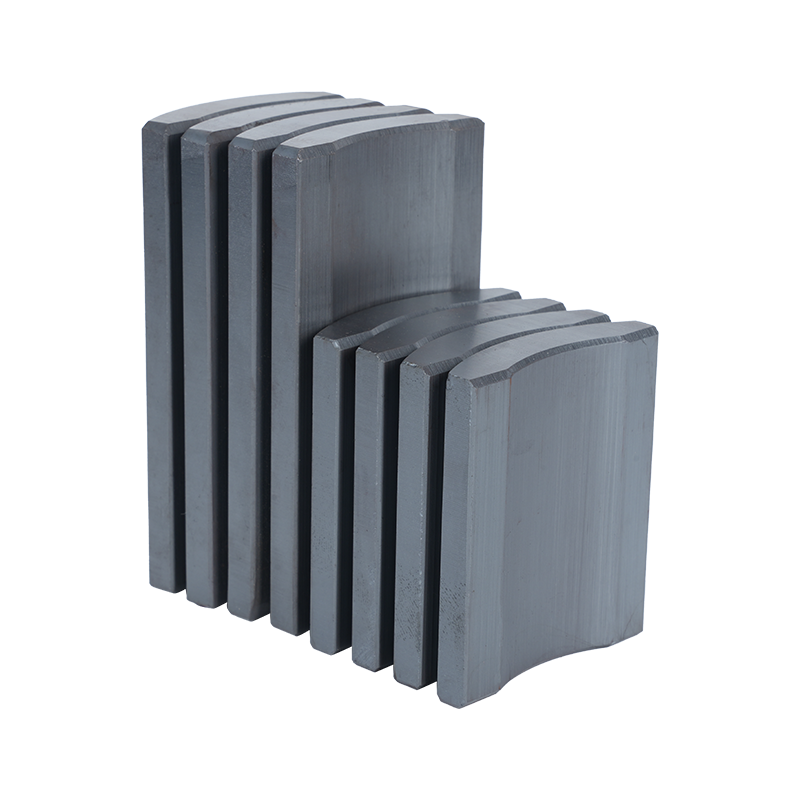
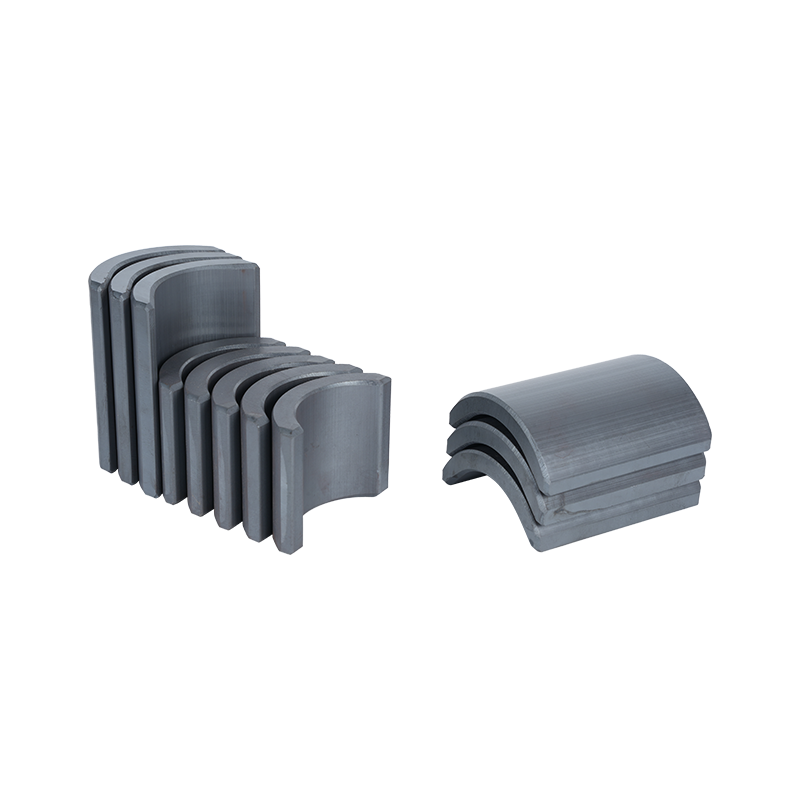
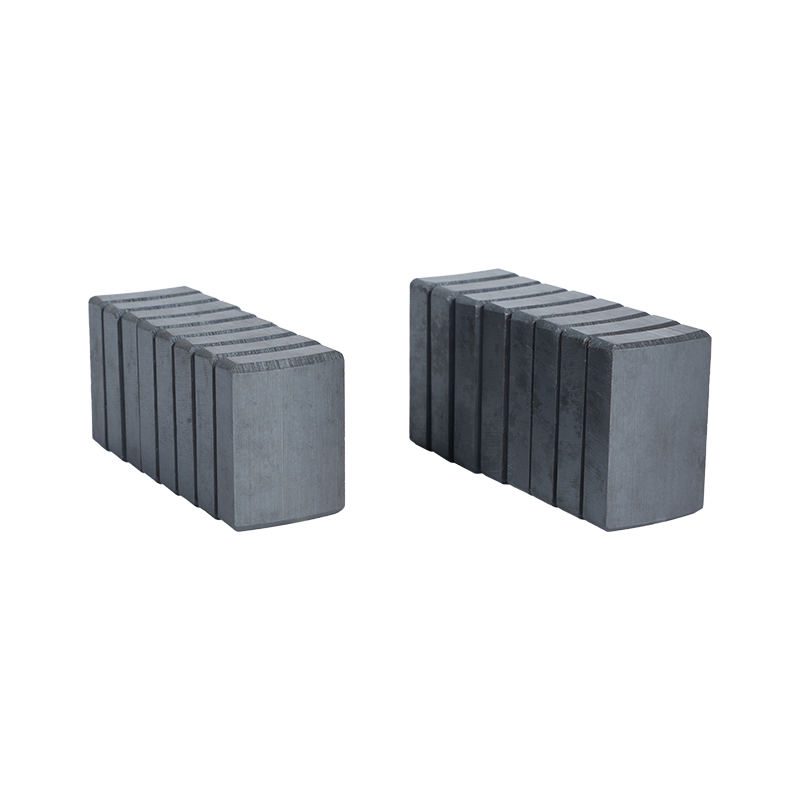
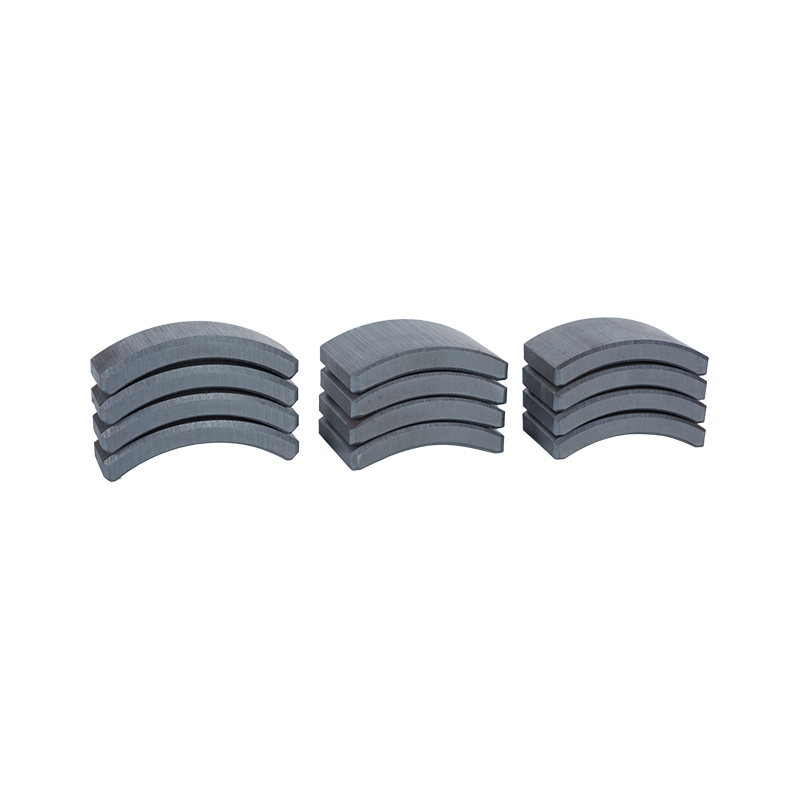
Dong Yang TianQi Magnetic Segment Co.,Ltd.(formerly Shuangyang Magnet Tile) is a professional enterprise specializing in the production of motor magnet tiles
Search by posts
Categories
Popular products
Contact Us
News
 By Admin
The Magnetic Technology Powering Modern Exercise Equipment
Understanding Magnetic Tiles in Fitness Applications
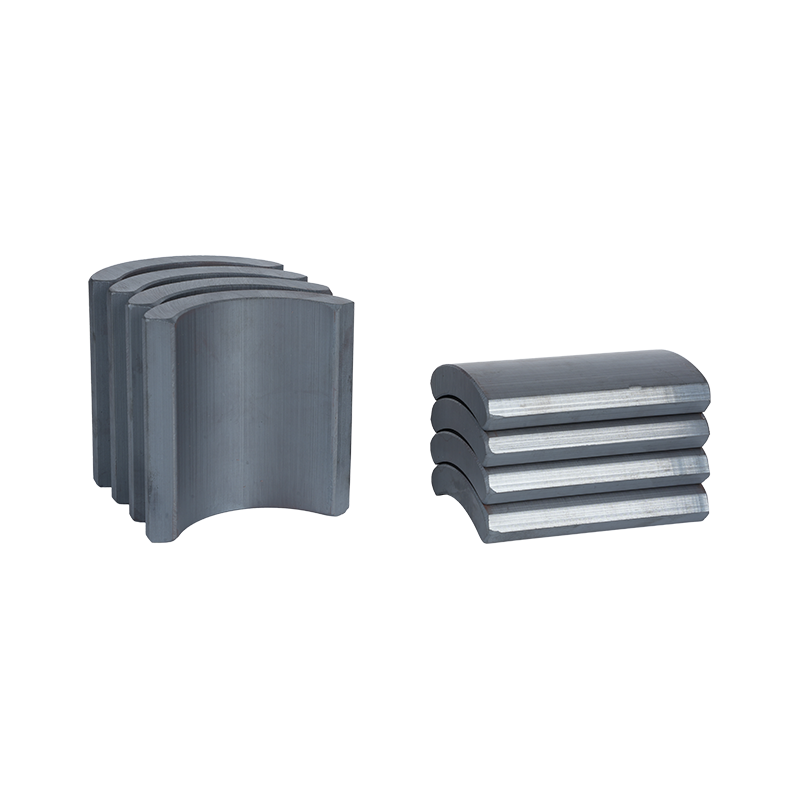
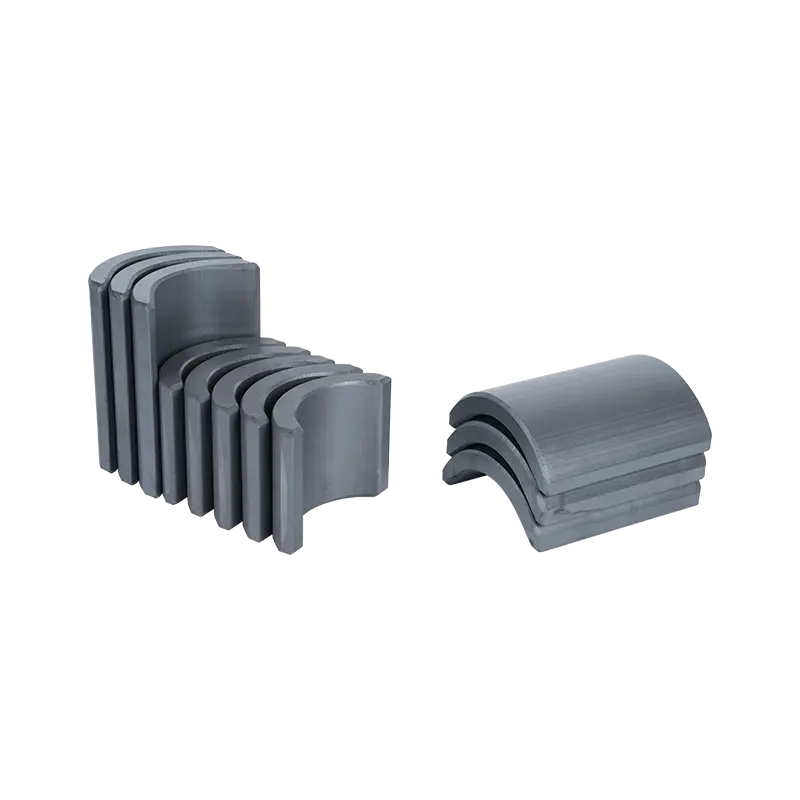
The term fitness equipment magnetic tiles refers to specialized magnetic components integrated into exercise machines to enhance performance, durability, and user experience. These are not the colorful children's building toys that share a similar name, but rather engineered magnetic elements designed for the demanding environment of fitness equipment. They serve multiple functions including resistance generation, motor support, sensor activation, and structural connectivity across various machine types from treadmills to stationary bikes found in both commercial gyms and home workout spaces.
Resistance Systems in Cardio Equipment
One of the significant applications of fitness equipment magnetic tiles appears in cardio machines where they create smooth, adjustable resistance without physical contact. In stationary bikes and spin bikes, these tiles generate magnetic fields that oppose pedal motion, allowing users to increase or decrease difficulty through simple electronic controls. This magnetic resistance offers distinct advantages over traditional friction-based systems, including quieter operation that makes home workouts less disruptive, reduced wear over time that extends equipment life, and the ability to make instantaneous adjustments during high-intensity interval training sessions.
Treadmills similarly benefit from magnetic tile integration within their drive motors. The tiles enhance magnetic fields that ensure consistent belt movement, providing runners with stable surfaces regardless of speed variations. This contributes to extended motor life and smoother operation that users notice during workouts, particularly during long runs where consistency matters most.
Mini Ferrite Magnetic Components
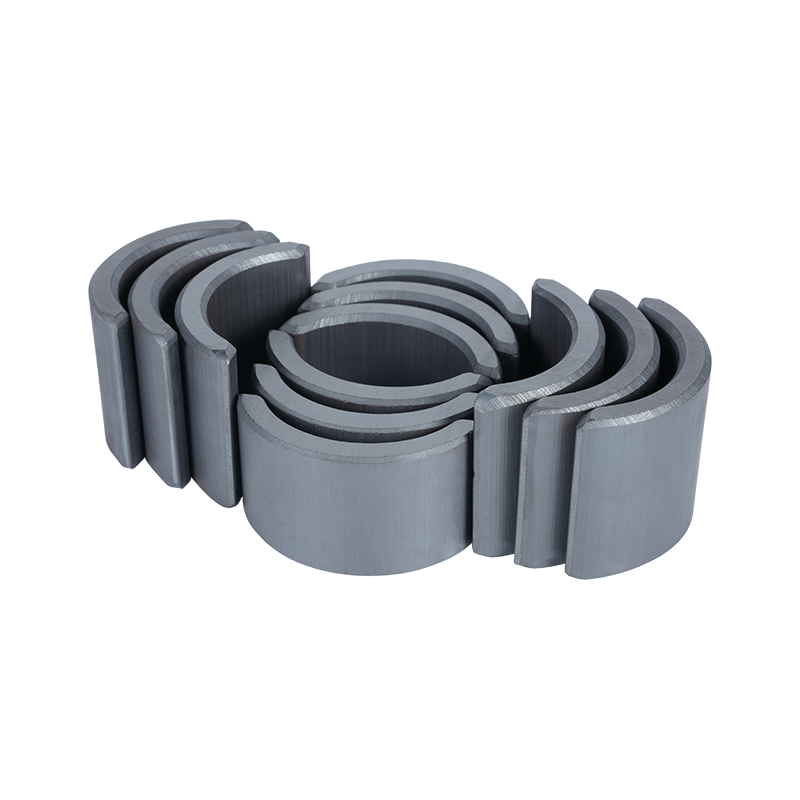
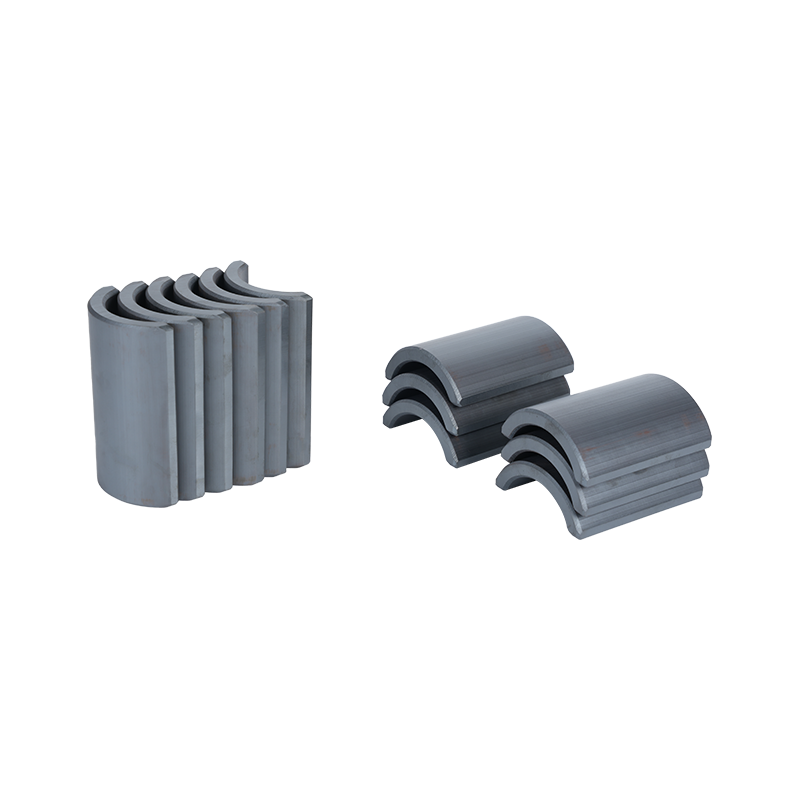
The specific type of magnet commonly used in these applications is the mini ferrite magnetic tile. Constructed from ceramic compounds combining iron oxide with strontium or barium carbonate, these fitness equipment magnetic tiles offer exceptional resistance to rust and corrosion. This property proves particularly valuable in fitness environments where sweat and humidity constantly challenge equipment integrity. Unlike neodymium magnets that can lose magnetism when exposed to high temperatures or corrode over time, ferrite tiles maintain stable magnetic fields indefinitely, even with frequent use in challenging conditions.
Their cost-effectiveness also makes them attractive for mass-produced fitness equipment where reliability must balance against manufacturing budgets. The tiles provide consistent performance without the premium price tag of earth alternatives, helping keep equipment affordable for everyday consumers.
Strength Training Applications
Beyond cardio equipment, fitness equipment magnetic tiles play increasingly important roles in strength training machinery. Cable machines and dumbbell racks incorporate these tiles within weight adjustment mechanisms, enabling smooth transitions between resistance levels without the clanking and mechanical noise associated with traditional selectorized stacks. Users experience seamless weight changes that maintain workout flow and reduce distraction, allowing better focus on proper form and muscle engagement.
Sensor accuracy in modern strength equipment also depends heavily on magnetic tiles. When embedded within weight stacks or cable paths, they interact with magnetic sensors that precisely track repetitions, range of motion, and force application. This data feeds back to displays or connected applications, giving users real-time performance metrics essential for progress tracking and form maintenance, particularly valuable for those training alone without coach supervision.
Modular Exercise Systems
A newer category of fitness equipment magnetic tiles involves modular workout systems where magnetic connections enable quick reconfiguration of training spaces. These tiles can be arranged on floors or walls to create adaptable exercise zones, with magnetic surfaces that securely hold resistance bands, weights, and training accessories in desired positions. For urban dwellers with limited space, this modularity proves transformative, allowing a single room to serve multiple workout purposes without permanent equipment installation that would otherwise consume valuable square footage.
The magnetic hold ensures stability even during high-intensity movements, while the ability to disassemble and store components compactly addresses the storage challenges that typically accompany home gym ownership. Users can transform living areas into workout spaces then restore them to normal use within minutes.
Recommended products
-
Professional Customized Ferrite Motor Magnetic Tiles
-
Hard Segment Arc Ferrite Magnetic Tiles
-
Anti-Corrosion Ferrite Arc Magnetic Tiles
-
Strong Magnetic Permanent Ferrite Magnetic Tiles
-
Heavy Duty Sintered Ferrite Magnetic Tiles
-
Industrial Magnetic Tiles
-
Electric Motor Magnet Tiles
-
Curved Neodymium Magnet
-
Block Neodymium Magnet
Contact Us

Ever since its establishment, TIANQI has never stopped walking in pursuit of quality.
About Us
Products Links
Contact Information
-

NO.55, Jici Road, Hengdian Town, Dongyang City, Zhejiang Province, China
-

Tel: +86 13625895265
-

E-mail:[email protected]
Copyright © Dong Yang TianQi Magnetic Segment Co.,Ltd.
Magnetic Tiles Factory
