


 English
 中文简体
中文简体
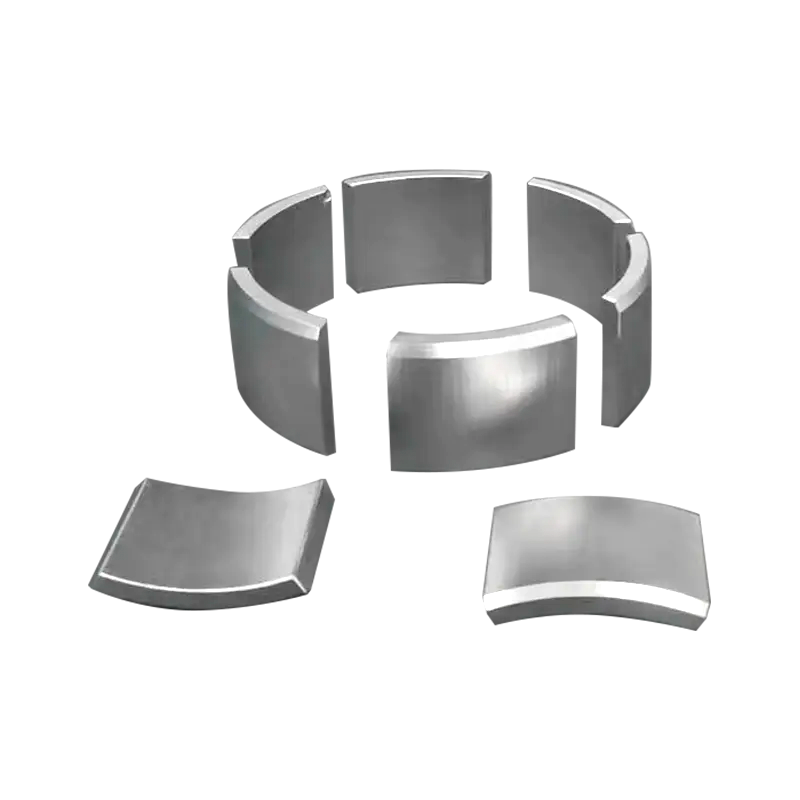
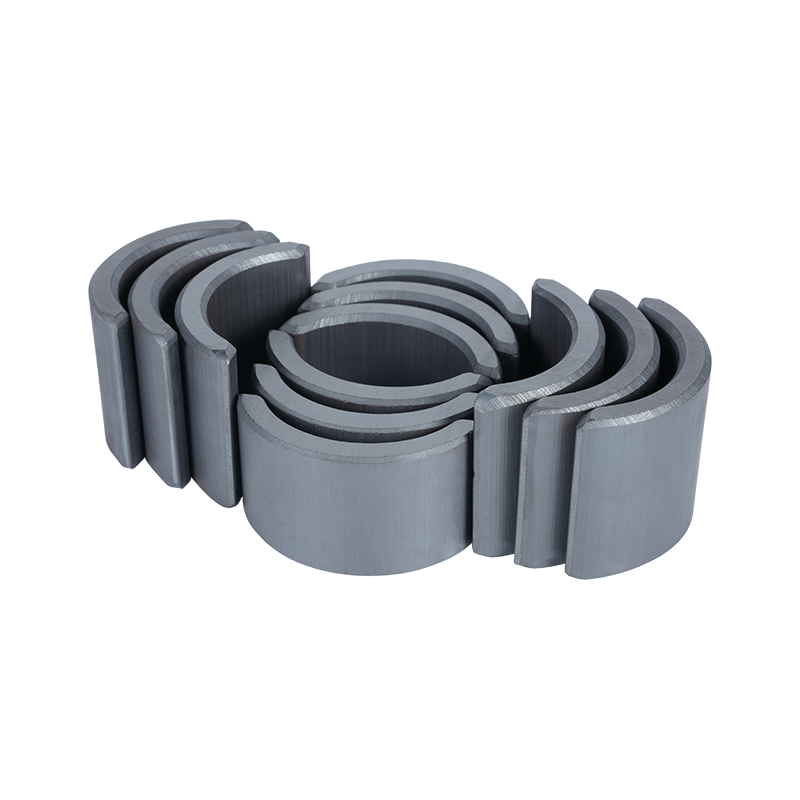
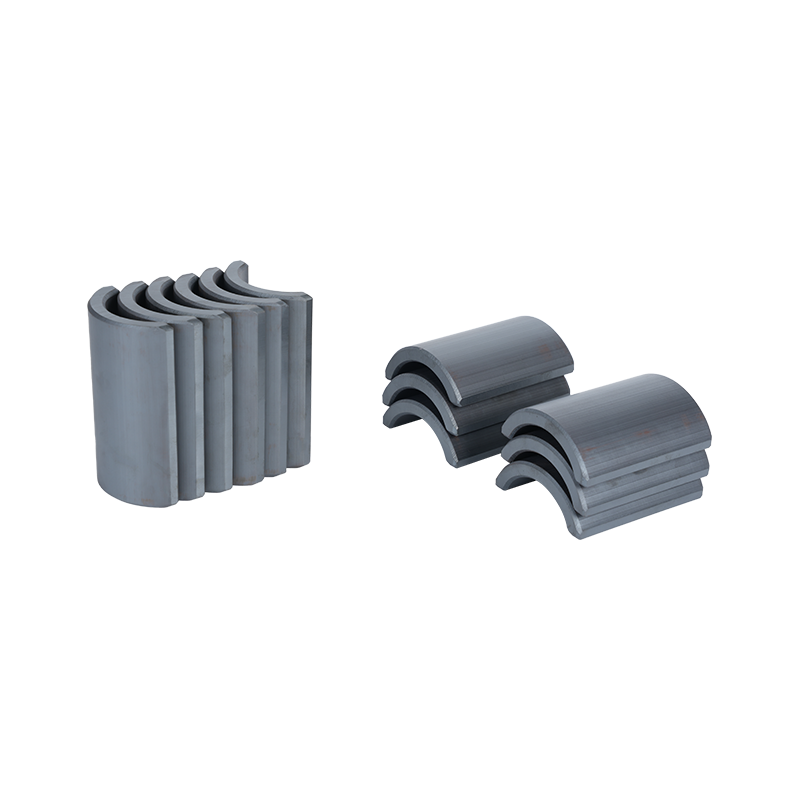
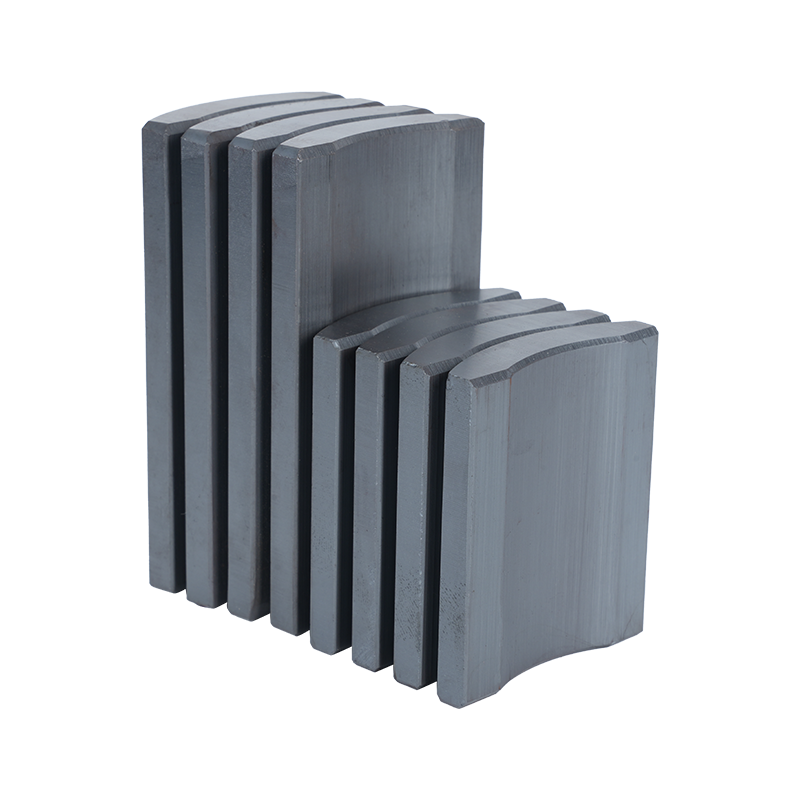
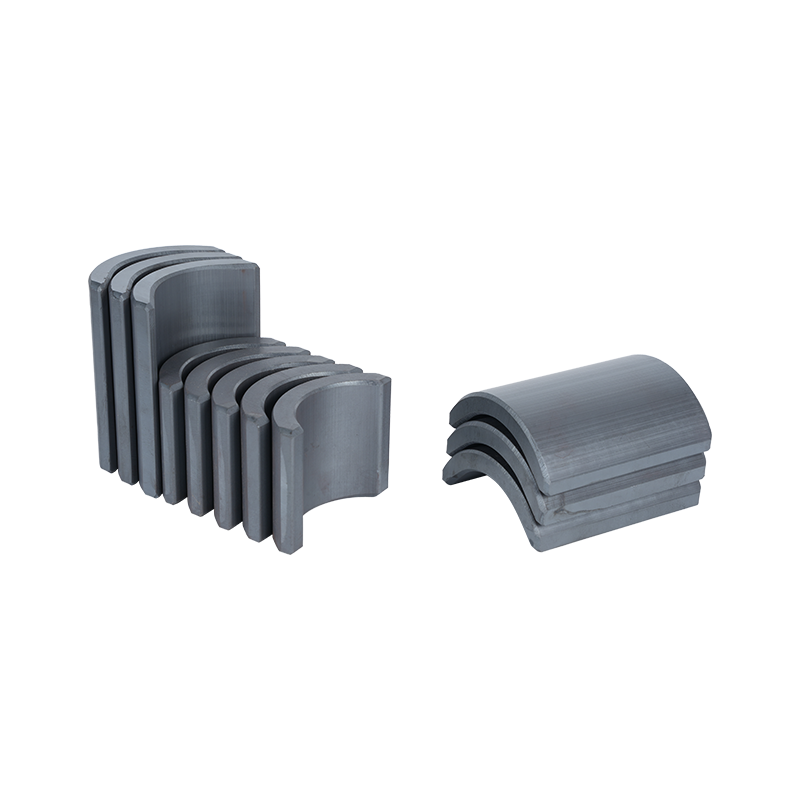
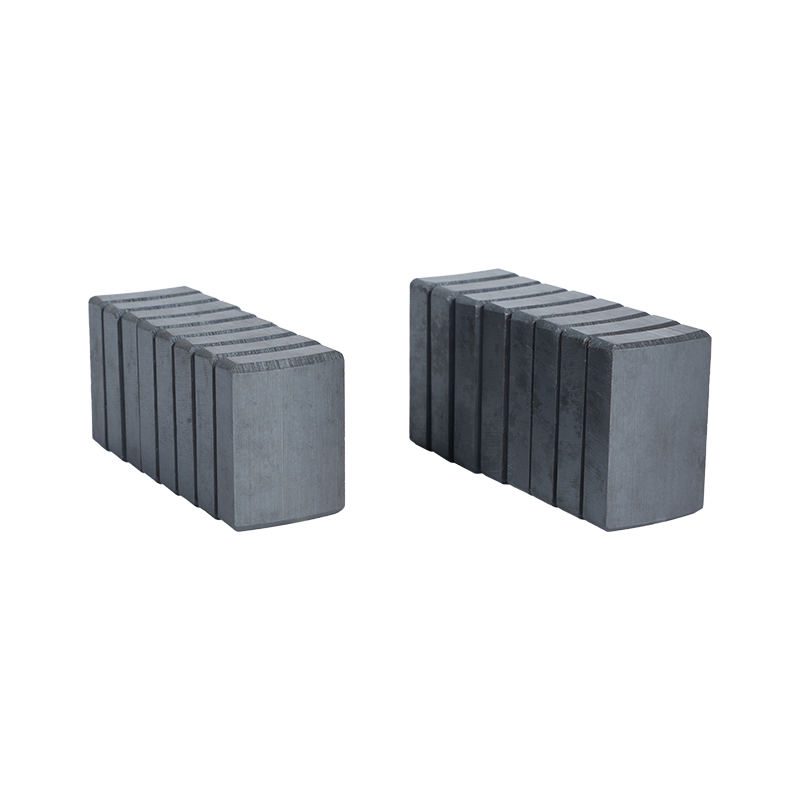
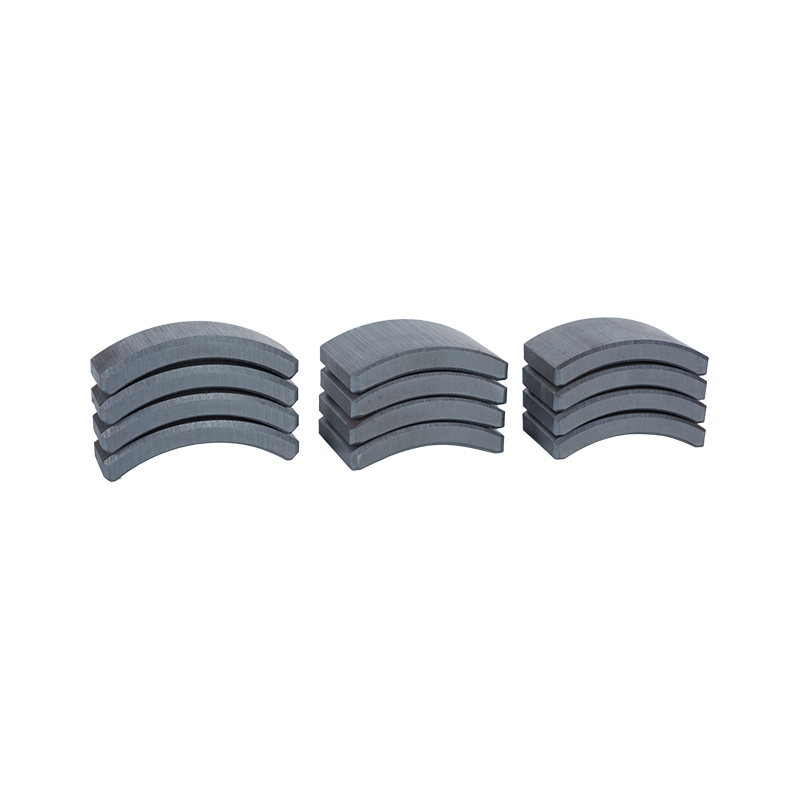
Dong Yang TianQi Magnetic Segment Co.,Ltd.(formerly Shuangyang Magnet Tile) is a professional enterprise specializing in the production of motor magnet tiles
Search by posts
Categories
Popular products
Contact Us
News
 By Admin
The Smart Technology Securing Modern Entryways
Understanding Electric Door Magnet Tiles
Electric door magnet tiles represent a specialized category of magnetic components designed specifically for access control and security applications. Unlike traditional mechanical locks that rely on physical bolts and tumblers, these systems use electromagnetic force to secure doors in place. The term electric door magnet tiles refers to flat, tile-shaped magnetic units typically installed on door frames, working in conjunction with metal armature plates mounted on the doors themselves. When energized, they create a magnetic bond strong enough to resist forced entry while allowing instant release when power is interrupted or access credentials are verified.
Core Technology and Materials
The effectiveness of any electric door magnet tiles system depends primarily on the magnetic material used in construction. Most commercial and residential units utilize ferrite magnets, ceramic compounds formed from iron oxide combined with strontium or barium carbonate. Ferrite offers several advantages for door applications including magnetic stability over time, resistance to demagnetization from external fields, and outstanding corrosion resistance that proves essential in environments exposed to humidity and temperature variations.
Some high-security installations may incorporate neodymium magnets for enhanced holding force in compact form factors, though ferrite remains the dominant choice for standard applications due to its cost-effectiveness and reliable performance. The magnetic tiles are typically encased in epoxy or metal housings that protect the brittle ferrite material from impact damage while providing mounting surfaces for installation.
How These Systems Function
An electric door magnet tile system operates on a simple but effective principle. When the door closes, the electromagnet in the tile activates, creating a strong magnetic field that attracts and holds the armature plate mounted on the door. This bond remains engaged as long as power flows to the magnet, typically requiring only low voltage direct current that consumes minimal energy.
Releasing the door involves interrupting the power supply, which instantly collapses the magnetic field and frees the door for opening. This fail-safe design means doors automatically unlock during power failures, ensuring safe egress during emergencies without requiring manual override. Integration with access control systems allows activation based on keycards, keypad codes, biometric verification, or remote commands from security personnel.
Security and Tamper Resistance
Modern electric door magnet tiles incorporate features specifically designed to prevent security breaches. The magnetic bond created by these systems typically achieves holding forces ranging from six hundred to over two thousand pounds depending on the model and application requirements. This strength makes physical forced entry extremely difficult without specialized equipment.
Advanced units include tamper detection capabilities that monitor the magnetic bond continuously. If an attempt is made to bypass the lock using strong external magnets or mechanical spreading tools, the system detects the disturbance and triggers alarms. Some models also incorporate Hall effect sensors that verify door position, confirming when doors are fully closed and locked versus improperly seated.
Installation Considerations
Proper installation significantly affects the performance of any electric door magnet tiles system. The magnetic tile mounts on the door frame while the armature plate attaches to the door itself, requiring precise alignment to ensure full surface contact between both components. Misalignment reduces holding force substantially, potentially compromising security.
Installers must consider door material and construction when planning installations. Wooden doors may require reinforcement plates to distribute forces properly, while metal frames provide mounting surfaces directly. Through-bolting rather than surface screws ensures strength for high-security applications. Power supply routing must account for door movement, typically using flexible conduit or hidden wiring channels that maintain aesthetics while providing reliable connections.
Applications Across Different Environments
The versatility of electric door magnet tiles makes them suitable for diverse settings. Commercial office buildings use them extensively for securing perimeter doors, internal access zones, and conference rooms where controlled entry matters. The quiet operation and clean appearance integrate well with professional environments where traditional mechanical locks might appear industrial.
Recommended products
-
Professional Customized Ferrite Motor Magnetic Tiles
-
Hard Segment Arc Ferrite Magnetic Tiles
-
Anti-Corrosion Ferrite Arc Magnetic Tiles
-
Strong Magnetic Permanent Ferrite Magnetic Tiles
-
Heavy Duty Sintered Ferrite Magnetic Tiles
-
Industrial Magnetic Tiles
-
Electric Motor Magnet Tiles
-
Curved Neodymium Magnet
-
Block Neodymium Magnet
Contact Us

Ever since its establishment, TIANQI has never stopped walking in pursuit of quality.
About Us
Products Links
Contact Information
-

NO.55, Jici Road, Hengdian Town, Dongyang City, Zhejiang Province, China
-

Tel: +86 579-6311101
+86 579-6311106 -

E-mail:[email protected]
Copyright © Dong Yang TianQi Magnetic Segment Co.,Ltd.
Magnetic Tiles Factory
