


 English
 中文简体
中文简体
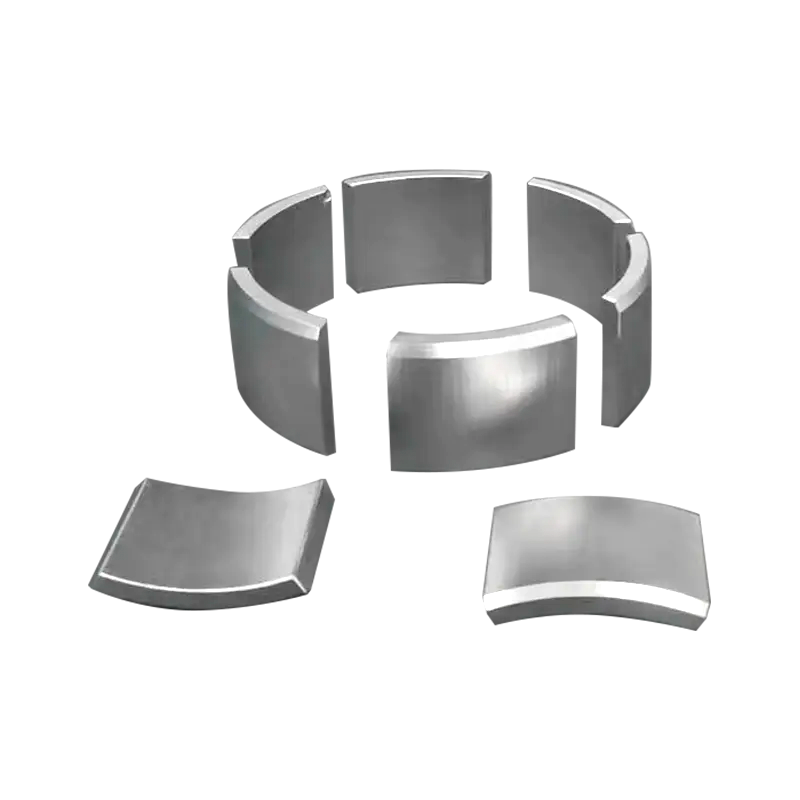
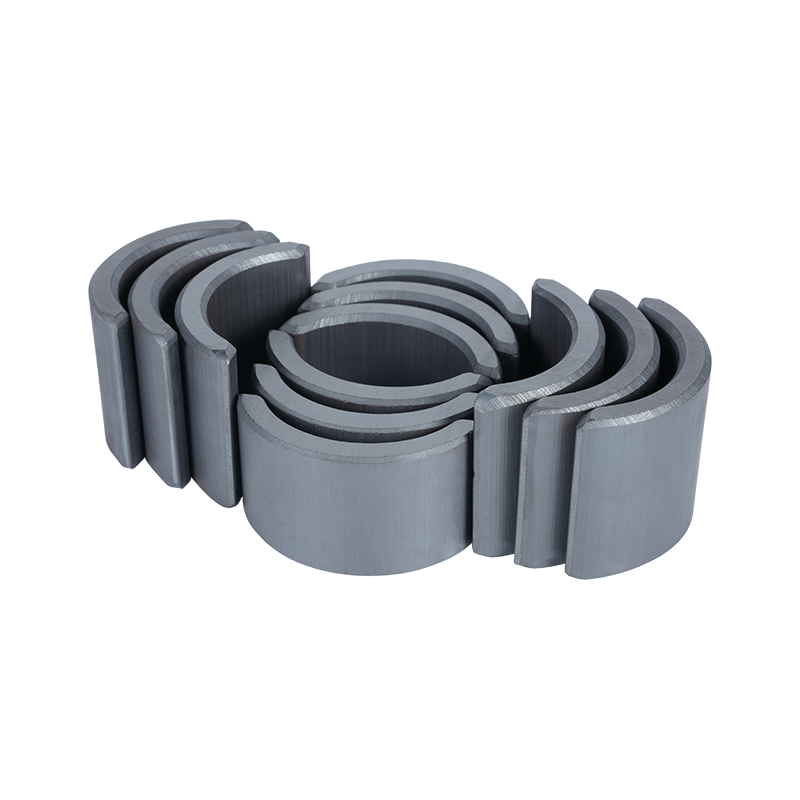
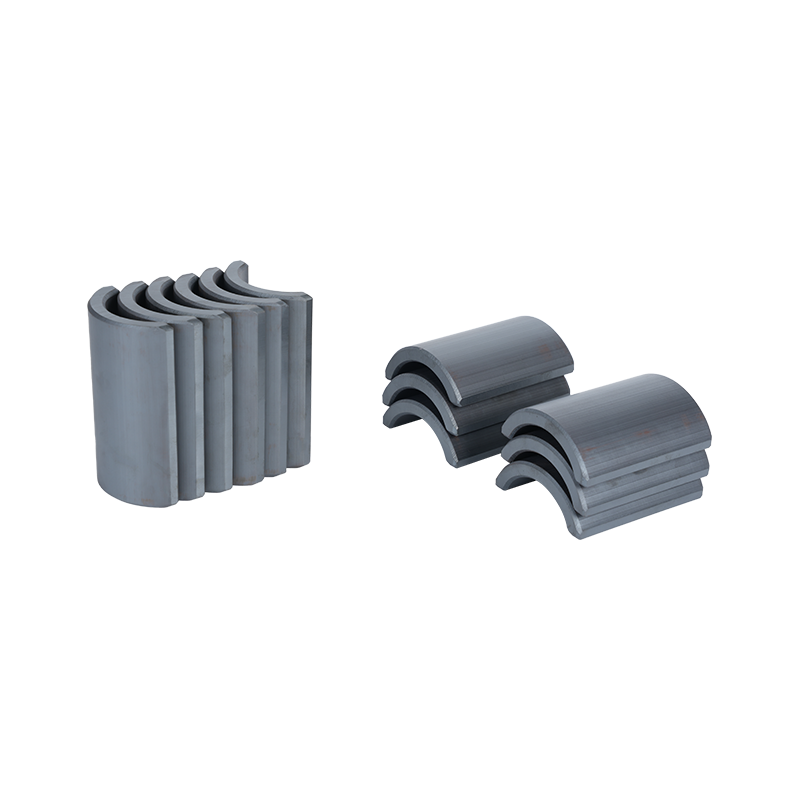
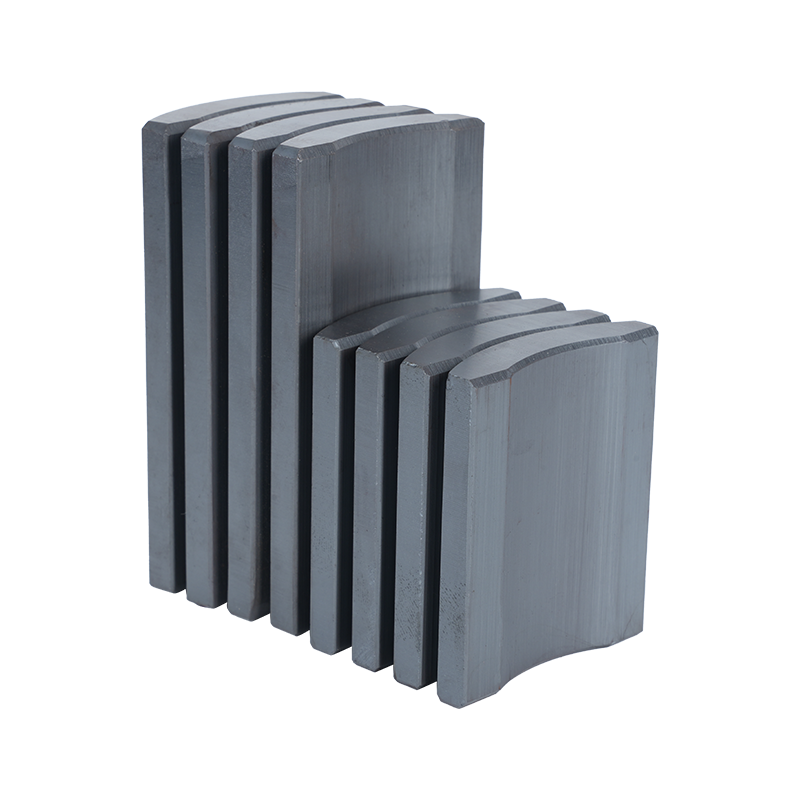
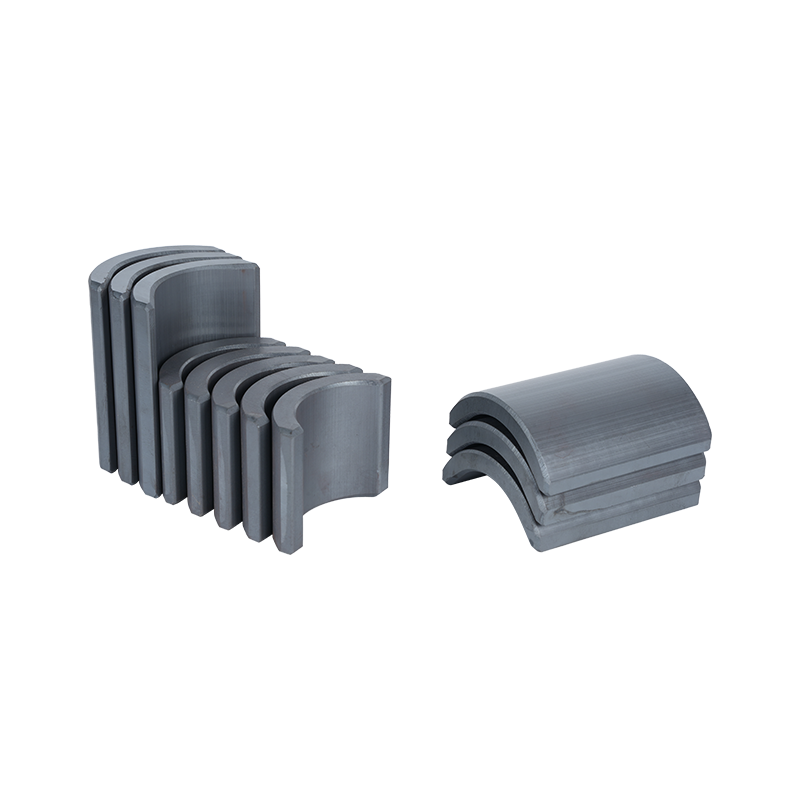
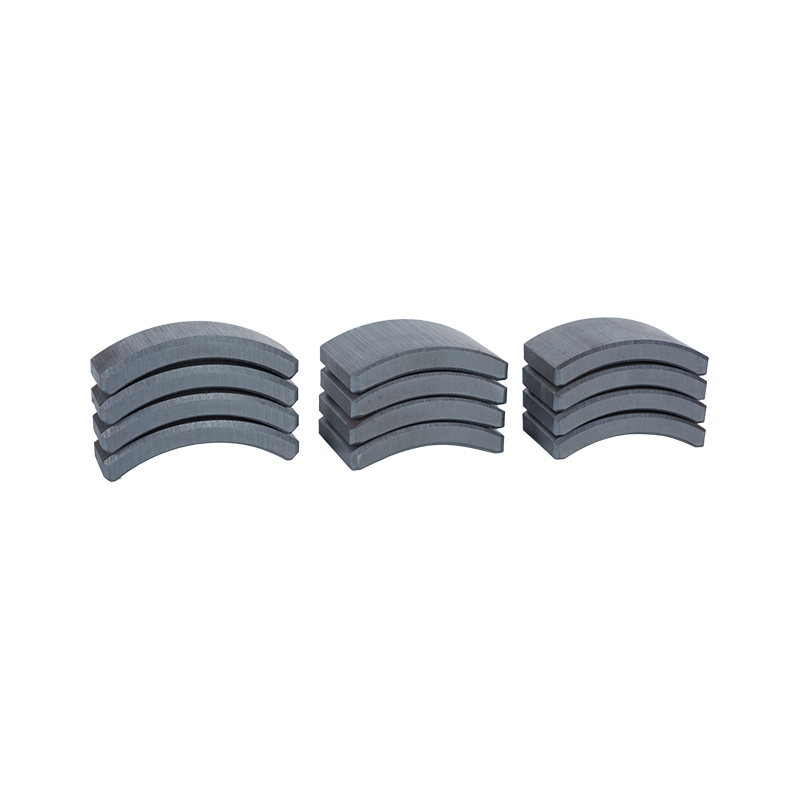
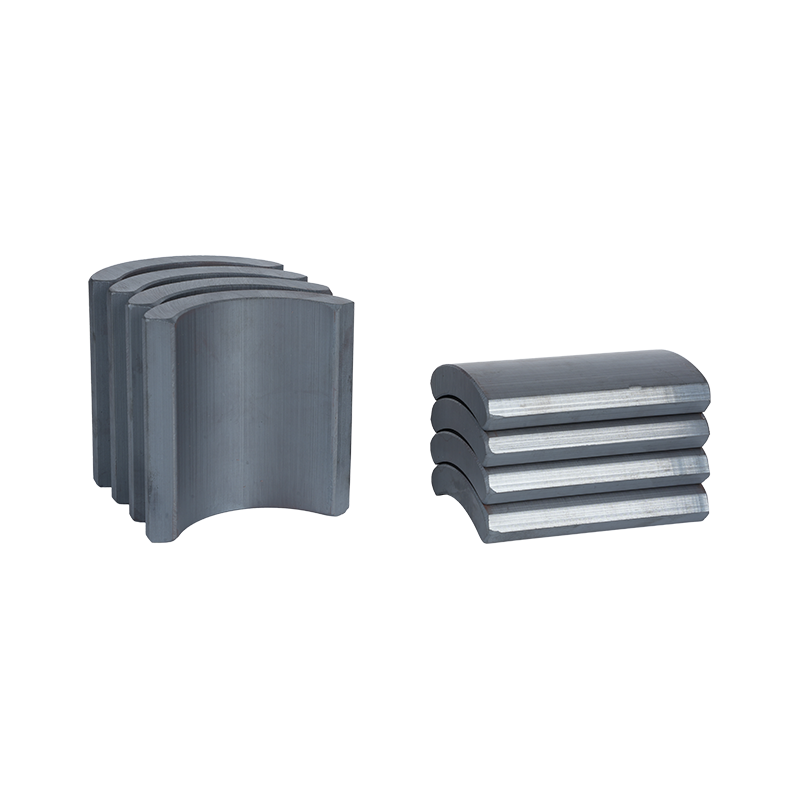
Dong Yang TianQi Magnetic Segment Co.,Ltd.(formerly Shuangyang Magnet Tile) is a professional enterprise specializing in the production of motor magnet tiles
Search by posts
Categories
Popular products
Contact Us
News
 By Admin
The Hidden Magnets Making Lawn Mowing Smarter
Understanding Magnetic Tile Applications in Mowers
The term lawn mower magnetic tiles refers to specialized magnetic components integrated into modern lawn care equipment for various functional purposes. These are not decorative additions but engineered elements that enhance performance, safety, and user experience across different mower types from traditional gas-powered walk-behinds to advanced robotic models. The applications range from motor efficiency improvements to blade monitoring systems and wireless charging solutions that are transforming how homeowners maintain their lawns.
Motor Efficiency and Performance Enhancement
One of the primary applications of lawn mower magnetic tiles appears within the drive motors that power both cutting blades and wheel systems. In brushless electric motors, magnetic tiles create the rotating magnetic fields that drive the motor without physical contact between moving parts. This design eliminates friction losses, reduces heat generation, and extends motor life significantly compared to traditional brushed alternatives.
The magnetic tiles in these motors are typically constructed from ferrite materials, ceramic compounds combining iron oxide with strontium or barium carbonate. Ferrite offers magnetic stability over time, resistance to demagnetization, and outstanding corrosion resistance essential for equipment exposed to moisture, grass clippings, and outdoor storage conditions. The cost-effectiveness of ferrite also helps keep electric mowers affordable for homeowners.
Blade Monitoring and Safety Systems
Advanced safety features in modern mowers increasingly rely on lawn mower magnetic tiles integrated with sensor systems. Magnetic sensors mounted near blade assemblies detect the presence and rotation of magnetic tiles attached to blade components, providing real-time feedback to control systems. If a blade stops rotating due to obstruction or impact, the system detects the change immediately and can shut down power to prevent damage or injury.
This technology proves particularly valuable in robotic mowers that operate autonomously without direct supervision. The magnetic monitoring ensures that if a blade encounters unexpected resistance, the mower can pause, reverse, or signal for assistance rather than continuing operation that might cause further damage or safety issues.
Robotic Mower Navigation Systems
Autonomous lawn mowers represent one of the fastest-growing segments in lawn care, and lawn mower magnetic tiles play crucial roles in their operation. Many robotic mowers use boundary wires to define cutting areas, but magnetic tiles offer alternative or supplementary navigation methods. Magnetic strips or discrete tiles buried at boundary edges or placed at specific locations provide reference points that robotic mowers detect through built-in magnetic sensors.
This magnetic guidance offers advantages over wire-only systems including simpler installation, easier modification when lawn layouts change, and resistance to damage from gardening activities that might cut boundary wires. The tiles can also mark obstacles like trees, flower beds, or garden features, helping robots navigate around them consistently.
Blade Engagement and Height Adjustment
Manual and electric mowers alike benefit from lawn mower magnetic tiles in their blade engagement and height adjustment mechanisms. Magnetic switches provide reliable, weather-resistant activation for blade engagement systems, eliminating mechanical linkages that can rust, jam, or wear over time. A simple magnetic sensor detects when an operator engages the blade control, triggering the motor start sequence without physical switches that might fail.
Height adjustment systems sometimes incorporate magnetic detents that provide positive positioning feedback during deck raising and lowering. Users feel or hear the magnetic engagement at each height setting, confirming proper adjustment without needing to visually inspect or count adjustment positions.
Battery Connection and Charging Systems
Cordless electric mowers depend on reliable battery connections, and lawn mower magnetic tiles increasingly appear in charging interfaces. Magnetic charging connections offer several advantages over traditional plug-in designs. They automatically align during connection, reducing wear from repeated insertion. They disconnect cleanly if the cord is accidentally pulled, preventing damage to charging ports. They resist moisture and debris ingress better than open connectors.
Some advanced mowers feature wireless charging systems where magnetic tiles in both mower and charging pad create the inductive coupling that transfers power without physical contact. This technology allows simple parking over charging spots without precise cable connections, encouraging regular charging that maintains battery health.
Recommended products
-
Professional Customized Ferrite Motor Magnetic Tiles
-
Hard Segment Arc Ferrite Magnetic Tiles
-
Anti-Corrosion Ferrite Arc Magnetic Tiles
-
Strong Magnetic Permanent Ferrite Magnetic Tiles
-
Heavy Duty Sintered Ferrite Magnetic Tiles
-
Industrial Magnetic Tiles
-
Electric Motor Magnet Tiles
-
Curved Neodymium Magnet
-
Block Neodymium Magnet
Contact Us

Ever since its establishment, TIANQI has never stopped walking in pursuit of quality.
About Us
Products Links
Contact Information
-

NO.55, Jici Road, Hengdian Town, Dongyang City, Zhejiang Province, China
-

Tel: +86 579-6311101
+86 579-6311106 -

E-mail:[email protected]
Copyright © Dong Yang TianQi Magnetic Segment Co.,Ltd.
Magnetic Tiles Factory
