


 English
 中文简体
中文简体
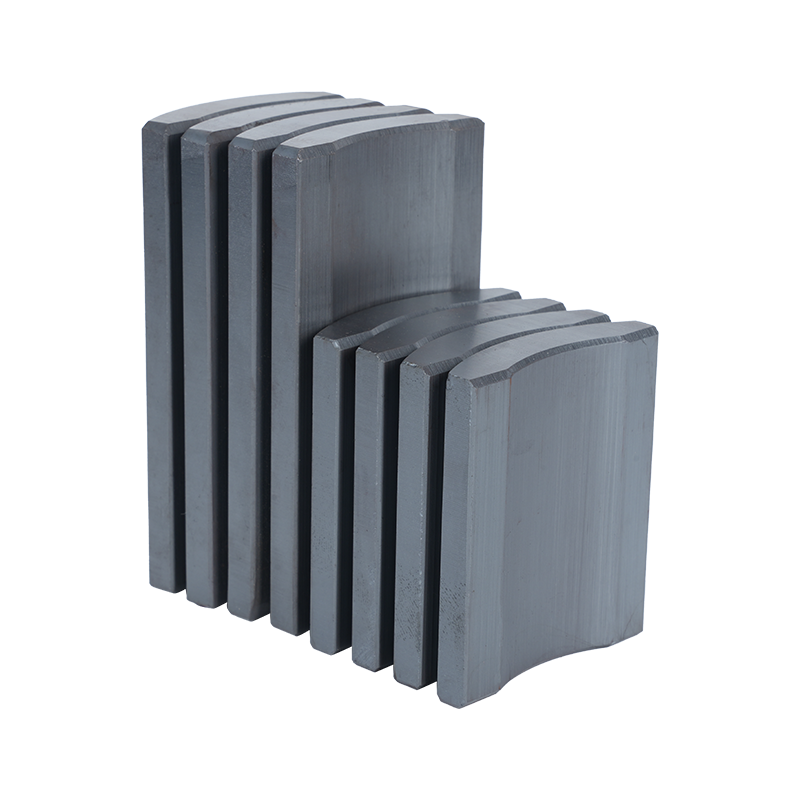
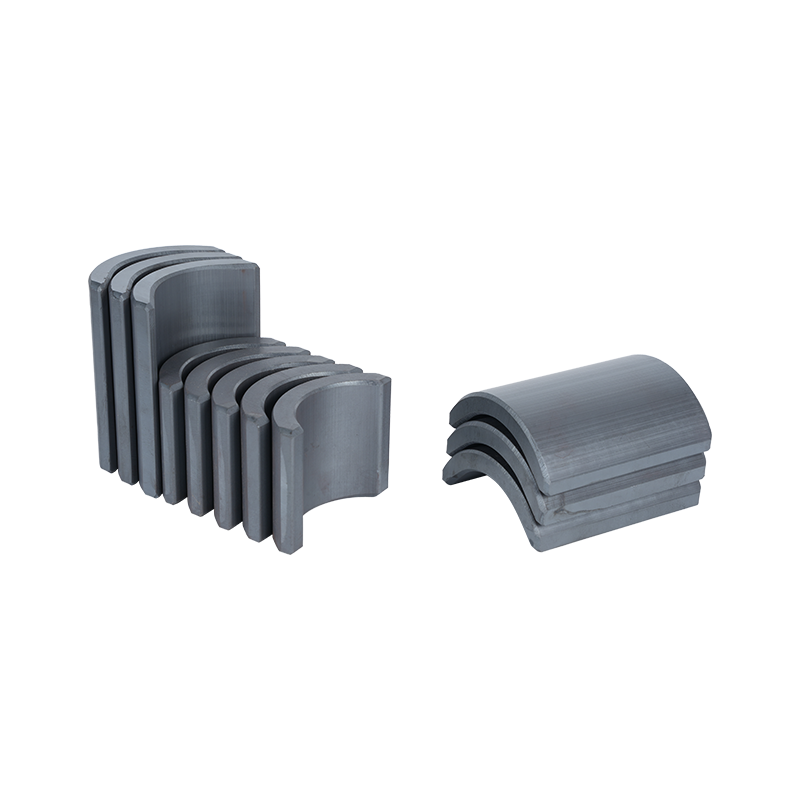
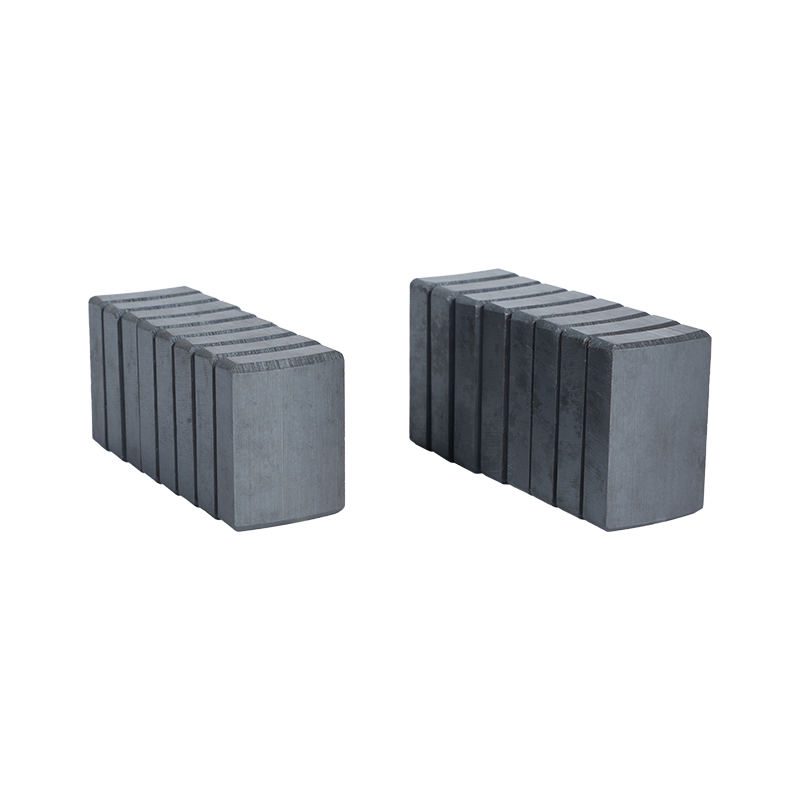
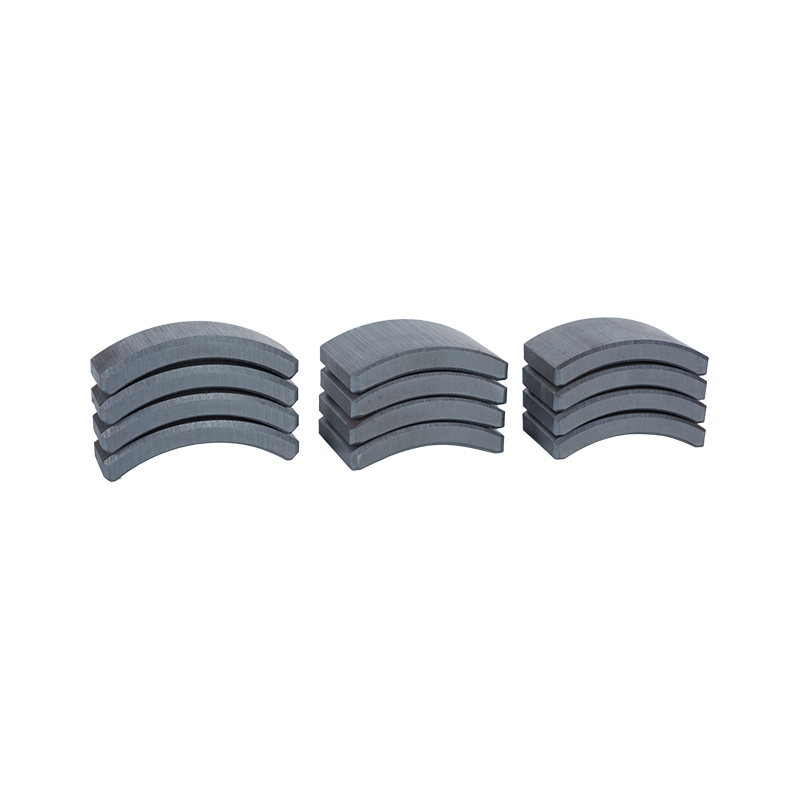
Dong Yang TianQi Magnetic Segment Co.,Ltd.(formerly Shuangyang Magnet Tile) is a professional enterprise specializing in the production of motor magnet tiles
Search by posts
Categories
Popular products
Contact Us
News
 By Admin
The Complete Guide to Permanent Magnetic Ferrite
Understanding Permanent Magnetic Ferrite Composition
Permanent magnetic ferrite, also known as ceramic magnet, represents a class of magnetic materials composed primarily of iron oxide combined with strontium or barium carbonate. The chemical formulation typically follows the structure of strontium ferrite or barium ferrite, with the strontium variant offering stronger magnetic properties overall. These materials belong to the hard ferrite family, characterized by their ability to retain magnetization after the external field is removed. A quality permanent magnetic ferrite product begins with precise control of raw material ratios during manufacturing to achieve consistent performance across production batches.
The Distinction Between Hard and Soft Ferrites
Ferrites divide into two fundamental categories based on their magnetic coercivity, which measures resistance to demagnetization. Soft ferrites, used in transformer cores and inductors, exhibit low coercivity and lose magnetization easily when external fields cease. In contrast, permanent magnetic ferrite materials possess high coercivity, meaning they strongly resist demagnetization and maintain stable magnetic fields indefinitely without continuous power input. This characteristic makes them ideal for applications ranging from refrigerator door seals to electric motor components where persistent magnetism proves essential.
Key Magnetic Properties
The performance of any permanent magnetic ferrite is defined by several measurable parameters that engineers consider during design. Remanence refers to the magnetic flux density remaining after saturation magnetization, indicating how strong the magnetic field will be in practical use. Coercivity indicates the reverse field strength required to reduce magnetization to zero, reflecting how easily the magnet might be demagnetized by external influences. Maximum energy product represents the overall magnetic strength available for performing work in applications. Different ferrite grades achieve varying performance levels depending on composition and processing methods, allowing designers to select appropriate materials for specific requirements.
Isotropic Versus Anisotropic Types
Manufacturers produce permanent magnetic ferrite in two distinct forms based on magnetic orientation during production. Isotropic magnets possess no preferred magnetization direction, allowing them to be magnetized in any orientation after manufacturing. These materials offer flexibility for applications where magnetic field direction cannot be predetermined or where multi-pole magnetization patterns are required. Anisotropic magnets undergo processing in a magnetic field that aligns particles during pressing, creating a preferred direction of magnetization. These versions deliver significantly stronger magnetic performance when magnetized along their oriented axis, making them ideal for applications where magnetic direction is fixed and strength is desired. The choice between types depends entirely on specific application requirements.
Manufacturing Processes
Production of permanent magnetic ferrite follows a powder metallurgy route requiring careful control at each manufacturing stage. Raw materials including iron oxide and strontium or barium carbonate undergo calcination at high temperatures, creating the ferrite crystal structure through controlled chemical reaction. The resulting material is milled to particle sizes ensuring each particle consists of a single magnetic domain, optimizing magnetic performance. Pressing follows, with wet pressing yielding stronger magnetic properties while dry pressing provides improved dimensional tolerances for specific applications. The shaped compacts then undergo sintering at elevated temperatures, fusing particles into dense, mechanically robust magnets with final properties. An external magnetic field may be applied during pressing for anisotropic grades to achieve particle alignment before final densification.
Physical and Mechanical Characteristics
Ceramic magnets possess distinctive physical properties that influence their handling and application in various environments. Permanent magnetic ferrite materials are extremely hard yet brittle, making them resistant to wear but susceptible to chipping or cracking under mechanical stress. This brittleness requires careful handling during assembly and consideration of mounting methods that avoid impact or tensile loads. The material's high electrical resistivity, typically millions of times greater than metallic magnets, prevents eddy current generation in alternating field applications, reducing energy losses in motors and generators. This insulating property gives them their ceramic classification despite being magnetic materials.
Recommended products
-
Professional Customized Ferrite Motor Magnetic Tiles
-
Hard Segment Arc Ferrite Magnetic Tiles
-
Anti-Corrosion Ferrite Arc Magnetic Tiles
-
Strong Magnetic Permanent Ferrite Magnetic Tiles
-
Heavy Duty Sintered Ferrite Magnetic Tiles
-
Industrial Magnetic Tiles
-
Electric Motor Magnet Tiles
-
Curved Neodymium Magnet
-
Block Neodymium Magnet
Contact Us

Ever since its establishment, TIANQI has never stopped walking in pursuit of quality.
About Us
Products Links
Contact Information
-

NO.55, Jici Road, Hengdian Town, Dongyang City, Zhejiang Province, China
-

Tel: +86 579-6311101
+86 579-6311106 -

E-mail:[email protected]
Copyright © Dong Yang TianQi Magnetic Segment Co.,Ltd.
Magnetic Tiles Factory
