


 English
 中文简体
中文简体
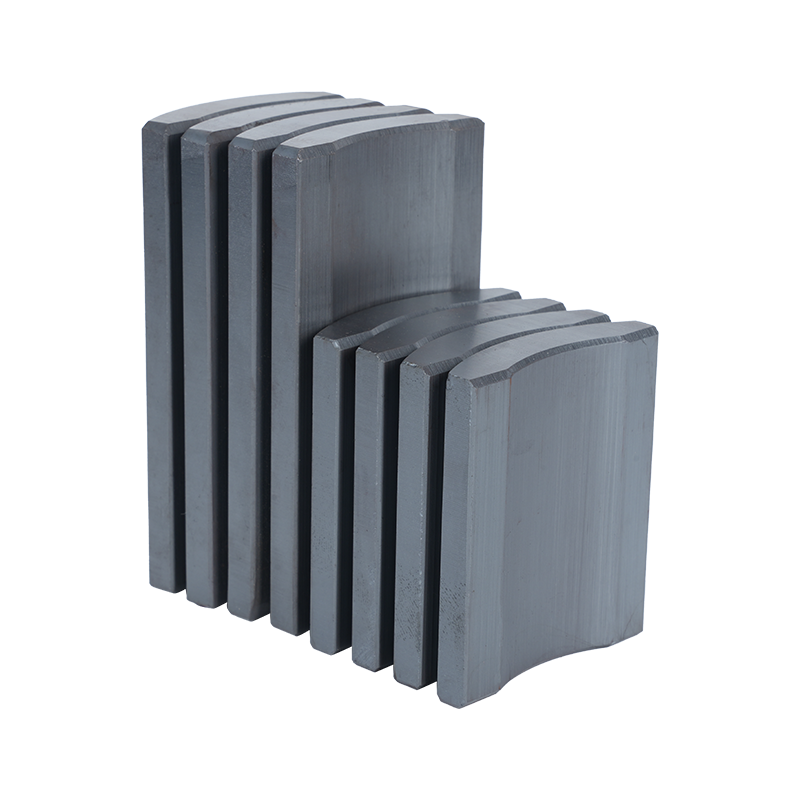
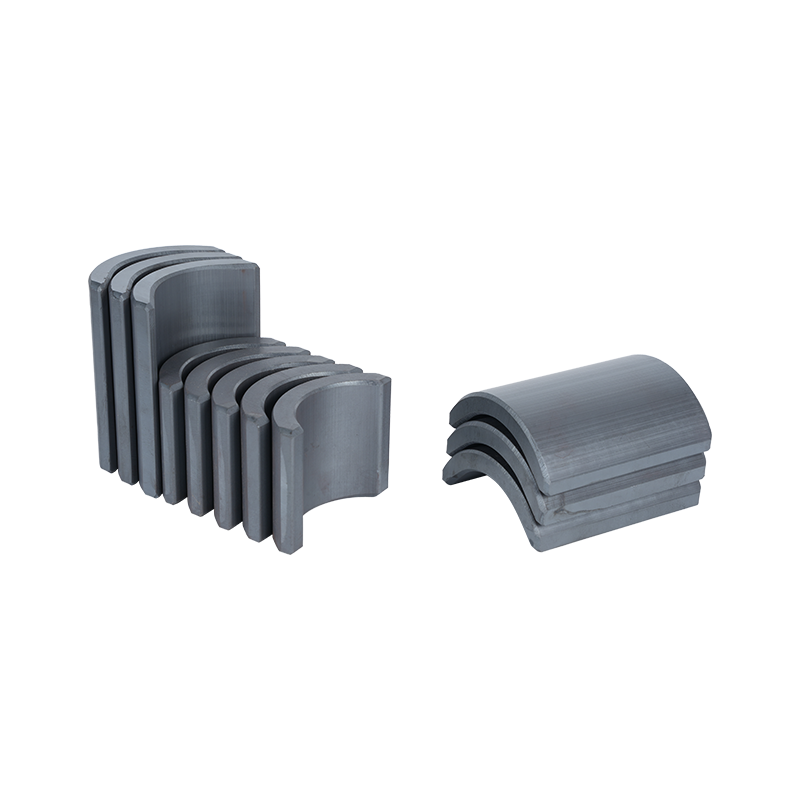
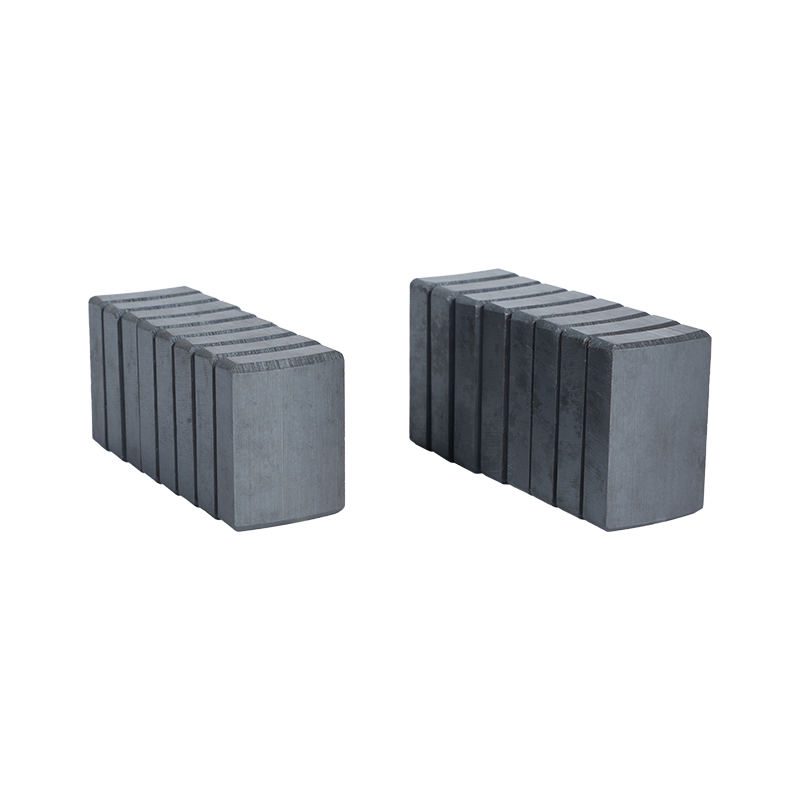
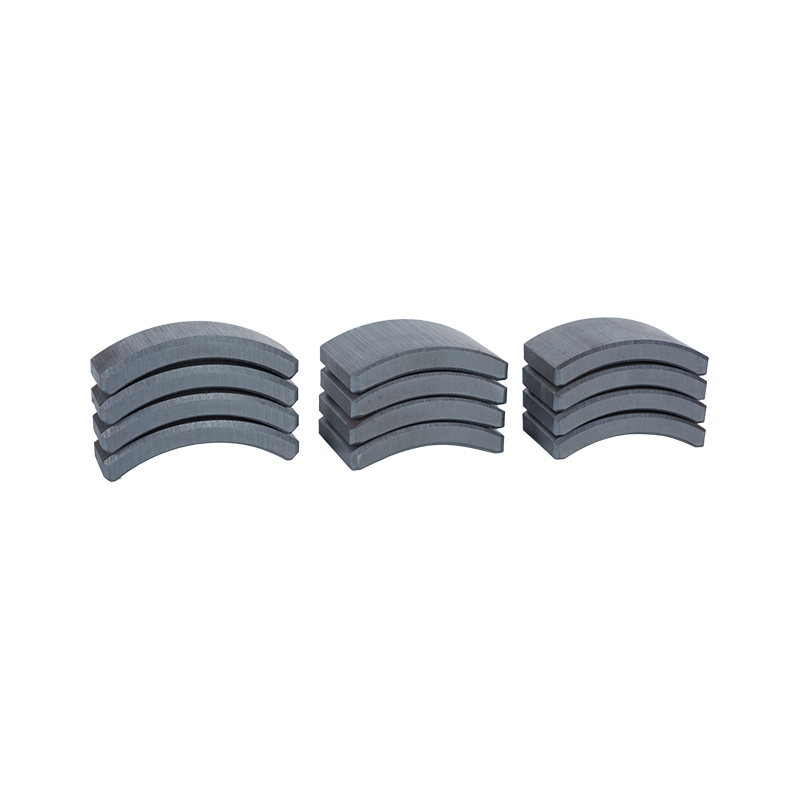
Dong Yang TianQi Magnetic Segment Co.,Ltd.(formerly Shuangyang Magnet Tile) is a professional enterprise specializing in the production of motor magnet tiles
Search by posts
Categories
Popular products
Contact Us
Industry News
 By Admin
Why Ferrite Magnet Material Is Important For Motor Efficiency
Electric motors convert electrical energy into mechanical motion, and permanent magnets play a fairly central role in making that conversion happen. The magnetic field generated by the magnets interacts with current flowing through the windings, creating the force that turns the rotor. The strength and stability of this magnetic field tends to directly shape how efficiently the motor ends up operating.
Different magnet materials tend to produce different magnetic field characteristics. Some offer a higher flux density, meaning they generate a stronger magnetic field for a given volume of material. Others tend to hold onto their magnetism better under heat or when facing opposing magnetic fields. These differences end up affecting motor losses, temperature rise, and overall performance in ways that add up over time.
The choice of magnet material also tends to shape motor design from early on. A motor designed around one type of magnet may not perform particularly well with another swapped in later. The magnet shape, the air gap between magnet and rotor, and the winding configuration all tend to depend on the magnetic properties of whatever material gets chosen. Picking a suitable material early in the process tends to avoid compromises further down the line.
Ferrite magnets have found a place in plenty of motor applications because their properties tend to line up fairly well with what certain motor types need. Getting a sense of why ferrite works helps in appreciating what it brings to motor efficiency.
| Material Property | What It Controls | Efficiency Impact |
|---|---|---|
| Electrical resistivity | Eddy current formation | Lower losses in AC operation |
| Temperature stability | Magnetism retention under heat | Consistent performance |
| Coercivity | Demagnetisation resistance | Long-term reliability |
| Flux density | Magnetic field strength | Power output capability |
What Is Ferrite Magnet Material and How Is It Made?
Ferrite magnets belong to the broader family of ceramic materials. They consist mainly of iron oxide combined with other metallic elements such as barium, strontium, or manganese. The resulting material tends to be hard, somewhat brittle, and fairly resistant to corrosion over time.
The manufacturing process starts with mixing raw materials to reach the desired composition. That mixture gets calcined, or heated, to form the magnetic compound. After calcination, the material gets milled down into a fine powder. This powder can be pressed into shapes or blended with a binder for injection moulding. The shaped parts then get sintered at high temperatures to reach their final density and magnetic properties.
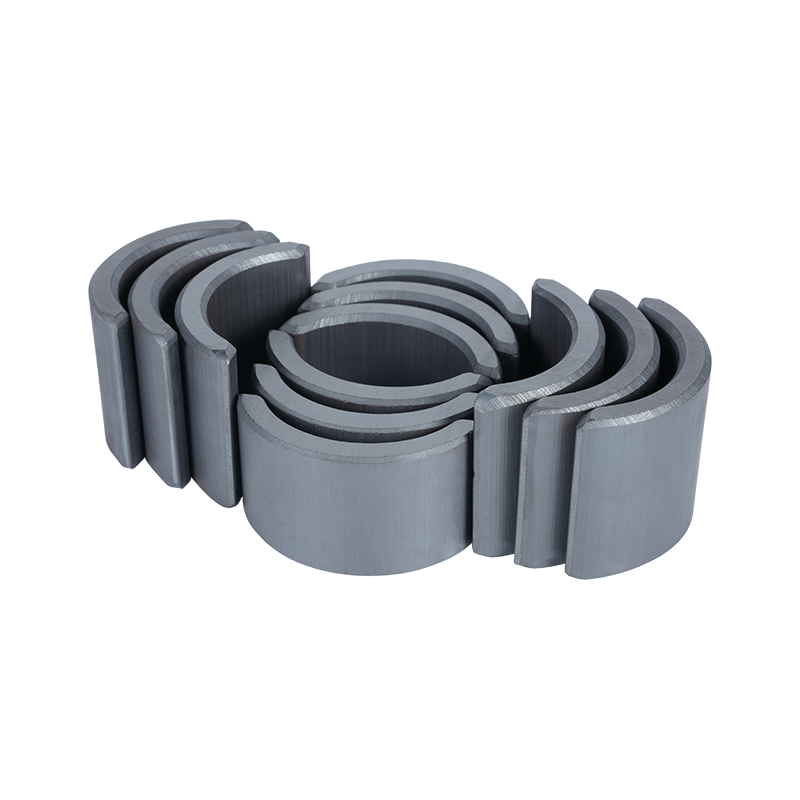
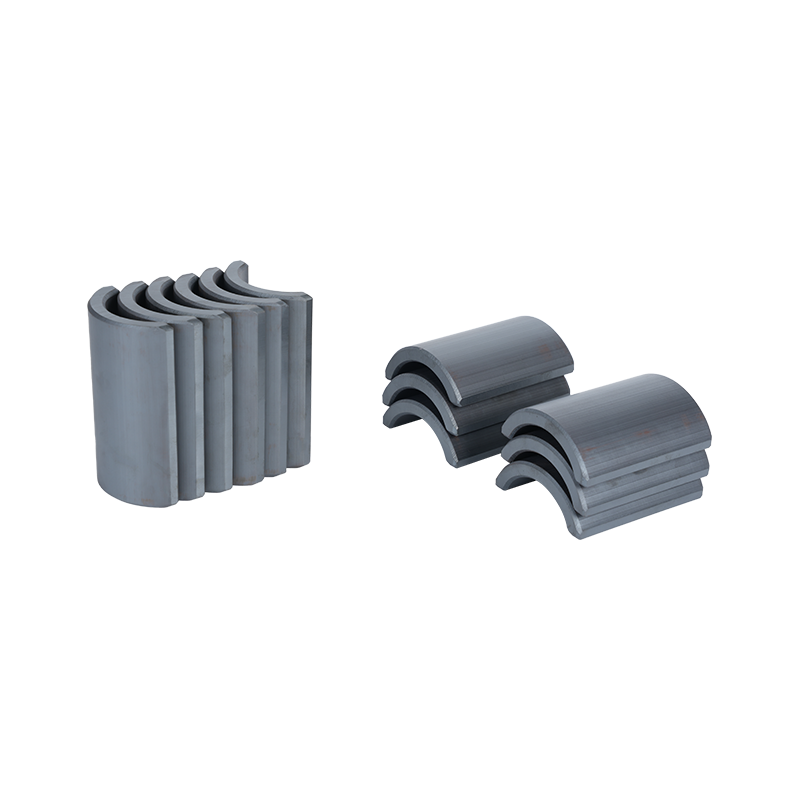
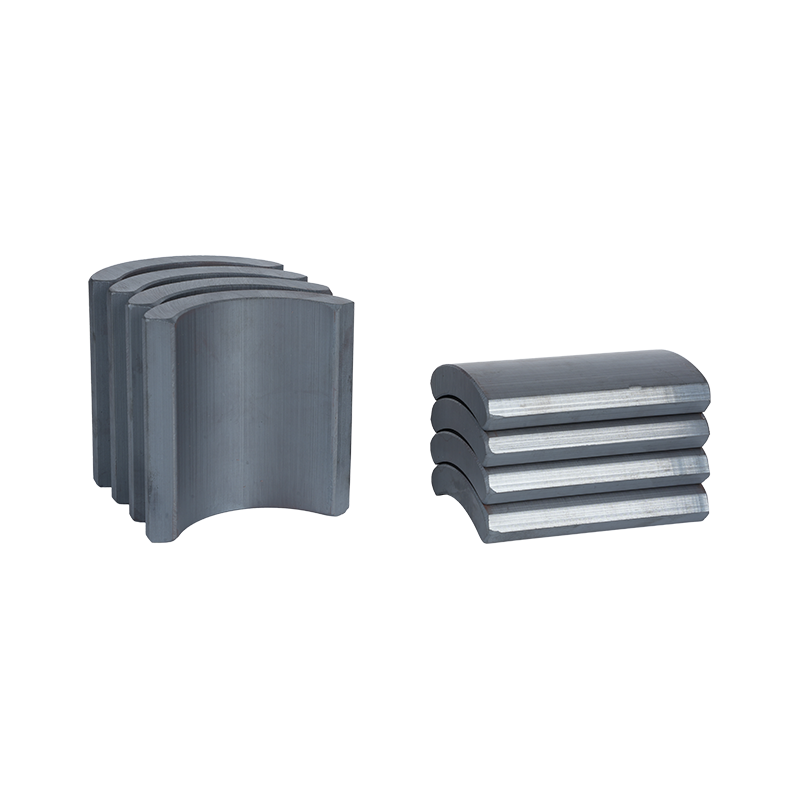
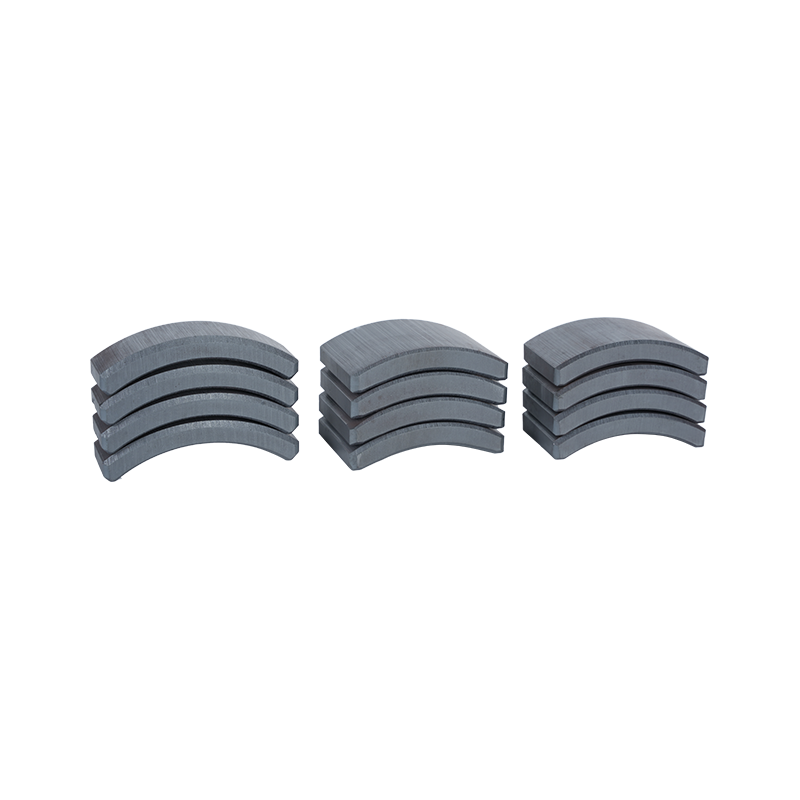
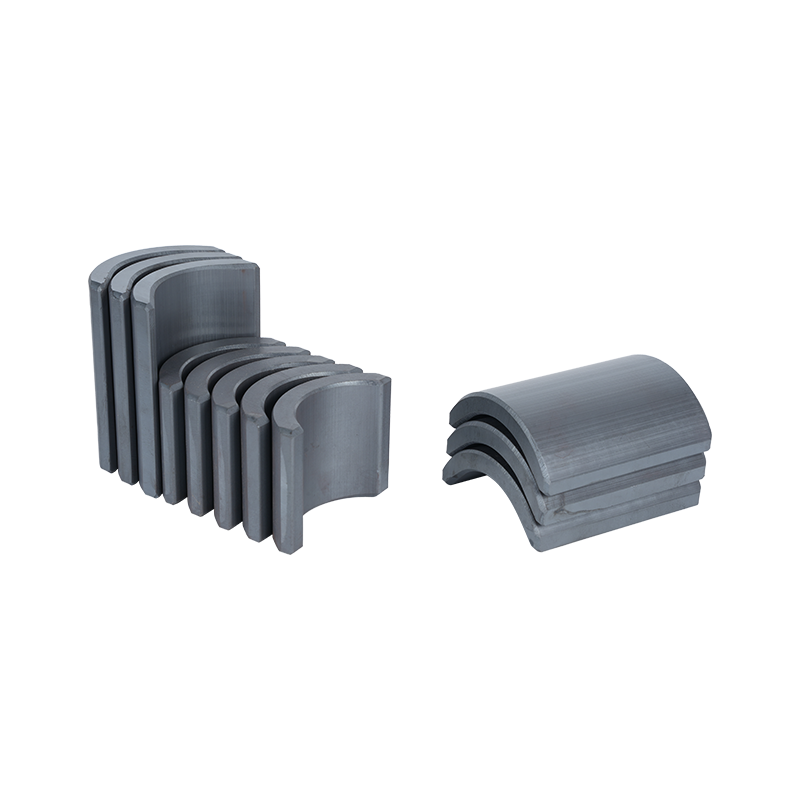
The versatility of ferrite materials lets them get formed into various shapes depending on the application. One of the more common shapes for motor applications is the arc. A Ferrite Arc Magnet fits around the rotor or stator, following the cylindrical shape of the motor fairly closely. The arc shape tends to make efficient use of the magnetic material and provides a fairly consistent field distribution around the assembly.
How Does Electrical Resistivity Reduce Energy Loss in Motors?
Eddy currents represent one of the notable sources of energy loss in electric motors. These circulating currents form in conductive materials when they're exposed to changing magnetic fields. In the iron cores of motors, eddy currents tend to produce heat, which amounts to wasted energy that isn't doing useful work.
Ferrite magnets carry fairly high electrical resistivity, meaning they resist the flow of electrical current through the material. This property tends to limit eddy current formation within the magnet itself. In motors where the magnet sits exposed to alternating magnetic fields, that lower eddy current loss tends to contribute to better overall efficiency.
The effect of resistivity tends to become more noticeable at higher operating frequencies. In variable-speed motors and other applications where the magnetic field shifts rapidly, eddy current losses can start adding up to a fairly meaningful factor. Ferrite's resistivity tends to help keep these losses in check under those conditions.
Reduced eddy current losses tend to translate into less heat building up inside the motor. Lower heat eases the burden on the cooling system and helps keep motor temperature within a reasonable operating range. This relationship between resistivity and loss reduction tends to make ferrite a practical choice for motors where efficiency carries real weight in the design.
What Makes Ferrite Magnets Thermally Stable in Motor Operation?
Motor operation tends to generate heat from several directions at once. Windings heat up from electrical resistance. Friction in bearings adds its own share. Magnetic losses contribute a bit more on top of that. Temperature inside a running motor can climb to levels that start affecting magnet performance if the material isn't suited to it.
Ferrite magnets tend to handle heat fairly well compared to some alternative materials. Their magnetic properties tend to stay reasonably stable across a fairly broad temperature range. While every magnetic material loses some strength when heated, ferrite's loss tends to be gradual and fairly predictable rather than sudden.
This thermal stability tends to support more consistent motor performance over a working day. A motor running hotter than expected will often still deliver close to its rated output, since the magnet holds onto its field strength reasonably well. Motors built with materials that lose magnetism more quickly under heat would likely see performance dip more noticeably under similar conditions.
Temperature cycling, where the motor heats up and cools down repeatedly through normal use, tends to cause less demagnetisation in ferrite than it does in some other materials. The coercivity of ferrite helps keep the magnet oriented even as temperatures shift up and down. This stability tends to support longer motor life and steadier efficiency over the years of service.
How Does Coercivity Protect Against Demagnetization?
Coercivity measures a magnet's resistance to losing its magnetism when it runs into opposing magnetic fields. Higher coercivity tends to mean the material holds onto its magnetic orientation more firmly, even when outside forces try to shift it. For motor applications, this property tends to matter quite a bit, since motors operate in environments where opposing magnetic fields show up as a matter of course.
Ferrite magnets carry fairly high coercivity compared to a lot of other permanent magnet materials. This characteristic tends to help them resist demagnetization from the magnetic fields generated by the motor's own windings. Those windings, when carrying current, produce magnetic fields that can push against the magnet's own field. Without decent coercivity, the magnet would likely lose strength gradually over time.
The demagnetizing field inside a motor tends to shift with operating conditions. At startup, during overload, or under fault conditions, the motor may see higher than normal currents that create stronger opposing fields. Ferrite's fairly high coercivity tends to offer some cushion against these situations.
The practical payoff of high coercivity tends to show up in motor longevity. Motors with ferrite magnets tend to hold their performance steady over many operating hours. The magnets tend not to need periodic re-magnetization, and motor efficiency tends to stay fairly consistent across its service life.
- High coercivity resists demagnetization from motor windings
- Stable magnetism over time reduces maintenance needs
- Consistent performance supports motor efficiency
- Resistance to opposing fields helps protect against fault conditions
What Are the Practical Applications of Ferrite Arc Magnets?
Ferrite Arc Magnets show up across a range of motor types found in everyday products. The arc shape tends to suit motors where the magnet fits around a cylindrical rotor. This design turns up in plenty of fractional horsepower motors, found in household appliances, automotive systems, and industrial equipment alike.
Fans and blowers often run on motors built with Ferrite Arc Magnets. The magnets provide the field needed for reasonably efficient operation at moderate speeds. These motors tend to run fairly quietly and reliably, covering applications from computer cooling to HVAC systems.
Wiper motors represent another fairly common application. The small, enclosed design of wiper motors tends to benefit from ferrite's resistance to demagnetization. These motors operate across a range of temperatures and conditions, and ferrite's thermal stability tends to support reliable performance through that variation.
Automotive cooling fans and pumps use ferrite magnets fairly extensively too. These motors need to keep working reliably in engine compartments where temperatures swing quite a bit. Ferrite magnets tend to hold up reasonably well under these conditions, offering fairly consistent performance without as much temperature-related degradation as some other magnet types might show.
| Application Area | Motor Type | Why Ferrite Suits |
|---|---|---|
| Household appliances | Motors for fans, pumps, compressors | Cost-effective and reliable |
| Automotive systems | Wiper motors, cooling fans, window motors | Handles temperature variations well |
| Industrial equipment | Pumps, conveyors, actuators | Consistent performance over time |
| Consumer products | Small appliances, power tools | Durable and resistant to demagnetization |
How Does Manufacturing Consistency Affect Motor Performance?
The performance of a Ferrite Arc Magnet tends to depend a fair bit on consistent manufacturing. Variations in material composition, processing, or dimensions can affect the magnet's magnetic properties and how well it ends up fitting in the motor.
A Ferrite Magnet Factory that keeps fairly close control over its processes tends to produce magnets with more consistent properties. The magnetic output of each magnet ideally lines up with spec, which helps motors perform closer to how they were designed. Variations in magnetic strength can end up affecting motor efficiency, torque, and speed in ways that add up across a production run.
Dimensional accuracy tends to matter quite a bit for proper motor assembly too. An arc magnet that doesn't quite conform to the required radius or thickness may not fit correctly once it's in the motor. Even fairly small dimensional variations can affect the air gap between magnet and rotor, which in turn influences motor performance.
Quality control during production tends to include testing magnetic properties and checking dimensions along the way. Consistent quality tends to lower the rejection rate during motor assembly and helps finished motors land closer to their efficiency targets.
Recommended products
-
Professional Customized Ferrite Motor Magnetic Tiles
-
Hard Segment Arc Ferrite Magnetic Tiles
-
Anti-Corrosion Ferrite Arc Magnetic Tiles
-
Strong Magnetic Permanent Ferrite Magnetic Tiles
-
Heavy Duty Sintered Ferrite Magnetic Tiles
-
Industrial Magnetic Tiles
-
Electric Motor Magnet Tiles
-
Curved Neodymium Magnet
-
Block Neodymium Magnet
Contact Us

Ever since its establishment, TIANQI has never stopped walking in pursuit of quality.
About Us
Products Links
Contact Information
-

NO.55, Jici Road, Hengdian Town, Dongyang City, Zhejiang Province, China
-

Tel: +86 13625895265
-

E-mail:[email protected]
Copyright © Dong Yang TianQi Magnetic Segment Co.,Ltd.
Magnetic Tiles Factory
