


 English
 中文简体
中文简体
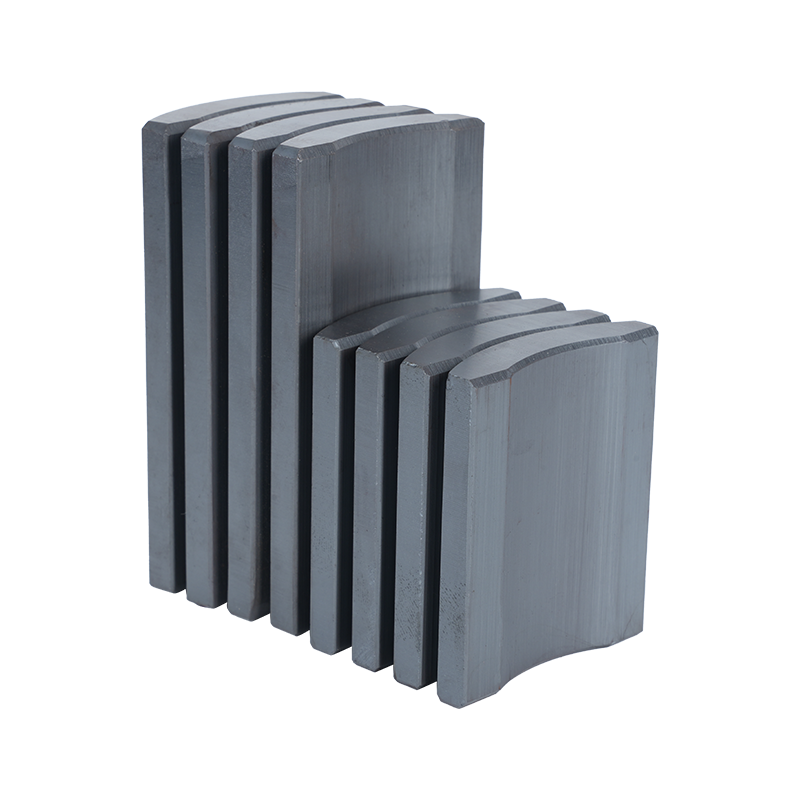
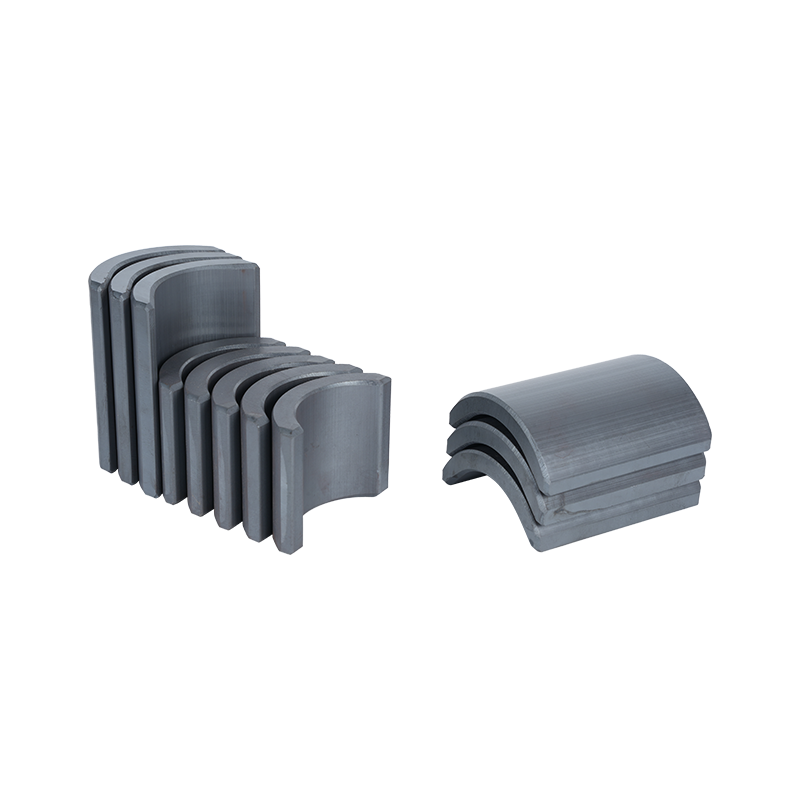
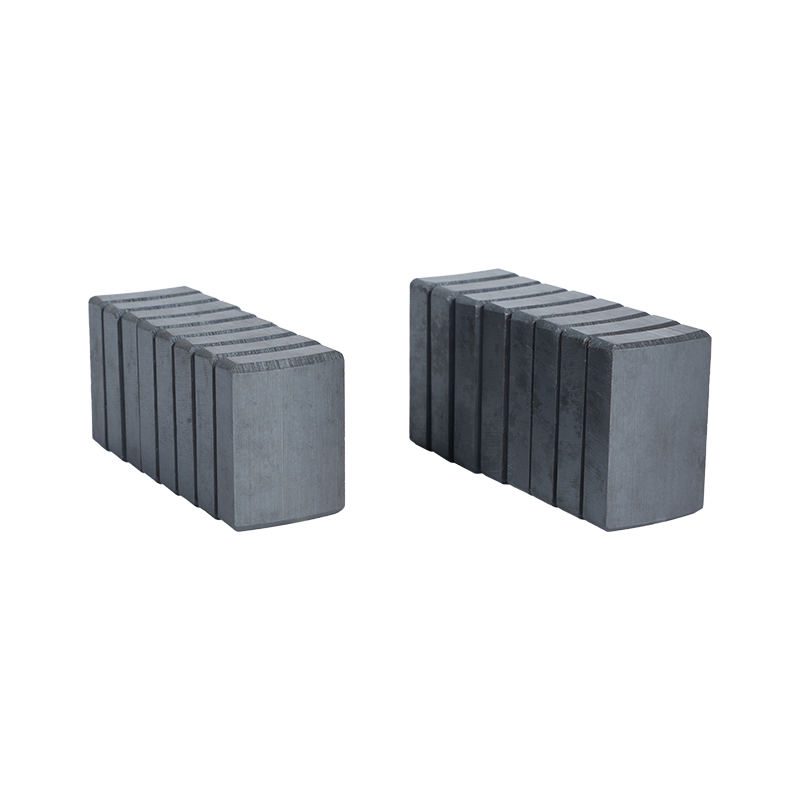
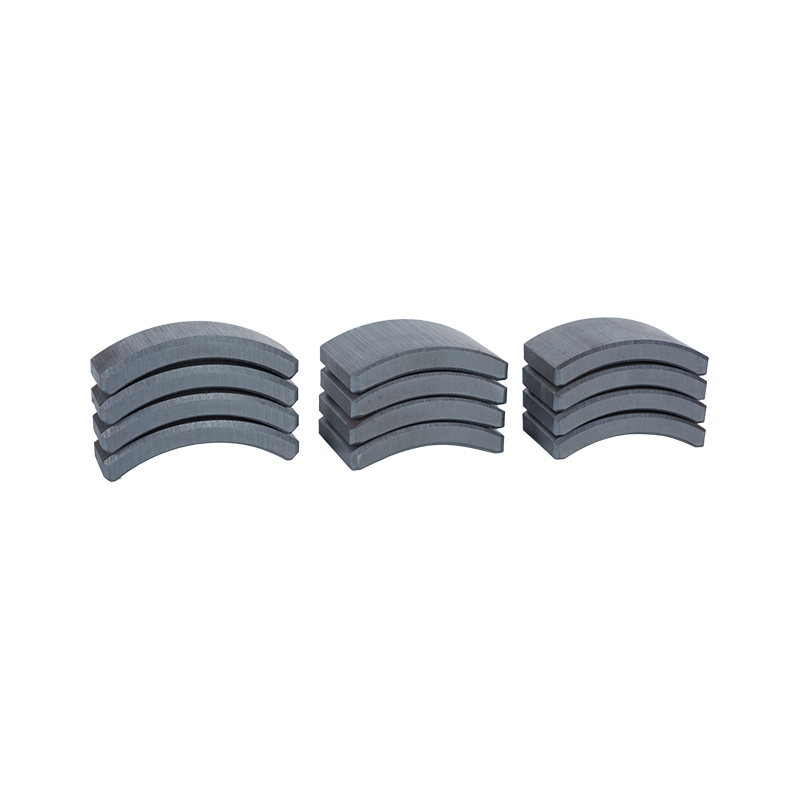
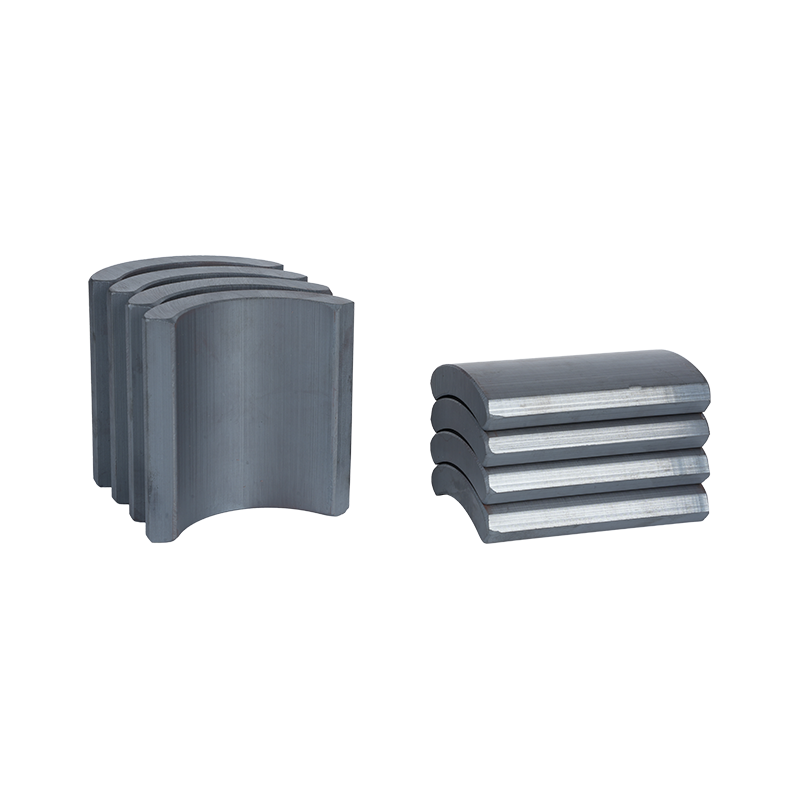
Dong Yang TianQi Magnetic Segment Co.,Ltd.(formerly Shuangyang Magnet Tile) is a professional enterprise specializing in the production of motor magnet tiles
Search by posts
Categories
Popular products
Contact Us
Industry News
 By Admin
How To Choose The Right Ferrite Motor Magnet For Motors
Permanent magnets sit at the heart of many electric motor designs. The magnet supplies the magnetic field that interacts with motor windings to produce motion, and the choice of magnet material tends to shape motor performance, cost, and manufacturability all at once. Ferrite Motor Magnet has stayed a fairly practical choice across a wide range of motor applications over the years.
Ferrite magnets, sometimes called ceramic magnets, are made up of a composite of iron oxide combined with other metallic elements. The material brings several characteristics that suit it well to motor use. It resists corrosion without needing special coatings, unlike some other magnet materials that call for surface protection. It doesn't conduct electricity particularly well either, which helps cut down on eddy current losses inside the motor. The material also holds up reasonably well against demagnetization, which makes it fairly dependable under demanding operating conditions.
The balance between performance and cost has kept ferrite magnets relevant even as rare-earth materials have become more widely available. Rare-earth magnets tend to offer stronger magnetic output, but their cost and supply chain complexity have pushed motor designers toward optimized designs built around ferrite instead. A well-designed motor using ferrite magnets can still reach fairly competitive performance across many applications.
What Key Properties Should Be Considered When Evaluating Ferrite Motor Magnet
Magnetic strength shapes how much torque a motor can produce for a given size. Ferrite magnets tend to generate lower magnetic flux compared with rare-earth alternatives. That reduced output means the motor designer usually needs to compensate somewhere else in the design, whether through a larger motor size or a more refined magnetic circuit geometry.
Temperature tolerance plays a fairly significant role in material selection too. Ferrite magnets can operate at elevated temperatures without losing much in the way of magnetic properties, and they tend to hold their strength better than some other materials as temperatures climb. That stability at higher temperatures makes ferrite a reasonable fit for applications where the motor tends to run hot.
| Property | Ferrite Magnet | What It Means for Motor Design |
|---|---|---|
| Magnetic output | Moderate | Motor may need a larger size or more optimized design |
| Corrosion resistance | Good | No special coatings required |
| Electrical resistance | High | Lower eddy current losses |
| Temperature stability | Good | Performs reasonably well in hot environments |
| Demagnetization resistance | Good | Fairly dependable under harsh conditions |
| Material cost | Low | Attractive for cost-sensitive projects |
Electrical insulation properties come baked into the material's composition itself. Ferrite magnets don't conduct electricity particularly well, which limits how much induced current can flow through them. That reduction in eddy currents tends to contribute to better motor efficiency, especially at higher operating speeds where eddy current losses would otherwise start climbing.
How Do Different Ferrite Magnet Grades Affect Motor Performance
Ferrite magnets come in different grades, each offering somewhat different magnetic properties. The distinction between isotropic and anisotropic types matters quite a bit in motor applications. Isotropic magnets have a fairly random magnetic orientation and tend to produce lower flux, while anisotropic magnets have a preferred direction of magnetization and produce stronger flux along that direction.
Grade selection affects motor output fairly directly. A higher grade magnet tends to produce stronger flux, which lets the motor generate more torque. That stronger magnet can also allow for a more compact motor design, since the required magnetic field becomes achievable within a smaller physical volume.
Operating conditions tend to guide which grade makes sense for a given application. Motors running continuously at higher temperatures tend to benefit from grades built with better temperature stability. Motors that face occasional overload conditions may need grades with higher coercivity to resist demagnetization under stress.
What Role Does Temperature Play in Ferrite Magnet Performance
Heat affects the magnetic properties of ferrite material in a fairly gradual way. As temperature climbs, magnetic flux tends to decrease gradually until it reaches a point where the material loses its magnetic properties almost entirely. That drop in flux ends up affecting motor torque output and efficiency alike.
The operating temperature range for ferrite magnets differs somewhat across grades. Some grades hold stable properties up through moderate temperatures. Others offer better high-temperature performance, though sometimes at the cost of slightly reduced flux at room temperature. Matching the grade to the expected operating temperature tends to help avoid unnecessary performance loss down the line.
Cold conditions bring a different set of considerations into play. Ferrite magnets tend to show reduced output at very low temperatures too. The effect is generally milder than what happens at high temperatures, but it can still affect motor performance in colder environments. The temperature coefficient of the ferrite material determines roughly how much flux shifts as temperature changes in either direction.
How Does Motor Design Influence Ferrite Magnet Selection
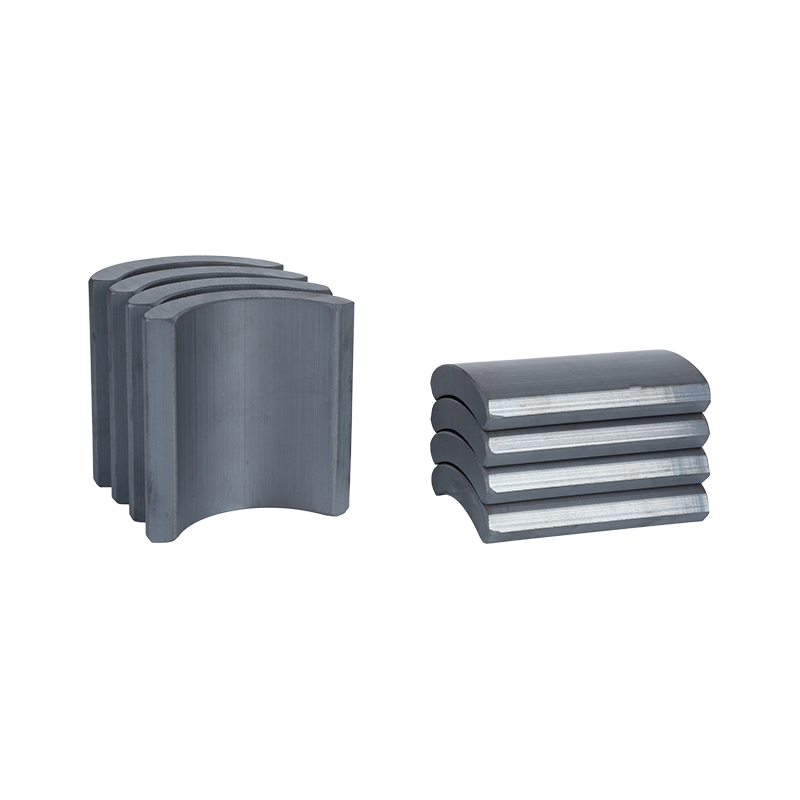
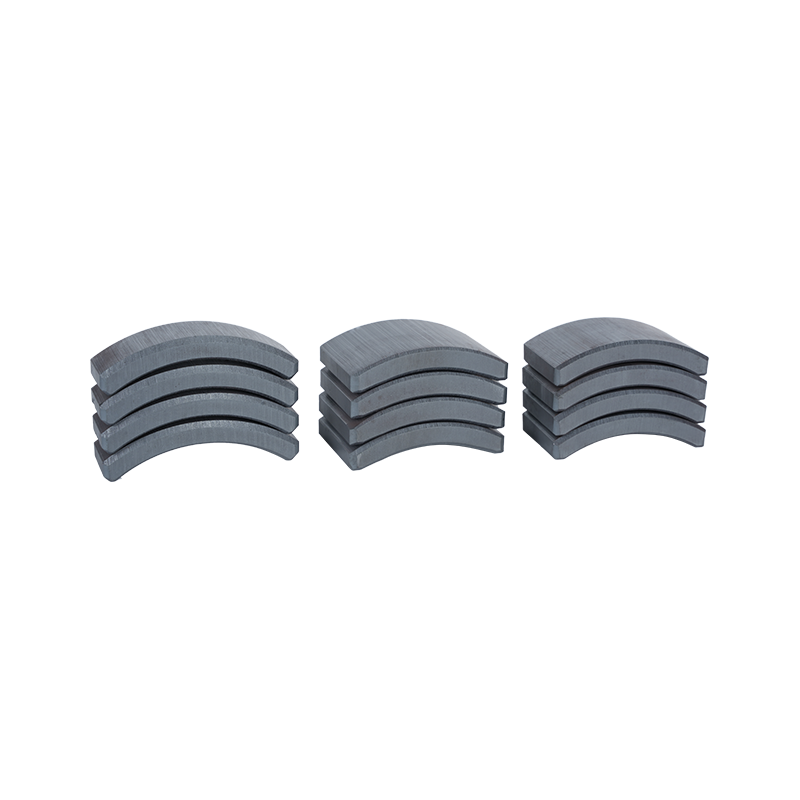
Motor type tends to determine the required magnet shape and orientation. Brushless DC motors typically use arc-shaped segments that fit around the rotor, and permanent magnet synchronous motors often lean on similar segment designs. The magnet shape needs to match the motor geometry fairly closely to provide proper flux distribution throughout.
Magnet placement within the motor shapes performance too. Surface-mounted magnets offer one kind of arrangement, while interior permanent magnet designs place the magnets within the rotor structure itself instead. That placement choice influences the magnetic circuit and the motor's overall output characteristics.
Design considerations like air gap length, flux concentration, and field orientation all play into magnet specifications. A motor designer who understands what ferrite magnets can and can't do tends to be in a better position to optimize the overall design toward the performance they're after. The magnet really functions as one part of a larger system, where each component interacts with the others to shape how the whole motor behaves.
How Should Buyers Assess Ferrite Magnet Suppliers
The relationship with a Ferrite Magnet Supplier tends to shape the overall experience of sourcing magnets for motor production more than people often expect. A supplier that produces fairly consistent material and offers dependable delivery helps support smoother manufacturing operations down the line. One that struggles with quality or delivery can end up creating problems that ripple through motor production.
Manufacturing capabilities deserve a closer look. A supplier with modern production equipment and well-controlled sintering processes tends to produce more consistent material than one relying on older methods. The ability to hold tight dimensional tolerances also matters quite a bit when it comes to motor assembly downstream.
Quality control practices shape how consistently the material actually meets specifications. A supplier that tests incoming raw materials, monitors production parameters, and inspects finished magnets tends to offer more confidence in the product overall. How thorough the testing is, along with how well material can be traced from batch to batch, says a fair bit about the supplier's commitment to quality.
Technical support adds value that goes beyond the material itself. A supplier that understands motor design can offer useful guidance around material selection and application. Experience with similar applications tends to help the motor designer sidestep common pitfalls along the way.
A few points worth weighing when evaluating suppliers:
- Production equipment condition and age
- Quality certification and testing practices
- Technical expertise and application support
- Communication responsiveness and accessibility
What Are the Typical Motor Applications for Ferrite Magnets
Ferrite Motor Magnet shows up across a fairly wide range of motor types. Small motors in appliances, power tools, and automotive systems often rely on ferrite material. The cost advantage over rare-earth magnets makes ferrite a practical choice in applications where the motor needs to be produced at a fairly competitive price point.
Industrial motor applications lean on ferrite magnets too. Pump motors, fan motors, and conveyor drive motors often use ferrite material as well. The operating conditions typical of industrial settings, with steadier loads and continuous operation, tend to work reasonably well with ferrite's characteristics.
High-temperature environments present a particular opportunity for ferrite magnets. The material's stability at elevated temperatures suits applications like automotive cooling fan motors and electric power steering motors fairly well. That temperature resistance helps reduce the risk of demagnetization that might come up with other materials under similar heat.
How Do Supply Chain Considerations Affect Ferrite Magnet Selection
Raw material availability shapes the supply picture for ferrite magnets. The primary components, iron oxide and other metal oxides, come from sources that tend to be fairly widely available. The supply chain for ferrite material tends to stay more stable than that for rare-earth materials, which involve more complex extraction and processing steps along the way.
Production volume plays into unit cost too. A Ferrite Magnet Supplier producing at higher volume can generally offer more competitive pricing. Smaller production runs tend to cost more per magnet, since setup and tooling costs get spread across fewer pieces overall.
A supplier with fairly consistent delivery performance helps the motor manufacturer keep production schedules on track. Unreliable delivery tends to create gaps in magnet supply that can disrupt motor assembly further down the line.
Why Should Designers Look Beyond Raw Magnetic Properties
Raw magnetic flux only tells part of the motor performance story. A designer who focuses solely on magnet strength may end up overlooking other aspects that affect overall motor efficiency and cost. The motor design itself can often compensate for lower magnet output through careful geometry optimization instead.
The trade-off between magnet performance and cost tends to shape practical selection decisions. A motor with a slightly larger frame and a well-optimized magnetic circuit can reach fairly similar performance to a smaller motor built with stronger magnets. The decision really comes down to balancing material cost against other costs across the motor system as a whole.
Design optimization work has shown that ferrite magnets can reach fairly competitive outputs when approached carefully. Attention to the air gap, flux concentration, and winding design can help offset the lower magnet strength relative to rare-earth alternatives. That kind of design approach keeps ferrite a practical choice even in applications where higher-output motors exist as alternatives.
How Does the Ferrite Magnet Supplier Relationship Support Motor Development
A Ferrite Magnet Supplier that gets involved early in the motor development process tends to offer value that goes well beyond just delivering raw material. The supplier's grasp of material characteristics, production capabilities, and design considerations can support the motor designer's work in fairly meaningful ways.
Customization capabilities affect design flexibility quite a bit. A supplier able to produce magnets in custom sizes, shapes, and grades gives the motor designer more room to optimize the magnetic circuit. Customization options also make it easier to adjust the motor design without needing major supplier changes partway through.
Testing and validation support from the supplier helps verify motor performance along the way. A supplier that can provide sample material for testing, assist with performance measurement, and confirm the selected material meets application requirements tends to reduce risk during development.
A reliable supplier relationship tends to pay off over time rather than all at once. Consistent material quality, responsive technical support, and dependable delivery all support the motor manufacturer's production operations in the long run. The value of that relationship tends to extend well past the initial material purchase, shaping how smoothly things run for years afterward.
Recommended products
-
Professional Customized Ferrite Motor Magnetic Tiles
-
Hard Segment Arc Ferrite Magnetic Tiles
-
Anti-Corrosion Ferrite Arc Magnetic Tiles
-
Strong Magnetic Permanent Ferrite Magnetic Tiles
-
Heavy Duty Sintered Ferrite Magnetic Tiles
-
Industrial Magnetic Tiles
-
Electric Motor Magnet Tiles
-
Curved Neodymium Magnet
-
Block Neodymium Magnet
Contact Us

Ever since its establishment, TIANQI has never stopped walking in pursuit of quality.
About Us
Products Links
Contact Information
-

NO.55, Jici Road, Hengdian Town, Dongyang City, Zhejiang Province, China
-

Tel: +86 579-6311101
+86 579-6311106 -

E-mail:[email protected]
Copyright © Dong Yang TianQi Magnetic Segment Co.,Ltd.
Magnetic Tiles Factory
