


 English
 中文简体
中文简体
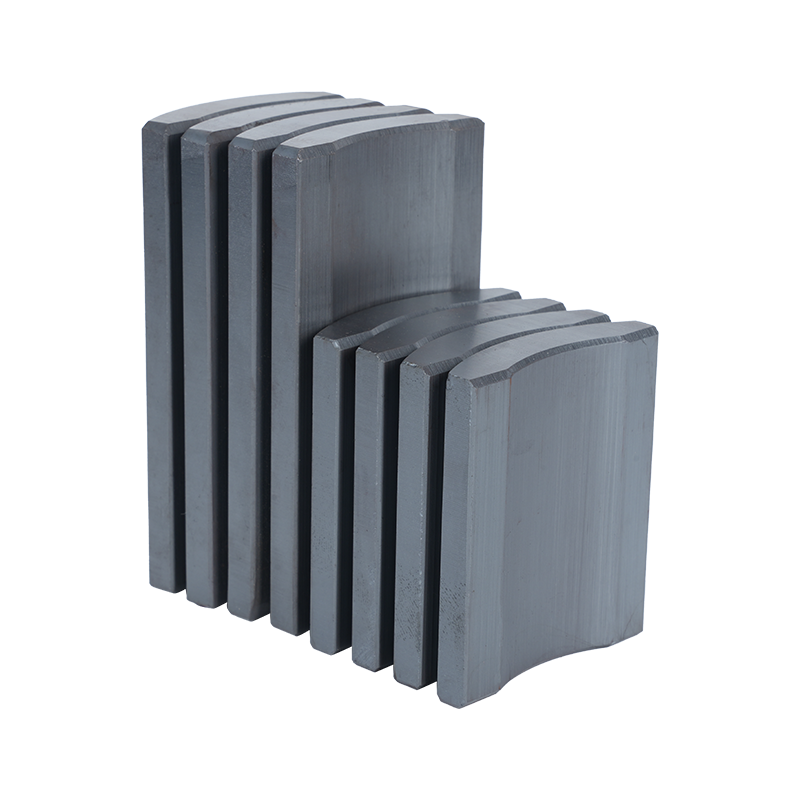
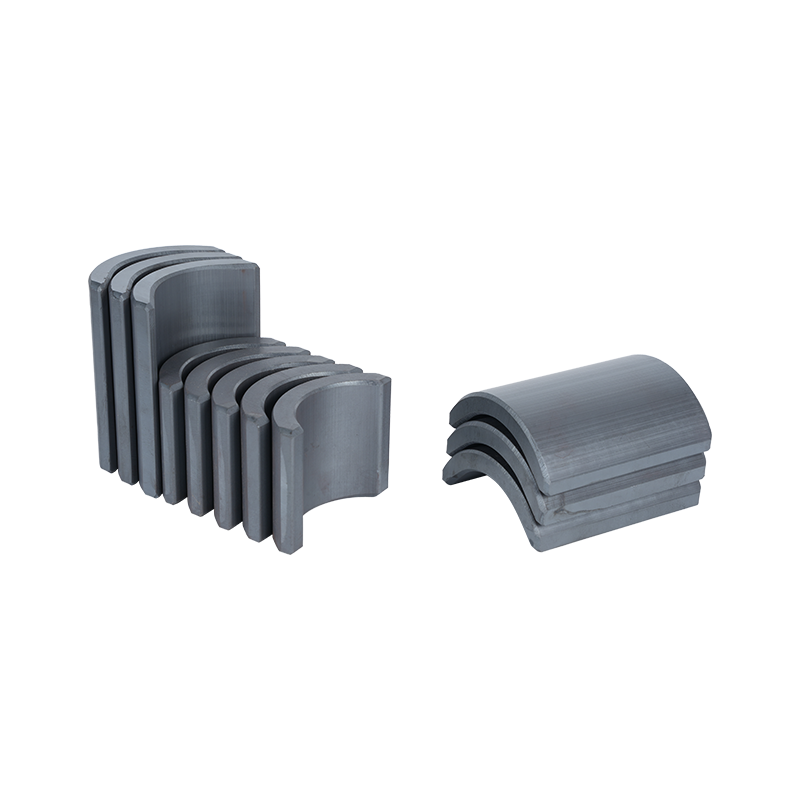
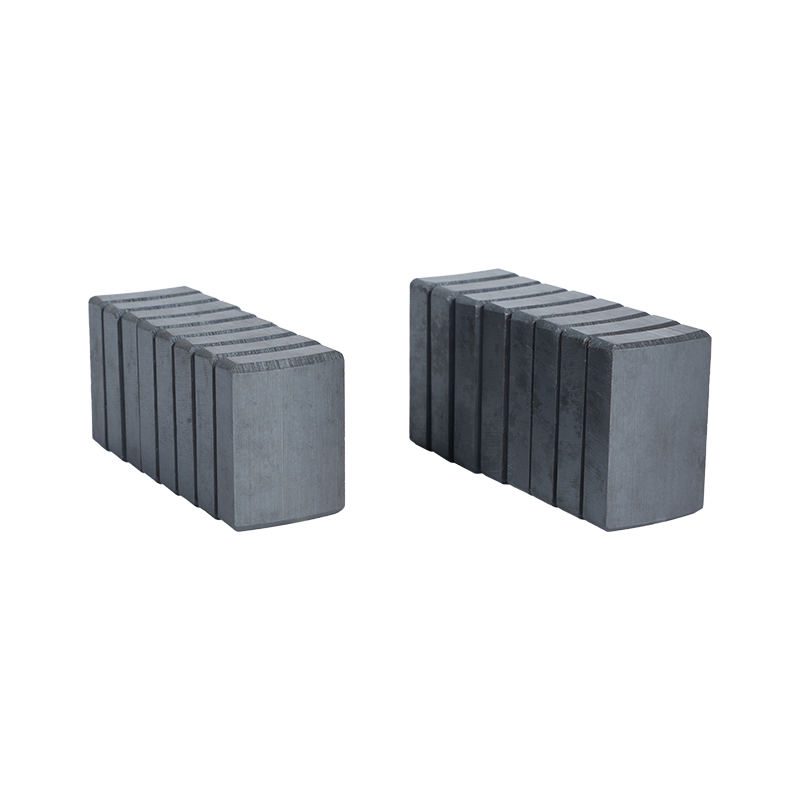
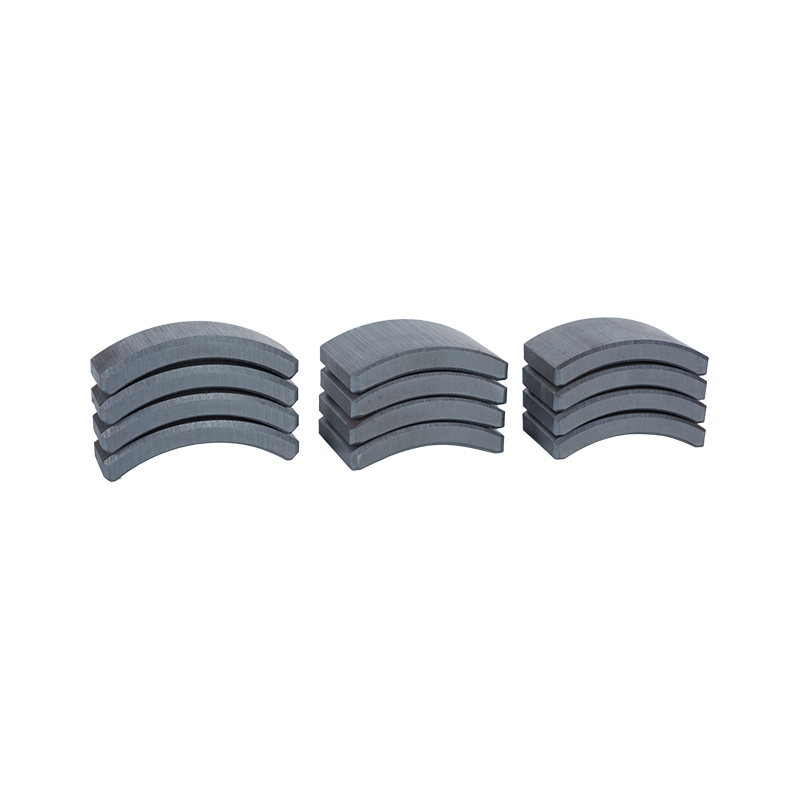
Dong Yang TianQi Magnetic Segment Co.,Ltd.(formerly Shuangyang Magnet Tile) is a professional enterprise specializing in the production of motor magnet tiles
Search by posts
Categories
Popular products
Contact Us
Industry News
 By Admin
Why Do High Quality Neodymium Magnets Require Careful Storage And Handling In Daily Life
Pick up a neodymium magnet and compare it to the simple ceramic magnet that holds notes on the refrigerator. The weight feels different. The pull against a metal surface feels much stronger. Neodymium magnets contain an alloy of neodymium, iron, and boron, formed through a sintering process that creates a dense, hard material. The manufacturing process aligns the magnetic domains in a way that produces a field far stronger than ordinary magnets of the same size.
Strength and brittleness travel together in these magnets. The material holds a powerful magnetic field, but the same properties that give it strength also make it fragile. The sintered structure, like a ceramic material, does not bend or flex under stress. It cracks or shatters. A magnet that can hold many times its own weight against a steel surface can also break into pieces if dropped or allowed to snap against another magnet.
Two characteristics define High Quality Neodymium Magnets. Their magnetic output stands out among permanent magnets. Their mechanical vulnerability demands respect during handling. People who use these magnets regularly learn to treat them with care, not because they are delicate in the usual sense, but because their strength makes them dangerous to themselves and to other objects.
Why Physical Injury Is a Real Concern
The force that pulls two neodymium magnets together can catch anyone off guard. A small magnet, no larger than a coin, can leap from a distance of several inches to snap against another magnet or a steel surface. The speed of the closing gap means fingers caught between them experience significant pressure. The pinch wounds that result sometimes require medical attention.
The risk increases with larger magnets. A magnet the size of a person's palm can break bones if fingers get trapped between it and a steel surface. The force does not give way. The magnets hold their position until someone pries them apart, and that prying action can cause secondary injuries.
A few scenarios present the greatest risk:
- Holding two magnets too close together as they attract
- Handling magnets near steel workbenches or tool surfaces
- Carrying multiple magnets loose in a pocket or bag
- Allowing children to handle magnets without supervision
The injuries from neodymium magnets are not theoretical. Reports of crushed fingers, broken bones, and other injuries appear regularly from workshops, laboratories, and even households where these magnets have found their way into everyday use.
What Happens When Magnets Break or Shatter
A neodymium magnet that breaks does not simply split into two pieces. The brittle material shatters, often sending fragments across the work area. The pieces that come off carry sharp edges, and the force of the break can send them flying at speed. Eye protection becomes necessary when working with magnets that could impact each other.
The force that causes breakage often comes from uncontrolled attraction. A magnet left too close to another magnet or to a steel surface will accelerate across the gap and hit with enough force to chip or crack. Even a drop of a few inches onto a hard floor can break a large magnet. The same drop may not damage a steel or ferrite magnet, but neodymium's brittleness makes it vulnerable.
A magnet with a crack should not continue in use. The structural integrity has been compromised, and the remaining piece may separate further during normal handling. The sharp edges of a broken magnet can cut skin, and the exposed surface corrodes more quickly because the protective coating has been breached.
How Moisture Affects Magnet Longevity
Neodymium magnets corrode when exposed to moisture. The iron content in the alloy reacts with water and oxygen, forming rust that weakens the structure and reduces magnetic output. A magnet that appears solid can develop surface pitting and flaking over time if stored in a humid environment.
Storage conditions determine how long the coating lasts. A magnet kept in a dry environment with low humidity will maintain its appearance and strength for years. A magnet stored in a damp garage or basement may show signs of corrosion within months. The table below summarises common storage conditions and their likely effects.
| Storage Condition | Humidity Level | Expected Coating Life | Corrosion Risk |
|---|---|---|---|
| Climate-controlled room | Below 40% | Extended | Low |
| Garage or shed | 40-60% | Moderate | Moderate |
| Basement or outdoor area | Above 60% | Shortened | High |
| Enclosed with desiccant | Below 30% | Extended | Very low |
Why Heat Permanently Damages Magnetic Performance
The threshold varies with the grade of the magnet. Some grades tolerate higher temperatures than others, but all neodymium magnets have limits. A magnet that gets too hot, perhaps left in a car on a sunny day or placed near a heat source, may never regain its original strength.
The loss of magnetic strength shows up as reduced holding force or diminished pull against steel. The magnet may still appear intact and undamaged, but its performance has declined. The only solution involves replacing the magnet with a new one, which adds unnecessary expense.
What Risks Magnets Pose to Medical Devices
Some people carry devices inside their bodies that keep them alive or monitor their health. Pacemakers regulate heart rhythms. Implantable defibrillators detect dangerous arrhythmias and deliver shocks to restore normal beating. Insulin pumps deliver medication on a schedule. All of these devices contain electronic components that can be affected by magnetic fields.
The magnetic field from a high quality neodymium magnet extends beyond the surface of the magnet itself. The field does not stop at the edges of the magnet. It reaches out into the surrounding space. A pacemaker sitting within that field may interpret the magnetic force as a signal to change its behaviour. Some devices switch to a fixed-rate mode when exposed to a magnetic field. Others simply stop responding until the magnet moves away.
The distance required for safety depends on the strength of the magnet. A small magnet of the kind used for craft projects may only need a few inches of clearance. A larger magnet used in industrial work may require several feet of separation. Anyone with an implanted device who works with or around neodymium magnets should check with their healthcare provider about safe distances.
Medical devices are not the only concern. Magnetic name badges and certain therapeutic devices also contain magnets. A person with an implant might not think about the magnet in a badge or a bracelet. The effect on the implant could be immediate and serious. Awareness of where magnets exist in daily life protects people who depend on implanted devices.
Why Electronic Devices Are Vulnerable to Magnets
Credit cards carry data on magnetic strips. Pass through a metal detector, swipe the card through a reader, or place it near a magnet, and the data can become scrambled. A neodymium magnet held close to a credit card can erase the strip in seconds. The card may still look fine, but it will no longer work at checkout.
Mechanical watches rely on tiny metal parts that move with precise timing. A magnetic field can magnetize those parts, causing them to stick together or move erratically. The watch may run fast, slow, or stop completely. Demagnetizing a watch requires special equipment and often costs more than the value of the watch itself.
Older computer hard drives store data on spinning magnetic platters. A strong magnet held near the drive can corrupt the data or make the drive unreadable. Newer solid-state drives are not affected the same way because they store data using electronic circuits rather than magnetic media, but the concern remains for older equipment.
A short list of items to keep away from neodymium magnets:
- Credit cards and hotel key cards
- Mechanical watches and certain clock movements
- Older hard disk drives and magnetic tapes
- Speakers and headphones (which contain magnets themselves)
- CRT monitors and older televisions
What Storage Practices Protect the Magnets and Their Surroundings
Storing neodymium magnets properly starts with choosing the right container. Wooden boxes work well. Plastic containers are fine. Aluminium boxes with non-magnetic hardware serve the purpose. Steel boxes are unsuitable because the magnet can pull against the walls and become difficult to remove. A steel box also becomes magnetized over time, turning into a hazard itself.
Separating magnets from each other prevents them from snapping together. A piece of plastic, wood, or dense foam placed between stacked magnets keeps them apart. The spacer does not need to be thick. A few millimetres of material provides enough distance to reduce the attractive force to a manageable level.
Labelling the storage container helps anyone who encounters it. A label that reads "Strong Magnets - Handle with Care" warns people who might open the box without knowing what is inside. The label should also indicate the approximate strength or size of the magnets so someone handling them knows what to expect.
Controlling the storage environment protects the magnets from corrosion. A cool, dry location with stable temperature works best. Adding a desiccant pack to the storage container absorbs moisture that might otherwise cause rust. Checking the desiccant periodically and replacing it when saturated keeps the storage environment dry.
What Handling Precautions Minimize Injury Risk
A person who handles neodymium magnets regularly develops a set of habits that reduces risk. Wearing gloves protects the hands from pinching. Safety glasses or goggles protect the eyes from flying fragments. A clean, uncluttered work surface with no loose steel objects keeps the magnets from attracting things unexpectedly.
Sliding magnets apart works better than pulling them straight apart. The sliding motion breaks the magnetic attraction gradually. Pulling straight apart requires sudden force, and when the magnets finally separate, they can fly across the room. The controlled movement of sliding reduces the risk of injury and damage.
A few points to remember during handling:
- Keep magnets away from children and pets
- Work with one magnet at a time when possible
- Store magnets in pairs with spacers between them
- Move slowly and deliberately when handling larger magnets
Why Daily Habits Matter for Magnet Safety
A person who handles a neodymium magnet once, carefully, may not need to worry about injury. A person who handles magnets every day needs good habits. The cumulative effect of careful storage and handling shows up as fewer accidents, less property damage, and longer magnet life.
Education and awareness reduce accidents. A coworker who knows the risks of neodymium magnets handles them differently from one who does not. A family member who understands why magnets stay in their storage box respects the warning. The spread of knowledge through households and workplaces prevents injuries before they happen.
The cost of replacing damaged magnets adds up over time. A magnet that chips or shatters must be replaced. A magnet that gets demagnetized by heat must be replaced. A magnet that corrodes beyond use must be replaced. Each replacement costs money, and the loss of the original magnet affects whatever project or process depended on it.
Making safe practices part of daily routine protects people and property. The extra seconds spent placing a magnet in its storage box, sliding it apart from another magnet, or keeping it away from electronics become automatic with repetition. The practices become habit, and habit prevents accidents.
Recommended products
-
Professional Customized Ferrite Motor Magnetic Tiles
-
Hard Segment Arc Ferrite Magnetic Tiles
-
Anti-Corrosion Ferrite Arc Magnetic Tiles
-
Strong Magnetic Permanent Ferrite Magnetic Tiles
-
Heavy Duty Sintered Ferrite Magnetic Tiles
-
Industrial Magnetic Tiles
-
Electric Motor Magnet Tiles
-
Curved Neodymium Magnet
-
Block Neodymium Magnet
Contact Us

Ever since its establishment, TIANQI has never stopped walking in pursuit of quality.
About Us
Products Links
Contact Information
-

NO.55, Jici Road, Hengdian Town, Dongyang City, Zhejiang Province, China
-

Tel: +86 579-6311101
+86 579-6311106 -

E-mail:[email protected]
Copyright © Dong Yang TianQi Magnetic Segment Co.,Ltd.
Magnetic Tiles Factory
