


 English
 中文简体
中文简体
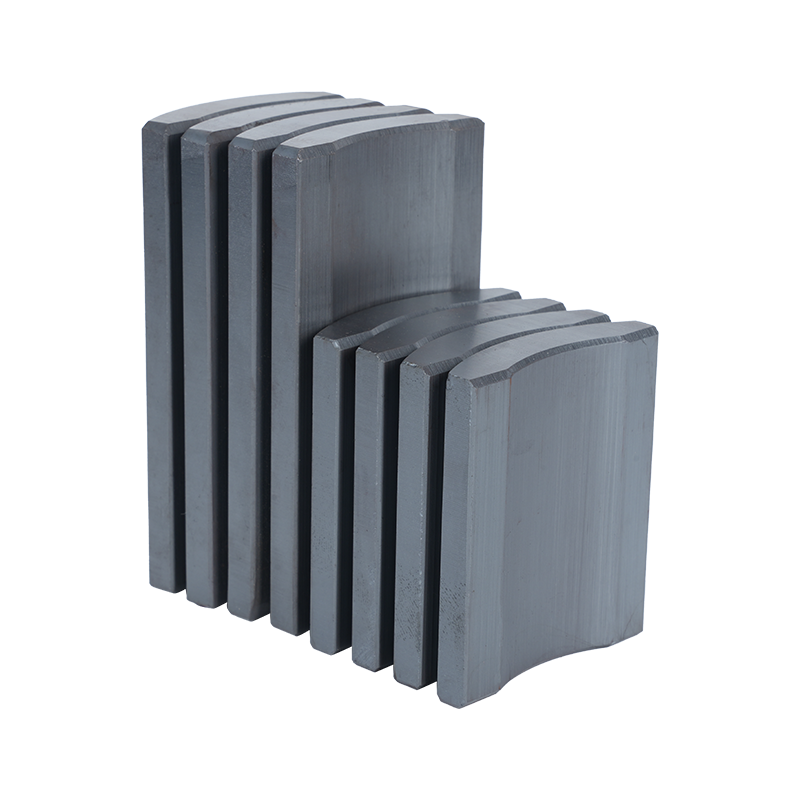
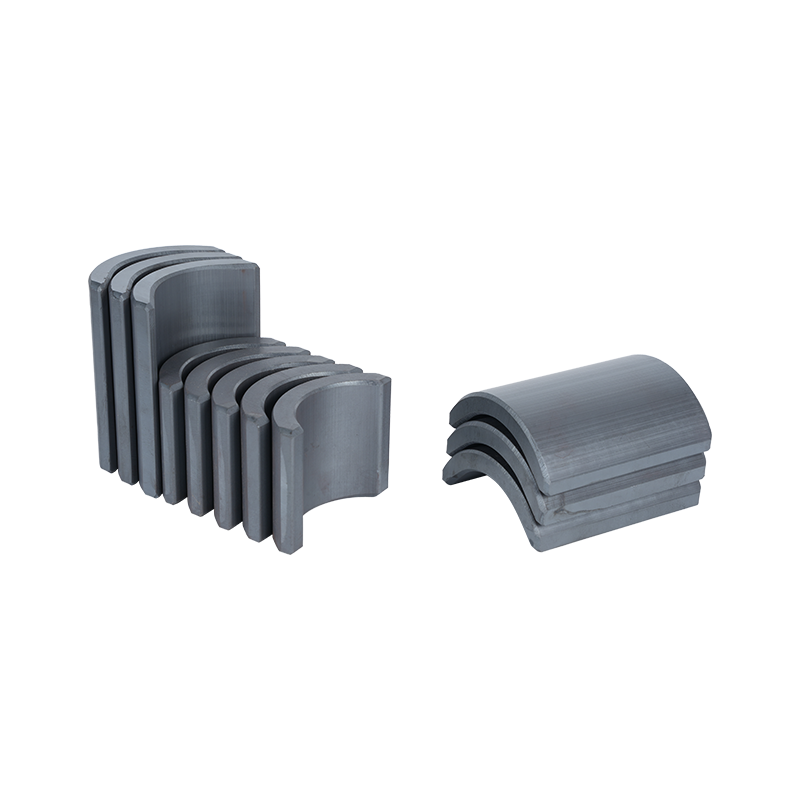
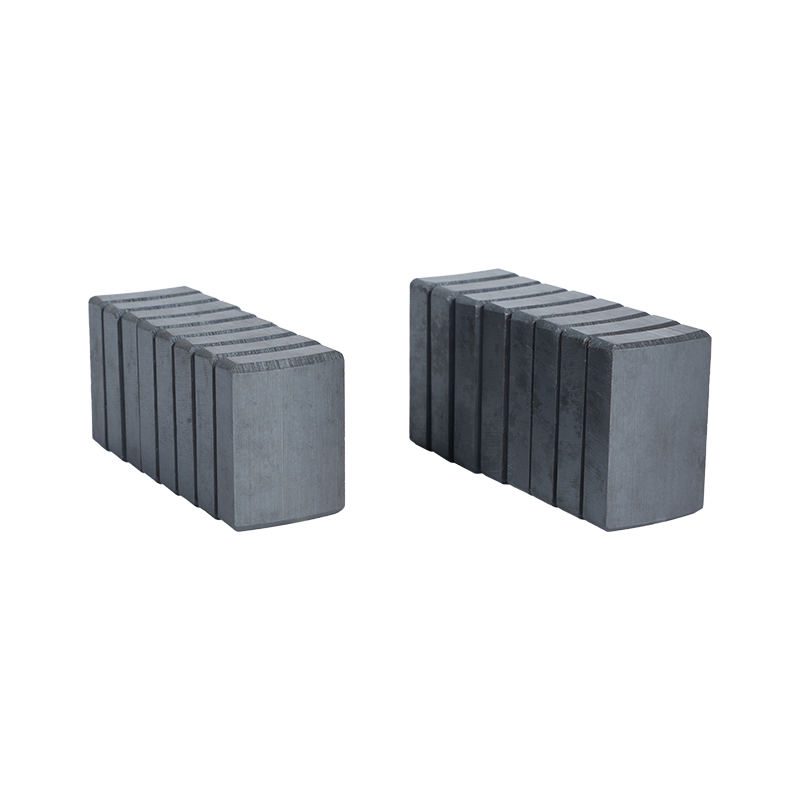
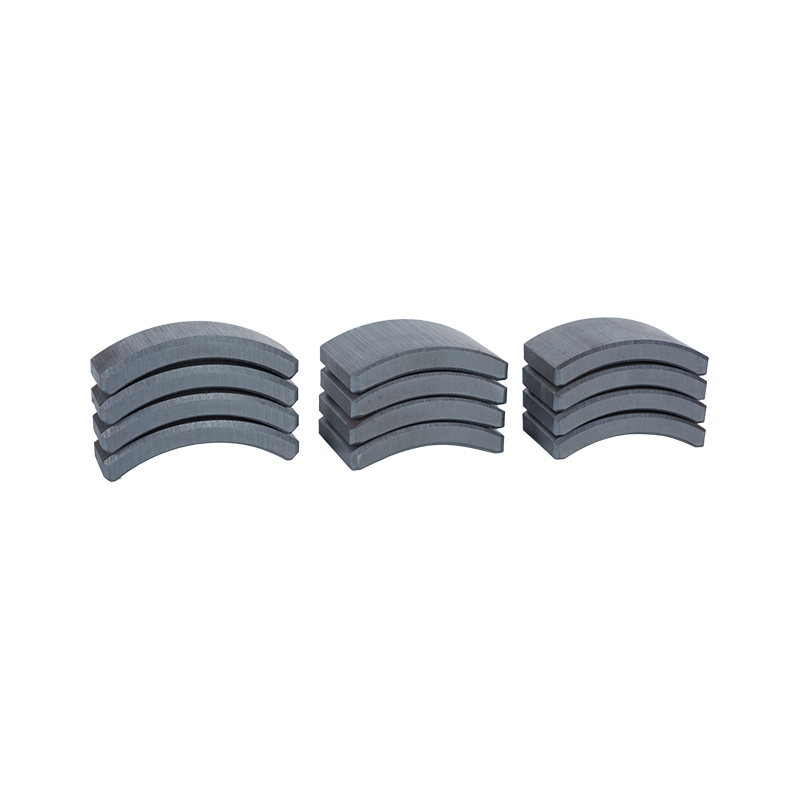
Dong Yang TianQi Magnetic Segment Co.,Ltd.(formerly Shuangyang Magnet Tile) is a professional enterprise specializing in the production of motor magnet tiles
Search by posts
Categories
Popular products
Contact Us
Industry News
 By Admin
What Should Be Considered When Choosing High Quality
Magnetic parts used in real projects often look small, yet their behavior affects how stable a structure holds or moves. In daily applications, magnets are used for positioning, locking, sensing support, or simple attachment tasks where mechanical fastening may feel too rigid.
High Quality Neodymium Magnets usually provide strong attraction in compact size, which makes them suitable for limited installation space. In real use, performance is not only about how strong pull feels, but also about how stable that pull remains after repeated contact and separation.
When magnetic strength changes too easily, holding position becomes less predictable. In assembly work or light mechanical structures, that variation can help to slight shifting over time. Stability of attraction matters as much as strength itself.
How Material Composition Affects Magnetic Behavior
Inside magnetic material, internal structure decides how magnetic field behaves during use. Small differences in composition may not be visible, yet they influence how consistent attraction feels in real conditions.
Some magnets maintain steady response even after repeated use, while others may show gradual reduction in holding stability when exposed to stress or external environment changes. That difference often comes from how material particles are arranged during formation.
In practical selection work, attention is often given to:
- Stability of magnetic response under load
- Consistency across multiple pieces in same batch
- Reaction to minor temperature variation
- Internal structure uniformity
High Quality Neodymium Magnets tend to show more stable behavior when composition is balanced, especially in projects where movement or vibration is present during operation.
Why Coating and Surface Protection Matter in Daily Use
Magnetic material on its own can react with surrounding air and moisture over time. Surface protection layer helps reduce direct exposure, which supports longer stable use in different environments.
In real conditions, magnets may be placed in indoor systems, semi-open equipment, or environments where humidity changes slightly during operation. Without surface protection, outer layer may slowly degrade, which affects appearance and sometimes performance stability.
Common coating-related considerations include:
- Resistance against surface oxidation
- Smoothness for mechanical installation
- Compatibility with surrounding materials
- Stability under repeated handling
Surface condition also influences how easily magnet can be installed or removed. A smoother coating reduces friction during placement, especially in tight assembly spaces.
How Size and Shape Selection Influences Design Integration
Magnet shape is not only about appearance, it directly affects how magnetic field spreads across surrounding area. A small change in geometry can shift how attraction behaves when used inside structure.
Round shapes often create more uniform field distribution, while block shapes may provide stronger directional hold depending on orientation. Matching shape with installation space helps reduce stress on surrounding structure.
In real project design, selection often depends on:
- Available installation space
- Direction of required holding force
- Contact surface area between components
- Stability under vibration or movement
| Shape Type | Field Behavior | Practical Use Effect |
|---|---|---|
| Round form | Even distribution | Stable positioning |
| Block form | Direction focused | Strong directional hold |
| Ring form | Central balance | Guided alignment use |
| Thin plate | Surface spread | Light attachment tasks |
High Quality Neodymium Magnets in different shapes behave differently under same load, so matching form with application often matters more than size alone.
What Temperature Resistance Means for Stable Operation
Temperature changes influence magnetic strength in a gradual way. In some environments, heat exposure may reduce attraction slightly, while cooling conditions may restore part of original behavior. That variation depends on material structure and working condition.
In practical projects, magnets may sit near motors, electronic modules, or mechanical systems where temperature is not always stable. When heat level rises for long periods, holding force may slowly shift, which affects positioning accuracy.
Important temperature-related considerations include:
- Stability under continuous heat exposure
- Recovery behavior after cooling period
- Consistency during repeated temperature cycles
- Suitability for nearby equipment environment
High Quality Neodymium Magnets used in stable environments tend to show more predictable behavior across these changes, especially when temperature variation remains within moderate range.
How Magnetic Direction and Alignment Affect Functionality
Magnetic force does not act evenly in all directions. Polarity alignment decides how attraction works between two surfaces. If alignment is not correct during installation, holding strength may feel weaker than expected even when magnet itself is strong.
In real assembly work, correct orientation often matters more than size increase. Misalignment can create partial contact, reducing effective holding area and causing uneven load distribution.
Practical alignment factors include:
- Correct pole direction during installation
- Matching surfaces for full contact
- Avoiding rotation mismatch in assembly
- Ensuring stable fixed orientation after placement
When alignment stays consistent, High Quality Neodymium Magnets perform in a more stable way, especially in systems where repeated attachment and release occur.
How Environmental Conditions Influence Magnetic Lifespan
In real usage, magnets rarely stay in a controlled space. Air humidity shifts during daily cycles, dust slowly settles on exposed surfaces, and nearby equipment may release tiny particles during operation. Each change is small on its own, yet over time these factors begin to influence surface condition and contact stability.
When that layer stays intact, internal material remains protected. Once micro scratches or wear appear, exposure becomes easier, and surface reaction may start to change gradually. In some installations, magnets sit inside enclosed housings, which slows down this process. In more open environments, changes appear sooner because contact with air and particles is more frequent.
Typical environmental influences seen in practice include:
- Moisture collecting around mounting edges
- Dust settling on contact or alignment areas
- Temperature shifting during repeated operation cycles
- Surface contact with mixed materials during movement
High Quality Neodymium Magnets tend to show more stable behavior when surroundings remain steady and coating protection is not disturbed during installation or use.
Why Mechanical Strength and Brittleness Should Be Evaluated
Magnetic force can be strong, yet mechanical structure may behave in a different way. Some magnets handle attraction load well, while still being sensitive to impact or uneven pressure at edges. This difference becomes more visible during installation rather than final operation.
In practical work, magnets often go through repeated positioning before final fixing. They may be placed into narrow slots, adjusted for alignment, or removed and reinstalled several times. Each of these actions adds small mechanical stress that may not be noticeable immediately.
Common handling situations include:
- Slight drop during manual placement
- Pressure from tight fitting spaces
- Repositioning during alignment correction
- Contact with rigid surrounding components
| Handling Situation | Material Reaction | Practical Outcome |
|---|---|---|
| Gentle placement | Stable structure | Consistent function |
| Repeated adjustment | Edge wear appears | Reduced stability over time |
| Tight installation | Local stress points | Possible micro damage |
| Accidental impact | Surface chipping | Performance drop risk |
High Quality Neodymium Magnets often require careful handling because physical integrity directly supports magnetic performance during long use.
How Application Requirements Shape Selection Process
Magnet selection in real projects rarely follows a single direction. Each application brings different expectations. Some systems need steady holding in fixed position, others require repeated attachment cycles without noticeable change in force behavior.
Space also plays a strong role. Compact assemblies limit shape options, while open structures allow more flexibility in geometry. Movement conditions such as vibration or directional load also change what kind of balance is needed between strength and control.
Practical selection points often include:
- Load level during actual operation
- Space limitation inside assembly structure
- Movement or vibration during working cycle
- Required balance between holding force and flexibility
High Quality Neodymium Magnets are usually chosen after comparing how different shapes behave inside real structures, not only based on nominal strength values.
How Supply Consistency and Quality Control Affect Project Stability
Even when magnets look identical, small differences in production can influence real performance. When multiple pieces are used in one system, variation in strength or surface condition may create uneven force distribution.
At early stage, such variation may not be obvious. After repeated use, differences in holding behavior can help to slight misalignment or uneven load across contact points. In more sensitive assemblies, that can affect overall stability of the structure.
Key consistency-related factors include:
- Uniform magnetic response across batches
- Stable coating quality on all pieces
- Accurate dimensional matching for installation
- Predictable behavior during repeated cycles
High Quality Neodymium Magnets with stable production consistency usually integrate more smoothly into systems where multiple contact points must work in balance.
How High Quality Neodymium Magnets Fit Long Term Project Needs
Over longer use periods, magnets are exposed to a mix of mechanical load, environmental change, and repeated handling. Even small variations in temperature, movement, or surface contact slowly influence performance behavior.
Long term stability is often measured by how little change appears during repeated cycles. When attraction remains steady and surface condition stays consistent, system maintenance becomes easier and overall structure behaves more predictably.
Important long term aspects include:
- Stable attraction across repeated use
- Resistance to gradual surface change
- Mechanical stability during handling and installation
- Compatibility with surrounding structure materials
When these conditions stay balanced, High Quality Neodymium Magnets can remain reliable in different project environments without frequent adjustment or replacement.
Recommended products
-
Professional Customized Ferrite Motor Magnetic Tiles
-
Hard Segment Arc Ferrite Magnetic Tiles
-
Anti-Corrosion Ferrite Arc Magnetic Tiles
-
Strong Magnetic Permanent Ferrite Magnetic Tiles
-
Heavy Duty Sintered Ferrite Magnetic Tiles
-
Industrial Magnetic Tiles
-
Electric Motor Magnet Tiles
-
Curved Neodymium Magnet
-
Block Neodymium Magnet
Contact Us

Ever since its establishment, TIANQI has never stopped walking in pursuit of quality.
About Us
Products Links
Contact Information
-

NO.55, Jici Road, Hengdian Town, Dongyang City, Zhejiang Province, China
-

Tel: +86 579-6311101
+86 579-6311106 -

E-mail:[email protected]
Copyright © Dong Yang TianQi Magnetic Segment Co.,Ltd.
Magnetic Tiles Factory
