


 English
 中文简体
中文简体
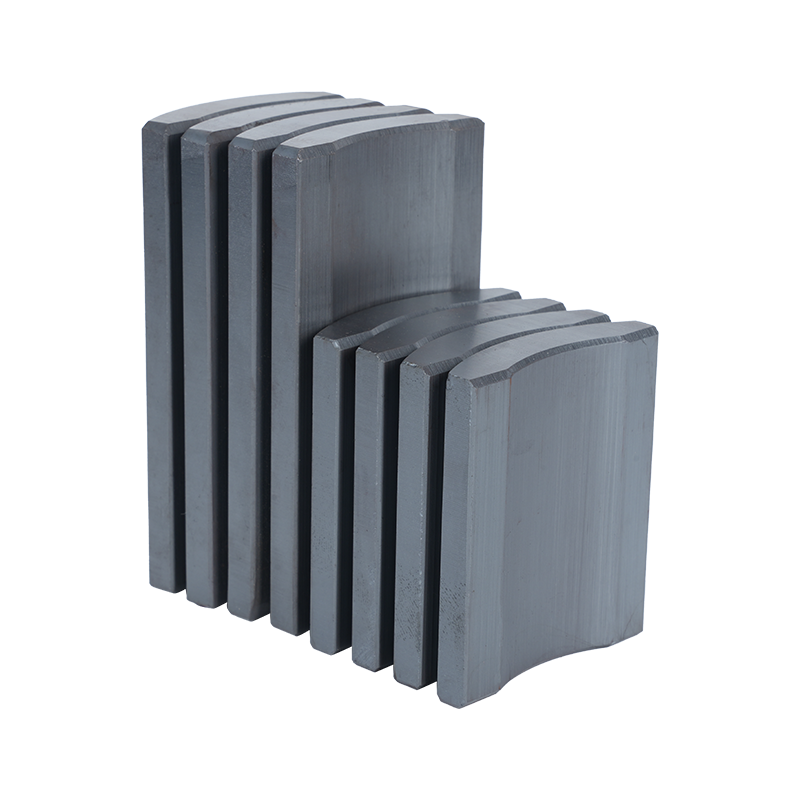
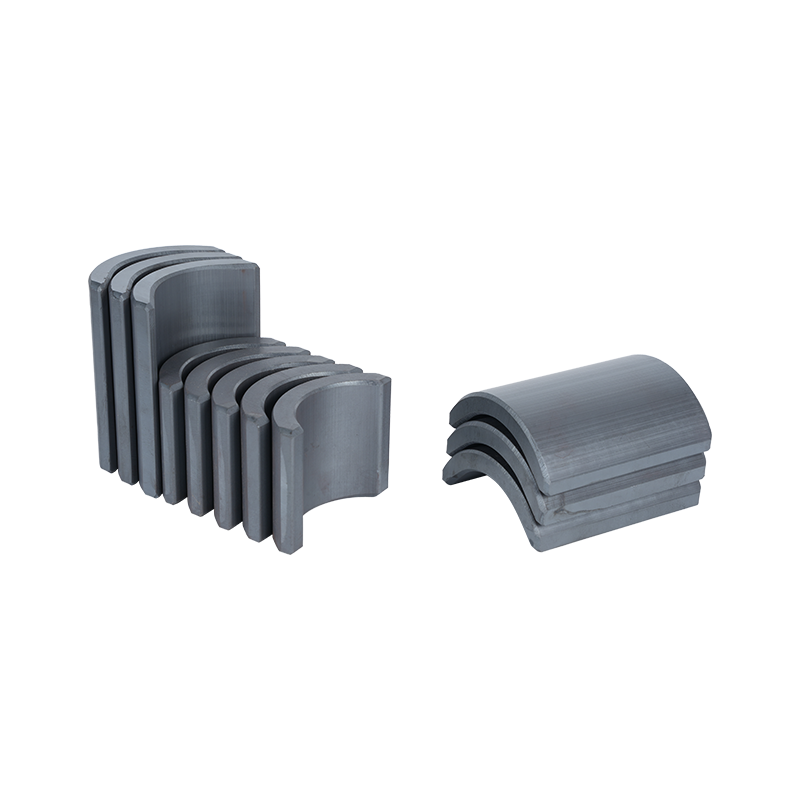
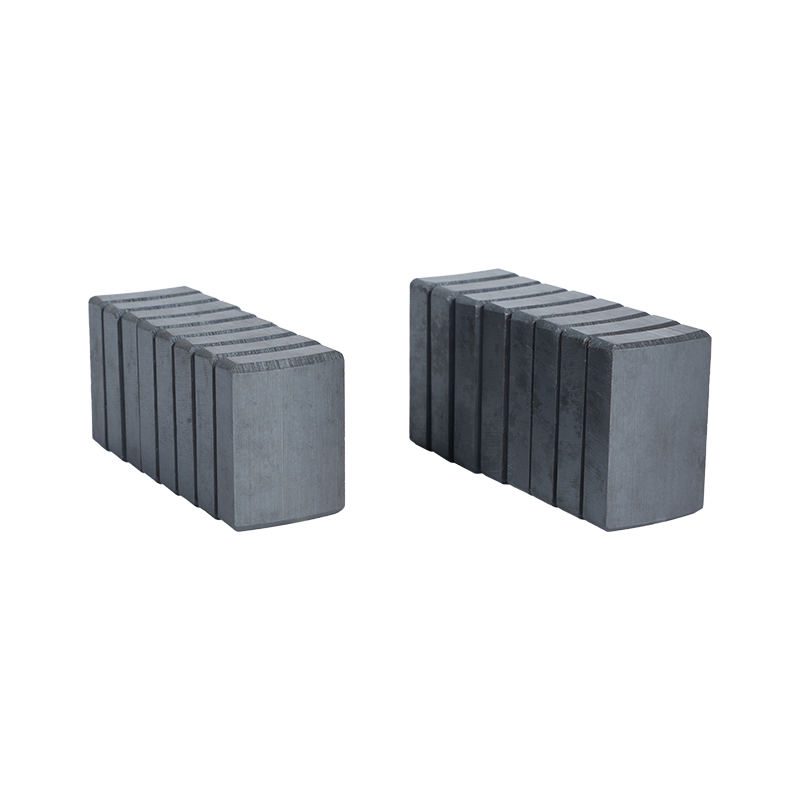
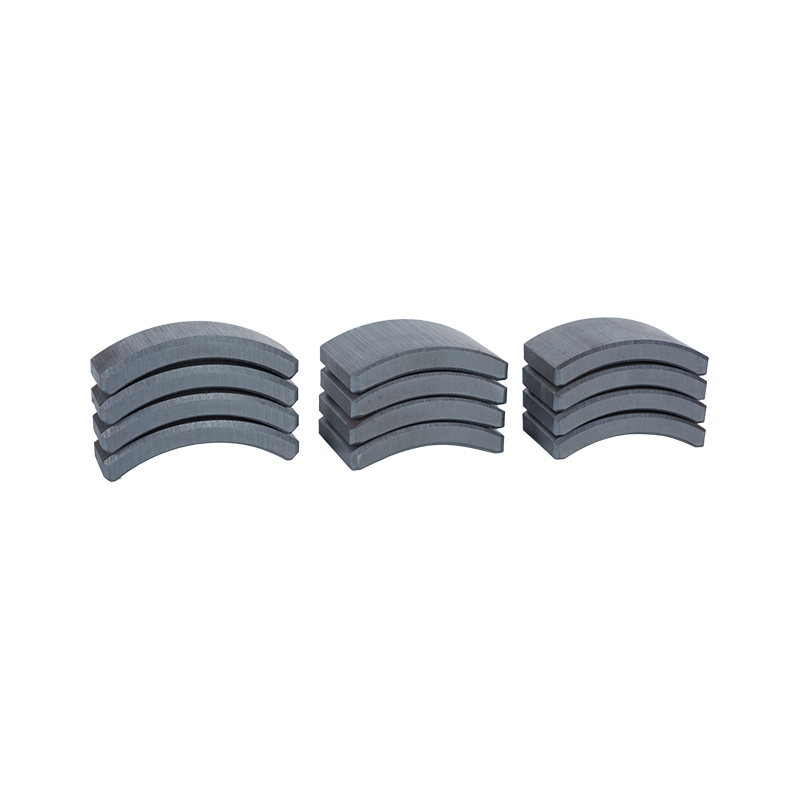
Dong Yang TianQi Magnetic Segment Co.,Ltd.(formerly Shuangyang Magnet Tile) is a professional enterprise specializing in the production of motor magnet tiles
Search by posts
Categories
Popular products
Contact Us
Industry News
 By Admin
Which Thin Neodymium Magnet Works For Electronics Design
Electronic products continue moving toward smaller structures while carrying more functions inside limited space. Every component must fit into a compact layout without creating unnecessary weight or taking away room needed for other parts. A Thin Neodymium Magnet fits naturally into that direction because it provides magnetic force while occupying only a small portion of the internal structure.
Design engineers often face a common challenge during product development. Internal space is limited, yet different parts still need reliable positioning, attachment, or movement. A magnetic component allows one part to interact with another without adding complicated mechanical structures. A thinner profile gives designers more flexibility when arranging batteries, circuit boards, housings, and movable covers.
Another reason comes from product appearance. Modern electronic devices usually follow a clean and simple design. Large fastening parts may increase thickness or limit shape options. A thin magnetic component allows the product to remain compact while supporting opening, closing, or positioning functions.
Daily life offers many examples. A small electronic cover that closes smoothly, a removable accessory that stays in place, or a compact charging case often relies on carefully arranged magnetic parts hidden inside the housing. Users rarely notice them, yet they influence how the product feels during normal use.
As electronic structures become more integrated, every internal component has to work together without occupying unnecessary space. A thin magnetic solution supports that balance by allowing designers to use available space more efficiently.
How Does Thin Neodymium Magnet Influence Electronics Structure
Product structure is not only about fitting components into a housing. It also concerns how every part interacts after assembly. A Thin Neodymium Magnet affects both mechanical layout and functional design.
One obvious advantage comes from installation flexibility. Since the magnet occupies only a limited thickness, designers gain more freedom when arranging nearby components. Small adjustments in layout become easier because magnetic parts require less structural space than many traditional fastening methods.
Weight distribution also becomes easier to manage. Electronic products designed for daily carrying often aim to avoid unnecessary mass concentrated in one position. A thinner magnetic component helps maintain a balanced internal layout without adding large structural features.
Assembly efficiency is another consideration. During manufacturing, components that naturally align through magnetic attraction can simplify positioning steps. Workers spend less time correcting alignment because the parts guide themselves into place once they approach each other.
Magnetic positioning also reduces direct mechanical contact in some applications. Instead of relying entirely on hooks or clips that experience repeated wear, magnetic attraction provides a gentle holding force. As a result, opening and closing actions often remain smoother over long periods.
Good structural design usually comes from many small improvements rather than one major change. A compact magnetic component supports that idea by helping different parts work together inside a limited space.
What Factors Should Be Considered When Selecting Thin Neodymium Magnet
Choosing a Thin Neodymium Magnet involves more than selecting a suitable size. Every electronic product has its own structural limitations, movement requirements, and environmental conditions. Selection should match the actual design rather than following one general solution.
Installation space usually becomes the starting point. Engineers often determine how much room remains after other major components have been arranged. Magnet dimensions should fit naturally into that remaining space without forcing unnecessary design changes.
Shape also influences installation. Round, rectangular, and ring forms each suit different structural layouts. A product using a rotating part may require one shape, while a removable cover may work better with another. The surrounding structure often determines which form creates the simplest assembly.
Surface protection deserves attention as well. Electronic products may experience daily contact with moisture, dust, or repeated handling. A suitable protective coating helps preserve the outer surface and reduces gradual environmental influence during normal use.
Magnetic strength should also match the intended function. Excessive attraction may make a removable part difficult to separate, while insufficient holding force may reduce positioning stability. A balanced choice usually creates a better user experience.
| Selection Factor | Design Consideration | Purpose |
|---|---|---|
| Thickness | Available installation space | Support compact product layout |
| Shape | Structural compatibility | Simplify assembly design |
| Surface Finish | Daily environmental exposure | Maintain surface condition |
| Magnetic Force | Functional requirement | Keep movement and positioning stable |
Looking at the product as a complete system often produces better decisions than focusing on a single component.
How Does Installation Method Affect Thin Neodymium Magnet Performance
Even a carefully selected magnet may not perform as expected when installation receives too little attention. Position, contact surface, and fixing method all influence long-term stability.
A clean mounting surface creates a stronger connection between the magnet and its supporting structure. Dust, oil, or small particles may reduce bonding quality and gradually weaken attachment during repeated use.
Position accuracy is equally important. A slight offset may seem insignificant during assembly, yet magnetic force changes with distance and alignment. Keeping paired magnets in their intended positions helps maintain smooth operation throughout the product's service life.
Different products use different installation methods depending on their structure. Some magnets are fixed inside molded parts, while others are bonded after separate components have been produced. Each approach should match the surrounding material and expected movement.
Another practical point concerns impact during assembly. Thin magnetic parts should be handled carefully to avoid unnecessary edge damage. Gentle placement usually protects both the magnet and nearby components.
Careful installation allows the magnetic system to work as intended without requiring complicated adjustments later in the production process.
Where Is Thin Neodymium Magnet Commonly Used In Electronic Products
Many electronic products contain magnetic parts that cannot be seen after assembly. They stay inside the housing and quietly support daily operation. A Thin Neodymium Magnet often serves one simple purpose. It holds, positions, or connects parts while taking very little room inside the product.
Portable devices provide an easy example. Covers that close gently, removable accessories, and charging cases often depend on magnetic attraction instead of large mechanical locks. A thinner magnet leaves more room for batteries, connectors, or other internal parts.
Small audio equipment follows a similar idea. Designers usually try to keep the outer shape compact while arranging many parts inside a limited space. Magnetic positioning allows different pieces to stay together without adding bulky structures.
Household electronic products also benefit from compact magnetic assemblies. Protective covers, removable panels, and small access doors often need to open smoothly and return to the same position after every use. Magnetic attraction helps create that movement without making the internal structure unnecessarily complex.
Some electronic control devices use magnets as part of their operating mechanism. Stable positioning supports repeatable movement, especially where parts move back and forth many times during normal use.
Although every product has a different internal layout, the design goal is often similar. The magnetic component should fit naturally into the structure without creating extra design difficulty.
How Does Material Matching Influence Long Term Stability
A magnet becomes part of a larger assembly after installation. Plastic housings, metal supports, adhesive layers, and protective coatings all work together around it. Long-term stability depends on how well those materials cooperate rather than on the magnet alone.
Plastic and metal respond differently during daily use. Small temperature changes may cause slight movement inside the structure. When surrounding materials expand or contract at different rates, stress may slowly build around the mounting position. A design that considers material compatibility from the beginning usually remains more stable over time.
Adhesive selection also deserves careful thought. The bonding material should match both the magnet surface and the surrounding structure. A stable connection helps prevent gradual movement after repeated opening, closing, or vibration.
Surface protection has a practical purpose as well. Electronic products often face dust, moisture, and frequent handling. A suitable protective finish helps reduce direct exposure and keeps the outer surface in good condition during normal use.
Small details often influence long service life more than large design changes. A well-matched combination of materials allows every component to support the others throughout regular operation.
How Do Neodymium Magnet Factory Production Processes Support Product Consistency
A finished magnet reflects many manufacturing steps rather than a single process. A Neodymium Magnet Factory pays attention to each stage because consistency during production makes later assembly much easier.
Material preparation is one of the starting points. Stable processing helps keep dimensions more uniform from one production batch to another. Components that remain close in size fit into electronic products with fewer installation adjustments.
Processing accuracy also affects assembly. Thin magnets are often installed inside narrow spaces where only limited clearance is available. Keeping dimensions consistent helps reduce fitting problems during production.
Surface treatment protects the outer layer during transportation and handling. A clean finish also supports bonding when the magnet is fixed inside a product.
Before shipment, routine inspection usually checks several practical areas.
- overall dimensions remain consistent
- surface condition is clean
- edges show no visible damage
- appearance remains uniform
For many product manufacturers, steady quality simplifies assembly because every magnetic component behaves much like the previous one.
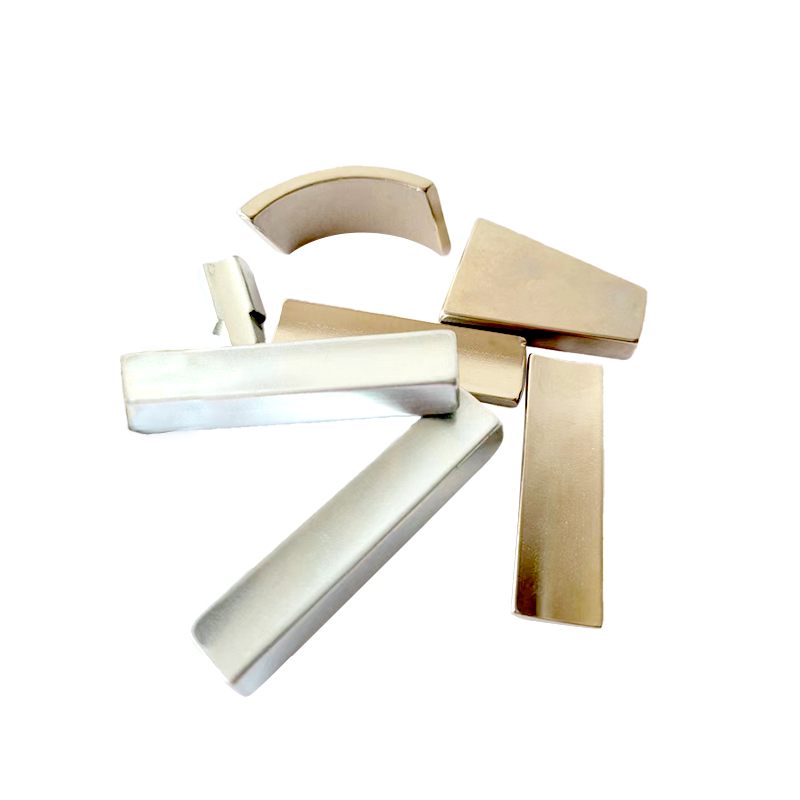
What Daily Handling Practices Help Protect Thin Neodymium Magnet
Handling begins before installation starts. Even though magnetic parts appear solid, unnecessary impact can damage corners or affect the protective surface.
Storage should remain clean and orderly. Components placed loosely together may attract one another, increasing the chance of scratches during separation. Keeping magnets arranged in an organized way helps reduce accidental contact.
Clean mounting surfaces are equally important. Dust or oil between the magnet and its installation position may influence bonding quality or seating accuracy. A few moments spent cleaning often help avoid unnecessary rework later.
Several simple habits support everyday handling.
- Keep magnets separated before use.
- Avoid dropping or striking magnetic parts.
- Clean the mounting area before installation.
- Return unused components to proper storage.
None of these actions is complicated, yet together they help maintain stable product condition from storage through final assembly.
How Does Thin Neodymium Magnet Support Future Electronics Development
Electronic products continue moving toward smaller internal structures where every millimeter of space becomes valuable. Magnetic components are expected to follow the same direction, providing practical functions while fitting naturally into compact layouts.
Product designers also pay closer attention to assembly efficiency. Components that install easily reduce unnecessary adjustments during production. Thin magnetic parts fit many structural designs without requiring large fastening features, making internal layouts easier to organize.
Cooperation between design teams and a Neodymium Magnet Factory also becomes more valuable during product development. Early discussion about installation space, shape, and assembly method helps magnetic components match the overall structure before production begins.
As electronic products continue changing, compact magnetic components will remain closely connected with practical structural design, steady assembly, and everyday product reliability. Their value comes from fitting naturally into the product instead of drawing attention to themselves.
Recommended products
-
Professional Customized Ferrite Motor Magnetic Tiles
-
Hard Segment Arc Ferrite Magnetic Tiles
-
Anti-Corrosion Ferrite Arc Magnetic Tiles
-
Strong Magnetic Permanent Ferrite Magnetic Tiles
-
Heavy Duty Sintered Ferrite Magnetic Tiles
-
Industrial Magnetic Tiles
-
Electric Motor Magnet Tiles
-
Curved Neodymium Magnet
-
Block Neodymium Magnet
Contact Us

Ever since its establishment, TIANQI has never stopped walking in pursuit of quality.
About Us
Products Links
Contact Information
-

NO.55, Jici Road, Hengdian Town, Dongyang City, Zhejiang Province, China
-

Tel: +86 579-6311101
+86 579-6311106 -

E-mail:[email protected]
Copyright © Dong Yang TianQi Magnetic Segment Co.,Ltd.
Magnetic Tiles Factory
