


 English
 中文简体
中文简体
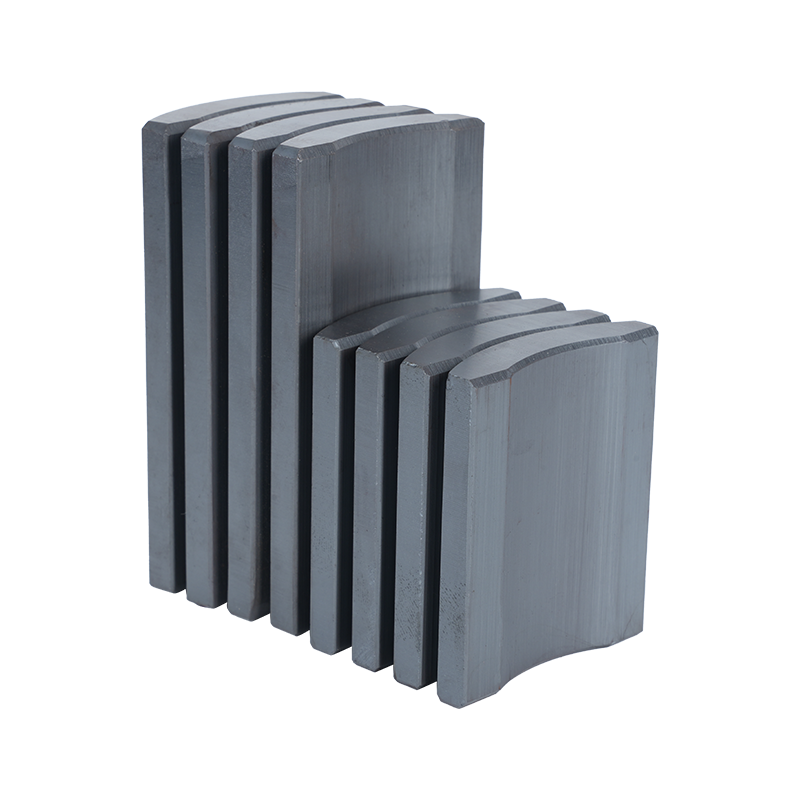
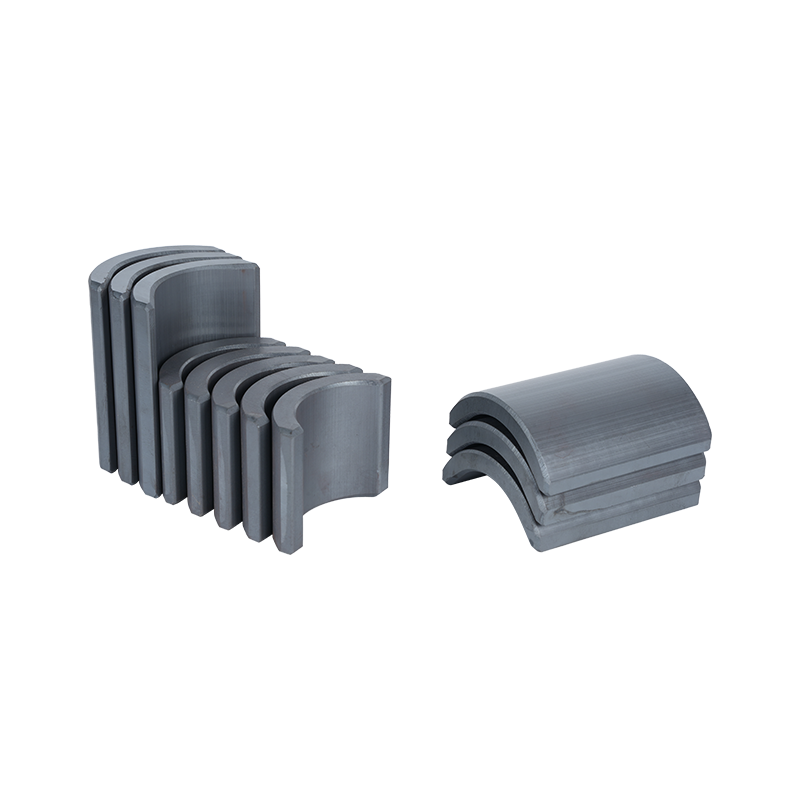
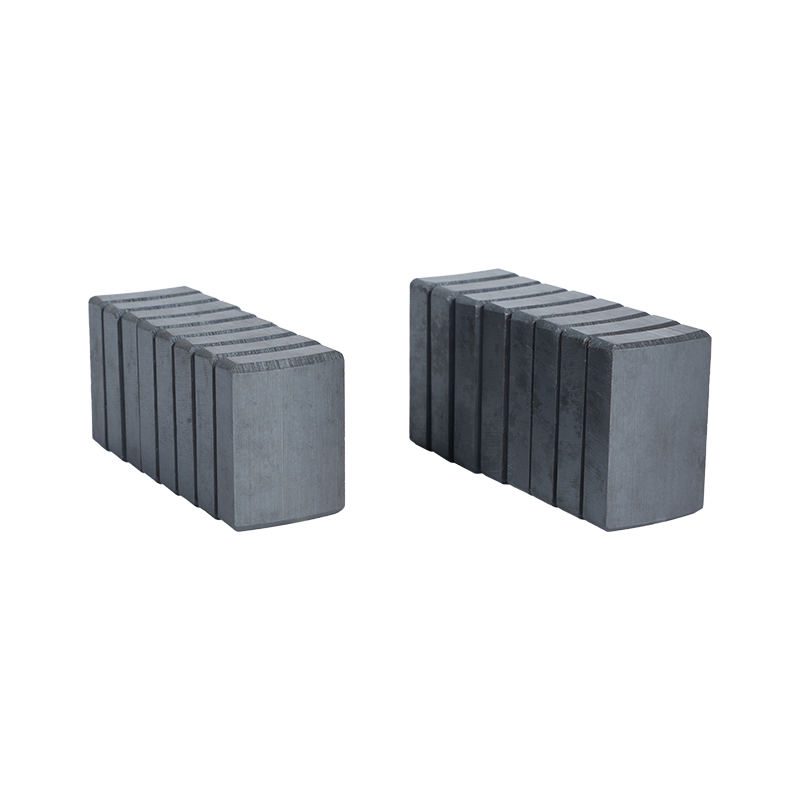
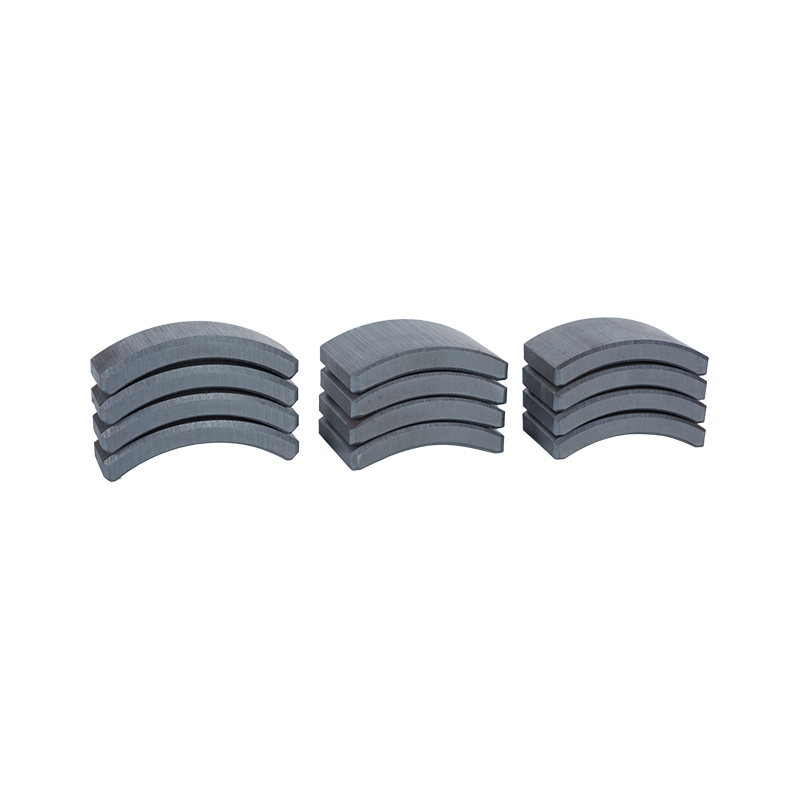
Dong Yang TianQi Magnetic Segment Co.,Ltd.(formerly Shuangyang Magnet Tile) is a professional enterprise specializing in the production of motor magnet tiles
Search by posts
Categories
Popular products
Contact Us
Industry News
 By Admin
How Thin Neodymium Magnet Can Improve Compact Device Performance
How Thin Neodymium Magnet Fits Into Compact Device Structure
Compact electronic products keep getting smaller while trying to carry more internal functions, and that pressure forces every internal component to justify the space it occupies. Magnetic parts often sit quietly inside this structure, guiding motion, holding position, or helping small mechanical actions stay aligned.
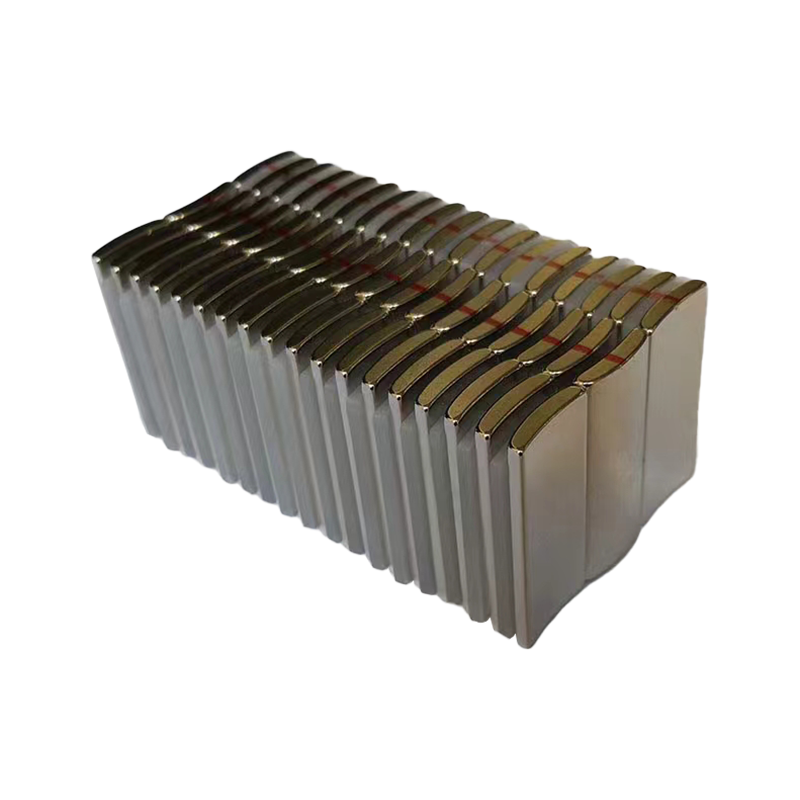
A Thin Neodymium Magnet is often selected in such layouts because thickness reduction allows designers to place it in narrow gaps where traditional components would be difficult to fit. Instead of reshaping the whole device structure, the magnet adapts to the existing internal space and still delivers usable magnetic behavior.
Thin Neodymium Magnet is usually found in small assemblies such as compact motors, sliding modules, or latch mechanisms where movement control depends on stable attraction force.
Inside these devices, space is not just limited, it is often layered. Batteries, circuits, sensors, and connectors sit close together, leaving only small channels for additional parts. Thin magnetic components make it possible to keep function without forcing structural expansion.
Typical internal roles include:
- guiding small movement paths
- keeping two parts aligned during motion
- supporting snap or lock behavior
- assisting sensor positioning stability
What Makes Thin Neodymium Magnet Suitable For Tight Layout Design
Space pressure inside modern devices is not only about size reduction, it also comes from increasing functional density. More features are expected inside the same body, which makes internal organization more sensitive than before.
Thin magnetic structures help because they do not demand deep installation space. Even in layered assemblies where vertical space is limited, they can still be embedded without disturbing surrounding parts.
Reasons they fit well in compact systems:
- thin profile allows placement in narrow internal gaps
- magnetic force remains usable despite reduced thickness
- integration is possible without redesigning main structure
- supports layered assembly without blocking other components
In practical design work, reducing thickness is not just a physical change, it often allows more freedom in arranging nearby parts. That flexibility becomes important when internal architecture is already dense.
How Thin Neodymium Magnet Influences Internal Motion Stability
Inside compact devices, many functions rely on controlled small movement rather than large mechanical action. Sliding modules, rotating micro parts, and locking elements all depend on stable positioning forces.
Thin neodymium magnets help maintain that stability by providing consistent attraction across short distances. Even when movement cycles repeat frequently, the magnetic response stays predictable enough to support smooth operation.
In real usage conditions, this influence often appears as:
- smoother sliding motion between small components
- reduced irregular shaking during repeated movement
- steadier alignment between connected parts
- more controlled return or reset behavior
Because compact devices have very small tolerance space, even slight instability can be noticeable. A stable magnetic field helps reduce those small variations.
How Material Quality Affects Magnetic Consistency
Even when shape and size remain similar, performance can shift depending on how the magnet is produced and processed. Compact devices are sensitive to such differences because internal components interact closely with each other.
High Quality Neodymium Magnets are used when stable performance across repeated cycles is needed. Variations in structure or composition can help to uneven force distribution, which may affect how smoothly parts interact.
In compact systems, consistent material behavior supports:
- stable magnetic strength across repeated use
- reduced variation between individual units
- predictable response during motion cycles
- smoother interaction with nearby electronic parts
Small inconsistencies may not be visible in isolation, yet inside a compact assembly they can influence overall device feel and mechanical balance.
How Thin Magnetic Components Support Miniaturized Device Design
Device design keeps moving toward tighter internal layouts, where every small part must justify the space it occupies. Thin magnetic components fit into this direction because they do not demand deep installation space, yet still provide usable force inside compact structures.
Inside many electronic assemblies, layers are stacked closely. Circuit boards, batteries, connectors, and sensors already occupy many of the internal volume. What remains is often narrow and irregular space, which makes conventional components harder to place. Thin neodymium magnets can slide into these gaps without forcing redesign of the entire structure.
In practice, miniaturized design support shows up in several ways:
- internal parts can be arranged in closer layers
- mechanical sections do not need extra depth
- functional zones stay compact without expansion
- magnetic support fits into remaining space pockets
Rather than changing device size, the structure stays tight while still keeping internal movement stable through magnetic assistance.
How Device Categories Change Magnetic Requirements
Different compact devices use magnetic components in different ways, even when the magnet type looks similar. The working environment inside each device category shapes what kind of magnetic behavior becomes important.
Wearable devices usually experience constant movement and shifting positions, so magnetic stability during motion becomes more noticeable. Portable devices focus more on keeping structure light and compact, where space usage matters more than mechanical load. Stationary compact systems tend to require steady alignment and repeatable positioning over long cycles.
Typical expectations include:
- wearable systems need stable response under movement
- portable systems focus on space efficiency and compact fit
- precision devices require steady alignment behavior
- consumer electronics balance structure and usability
Thin magnets adjust to these conditions through placement and design variation rather than changing core function.
| Device Type | Magnetic Requirement Focus | Typical Behavior Influence |
|---|---|---|
| Wearable Devices | Stable response during movement | Requires consistent holding force under continuous motion conditions |
| Portable Devices | Space efficiency priority | Focus on compact integration and reduced internal space occupation |
| Stationary Systems | Alignment stability over time | Emphasis on fixed positioning and repeatable mechanical behavior |
| Compact Electronics | Balanced performance control | Combination of space saving design and stable magnetic interaction |
How Environmental Conditions Affect Magnetic Stability
Inside compact devices, conditions are not always stable even when the outside environment looks unchanged. Heat generated by circuits, repeated mechanical movement, and internal vibration can all influence how components behave over time.
Temperature shifts inside small enclosures may slightly change magnetic response. Repeated motion cycles can also affect how components stay aligned. Vibration from daily use adds another layer of small mechanical stress.
Common influences include:
- internal heat build-up during operation
- repeated motion or activation cycles
- vibration from handling or movement
- interaction with nearby electronic parts
Thin neodymium magnets usually maintain stable function under these conditions when system design is balanced, although long-term behavior depends on overall device structure rather than magnet alone.
How Manufacturing Precision Shapes Magnetic Reliability
Production accuracy plays a quiet but important role in how magnets behave inside compact devices. Small differences in structure or density can help to uneven magnetic distribution, and in tightly packed systems even minor variation becomes noticeable.
When internal space is limited, components sit closer together, so consistency becomes more important than scale. A slight irregularity in magnetic field distribution may affect movement smoothness or alignment stability.
Key precision factors include:
- consistency of internal material structure
- control of thickness and shape variation
- uniform magnetic field distribution
- stable surface condition for integration
When manufacturing remains controlled, the magnet behaves more predictably inside compact assemblies, supporting smoother interaction with surrounding parts.
How Thin Neodymium Magnet Contributes to Energy Efficiency
Energy efficiency inside compact devices is not only about power source design. It also relates to how smoothly internal parts move and interact. When mechanical resistance decreases, less energy is needed to maintain stable operation.
Thin neodymium magnets help guide movement in small systems by providing controlled attraction and positioning force. This reduces unnecessary mechanical resistance in some structures and supports smoother transitions between states.
Energy-related effects often appear as:
- smoother internal motion paths
- reduced friction in small mechanical systems
- more stable switching behavior
- balanced movement cycles during operation
Although the magnet does not produce energy, its role in stabilizing motion indirectly supports more efficient system behavior.
How Future Compact Devices May Rely On Thin Magnetic Structures
As devices continue to shrink while adding more internal functions, design attention shifts toward components that can deliver stable behavior without occupying large space. Thin magnetic structures naturally fit into this direction because they combine compact size with functional stability.
Future compact systems are likely to include:
- more layered internal architectures
- tighter integration of mechanical and electronic functions
- increased dependence on space-saving components
- broader use in portable and wearable designs
In such environments, thin neodymium magnets act as small structural anchors that support alignment, movement control, and positioning inside dense assemblies. Their role becomes less visible but remains embedded within many compact technologies.
Recommended products
-
Professional Customized Ferrite Motor Magnetic Tiles
-
Hard Segment Arc Ferrite Magnetic Tiles
-
Anti-Corrosion Ferrite Arc Magnetic Tiles
-
Strong Magnetic Permanent Ferrite Magnetic Tiles
-
Heavy Duty Sintered Ferrite Magnetic Tiles
-
Industrial Magnetic Tiles
-
Electric Motor Magnet Tiles
-
Curved Neodymium Magnet
-
Block Neodymium Magnet
Contact Us

Ever since its establishment, TIANQI has never stopped walking in pursuit of quality.
About Us
Products Links
Contact Information
-

NO.55, Jici Road, Hengdian Town, Dongyang City, Zhejiang Province, China
-

Tel: +86 579-6311101
+86 579-6311106 -

E-mail:[email protected]
Copyright © Dong Yang TianQi Magnetic Segment Co.,Ltd.
Magnetic Tiles Factory
