


 English
 中文简体
中文简体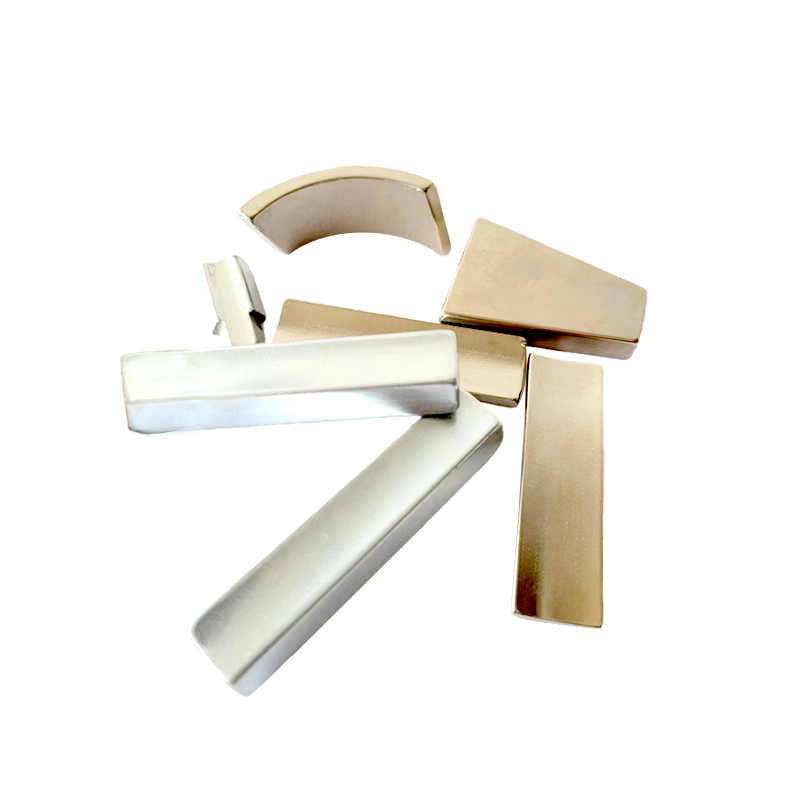
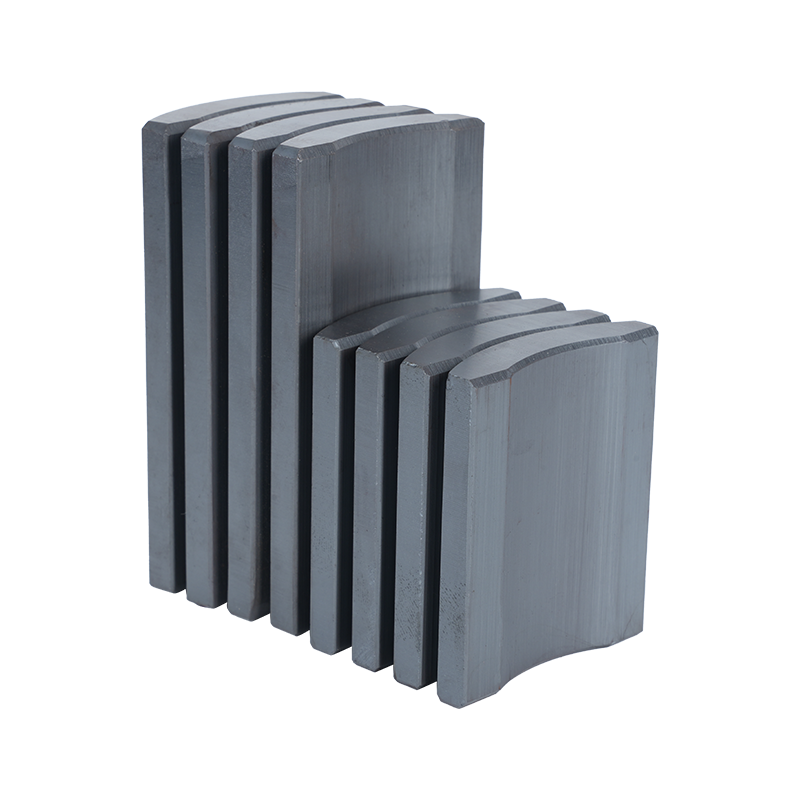
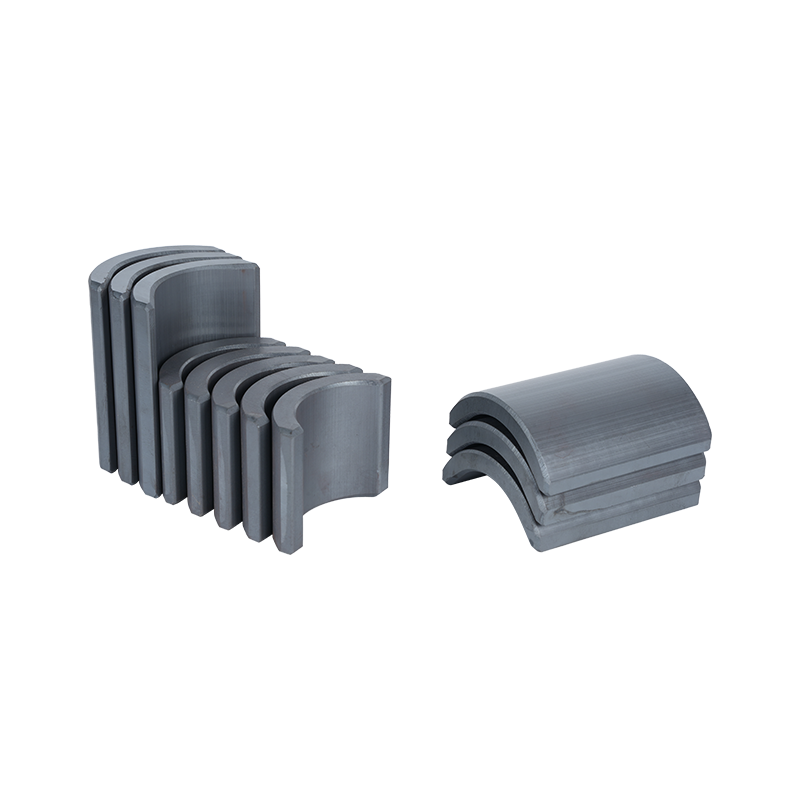
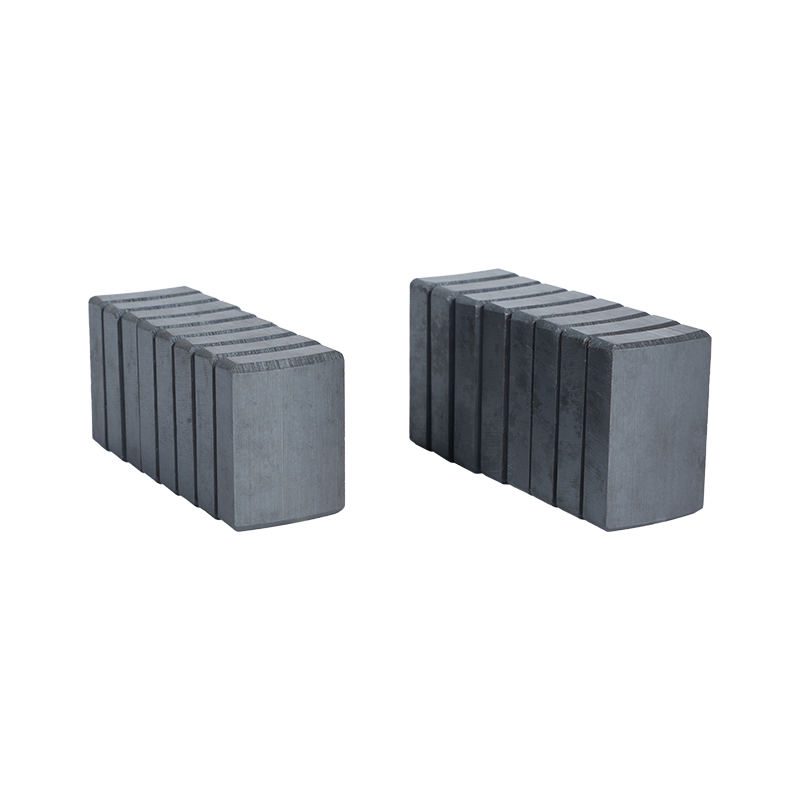
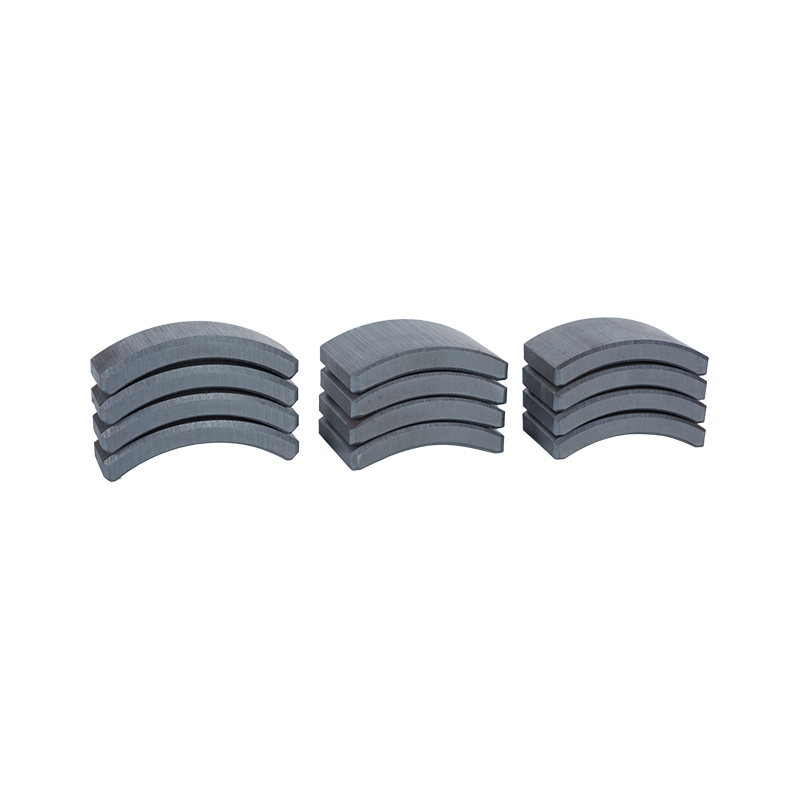
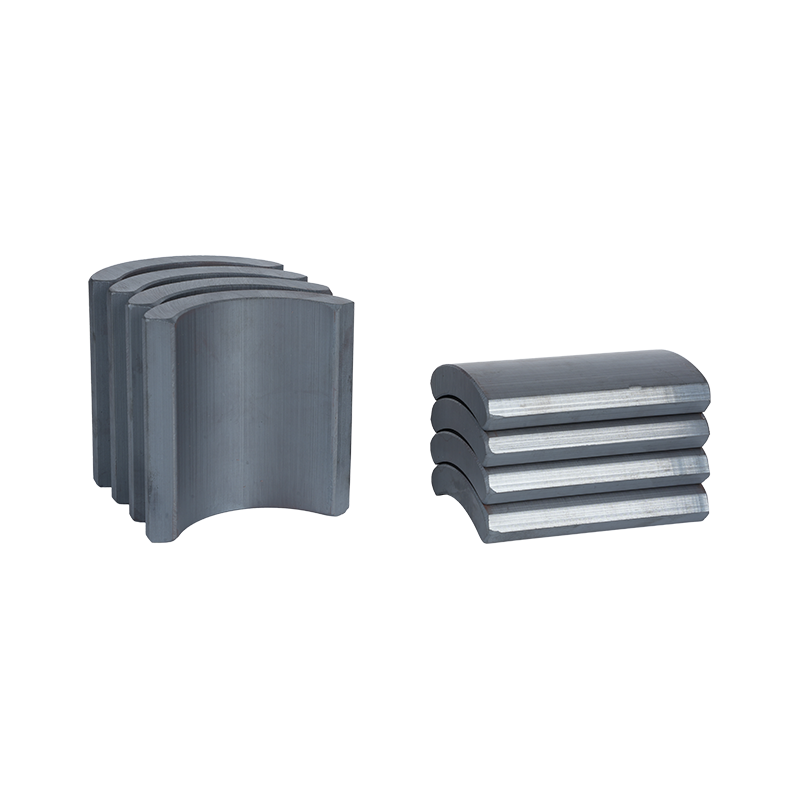
Dong Yang TianQi Magnetic Segment Co.,Ltd.(formerly Shuangyang Magnet Tile) is a professional enterprise specializing in the production of motor magnet tiles
Search by posts
Categories
Popular products
Contact Us
Industry News
 By Admin
Why Are Curved Neodymium Magnet Designs Used in Applications
Magnet shape tends to play a fairly important role in modern equipment design, since the geometry of a magnetic component generally affects how it connects with surrounding structures. A flat magnet, a ring-shaped magnet, and an arc-shaped magnet may use fairly similar materials, yet their installation methods and working environments can end up quite different.
A Curved Neodymium Magnet is generally designed with an arc surface that matches specific mechanical structures, especially where rotational movement or circular arrangements are involved. Compared with simple flat forms, curved designs tend to fit more naturally into systems that need magnets to follow a curved path.
In many applications, engineers don't usually select a magnet based only on magnetic strength. Space limitations, assembly methods, operating conditions, and the shape of nearby components all tend to influence the final design choice. A suitable shape can simplify installation and help the magnetic component work together with the rest of the system reasonably well.
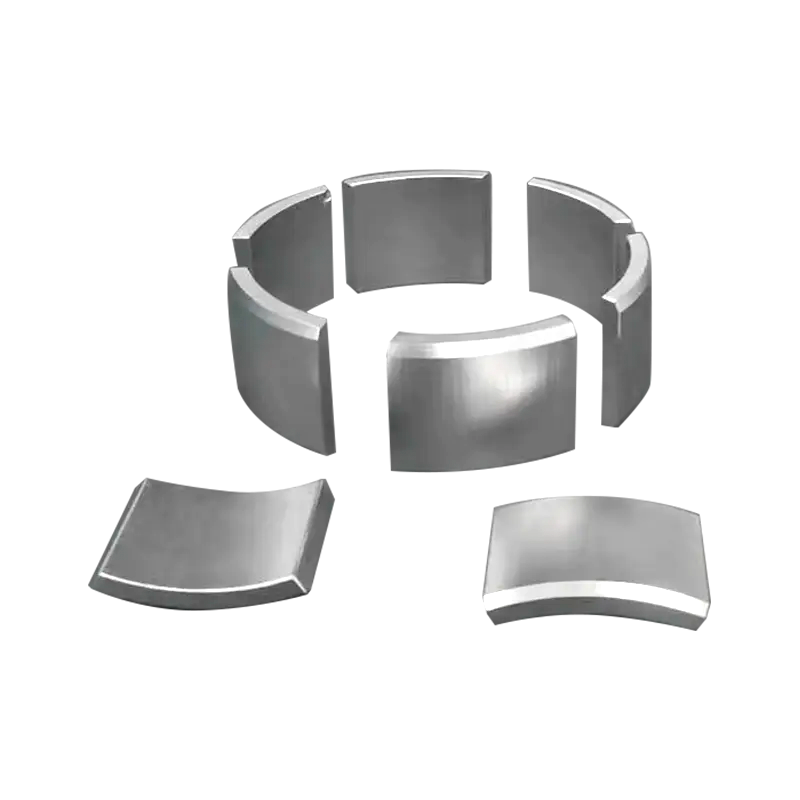
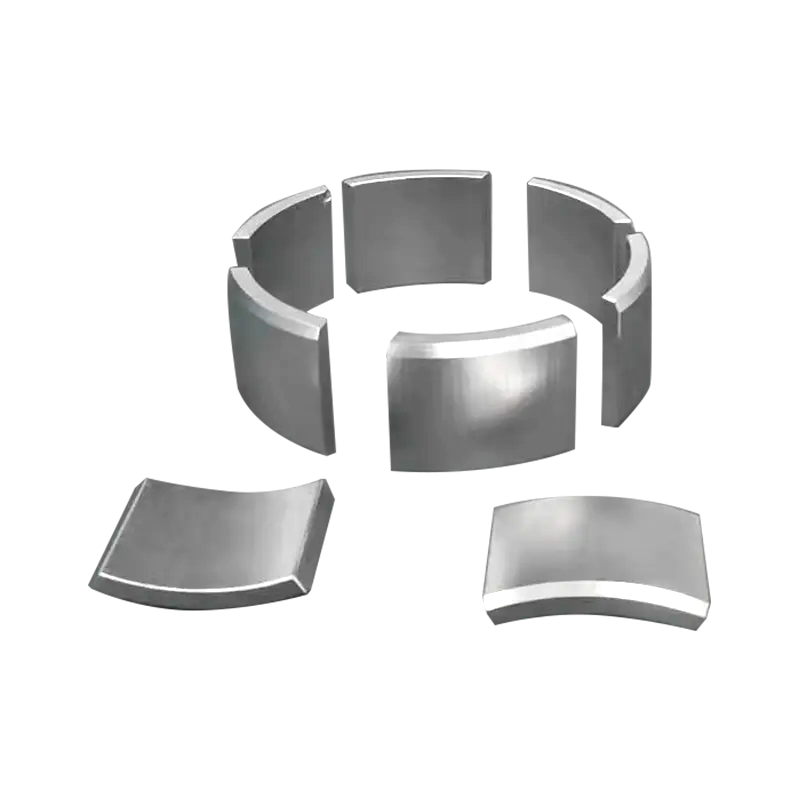
Neodymium Segment Magnets represent another design approach worth mentioning. Instead of using one continuous curved piece, several segmented parts can be arranged together to form a circular magnetic structure. This kind of layout tends to give manufacturers more flexibility when designing rotating systems or equipment with unusual dimensional requirements.
Understanding the relationship between magnet shape and application tends to explain why different designs continue to exist side by side. The purpose of a curved structure generally isn't just about appearance—it's more about creating a better connection between the magnetic part and the equipment around it.
Why Does Magnet Shape Matter in Different Applications?
Magnetic components are often installed inside spaces where every part needs to fit fairly closely with the surrounding structure. A small change in geometry can affect how a magnet fits, how it gets fixed in place, and how it interacts with nearby components.
A curved surface tends to create a different contact condition compared with a flat surface. When a system contains circular or rotating parts, an arc shape can generally follow the natural movement path instead of leaving unnecessary gaps between components.
A few factors tend to explain why shape selection gets attention during design:
- Installation Space
Compact equipment often leaves fairly limited room for internal components. A curved magnet can follow existing structures more closely, letting designers arrange parts within tighter areas. - Magnetic Field Arrangement
Magnet geometry tends to influence how magnetic force gets distributed around the working area. Different shapes tend to create somewhat different field patterns, which generally need to match the purpose of the equipment. - Mechanical Connection
A magnet generally needs to stay fairly stable during operation. A shape that fits the mounting surface well tends to reduce adjustment difficulties during assembly. - System Structure
Rotating parts, circular housings, and special mechanical layouts often call for magnetic components with matching curves.
For example, equipment with rotating movement usually needs magnets arranged around a circular path. A straight block shape may require extra space or structural changes, while a curved design tends to follow the existing layout more naturally.
Shape selection tends to be fairly closely tied to the overall product design process. Engineers normally consider the magnet together with other parts rather than treating it as a completely independent component.
How Does a Curved Neodymium Magnet Differ From Other Magnet Shapes?
Different magnet shapes tend to serve somewhat different structural requirements. Block magnets are often used where flat mounting surfaces are available, while ring designs tend to suit circular assemblies. Curved designs sit somewhere between these forms, offering an arc surface that follows a specific radius.
A Curved Neodymium Magnet usually features a shaped surface rather than a simple rectangular profile. The curved side tends to let the magnet sit closer to circular components, creating a connection that matches the surrounding mechanical structure fairly well.
The main differences between common magnet forms can be seen below:
| Magnet Shape | Structural Feature | Common Design Consideration |
|---|---|---|
| Block Magnet | Flat surfaces | Suitable for straight mounting areas |
| Ring Magnet | Circular continuous structure | Used where a complete circular form is needed |
| Curved Magnet | Arc-shaped surface | Fits curved mechanical layouts |
| Segment Magnet | Individual arc sections | Allows flexible circular arrangements |
Curved designs tend to be useful when a complete ring structure isn't really practical. Instead of producing one large circular piece, several curved sections can be arranged together. This approach may simplify assembly and make replacement a bit easier during maintenance.
Another difference tends to come from manufacturing flexibility. A single large magnetic component may require somewhat different handling compared with smaller segmented pieces. Designers often weigh part size, installation method, and equipment structure before choosing between a continuous curved form and a segmented arrangement.
The choice between different shapes generally depends on the application rather than the magnet alone. A design suitable for one machine may not fit another system particularly well, since surrounding structures, movement patterns, and available space tend to vary quite a bit between setups.
Where Are Curved Neodymium Magnet Designs Commonly Applied?
Curved magnet designs tend to show up in systems where circular movement or limited installation space influences component selection. Their shape tends to let them become part of a larger mechanical structure instead of occupying space on their own.
Rotating equipment is one fairly common area where curved structures get considered. These systems often arrange multiple magnets around a circular path, requiring each piece to follow roughly the same curve. A curved form tends to help maintain a more consistent relationship between the magnet and the rotating structure.
A few other application areas may include:
- Motor Systems
Rotating equipment often requires magnets positioned around a circular area. Curved designs can match the internal shape of the assembly reasonably well. - Sensor Components
Some sensing systems require magnets arranged in fairly specific positions. Shape accuracy tends to help maintain the intended relationship between moving and fixed parts. - Industrial Automation Equipment
Automated mechanisms may use compact magnetic components where available space runs fairly limited. - Special Mechanical Devices
Equipment with unique layouts may call for customized magnet shapes rather than standard forms.
Different applications tend to create somewhat different requirements. A magnet used in a rotating structure may focus more on arc accuracy and assembly position, while a sensor application may place more attention on size and placement instead.
For this reason, magnet selection usually tends to start with understanding the equipment structure first. The surrounding design generally determines whether a curved shape, segmented arrangement, or another form works better.
How Do Neodymium Segment Magnets Support Rotational Equipment Design?
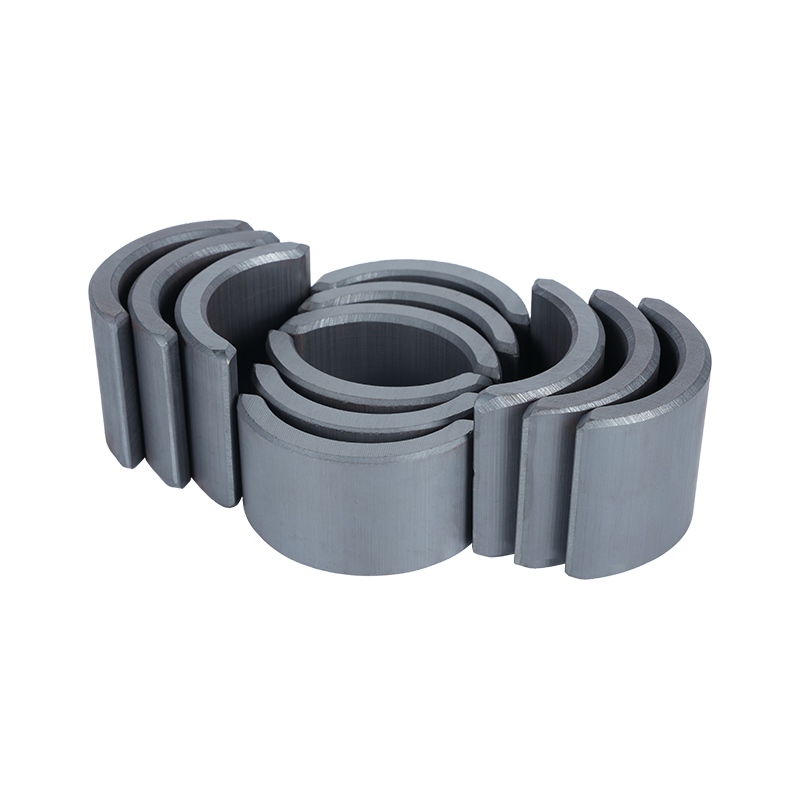
Neodymium Segment Magnets offer another method for building curved magnetic arrangements. Instead of forming one complete arc component, manufacturers can use several individual segments placed together according to the required layout.
Segmented designs tend to offer a fair bit of flexibility during assembly. Different numbers of sections can be arranged based on the equipment structure, letting designers adjust the magnetic layout without needing to change the entire system design.
A few characteristics tend to make segmented arrangements useful:
- Easier adaptation to different circular structures
- Flexible positioning during assembly
- Fairly convenient replacement of individual sections
- Better compatibility with certain manufacturing processes
Segment design also tends to influence how engineers approach maintenance. When a single section needs attention, replacing that one part may end up simpler than handling a larger integrated component.
As equipment keeps becoming more compact and specialized, magnet geometry continues to play a fairly meaningful role in product development. Choosing the right structure tends to depend on how the magnetic component connects with the surrounding mechanical system as a whole.
What Factors Influence the Selection of Curved Magnet Designs?
Selecting a magnet shape tends to require more than just checking the basic appearance of a component. The working environment, installation method, surrounding structure, and expected operating conditions all tend to affect whether a curved design ends up suitable for a specific application.
A Curved Neodymium Magnet is often chosen when the equipment structure already contains an arc-shaped area or a rotational arrangement. The curve tends to let the magnet follow the surrounding shape, which can make the overall assembly a bit more coordinated.
A few factors usually tend to influence this design decision.
Magnetic Requirements
Magnetic performance tends to be fairly closely related to equipment function. The position, direction, and arrangement of a magnet can affect how it interacts with nearby components. Designers usually consider the required magnetic path before settling on a final shape.
A curved structure tends to change the relationship between the magnet surface and surrounding parts. For rotating systems, the arc direction and placement generally need to match the movement path so the magnetic arrangement works together with the mechanical design reasonably well.
Mechanical Dimensions
Available space often tends to determine the form of a magnet. Equipment interiors may contain shafts, housings, supports, and other components that leave fairly limited room for installation.
A flat magnet may require additional mounting structures when used inside a curved area. A curved design can follow the existing space more naturally, which tends to reduce unnecessary changes to the surrounding structure.
The size of the magnet also tends to influence handling and assembly. Larger components and segmented designs may call for somewhat different installation methods depending on equipment conditions.
Operating Environment
Environmental conditions tend to influence magnet selection as well. Temperature changes, vibration, moisture, and surrounding materials may affect how the magnet gets installed and protected.
A suitable design generally considers not just magnetic performance but also long-term stability within the equipment. Surface protection, fixing methods, and structural support are often planned together during the design stage.
Assembly Method
Assembly requirements can change the preferred magnet structure quite a bit. Some systems need individual components installed separately, while others call for a continuous curved arrangement instead.
Neodymium Segment Magnets can offer flexibility in situations where several pieces need to be positioned around a circular structure. Individual segments may simplify installation when a complete curved piece is difficult to handle.
Choosing between different forms tends to depend on the complete system rather than any single factor. A magnet shape generally needs to fit the equipment design, production method, and future maintenance requirements all at once.
How Are Curved Neodymium Magnets Manufactured for Different Shapes?
Manufacturing a curved magnet tends to involve several stages that transform magnetic material into a shape suitable for a specific application. The process generally requires attention to dimensions, surface condition, and final geometry, since even small shape differences may end up influencing installation.
Production usually begins with preparing magnetic material into a basic form. After that, shaping processes create the required curve according to the intended application.
The general process may include:
- Material preparation before shaping
- Forming the required arc profile
- Surface treatment for protection
- Quality inspection of dimensions and appearance
- Preparation for final assembly
Shape accuracy tends to play a fairly important role during production. A curved surface generally needs to match the intended mounting area fairly closely, especially in rotating equipment where multiple magnets may work together as part of one structure.
Manufacturing methods also tend to depend on the final design. Some applications require a continuous curved piece, while others use multiple segments arranged together. The choice between these structures tends to affect tooling methods, handling procedures, and assembly planning.
Customization often tends to begin with understanding the equipment rather than modifying a standard magnet afterward. Designers normally review the installation space, movement pattern, and mechanical connection before determining a suitable shape.
Surface protection is another consideration worth mentioning. Since magnets may operate inside fairly different environments, protective layers and handling methods generally need to match the conditions where the component will actually be used.
A well-planned manufacturing process tends to connect material preparation, shaping, and application requirements together. Each stage tends to influence the final relationship between the magnet and the equipment.
What Are the Differences Between Curved Magnets and Neodymium Segment Magnets?
Curved magnets and segmented magnets tend to share similar design goals, since both can support applications requiring arc-shaped magnetic arrangements. That said, their structures and installation methods tend to create fairly different characteristics.
A curved magnet usually refers to a single arc-shaped component. It provides a continuous magnetic surface and can fit fairly directly into equipment designed around that shape.
Segment magnets consist of several separate arc sections instead. Multiple pieces can be arranged together to create a circular pattern, which tends to give designers more options when planning installation.
The differences can be seen below:
| Comparison Area | Curved Neodymium Magnet | Neodymium Segment Magnets |
|---|---|---|
| Basic structure | Single curved component | Multiple arc-shaped sections |
| Installation approach | Mounted as one piece | Installed individually by section |
| Design flexibility | Based on fixed curved shape | Allows different segment arrangements |
| Maintenance method | Requires handling of the whole piece | Individual sections can be managed separately |
| Typical consideration | Continuous arc matching | Flexible circular positioning |
Neither structure really fits every application equally well. A continuous curve may work well when the installation area already matches the shape. Segmented designs may get considered when space, handling, or assembly requirements make separate sections more practical.
Another difference tends to show up during equipment adjustment. Segment arrangements can allow changes in individual positions, while a single curved component generally follows a fixed geometry.
The decision often tends to come down to how the magnet connects with the complete system. Engineers usually weigh space, assembly sequence, mechanical design, and future maintenance before settling on a suitable form.
How Can Proper Magnet Design Improve Equipment Integration?
Magnet design tends to be fairly closely connected with the equipment where it'll actually be installed. A component that matches surrounding structures well can reduce unnecessary adjustments and help create a more organized assembly process.
A suitable shape tends to help different parts work together more smoothly. In rotating systems, for example, magnets generally need to maintain a fairly consistent relationship with moving components. The curve, position, and fixing method all tend to influence how smoothly the complete structure ends up operating.
Proper design also tends to support easier manufacturing planning. When magnet dimensions match the equipment layout from early on, fewer modifications may be needed during assembly.
A few areas tend to benefit from careful magnet design:
- Space Utilization
Curved structures can follow existing shapes and help designers arrange internal components fairly efficiently. - Assembly Coordination
Matching magnet geometry with mounting areas tends to simplify installation steps. - Maintenance Planning
Designs that consider future inspection or replacement needs tend to make equipment servicing a bit easier down the line. - System Compatibility
Magnet shape, mechanical structure, and operating conditions generally need to work together reasonably well.
The role of a magnet tends to extend beyond just producing a magnetic field. It ends up becoming part of a larger mechanical system where shape and placement tend to influence overall design.
A Multi Station Cold Forging Machine offers a somewhat similar example from another manufacturing field: several stages need to match each other fairly well for the complete process to work smoothly. Magnet design tends to follow a related idea, where geometry, assembly, and application conditions need to stay reasonably connected throughout.
Curved and segmented magnet structures continue to offer different solutions for equipment designers. A Curved Neodymium Magnet tends to focus on matching specific arc-shaped structures, while Neodymium Segment Magnets offer another option through separate sections arranged according to system requirements.
Selecting between different designs tends to depend on the application environment, mechanical layout, and production needs. A suitable magnetic structure generally begins with understanding how the component will actually function inside the complete equipment system.
Recommended products
-
Professional Customized Ferrite Motor Magnetic Tiles
-
Hard Segment Arc Ferrite Magnetic Tiles
-
Anti-Corrosion Ferrite Arc Magnetic Tiles
-
Strong Magnetic Permanent Ferrite Magnetic Tiles
-
Heavy Duty Sintered Ferrite Magnetic Tiles
-
Industrial Magnetic Tiles
-
Electric Motor Magnet Tiles
-
Curved Neodymium Magnet
-
Block Neodymium Magnet
Contact Us

Ever since its establishment, TIANQI has never stopped walking in pursuit of quality.
About Us
Products Links
Contact Information
-

NO.55, Jici Road, Hengdian Town, Dongyang City, Zhejiang Province, China
-

Tel: +86 579-6311101
+86 579-6311106 -

E-mail:[email protected]
Copyright © Dong Yang TianQi Magnetic Segment Co.,Ltd.
Magnetic Tiles Factory
