


 English
 中文简体
中文简体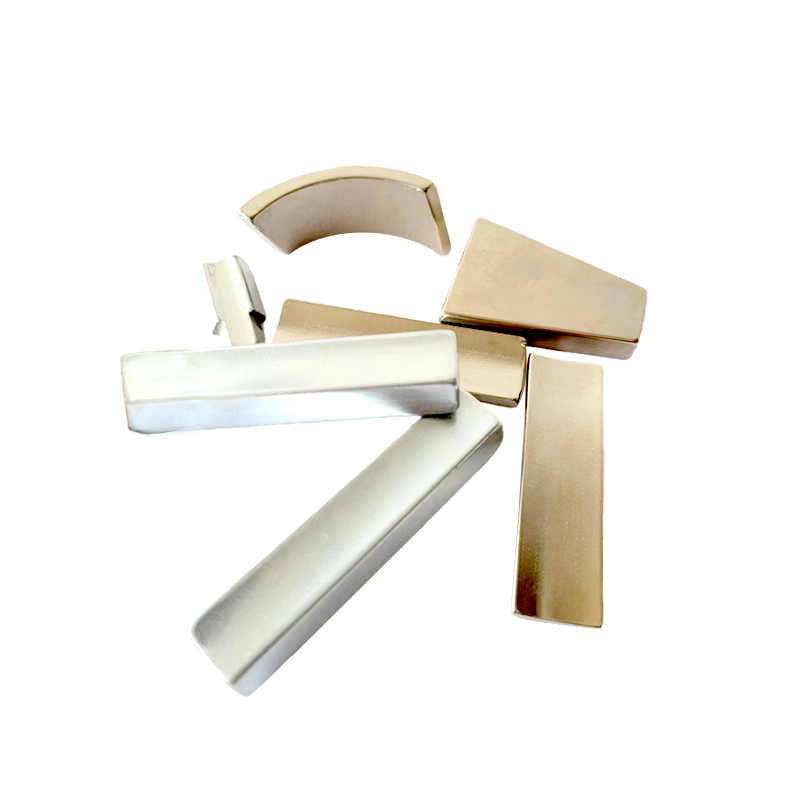
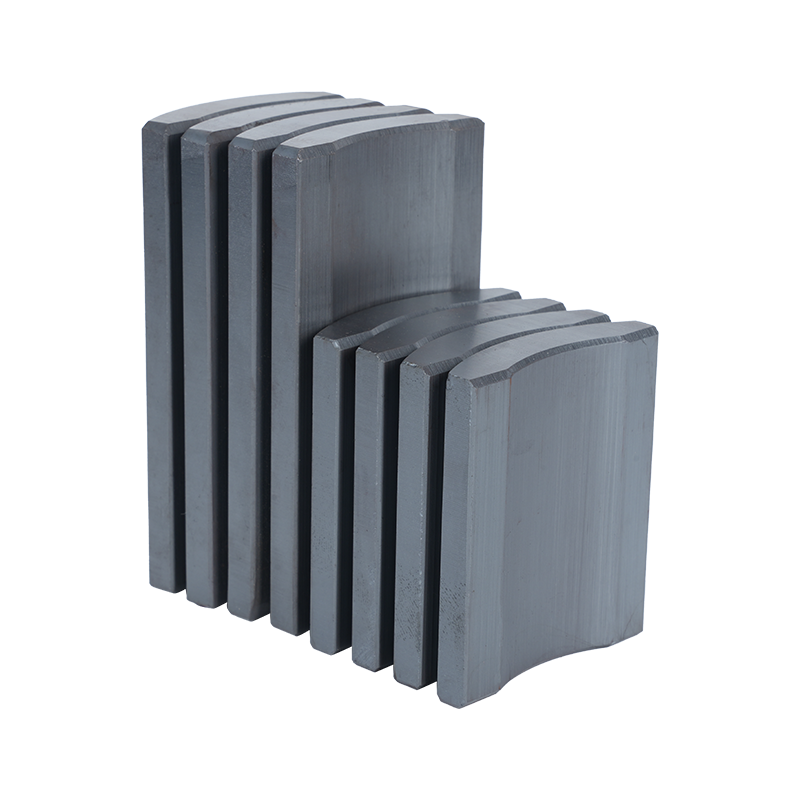
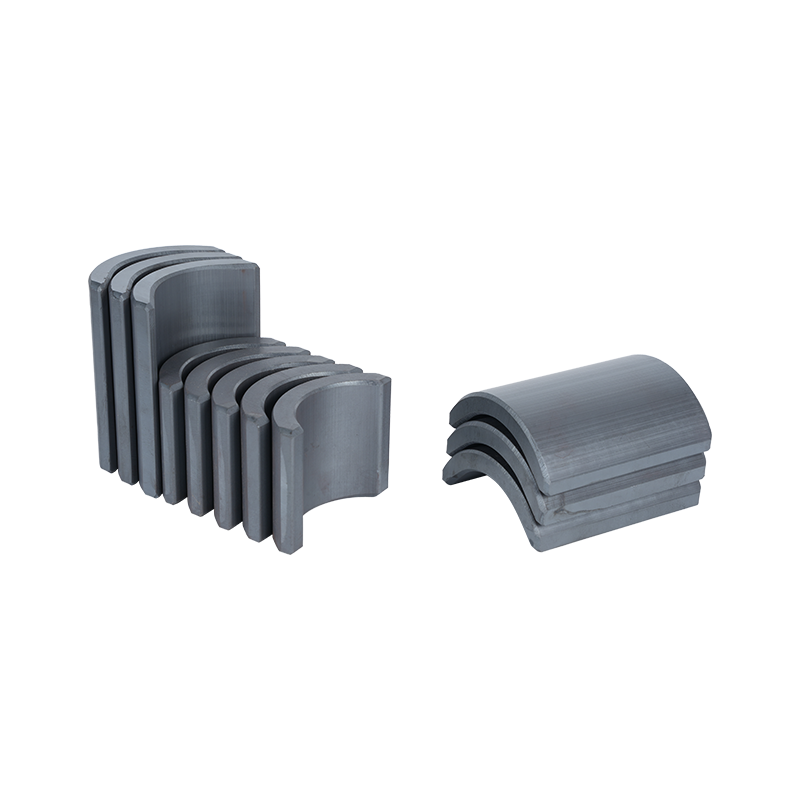
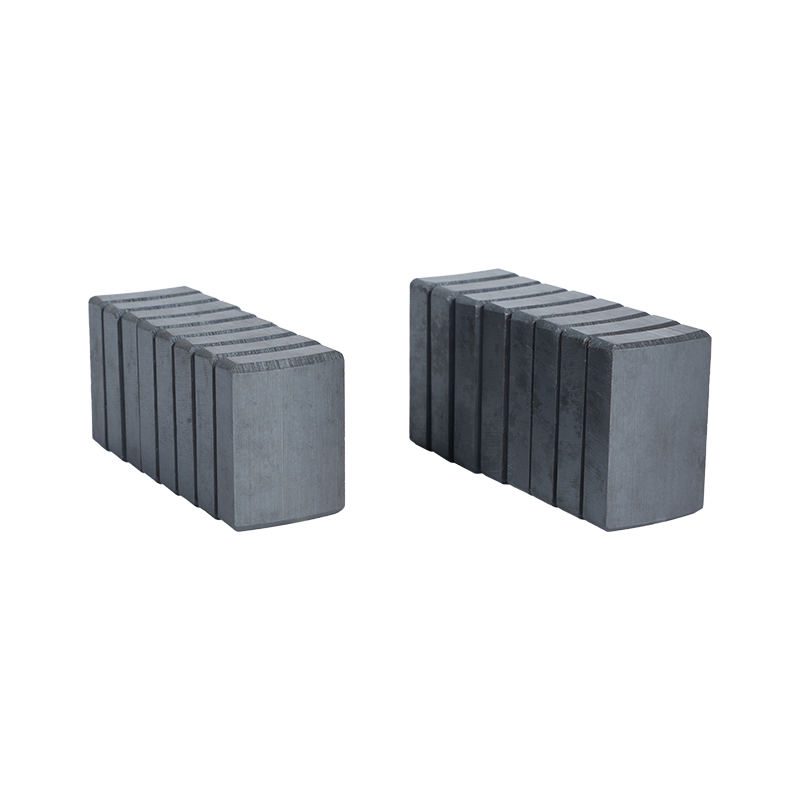
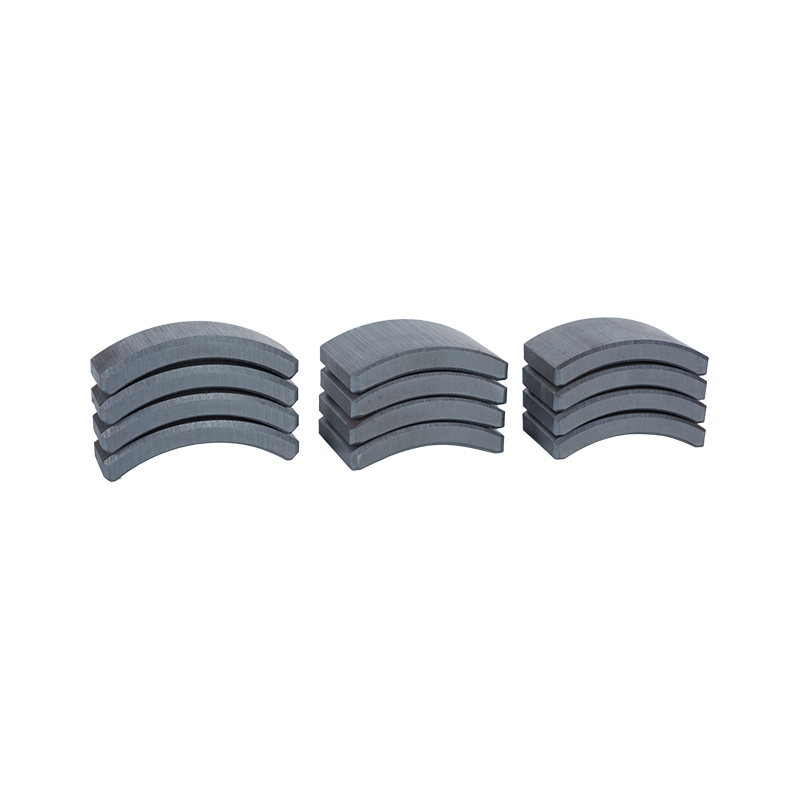
Dong Yang TianQi Magnetic Segment Co.,Ltd.(formerly Shuangyang Magnet Tile) is a professional enterprise specializing in the production of motor magnet tiles
Search by posts
Categories
Popular products
Contact Us
Industry News
 By Admin
Which Features Matter When Selecting Segment Neodymium Magnet
Magnetic components have become genuinely tied up with industrial equipment design, shaping how things move, position themselves, sense their surroundings, and transfer energy across a huge range of applications. As equipment keeps getting more compact and functional demands get more specific, choosing suitable magnetic materials really comes down to weighing shape, working conditions, and installation environment together, rather than any single factor on its own.
A Segment Neodymium Magnet often comes into play when equipment needs a curved magnetic structure built to fit around something circular or rotating. Selection here isn't just about magnetic force, either — size compatibility, temperature exposure, surface protection, and manufacturing requirements all factor into whether a given component actually fits a specific application well.
Working environment is genuinely where magnet selection tends to start. Equipment designers need a real sense of how the component gets installed, what surrounding parts might do to its performance, and what conditions could show up over long‑term operation.
Different industries carry genuinely different expectations for magnetic components, too. Some applications lean toward compact structure above everything else, while others care more about durability, stable operation, or how flexible the installation process needs to be. A balanced evaluation is really what keeps a selection from getting anchored to just one characteristic while ignoring the rest.
Magnetic materials stay closely tied to overall equipment design throughout this process. Getting a suitable choice usually takes real cooperation between material suppliers, designers, and manufacturers, so the component ends up fitting both the technical requirements and whatever the production line can actually handle.
Which Physical Features Influence Segment Neodymium Magnet Selection
Physical structure carries real weight when evaluating magnetic components. Shape and size shape installation, positioning, and how well a component fits with the parts around it.
Curved magnetic designs come up often for equipment built around circular movement or tight installation space. A segmented structure tends to follow a specific layout more naturally than a plain rectangular form would.
A handful of physical features tend to need real attention:
- Shape matching against equipment structure
- Size accuracy during installation
- Surface condition and protection requirements
- Mechanical arrangement around the magnetic area
Shape design shapes how a magnetic component connects with everything around it. A curved profile can cut down on wasted space and support smoother integration within certain equipment layouts.
Size compatibility matters just as much, since even small dimensional differences can throw off an installation. Designers generally work through available space, assembly method, and surrounding structure before landing on a suitable magnetic component.
Surface condition plays into handling and long‑term use as well. A well‑considered surface design cuts down on problems caused by external conditions and supports steadier operation over time.
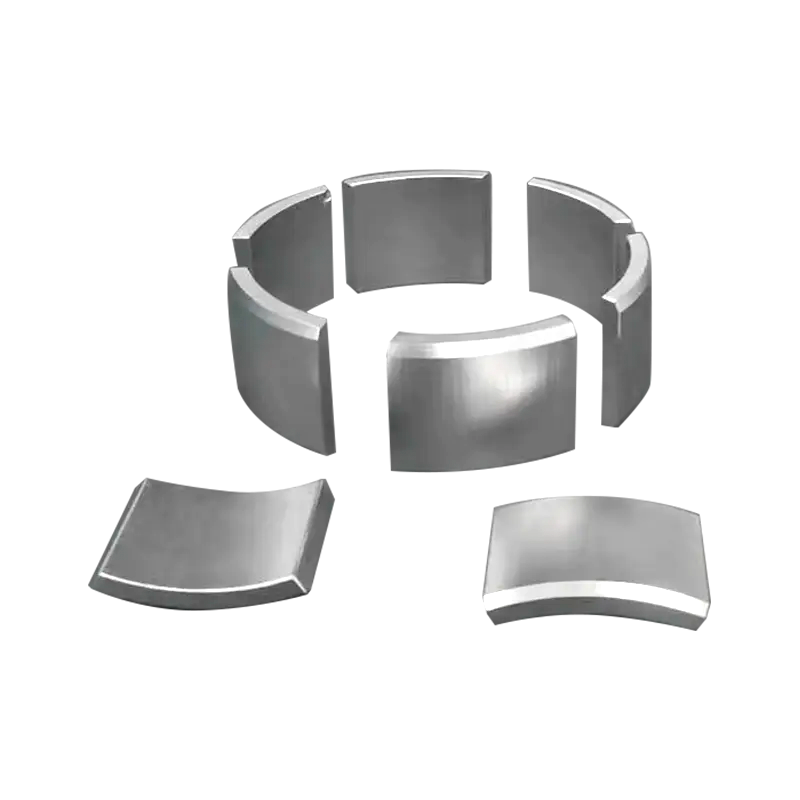
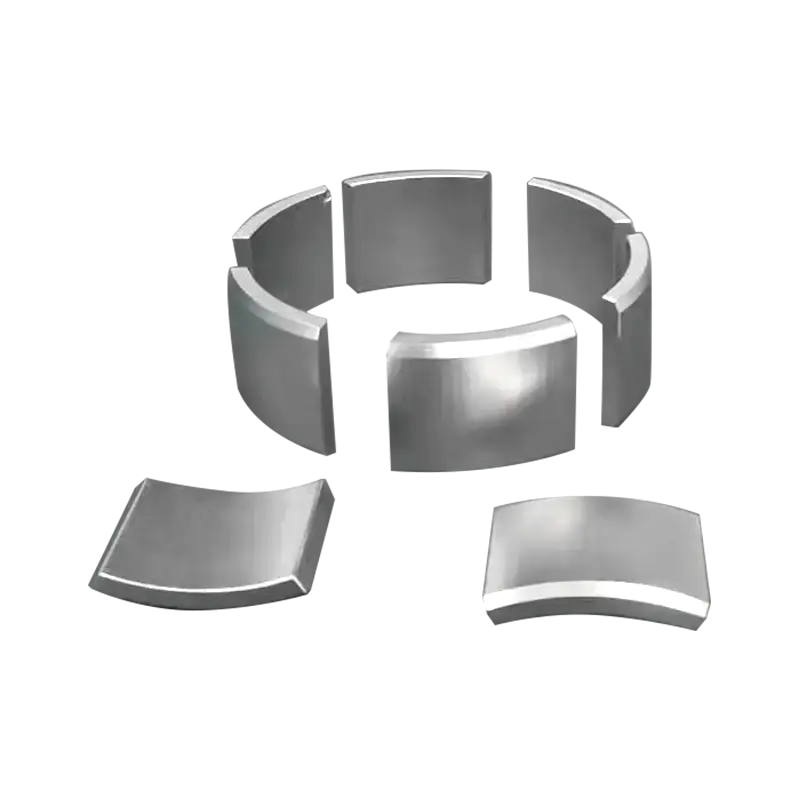
An Arc Segment Magnet represents a curved magnetic structure built for applications that call for a circular arrangement. Its design ties closely to equipment geometry, which means selection really depends on how the component fits into the overall system rather than existing as an isolated part.
How Does Magnetic Strength Relate to Application Requirements
Magnetic performance genuinely matters during selection, though it's really only one piece of a larger evaluation rather than the whole story. Different applications call for different magnetic characteristics depending on what the equipment does and how it's structured.
A magnetic component used for positioning tends to have different requirements than one built for movement‑related functions. Designers need a real grasp of the magnet's role within the complete system, rather than judging magnetic strength as something separate from everything else around it.
| Consideration | Influence on Selection |
|---|---|
| Equipment function | Determines required magnetic behavior |
| Installation space | Affects possible component size |
| Operating environment | Influences material choice |
| System structure | Determines magnetic arrangement |
Magnetic performance stays connected to surrounding components too. Distance, alignment, and mechanical design all shape how magnetic force actually behaves once the equipment is running.
A suitable selection process weighs the relationship between magnetic characteristics and real working conditions together. Focusing purely on magnetic capability risks overlooking things like temperature swings or installation limitations that matter just as much in practice.
Manufacturing industries are paying steadily more attention to customized magnetic designs, simply because different equipment structures bring genuinely different requirements. A flexible evaluation process helps close the gap between components and the applications they're actually meant for.
What Role Does Heat Resistance Play in Magnet Applications
Temperature conditions can shape how magnetic materials behave during operation. Equipment placed in different environments often experiences temperature shifts driven by surrounding components, working processes, or outside conditions entirely.
Heat resistance becomes genuinely important during selection because temperature changes can alter magnetic behavior gradually over time. Designers need a clear sense of expected working conditions before settling on a suitable choice.
A few temperature‑related factors worth real attention:
- Operating environment conditions
- Heat generated by nearby components
- Cooling methods built into the equipment
- Material stability requirements
A component running in a controlled environment tends to face different demands than equipment exposed to shifting temperatures throughout the day.
Thermal considerations tie into equipment design more broadly, too. Designers often need to balance available space, cooling arrangement, and material characteristics together just to keep operation stable.
Planning around temperature ahead of time cuts down on unexpected surprises during use. Factoring in heat conditions at the selection stage lets manufacturers build equipment structures that genuinely match the working environment they'll actually face.
How Do Surface Treatment and Protection Affect Magnet Use
Surface protection is another factor that shapes magnetic component selection in a real way. Magnetic materials handle important functions inside equipment, sure, but their external condition matters for practical use just as much.
Environmental exposure can mean moisture, contact with other materials, friction, or plenty of repeated handling during assembly. Protection methods really need to be chosen based on where and how the component actually gets used.
Some surface‑related considerations worth keeping in view:
- Exposure conditions
- Assembly requirements
- Contact with surrounding materials
- Maintenance expectations
A well‑suited surface design helps maintain a magnetic component's condition throughout operation. Different environments call for different protection approaches, which is exactly why application analysis matters as a genuine step in the process, not just a formality.
Manufacturers also weigh how surface treatment plays into production itself. Whatever protection method gets chosen needs to fit both functional requirements and what the manufacturing line can realistically handle.
Surface protection doesn't really work as an isolated factor, either way. It works alongside material selection, equipment structure, and maintenance planning together, and that combination is really what shapes the overall use experience in the end.
Which Manufacturing Factors Should Be Considered During Selection
Manufacturing conditions tie directly into magnetic component selection, simply because design requirements have to line up with what production can actually deliver. A component might need to meet particular shape, size, and surface requirements while still fitting into whatever manufacturing arrangement already exists on the floor.
Production consistency matters quite a bit during evaluation. Even small differences in shape or dimension can throw off assembly and equipment performance, especially once magnetic parts start getting installed alongside other precision components.
A handful of manufacturing factors genuinely deserve attention:
- Dimensional consistency during production
- Compatibility with assembly processes
- Material handling requirements
- Quality inspection procedures
Communication between design teams and production teams shapes the final selection just as much as any technical spec does. When equipment requirements get defined clearly upfront, manufacturers can adjust production methods to match the actual application conditions rather than guessing at them.
Production planning stays closely tied to magnetic component design throughout this. A component that genuinely matches the equipment structure tends to reduce headaches during both assembly and later maintenance work, which is exactly why selection decisions usually blend technical evaluation with manufacturing considerations rather than treating them separately.
Different industries run on genuinely different production environments, too, meaning magnetic component requirements shift depending on application conditions. Flexible manufacturing processes let components get adjusted to fit specific equipment structures instead of forcing a one‑size‑fits‑all approach.
How Does Arc Segment Magnet Design Support Different Equipment Structures
Curved magnetic structures connect naturally with equipment built around circular movement or tight installation areas. A curved shape lets magnetic components follow layouts that a straight design simply wouldn't fit into comfortably.
An Arc Segment Magnet commonly comes up in applications that call for a section of a circular magnetic arrangement. Its geometry helps it match the structure of equipment systems where space and positioning genuinely matter to how everything fits together.
Design considerations here usually include:
- Curved surface compatibility
- Installation direction
- Magnetic arrangement
- Connection with surrounding components
Equipment designers generally work through the relationship between magnet shape and system structure before landing on a suitable design. The shape needs to support the intended function while still fitting comfortably within available space.
Curved structures shape assembly methods too. Getting proper alignment during installation is really what maintains the expected relationship between magnetic parts and the mechanical sections around them.
As equipment designs keep evolving, magnetic components need to adapt right along with them. Selection is steadily shifting toward more application‑focused evaluation, where shape, material characteristics, and manufacturing conditions all get weighed together rather than one at a time.
What Factors Should Be Compared Before Choosing Magnetic Components
Selecting magnetic components genuinely means comparing several factors together, rather than zeroing in on one feature alone. Different applications bring different requirements, which is exactly why a full evaluation matters before production decisions get locked in.
| Selection Factor | Main Consideration | Possible Influence |
|---|---|---|
| Shape Design | Compatibility with equipment structure | Affects installation arrangement |
| Magnetic Performance | Functional requirements | Influences equipment operation |
| Temperature Conditions | Working environment changes | Relates to material stability |
| Surface Protection | External exposure conditions | Supports long‑term use |
| Manufacturing Process | Production compatibility | Affects assembly planning |
Shape design decides whether a magnetic component can actually fit within the equipment structure to begin with. Magnetic performance ties to the role the component plays once things are running. Temperature and surface conditions shape how the material behaves across different environments it might face.
Manufacturing compatibility matters just as much here, since design requirements need a real connection to production methods rather than existing on paper alone. A practical selection process weighs both technical needs and manufacturing possibilities side by side.
Comparing these factors together helps avoid decisions built on just one characteristic. A component that performs well under one condition might not suit a different application at all, once the surrounding factors get taken into account.
How Are Magnetic Component Requirements Changing in Modern Manufacturing
Manufacturing industries are steadily paying closer attention to flexible equipment design and application‑specific components. As products keep getting more specialized, magnetic parts need to flex to fit different structural and operational demands.
A few shifts are shaping magnetic component selection lately:
- Growing attention toward compact equipment structures
- Sharper focus on application matching
- More consideration given to maintenance conditions
- Tighter connection between design and manufacturing
Modern equipment design increasingly calls for closer cooperation across different production stages. Material selection, mechanical structure, and manufacturing methods really need to work together throughout development rather than getting handled in isolation.
Magnetic components have stopped being treated as separate parts sitting inside equipment systems. Their shape, position, and working conditions genuinely shape the broader design process now.
Production environments keep influencing selection decisions too. A component built for one working condition might need real adjustment once it gets applied somewhere else entirely.
Future development will likely keep leaning toward practical matching between materials and equipment structures. Careful evaluation of design requirements is what helps manufacturers land on suitable solutions across different industrial applications.
What Should Manufacturers Consider When Planning Future Magnetic Applications
Future magnetic applications call for real attention to shifting equipment structures, production methods, and usage environments. Manufacturers need to look at how magnetic components connect with the wider system, rather than treating them as independent parts floating on their own.
Some planning considerations worth keeping close:
- Matching component design with equipment structure
- Considering environmental conditions
- Reviewing manufacturing capability
- Planning maintenance requirements
Equipment development often comes down to balancing several factors at once. Space limitations, operating conditions, and production processes all shape the final selection of magnetic components in their own way.
A detailed evaluation process helps build better coordination between design and manufacturing. When component features genuinely match application needs, installation and management processes tend to become considerably easier to arrange.
Industry shifts are also pushing manufacturers to pay closer attention to material selection. Different applications call for different combinations of shape, magnetic characteristics, and protection method.
Magnetic component selection stays connected to broader manufacturing development throughout all of this. As equipment continues evolving, practical evaluation and flexible design approaches will keep mattering as genuine parts of industrial planning.
How Does Careful Selection Influence Long‑Term Equipment Planning
Magnetic components play a supporting role across plenty of industrial systems, which is exactly why selection decisions matter so much within equipment planning. Shape, magnetic characteristics, environmental conditions, and manufacturing requirements all shape how well a component ends up fitting a specific application.
A suitable selection process never really rests on a single feature. It calls for weighing the complete working environment together — installation space, production methods, maintenance conditions, all of it at once rather than piece by piece.
For manufacturers, understanding how these pieces connect makes for clearer planning throughout equipment development. Magnetic components need to match both technical requirements and the practical realities of production simultaneously.
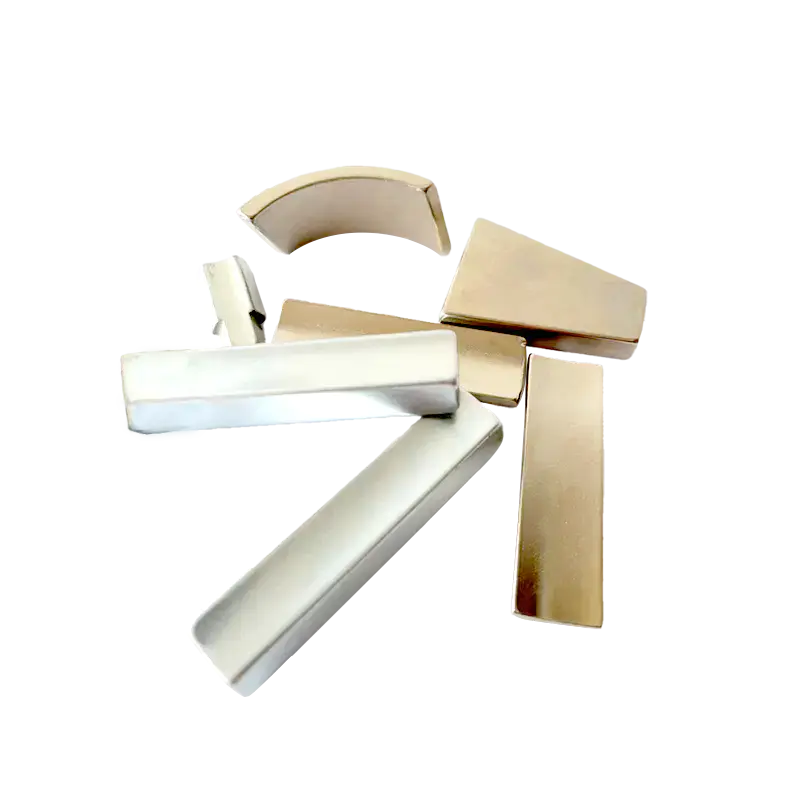
A Segment Neodymium Magnet stands as one clear example of how magnetic design ties into equipment structure. Its selection rests on multiple factors working together rather than any single performance aspect carrying the decision alone. Curved designs, including Arc Segment Magnet structures, show how component geometry can support genuinely different equipment arrangements depending on what's needed.
Careful evaluation is really what lets magnetic components integrate well into industrial systems, supporting organized production planning and steering equipment design toward decisions that actually fit the situation at hand.
Recommended products
-
Professional Customized Ferrite Motor Magnetic Tiles
-
Hard Segment Arc Ferrite Magnetic Tiles
-
Anti-Corrosion Ferrite Arc Magnetic Tiles
-
Strong Magnetic Permanent Ferrite Magnetic Tiles
-
Heavy Duty Sintered Ferrite Magnetic Tiles
-
Industrial Magnetic Tiles
-
Electric Motor Magnet Tiles
-
Curved Neodymium Magnet
-
Block Neodymium Magnet
Contact Us

Ever since its establishment, TIANQI has never stopped walking in pursuit of quality.
About Us
Products Links
Contact Information
-

NO.55, Jici Road, Hengdian Town, Dongyang City, Zhejiang Province, China
-

Tel: +86 579-6311101
+86 579-6311106 -

E-mail:[email protected]
Copyright © Dong Yang TianQi Magnetic Segment Co.,Ltd.
Magnetic Tiles Factory
