


 English
 中文简体
中文简体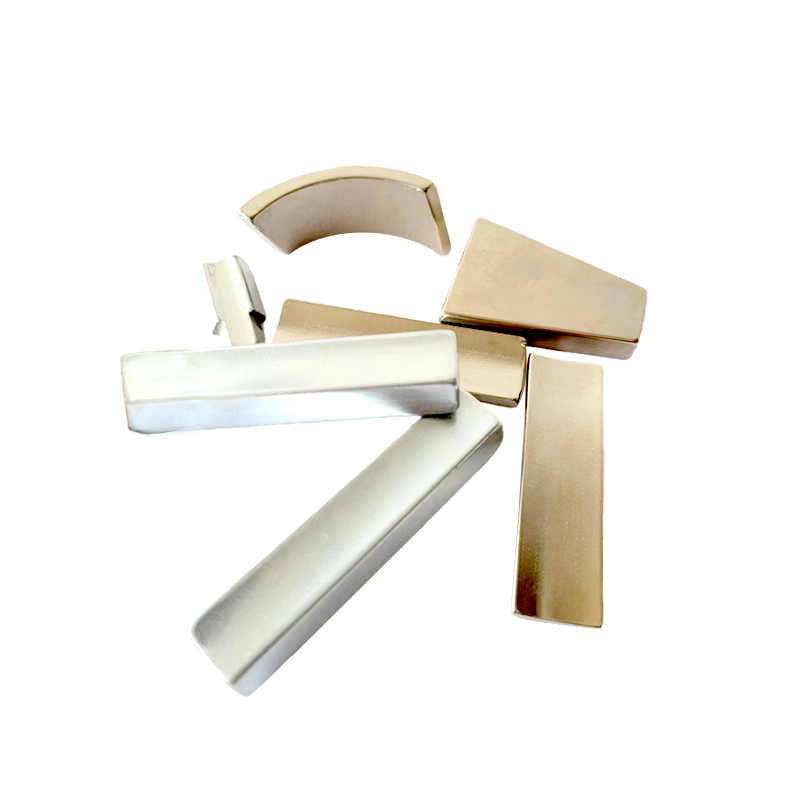
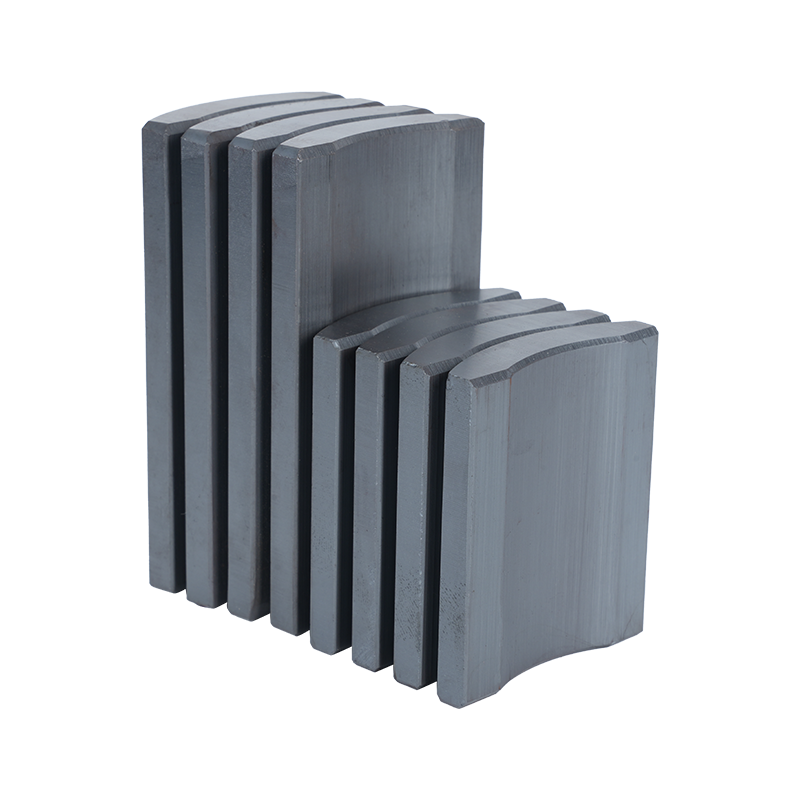
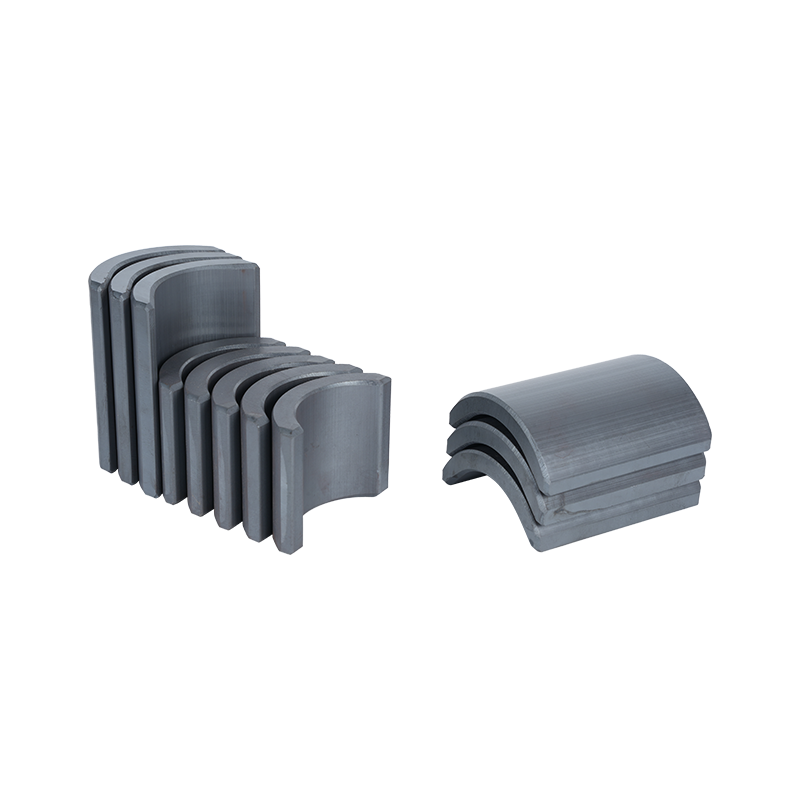
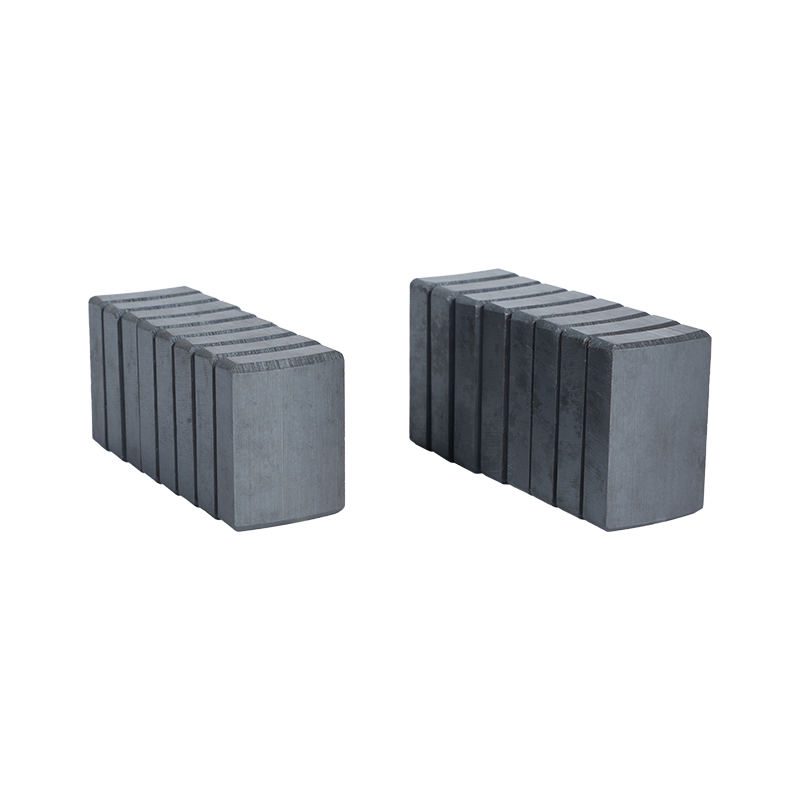
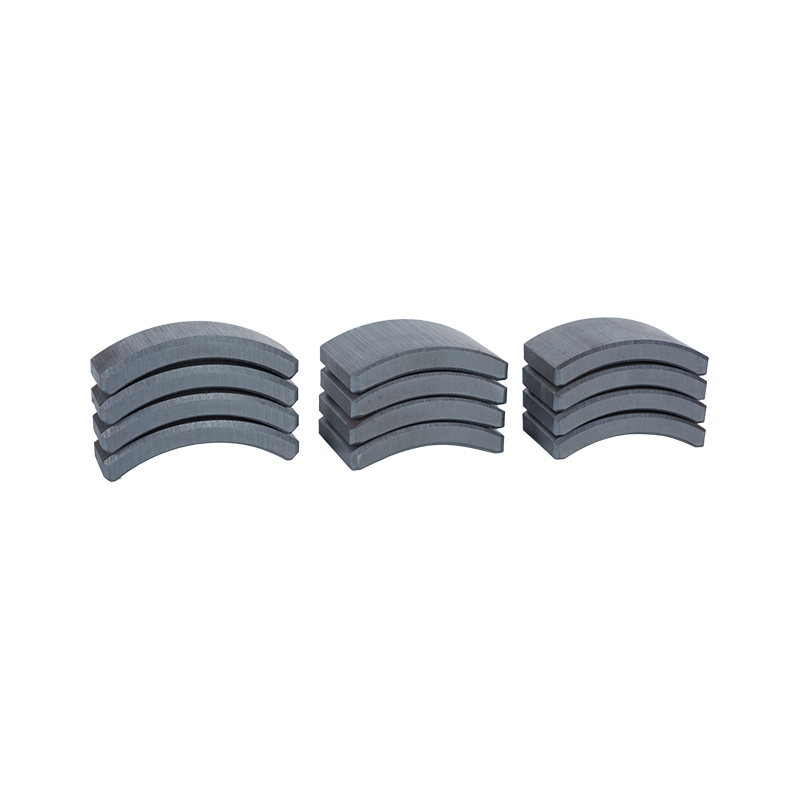
Dong Yang TianQi Magnetic Segment Co.,Ltd.(formerly Shuangyang Magnet Tile) is a professional enterprise specializing in the production of motor magnet tiles
Search by posts
Categories
Popular products
Contact Us
Industry News
 By Admin
How Does Curved Neodymium Magnet Shape Affect Installation
A magnet used in a curved mounting area needs to match the surrounding structure rather than simply fit within its available space. Shape affects how two surfaces meet, how a part is positioned, and how much adjustment may be needed during assembly.
A Curved Neodymium Magnet has a shaped working surface that can follow a rounded mounting area. Compared with a flat magnet, an arc-shaped piece may sit more naturally against a curved component, reducing unnecessary gaps between mating surfaces.
Installation conditions can vary widely. A magnet may be placed inside a cylindrical structure, along a rounded housing, or against a component with a gentle curve. In each situation, the relationship between magnet curvature and mounting surface becomes important.
Several factors deserve attention before installation:
- Shape of the mounting surface
- Direction of the curve
- Available contact area
- Position of nearby components
- Method used to hold the magnet in place
A suitable shape can make positioning more straightforward, while an unsuitable curve may leave gaps or create uneven contact. Installation therefore starts with the geometry of the surrounding structure rather than the magnet alone.
How Curved Neodymium Magnet Fits Different Mounting Surfaces
Flat surfaces allow a magnet to sit against a broad, even area. Curved surfaces create a different contact condition because the distance between two parts can change across the mounting area.
A curved magnet can follow part of a rounded surface, giving the assembly a closer geometric relationship. Such a design is often considered when a magnet needs to sit along an arc rather than across a flat plane.
For practical installation, several questions can help:
- Does the magnet curve in the same direction as the mounting surface?
- Does the working surface maintain suitable contact?
- Is there unwanted space between the two parts?
- Can the magnet be positioned without forcing it into place?
Curvature needs to be considered together with magnet dimensions. A magnet may have a suitable arc while still being too wide or too thick for the available mounting area.
Small differences in shape can also affect installation. When a curved part is placed into a matching location, incorrect orientation may cause one edge to contact before another. Installers may then need to reposition the component before fixing it permanently.
How Curvature Changes Magnet Positioning
Curvature can influence positioning in ways that are less obvious with flat magnets. A curved piece naturally has a preferred orientation because its inner and outer surfaces are not interchangeable.
During installation, the direction of the curve should correspond with the intended mounting location. A reversed position can create an unexpected gap or change how the magnet sits against nearby components.
Positioning also matters when several magnets are installed together. Each piece needs to follow the intended arc so that the overall arrangement remains consistent.
A practical installation sequence may involve:
- Checking the mounting curve
- Identifying the correct magnet orientation
- Placing the magnet without permanent fixing
- Checking nearby clearances
- Confirming alignment with adjacent parts
- Applying the chosen fixing method
Trial positioning can reveal problems before permanent assembly. Such a step is particularly useful where access becomes limited after surrounding components are installed.
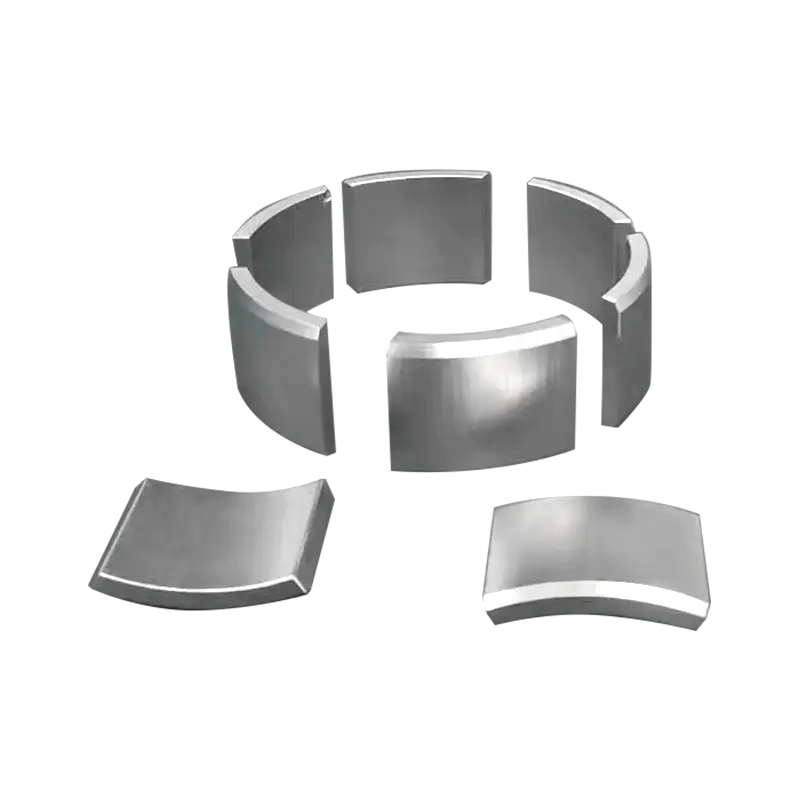
Why Motor Arc Magnet Uses Curved Geometry
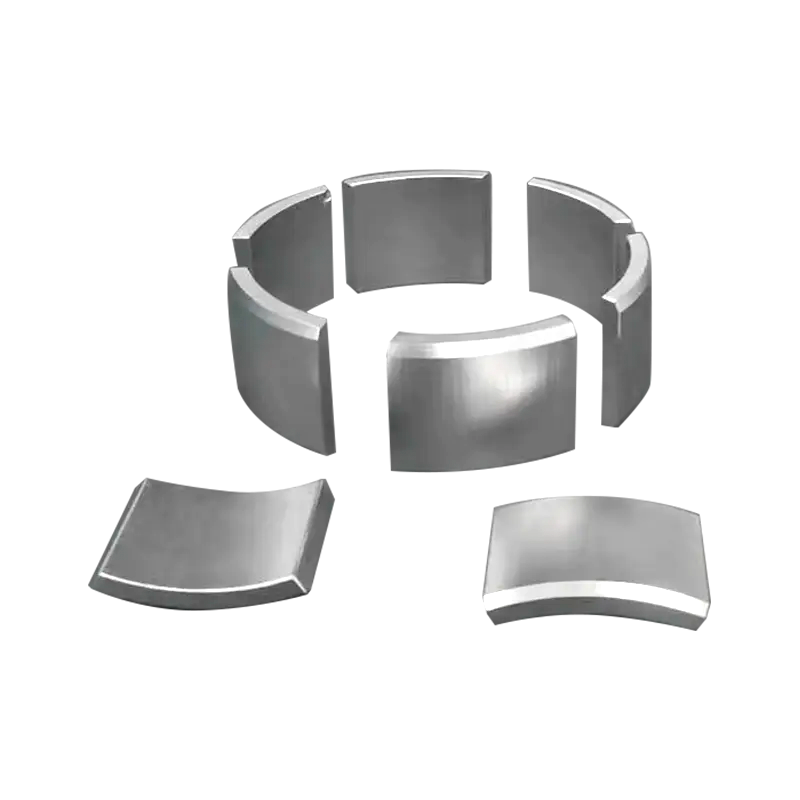
Motors often contain circular or partially circular internal structures, creating mounting areas that follow an arc. A Motor Arc Magnet is shaped to suit such arrangements, allowing several magnetic pieces to follow a rounded path within the assembly.
A curved form can help maintain a consistent relationship between the magnet and the surrounding circular structure. Rather than forcing a flat component onto a curved area, an arc-shaped piece follows the existing geometry.
Multiple magnets may be positioned around a circular section, making consistent placement important. Differences in orientation, spacing or curve direction can affect assembly conditions.
| Installation Factor | Curved Magnet Consideration |
|---|---|
| Mounting surface | Match the direction of curvature |
| Orientation | Confirm inner and outer curve |
| Adjacent magnets | Maintain intended spacing |
| Surrounding parts | Check available clearance |
| Fixing method | Suit the shape and mounting surface |
Motor assembly also places attention on repeatable positioning. When several arc-shaped pieces are arranged around a common center, each one needs to occupy its intended location. Installation tools or positioning fixtures may be used where manual alignment becomes difficult.
Curved geometry therefore comes from the structure of the motor itself rather than from appearance alone. The shape helps the magnetic component fit within an arrangement where circular space is already part of the design.
How Installation Clearance Affects Curved Magnet Selection
Clearance becomes important when a curved magnet sits close to another component. A suitable arc does not guarantee suitable installation space, since thickness, width and neighboring structures can affect the final position.
Too little clearance may make installation difficult. A magnet can touch an adjacent component before reaching its intended position, forcing an installer to adjust the placement or reconsider the fixing method.
Too much clearance can also create concerns where close positioning is required. A large gap may change the relationship between the magnet and the surrounding assembly.
Selection can therefore involve several dimensions at once:
- Curvature
- Overall length
- Width
- Thickness
- Distance from nearby components
Mounting space should be checked in the actual installation direction. Looking at a two-dimensional drawing may not reveal every interference point, especially when curved surfaces and surrounding structures overlap.
For assemblies containing several arc-shaped magnets, clearance between neighboring pieces also deserves attention. Each component needs enough room to reach its intended location without interfering with another piece during installation.
How Magnet Orientation Affects Installation
Orientation is closely connected with shape. A curved magnet cannot simply be rotated into any position and still maintain the same relationship with its mounting surface.
Magnetic orientation adds another layer to installation planning. When several pieces are arranged together, the intended pole direction needs to remain consistent with the design. Incorrect orientation can require removal and repositioning, making installation slower and potentially affecting the surrounding assembly.
A clear identification method can help during manual installation. Parts can be arranged in advance according to their intended positions, reducing confusion when several similar curved pieces are being handled.
Installation order can also matter. Where surrounding components limit access, placing magnets in a planned sequence may make positioning easier. A piece that is simple to install at an early stage may become difficult to reach once other components have been fixed.
Careful orientation therefore connects shape, position and assembly sequence. A curved magnet works within a specific geometric arrangement, so installation needs to preserve that relationship from initial placement through final fixing.
How Material and Surface Conditions Influence Mounting
A curved magnet does not interact only with its own shape. Condition of the mounting surface also affects how easily the part can be positioned and fixed. Dust, metal particles, oil or uneven areas can create small gaps between mating surfaces, making accurate placement harder.
Surface condition becomes especially relevant when a curved magnet is expected to sit closely against another curved component. Even when both curves appear compatible, residue or irregular areas can prevent the two surfaces from sitting as intended.
Before fixing a Curved Neodymium Magnet, installers can check:
- Whether the mounting area is clean
- Whether visible particles are present
- Whether the contact surface has unwanted damage
- Whether the curved area matches the intended position
- Whether the selected fixing method suits both surfaces
A smooth contact area can make positioning easier, while an uneven surface may require additional attention during assembly. Adhesive fixing, mechanical holding or another method may be selected according to the surrounding material and operating conditions.
Surface condition also matters during repeated production. When many identical components are assembled, small differences in cleaning or preparation can create variation in magnet position. Consistent preparation helps keep the installation process easier to control.
What Should Be Checked Before Installing a Curved Magnet
Installation preparation can prevent many problems that would otherwise appear after fixing. A quick dimensional and positional check gives installers a clearer picture of whether the selected magnet fits the intended location.
Curvature should be checked first. A magnet designed for an inward curve may not suit a mounting area with an outward curve, even when overall dimensions appear suitable.
Physical dimensions also need attention. Length, width and thickness influence available space around the component.
A practical check can include:
- Curvature
Confirm that the arc follows the mounting surface. - Orientation
Identify the intended position and magnetic direction before placement. - Clearance
Check surrounding components for possible interference. - Surface condition
Remove unwanted material from contact areas. - Fixing method
Confirm that the selected method can hold the curved part in its intended position.
A temporary placement before permanent fixing can reveal alignment problems early. Such a check becomes useful when the magnet is installed inside a confined structure where later adjustment would be difficult.
How Curved Magnet Design Affects Assembly Efficiency
Assembly becomes easier when magnet geometry follows the structure into which it will be installed. A matching curve can reduce the need for repeated repositioning, particularly when several pieces must be placed along a common circular path.
Consistent geometry also helps installers recognize the intended orientation. Similar parts can be prepared in their installation order, reducing the chance of placing one piece in the wrong location.
For multiple curved magnets, assembly planning may involve:
- Marking intended positions
- Preparing magnets in installation order
- Checking curve direction before placement
- Confirming spacing between neighboring pieces
- Inspecting alignment before final fixing
Positioning becomes more important as the number of magnets increases. A small shift in one location can influence the space available for another component, especially when several parts follow the same arc.
Fixtures or simple positioning aids may be considered where repeated installation requires consistent placement. Such aids can reduce manual adjustment and provide a more repeatable assembly process.
Efficiency in this context does not simply mean moving faster. Avoiding unnecessary repositioning, preventing installation mistakes and keeping parts aligned can make the complete process easier to manage.
How Curved Neodymium Magnet Design Connects With Installation Needs
Shape selection starts with the mounting environment. A Curved Neodymium Magnet intended for a rounded structure needs to follow the available arc, while dimensions, orientation and clearance determine whether practical installation is possible.
For motor-related applications, a Motor Arc Magnet follows a similar principle because circular internal structures often require magnetic components to occupy curved positions. Several parts may need to follow a common path, making consistent orientation and spacing important during assembly.
| Design Point | Installation Question |
|---|---|
| Curvature | Does the arc match the mounting surface? |
| Dimensions | Is enough room available around the magnet? |
| Orientation | Is the intended position clearly identified? |
| Spacing | Can neighboring components be installed without interference? |
| Surface condition | Is the contact area ready for fixing? |
| Assembly order | Can each part be reached and positioned easily? |
A magnet should therefore be selected as part of a complete installation arrangement rather than as an isolated component. Shape, mounting surface, available space and fixing method all influence how smoothly assembly can proceed.
Curved geometry can provide a practical match for rounded structures, especially where several magnetic components need to follow a common path. Proper preparation remains important because even a suitable shape can become difficult to install when orientation, surface condition or surrounding clearance has not been considered.
For equipment designers and assembly workers, checking those relationships before installation can reduce unnecessary adjustments and make the final positioning easier to control.
Recommended products
-
Professional Customized Ferrite Motor Magnetic Tiles
-
Hard Segment Arc Ferrite Magnetic Tiles
-
Anti-Corrosion Ferrite Arc Magnetic Tiles
-
Strong Magnetic Permanent Ferrite Magnetic Tiles
-
Heavy Duty Sintered Ferrite Magnetic Tiles
-
Industrial Magnetic Tiles
-
Electric Motor Magnet Tiles
-
Curved Neodymium Magnet
-
Block Neodymium Magnet
Contact Us

Ever since its establishment, TIANQI has never stopped walking in pursuit of quality.
About Us
Products Links
Contact Information
-

NO.55, Jici Road, Hengdian Town, Dongyang City, Zhejiang Province, China
-

Tel: +86 579-6311101
+86 579-6311106 -

E-mail:[email protected]
Copyright © Dong Yang TianQi Magnetic Segment Co.,Ltd.
Magnetic Tiles Factory
