


 English
 中文简体
中文简体
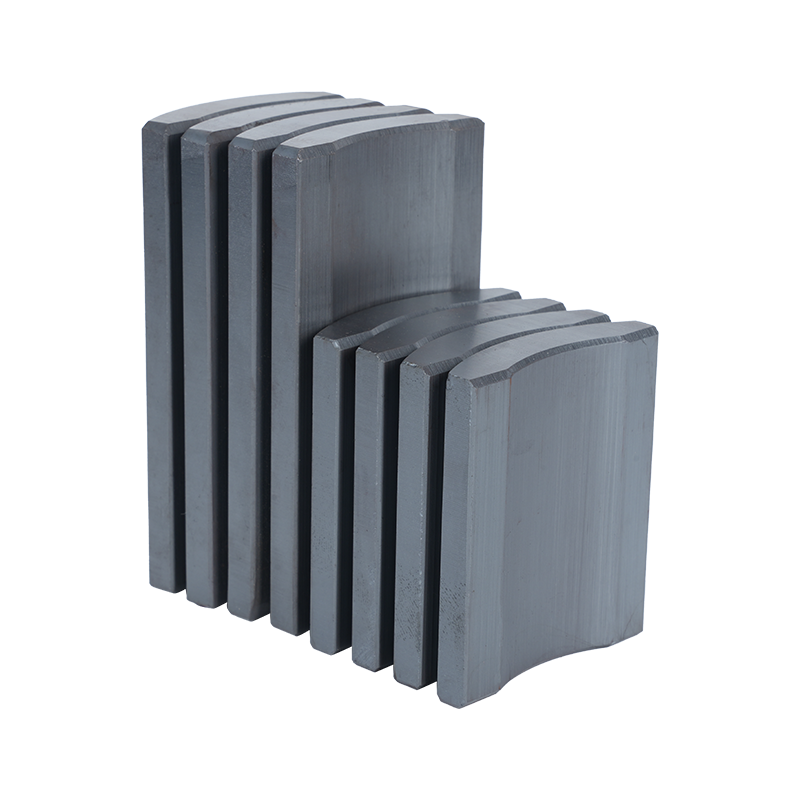
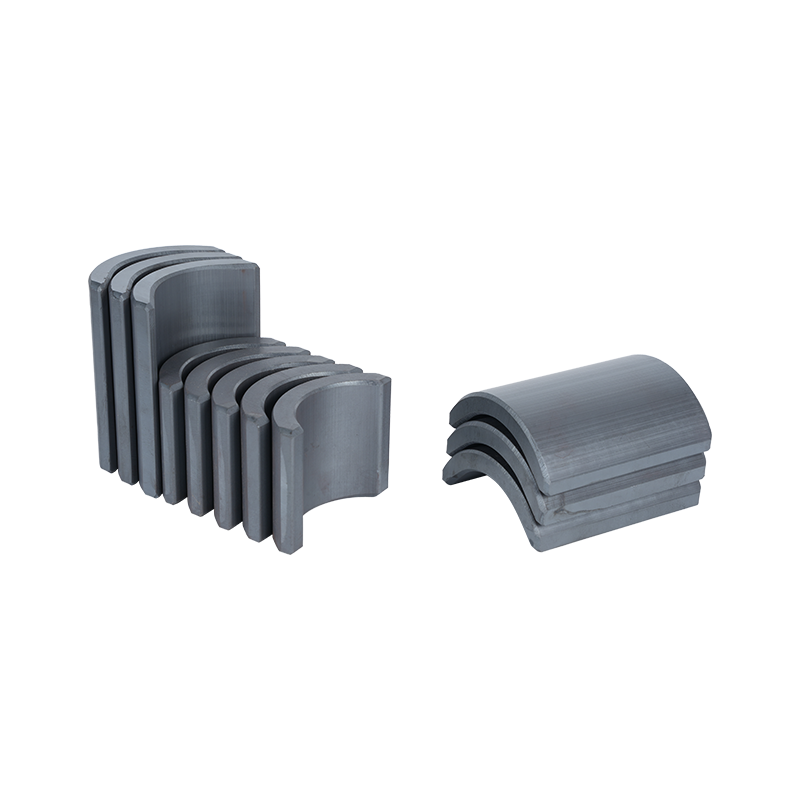
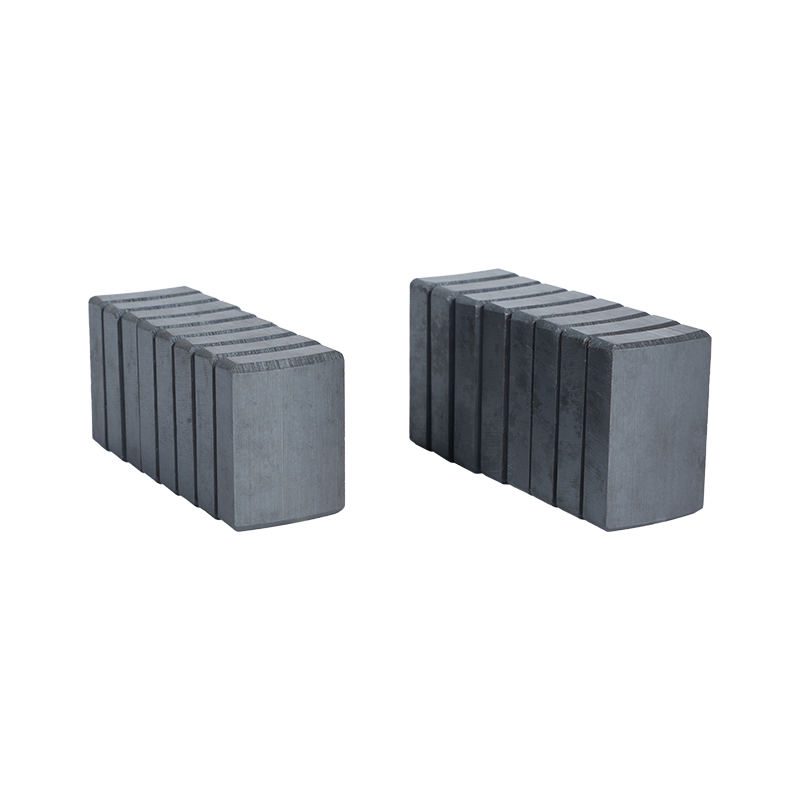
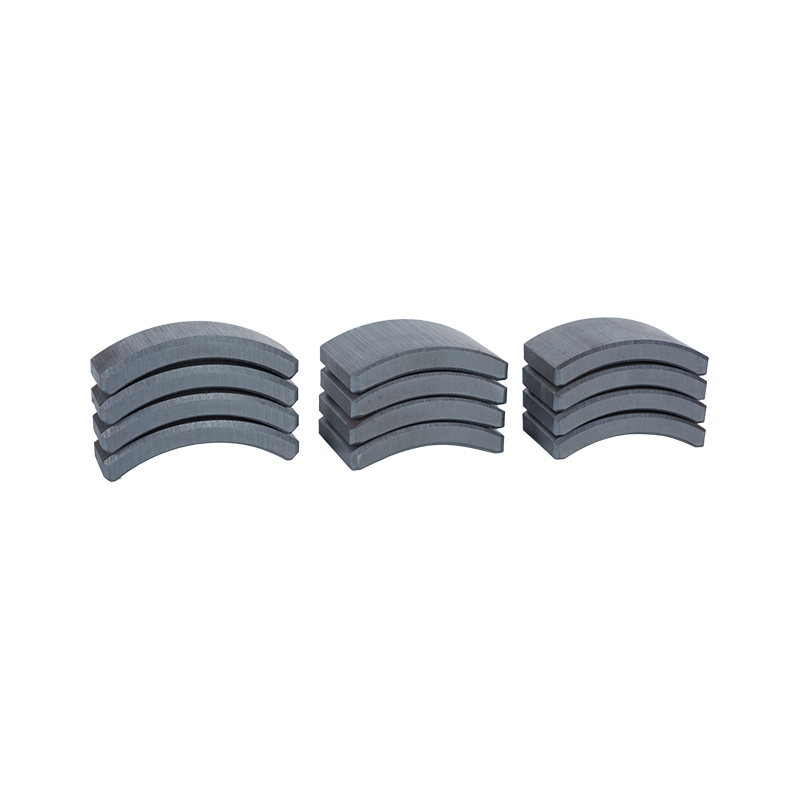
Dong Yang TianQi Magnetic Segment Co.,Ltd.(formerly Shuangyang Magnet Tile) is a professional enterprise specializing in the production of motor magnet tiles
Search by posts
Categories
Popular products
Contact Us
Industry News
 By Admin
Where Can You Find Ferrite Arc Magnet Applied in Everyday Devices
Many everyday devices contain magnetic components that remain hidden after assembly. They can support movement, sound production, or other functions inside compact equipment. The shape of a magnet matters because internal housings often contain curved or circular spaces rather than open rectangular areas.
An arc-shaped magnet can follow these curved structures and fit around nearby components. Common applications include small motors, speakers, fans, household appliances, and some compact electronic equipment.
Several factors influence where a curved magnet can be used:
- Available installation space
- Shape of the surrounding housing
- Position of nearby moving parts
- Required magnetic arrangement
- Method used to secure the component
The magnet is consequently part of a larger mechanical layout rather than an isolated component. Its dimensions and position need to correspond with the housing and the other parts around it.
How Are Ferrite Arc Magnets Applied in Small Motors
Small motors appear in fans, household appliances, office equipment, and other products that require controlled movement. Inside these assemblies, magnets interact with moving components to support rotation.
The curved profile of a Ferrite Arc Magnet can follow the inner circumference of a motor structure. Several pieces may be positioned around a central moving area, allowing the magnetic arrangement to occupy the available space without using a large rectangular block.
Mechanical stability is important during operation. Repeated movement or vibration can affect a poorly secured component, so the surrounding housing and fixing method need to keep the magnet in its intended position.
Motor design also requires attention to:
- Clearance around moving parts
- Alignment between adjacent magnetic pieces
- Stability of the fixing structure
- Available space within the housing
- Assembly order and accessibility
The same arrangement can appear in different products because many everyday appliances contain compact motor assemblies. Their external functions may differ, while their internal need for a suitable curved magnetic layout remains similar.
Where Can Ferrite Arc Magnets Be Found in Speakers
Speakers provide another familiar application. Inside a speaker, a magnetic structure works with a moving section to produce sound. The arrangement needs to provide sufficient space for movement while keeping the surrounding components properly positioned.
An arc-shaped magnet can fit into curved or circular areas within the assembly. This can help the magnetic structure follow the geometry of the housing while leaving room for other components.
Compact audio equipment often has limited internal space, making the physical relationship between the magnet, moving section, and housing important. The component needs to remain stable without interfering with nearby parts.
Practical considerations include:
- Matching the magnet shape to the internal layout
- Maintaining stable positioning during operation
- Providing suitable support through the surrounding structure
- Avoiding unnecessary pressure during assembly
- Allowing enough room for the required movement
Different speaker designs may use different internal arrangements, but the same principle applies: magnetic components need to fit both the functional requirements and the available physical space.
How Do Ferrite Arc Magnets Fit Into Household Equipment
Many household products contain small motor-driven mechanisms. Fans, compact pumps, air-moving equipment, and other appliances may use magnetic assemblies inside their housings.
A curved magnet can sit along a circular section of a motor while keeping the central area available for rotating parts. This arrangement can be useful where several components need to share a confined enclosure.
The application depends on the structure of the finished equipment. A fan may need space around rotating parts, while another appliance may place the motor close to other internal components. Installation space, fixing conditions, operating environment, and assembly requirements can all affect the suitable magnet design.
For production teams, the component should be considered together with its surrounding structure. A magnet designed for one appliance may not fit another when the housing shape or installation position changes.
This relationship between magnetic function and physical layout also affects component sourcing. A Ferrite Magnet Supplier may need to provide shapes and dimensions that correspond with the intended device structure, while manufacturers need to confirm that the selected component fits the assembly conditions.
Curved magnetic components are therefore found in a range of everyday equipment where movement or sound production depends on a compact internal magnetic arrangement. Their application is closely connected to how the surrounding device is shaped, assembled, and operated.
Why Does Magnet Shape Matter in Device Design
Magnet shape affects more than the appearance of a component. Inside a compact device, every part needs to occupy a defined area without interfering with neighboring structures. An arc-shaped magnet can follow a curved housing or circular assembly, making its physical form relevant to the way the device is arranged.
A straight magnet may require additional space around its edges when installed near a curved structure. A curved piece can sit closer to that structure when the radius and dimensions are suitable. The difference becomes relevant in motors and other assemblies where several magnetic pieces may be positioned around a moving section.
Design teams generally need to consider several aspects together:
- Curvature of the surrounding structure
- Available installation space
- Magnet dimensions and orientation
- Distance from nearby moving parts
- Method used to hold the component in position
- Assembly access during production
Magnetic requirements also need to match the physical arrangement. Changing the size or shape of a component can affect how it fits within the housing, so a replacement cannot be selected by material type alone.
The relationship becomes especially important when equipment is becoming more compact. Limited internal space leaves less room for adjustment during assembly. A suitable arc profile can help maintain the intended arrangement without creating unnecessary interference between adjacent components.
What Should Be Considered When Choosing a Ferrite Magnet Supplier
Sourcing a magnetic component involves more than checking whether the material is suitable for the intended application. Shape, dimensions, surface condition, mechanical requirements, and production consistency can all affect whether a component fits a particular device.
A Ferrite Magnet Supplier should be evaluated according to the requirements of the application rather than through general product descriptions. Clear drawings, sample confirmation, and communication about the installation environment can reduce misunderstandings between component sourcing and device production.
| Selection Factor | Why It Matters | What to Check |
|---|---|---|
| Shape | Needs to match the internal structure | Arc profile and surrounding geometry |
| Dimensions | Affects installation and clearance | Length, thickness, and fitting area |
| Magnetic requirements | Relates to the intended device function | Required magnetic characteristics |
| Mechanical condition | Supports stable assembly | Surface condition and physical integrity |
| Production consistency | Helps maintain predictable assembly | Similarity between supplied batches |
| Packaging and handling | Protects components before assembly | Suitable protection during transport |
Application requirements should be defined before supplier communication begins. A motor manufacturer may focus on curved dimensions and installation stability, while an audio equipment producer may have different requirements related to internal movement and housing design.
Sample inspection can also reveal practical issues that may not appear in a drawing. The component can be checked against the intended housing, installation position, and fixing method before larger production arrangements are made.
Clear communication is particularly useful when the magnet has a custom shape. Small differences in curvature or dimensions can affect the way adjacent parts fit together. Providing complete application information gives the supplier a clearer basis for production and inspection.
How Are Ferrite Arc Magnets Installed and Secured
Installation determines whether a correctly shaped magnet remains in its intended position during operation. The fixing approach depends on the surrounding structure, operating conditions, and assembly process.
A curved magnetic piece may be secured with an adhesive, a supporting structure, or a combination of holding methods. Whatever approach is selected, the contact area needs to correspond with the shape of the component and the housing.
Before fixation, several conditions should be checked:
- The magnet sits in the intended position.
- Contact surfaces are suitable for the selected fixing method.
- Adjacent components have sufficient clearance.
- Magnetic pieces are arranged in the required direction.
- The assembly does not place unnecessary pressure on the component.
Multiple arc-shaped magnets require consistent positioning. If one section shifts during assembly, the spacing between neighboring pieces can change. A simple positioning check before final fixation can help identify such issues while adjustment remains practical.
Handling also deserves attention because ferrite is a ceramic-based material. It can be affected by impact or excessive mechanical force during assembly. Suitable handling practices can reduce the risk of chipped edges or damaged surfaces.
The fixing process should fit the production sequence rather than being treated as a separate step. Positioning, securing, inspection, and subsequent assembly all need to work together so that the magnetic component remains stable inside the finished device.
How Can Ferrite Arc Magnets Support Practical Device Design
Everyday devices use magnetic components in different ways, but the physical relationship between the magnet and the surrounding structure remains important. Motors need room for movement, speakers need space for their moving sections, and household equipment often places several components within a confined housing.
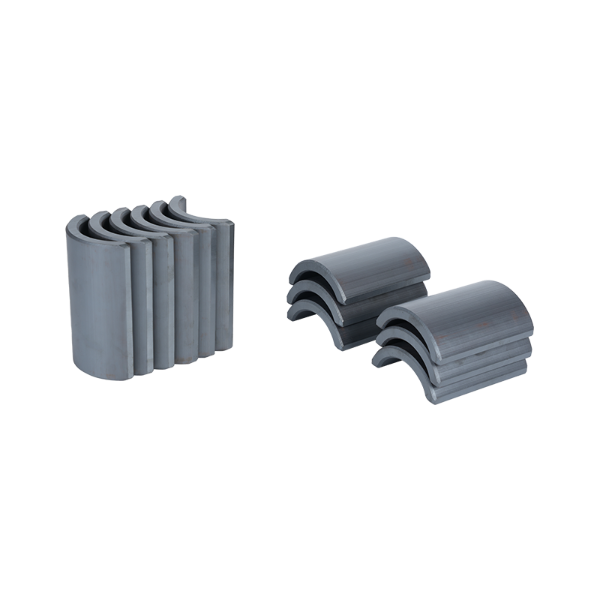
A Ferrite Arc Magnet can suit applications where a curved magnetic component needs to follow the geometry of the device. Its usefulness depends on the actual design rather than on the shape alone. The required dimensions, magnetic characteristics, installation method, and operating environment all influence the final selection.
For product development and sourcing, several questions can help define the requirement:
- Where will the magnet be installed?
- What shape does the surrounding structure require?
- How much clearance is available?
- How will the component be fixed?
- Will several magnetic pieces need to work together?
- What conditions will the assembly encounter during operation?
These questions connect component selection with the finished product. They also provide a practical basis for communication with a Ferrite Magnet Supplier, particularly when a curved component needs to match a specific housing.
The applications found in motors, speakers, fans, and household equipment show why magnet geometry deserves attention during product development. A component may be small and hidden from view, yet its dimensions and position can affect the arrangement of the surrounding assembly.
For manufacturers, a suitable magnetic component is one that corresponds with the actual mechanical and functional requirements of the device. Careful attention to shape, placement, fixing, and sourcing can keep the magnetic assembly compatible with the product throughout production and normal use.
Recommended products
-
Professional Customized Ferrite Motor Magnetic Tiles
-
Hard Segment Arc Ferrite Magnetic Tiles
-
Anti-Corrosion Ferrite Arc Magnetic Tiles
-
Strong Magnetic Permanent Ferrite Magnetic Tiles
-
Heavy Duty Sintered Ferrite Magnetic Tiles
-
Industrial Magnetic Tiles
-
Electric Motor Magnet Tiles
-
Curved Neodymium Magnet
-
Block Neodymium Magnet
Contact Us

Ever since its establishment, TIANQI has never stopped walking in pursuit of quality.
About Us
Products Links
Contact Information
-

NO.55, Jici Road, Hengdian Town, Dongyang City, Zhejiang Province, China
-

Tel: +86 579-6311101
+86 579-6311106 -

E-mail:[email protected]
Copyright © Dong Yang TianQi Magnetic Segment Co.,Ltd.
Magnetic Tiles Factory
