


 English
 中文简体
中文简体
Dong Yang TianQi Magnetic Segment Co.,Ltd.(formerly Shuangyang Magnet Tile) is a professional enterprise specializing in the production of motor magnet tiles
Search by posts
Categories
Popular products
Contact Us
Industry News
 By Admin
How Is a Curved Neodymium Magnet Different from a Block or Ring Magnet
Magnet shape is closely related to the way a component fits into a larger assembly. A flat block, a circular ring, and a curved segment may use similar magnetic materials, yet their physical forms create different installation conditions. The choice is therefore not only about magnetic force. Space, contact surfaces, movement, fixing methods, and the shape of nearby parts can all influence which design fits a particular application.
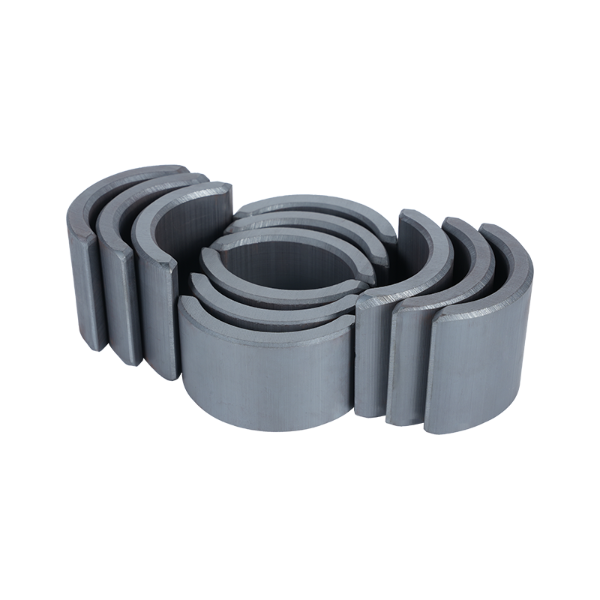
A Curved Neodymium Magnet is commonly considered when a magnet needs to follow a rounded surface or work around a curved component. Block magnets provide a flat geometry, while ring magnets contain a central opening that allows another component to pass through. Looking at these differences helps clarify why magnet shape is treated as part of mechanical design rather than as an isolated component choice.
Why Does Magnet Shape Matter in Different Applications
A magnet sits within a physical structure, so its shape affects how it can be positioned and secured. A flat block can sit against a flat surface with relatively simple mounting arrangements. A curved piece can follow the contour of a rounded housing, while a ring can surround or sit around a central component.
The surrounding structure often determines which geometry makes practical sense. A magnet that does not match the available mounting surface may require additional supports or changes to the assembly. Such changes can affect available space, movement, and the way the magnet interacts with nearby components.
Several factors are commonly considered when comparing magnet shapes:
- Mounting surface: A flat, curved, or circular surface can call for different magnet geometries.
- Available space: Nearby components may restrict the magnet's length, width, thickness, or position.
- Movement: Rotating or moving parts can require a shape that follows their path more naturally.
- Fixing method: Adhesive bonding, mechanical retention, or a dedicated holder may suit different forms.
- Component arrangement: Shafts, housings, covers, and other surrounding parts can influence the usable shape.
Magnetic behavior also needs to be considered alongside these physical factors. Changing the shape changes the location and orientation of the magnetic material within the assembly. As a result, two magnets made from similar material can interact with nearby parts in different ways simply because their geometries are different.
For manufacturers and engineers, shape selection is therefore connected to the complete assembly rather than just the magnet itself.
What Makes a Curved Neodymium Magnet Different in Shape
A curved magnet has a surface that follows part of a circular or rounded form. Instead of presenting a simple flat face like a block magnet, its geometry is designed around a particular radius or curved installation area.
That feature can be useful when the surrounding component already has a rounded profile. Rather than leaving a large gap between a flat magnet and a curved surface, a matching curve can provide a different physical fit. The actual suitability still depends on the dimensions and shape of the mating component.
A curved design can also be considered for assemblies involving rotational movement. When magnetic elements are positioned around a circular path, a curved form may follow that path more naturally than a rectangular block. The arrangement can influence how the magnetic surface is positioned relative to another component as movement takes place.
Physical shape also affects handling during assembly. A curved piece needs to be placed in the intended orientation, and its mounting surface needs to match the surrounding structure. Incorrect positioning can change the relationship between the magnet and nearby parts.
| Magnet Shape | Typical Physical Feature | Installation Consideration |
|---|---|---|
| Curved | Rounded outer or inner surface | Needs attention to curvature and orientation |
| Block | Flat rectangular surfaces | Often suited to flat mounting areas |
| Ring | Circular body with a central opening | Allows space for a shaft or similar component |
A curved geometry does not automatically make a magnet suitable for every rounded application. The radius, dimensions, mounting direction, and surrounding clearance still need to correspond with the actual assembly. Shape provides the starting point, while the complete mechanical arrangement determines whether that form can be used effectively.
How Does a Curved Shape Affect Magnetic Interaction
Magnetic interaction takes place across a space between the magnet and another magnetic or responsive component. The geometry of the facing surfaces can influence how that interaction is distributed.
With a flat block magnet, the working face generally presents a flat plane. A curved magnet changes that arrangement because part of its surface follows an arc. When the mating component has a similar contour, the relative position between the two surfaces can remain more consistent across the intended area.
The effect becomes particularly relevant in assemblies where components move in relation to one another. A magnet placed around a curved path may maintain a different spatial relationship during movement compared with a rectangular piece positioned on the same structure.
Several physical conditions can influence the interaction:
- Surface shape — The contour of the magnet and nearby component affects their relative position.
- Gap between parts — Changes in spacing can alter the magnetic interaction.
- Orientation — The direction in which the magnet is installed affects how it faces the surrounding component.
- Position — Small changes in location can alter where magnetic interaction occurs.
- Movement path — Rotating or sliding components can change the relative position between magnetic surfaces.
For that reason, a curved form should be considered as part of the complete movement and mounting arrangement. Simply replacing a block with a curved piece does not create the same installation or interaction conditions.
The surface condition also deserves attention. Scratches, dirt, uneven contact, or an unsuitable mounting surface can change the physical relationship between components. Clean assembly surfaces and controlled positioning can help maintain the intended arrangement.
How Does a Block Magnet Compare With a Curved Design
Block magnets use a straightforward geometry with flat faces and defined edges. Their shape can fit naturally into assemblies that already provide flat mounting surfaces. This can simplify the physical layout where there is no need to follow a rounded contour.
A block form can also offer flexibility in orientation. Depending on the assembly, it may be positioned with different faces toward the nearby component. The final arrangement depends on the available space, fixing method, and required magnetic direction.
A curved design introduces a different consideration. Its surface is formed around a particular contour, so the surrounding structure needs to provide a compatible space. When that condition is present, the curved shape can sit more naturally against the intended area. When the structure is flat, however, a curved surface may require additional support or leave unused space.
The comparison is therefore less about one shape replacing another and more about matching geometry to the assembly.
For example, a flat mounting plate may accommodate a block magnet without changing the surrounding structure. A rounded housing may call for a curved form where contact with the housing is an important consideration. An assembly containing a central shaft may instead require a ring structure.
Shape selection also affects maintenance and replacement. A replacement component needs to fit the original mounting position, so curvature, dimensions, orientation, and fixing method should be checked rather than relying on a general description such as “small magnet” or “large magnet.”
As magnet applications become more closely integrated with mechanical assemblies, these physical differences become increasingly relevant during design and production. The next step is to look at ring magnets, whose central opening creates a different type of installation arrangement.
Where Does a Ring Magnet Fit Into the Comparison
A ring magnet has a circular body with an opening through the center. That opening gives it a different role from both a block magnet and a curved segment. Rather than placing the magnet beside a component, the design can leave room for a shaft, tube, fastener, or another part to pass through the middle.
The circular form can be useful in assemblies where the central space is already part of the mechanical layout. The outside diameter, inside opening, thickness, and magnetic orientation all need to correspond with the surrounding parts. A small mismatch in the mounting arrangement can create clearance problems or make fixing more difficult.
A ring structure can also be positioned around a rotating component. In such cases, the relationship between the magnet and the moving part needs to remain controlled throughout operation. The circular geometry provides a defined arrangement around the central opening, while the surrounding housing determines how the component is held in place.
A curved magnet approaches a similar type of rounded assembly from another direction. Instead of forming a complete ring, it can occupy part of a curved path. That makes the two designs physically different even when both are intended for components with rounded features.
The practical comparison can therefore be based on the surrounding structure:
- A block magnet suits a layout with a relatively flat mounting area.
- A ring magnet suits an arrangement where a central opening has a functional purpose.
- A Curved Neodymium Magnet can fit part of a rounded surface or curved path.
The suitable form depends on the space available and how the magnet needs to interact with nearby components. Shape alone does not determine whether a particular design will work.
How Does Installation Change Between Different Magnet Shapes
Installation requirements change with the physical form of the magnet. A block can usually be placed against a flat mounting area, while a curved design needs attention to its contour and orientation. A ring introduces another consideration because the central opening has to remain aligned with the component passing through it.
Before installation, the surrounding structure should be checked for available clearance. The magnet should not interfere with moving parts, covers, fasteners, or other components. Mounting surfaces also need to be clean and suitable for the selected fixing method.
For a curved design, several points deserve attention:
- Check that the radius matches the intended mounting surface.
- Confirm the magnet is facing the correct direction.
- Check that nearby components have enough clearance.
- Make sure the fixing method holds the magnet in its intended position.
- Inspect the magnet for chips, cracks, or surface damage before assembly.
A ring magnet requires similar checks, with additional attention to the central opening. A shaft or other component should pass through the available space without unwanted contact. Block magnets are generally easier to position on flat surfaces, although their orientation and mounting position still need to be controlled.
Installation also involves handling. Neodymium magnets can attract nearby metal parts unexpectedly, so assembly areas should be arranged carefully. The magnet should be kept away from components that could be pulled toward it during positioning.
Once installed, the surrounding assembly should be checked again. A component that fits correctly before movement may behave differently once a shaft rotates or another part travels along a defined path.
What Production Factors Does a Neodymium Magnet Factory Need to Consider
Different magnet shapes create different production and inspection requirements. A simple block has flat faces and relatively straightforward dimensions. A ring requires control of both its outside form and central opening. A curved design adds the need to maintain the intended contour across the working surface.
A Neodymium Magnet Factory may therefore need to consider several aspects during production:
- Shape consistency: The finished magnet needs to follow the specified geometry.
- Dimensional control: Length, width, thickness, diameter, or curvature need to match the intended assembly.
- Surface condition: The working surface should be inspected for visible damage or unwanted irregularities.
- Magnetic orientation: The intended pole arrangement needs to correspond with the application.
- Handling condition: Finished pieces need suitable protection during movement and storage.
Curved pieces can require particular attention because a change in curvature may affect how the magnet sits against its mating component. Ring magnets also need inspection around the central opening, where dimensional changes can affect assembly clearance.
Production inspection does not stop with the magnet's external shape. The relationship between physical dimensions and the intended mounting arrangement also matters. A magnet can appear correctly formed while still creating a fitting issue when installed in a specific housing.
For a Neodymium Magnet Factory, production planning therefore involves more than forming the magnetic material. Processing, inspection, handling, and packaging all have a connection with the final shape and intended use.
How Should Magnet Shape Be Selected for Different Designs
Magnet selection can start with the shape of the surrounding component. A flat plate, rounded housing, rotating structure, or shaft-based assembly can present very different installation conditions.
A simple comparison can help during early design work:
- Flat mounting area A block form may fit naturally when the available surface is flat and there is no need for a curved contact area.
- Rounded housing A curved form can be considered when the magnet needs to follow part of the housing contour.
- Central shaft or tube A ring form may be appropriate when an opening through the magnet is part of the intended assembly.
Other factors should then be checked. Available space, mounting direction, fixing method, movement, clearance, and the position of nearby magnetic materials can all affect the choice.
The magnetic requirements also need to be considered together with the physical design. Changing from one shape to another can change the position of the magnetic material, even when the surrounding assembly remains unchanged.
For that reason, selecting a Curved Neodymium Magnet should involve the actual mounting area rather than only a general preference for curved geometry. The same principle applies to block and ring forms.
Design drawings, physical samples, or assembly checks can help identify fitting problems before regular production begins. Such checks are useful when a magnet has to sit within a limited space or move close to another component.
What Should Be Checked Before Using a Curved Magnet
A curved magnet should be checked against the actual installation conditions before it enters regular use. The inspection can begin with physical dimensions and continue through mounting, orientation, and surrounding clearance.
The curvature should match the intended surface closely enough for the planned fixing method. The magnet should also sit in the correct direction, especially where its pole arrangement affects interaction with another component.
Surface condition deserves attention as well. Cracks, chips, damaged coating, or contamination may affect handling and installation. Any fixing material should also be compatible with the surrounding structure and operating conditions.
The inspection can include:
- Confirming the magnet dimensions.
- Checking the curved surface and edges.
- Confirming magnetic orientation.
- Checking the mounting position.
- Inspecting nearby moving components.
- Confirming available clearance.
- Checking the fixing method before final assembly.
Storage and handling should not be overlooked. Magnets should be protected from impacts and kept in an organized location where they will not unintentionally attract loose metal objects.
How Can Shape Comparison Support Practical Magnet Selection
Curved, block, and ring magnets address different physical arrangements. Their differences can be seen in the way each form occupies space, meets a mounting surface, and relates to nearby moving or stationary components.
A curved form follows part of a rounded path. A block provides flat faces for a different type of mounting arrangement. A ring leaves a central opening for an assembly built around a shaft or similar component.
The selection process can therefore consider several questions:
- What shape is the available mounting surface?
- Does the magnet need to follow a curved path?
- Is a central opening required?
- How will the magnet be fixed?
- Will nearby components move during operation?
- What clearance is available around the magnet?
- Does the production process support the required geometry?
A Neodymium Magnet Factory also needs to consider whether the selected shape can be produced and inspected according to the intended design requirements. For curved products in particular, the relationship between geometry, orientation, and mounting position should remain clear throughout production.
Choosing a magnet shape is ultimately part of fitting a component into a larger mechanical arrangement. Looking at the surrounding structure, installation conditions, movement, and production requirements together gives a clearer basis for selecting between curved, block, and ring forms.
Recommended products
-
Professional Customized Ferrite Motor Magnetic Tiles
-
Hard Segment Arc Ferrite Magnetic Tiles
-
Anti-Corrosion Ferrite Arc Magnetic Tiles
-
Strong Magnetic Permanent Ferrite Magnetic Tiles
-
Heavy Duty Sintered Ferrite Magnetic Tiles
-
Industrial Magnetic Tiles
-
Electric Motor Magnet Tiles
-
Curved Neodymium Magnet
-
Block Neodymium Magnet
Contact Us

Ever since its establishment, TIANQI has never stopped walking in pursuit of quality.
About Us
Products Links
Contact Information
-

NO.55, Jici Road, Hengdian Town, Dongyang City, Zhejiang Province, China
-

Tel: +86 579-6311101
+86 579-6311106 -

E-mail:[email protected]
Copyright © Dong Yang TianQi Magnetic Segment Co.,Ltd.
Magnetic Tiles Factory
