


 English
 中文简体
中文简体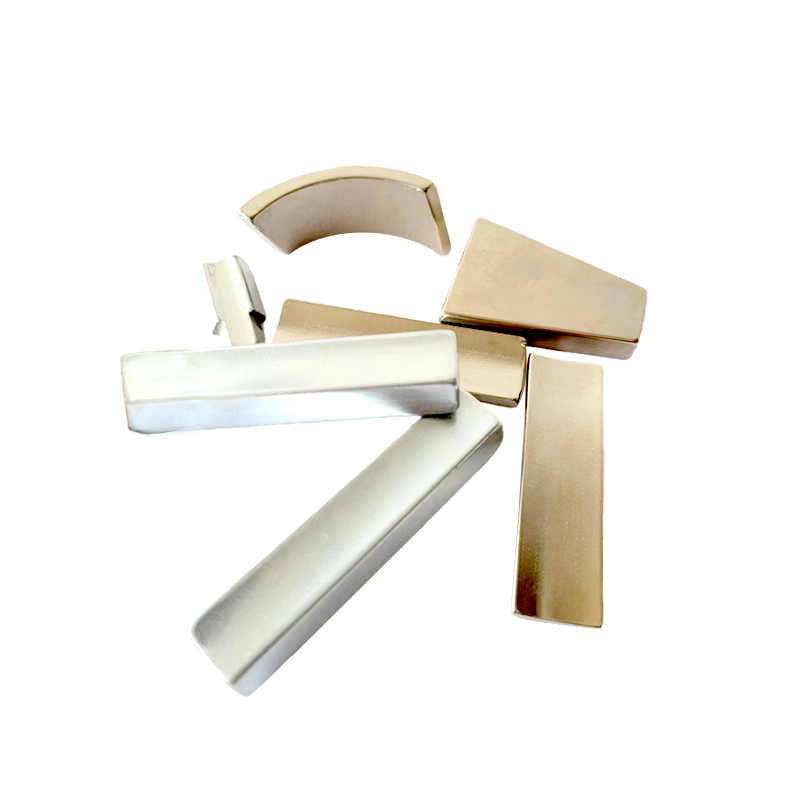
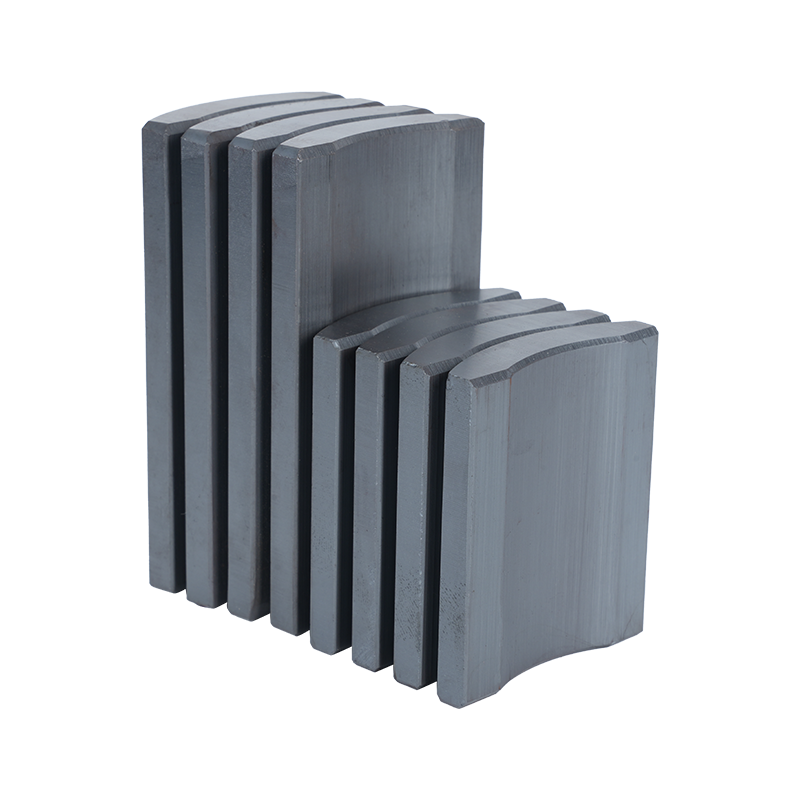
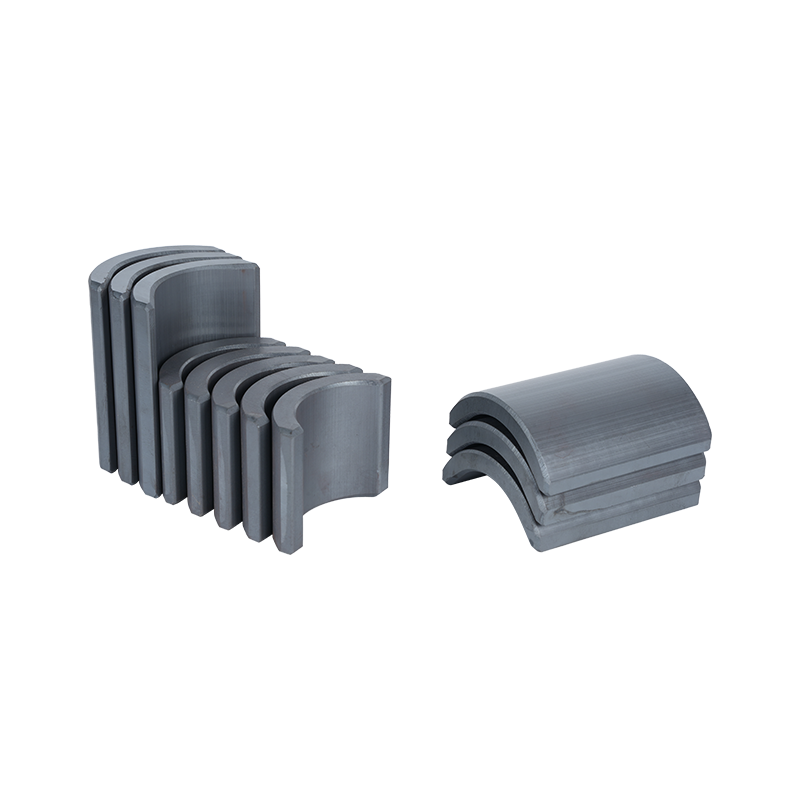
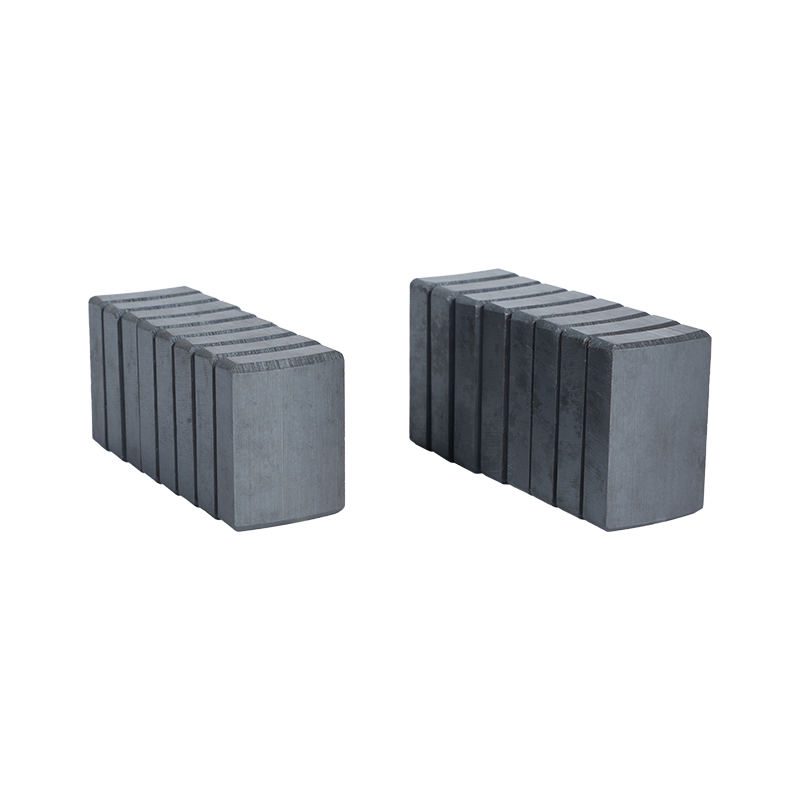
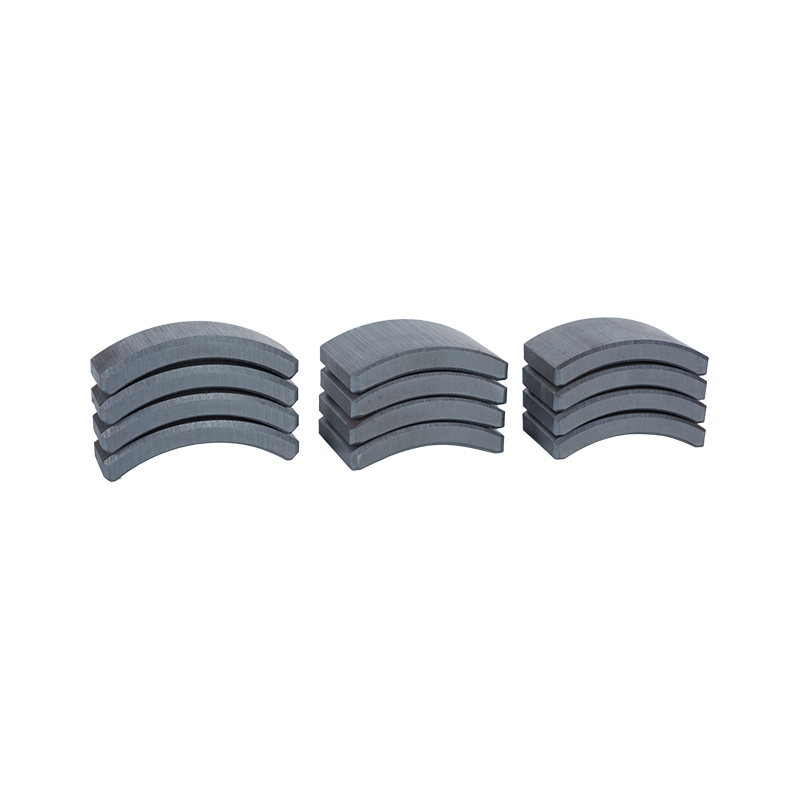
Dong Yang TianQi Magnetic Segment Co.,Ltd.(formerly Shuangyang Magnet Tile) is a professional enterprise specializing in the production of motor magnet tiles
Search by posts
Categories
Popular products
Contact Us
Industry News
 By Admin
What Is the Difference Between Ferrite and Neodymium Magnets
Ferrite Magnet Material is a ceramic‑based magnetic material commonly used where a stable and practical magnetic structure is needed. Its composition gives it a different character from rare‑earth magnetic materials, so product designers often consider ferrite and neodymium separately when planning a magnetic component.
Ferrite magnets are generally formed into familiar shapes such as discs, blocks, rings, and other simple profiles. Their ceramic nature makes the material relatively hard and resistant to some forms of everyday wear, although it can also make the magnet more prone to cracking when exposed to impact or rough handling.
A useful point to consider is that magnet material does not work independently from product design. A component may need a certain size, shape, holding position, or installation method, and those requirements can influence whether ferrite is suitable.
Ferrite Magnet Material is often considered for products where available space is not especially limited. Larger magnetic components can be incorporated into equipment without creating a difficult installation problem. For products with wider mounting areas, a ferrite magnet may fit naturally into the overall structure.
Surface condition also matters during production and use. A clean, intact surface allows the magnet to sit properly against its mating part. Cracks, chips, or rough handling can affect installation, so care is needed when magnets are moved or assembled.
Several basic factors usually come together during material selection:
- Available installation space
- Required magnet shape
- Contact position
- Working environment
- Handling conditions
- Surface protection needs
Looking at those factors together gives a clearer picture of where ferrite material fits within a product. Material choice is therefore less about selecting a general category and more about matching magnetic components with the physical design around them.
How Are Neodymium Magnets Different From Ferrite Magnets
Neodymium magnets and ferrite magnets differ mainly in their material characteristics, size requirements, and common design applications. Neodymium magnets belong to a rare‑earth material group, while ferrite magnets have a ceramic‑based structure.
One visible difference appears when designers work with limited space. A neodymium magnet can provide the required magnetic function within a relatively compact component, allowing products to be designed around smaller mounting areas. Ferrite magnets may require more physical space for a similar design purpose.
Weight can also influence the choice. A larger ferrite component may add more material to a product, while a smaller neodymium component can sometimes fit into a lighter assembly. Such differences become relevant when magnetic parts need to be installed inside handheld products, compact mechanisms, or moving components.
Handling requirements are not identical either. Ferrite has a ceramic character and can crack under a strong impact. Neodymium magnets are also hard and can chip or break when handled roughly, so both materials require care during assembly.
Surface protection creates another difference. Neodymium magnetic material can be more sensitive to exposure from moisture and surrounding conditions, making suitable surface protection important in many applications. Ferrite generally has different environmental considerations because of its ceramic composition.
Neither material should be selected from magnetic strength alone. A product may have enough installation space for ferrite, making its physical size acceptable. Another product may have very little room around the mounting position, making a compact magnetic component more suitable.
Product designers usually need to consider:
- Space: How much room is available around the magnetic component?
- Shape: Does the magnet need to follow a flat, circular, or curved surface?
- Environment: Will moisture, temperature changes, or outdoor exposure affect the component?
- Handling: How will the magnet be installed, transported, and stored?
- Product structure: Can the surrounding parts accommodate the selected magnet without affecting normal operation?
Such questions help separate practical material selection from simple comparisons based on one characteristic.
Why Does Magnet Size Matter in Product Design
Magnet size can influence much more than the appearance of a component. Available space, mounting position, surrounding parts, and product weight all need to work together.
A large ferrite magnet may fit comfortably inside a device with a broad internal area. A compact product may have little room for a large magnetic component, making physical dimensions an important part of early design work.
Thickness can also affect installation. A magnet that extends too far from its mounting surface may interfere with nearby parts. A component that is too thin may not fit securely in its intended location. Designers therefore need to look at the magnet and surrounding structure as one assembly.
Length and width matter when the magnetic area follows a specific shape. A rectangular component may fit well inside a flat housing, while a circular product may require a ring or disc‑shaped part. Product geometry often determines which magnet dimensions make sense.
Weight should also be considered in moving products. Adding a larger magnetic component can change how a small assembly feels or moves. For stationary equipment, such a difference may have little effect. Portable or moving products may need more careful planning.
Size selection can be approached through several simple questions:
- How much space is available?
- How will the magnet be fixed in place?
- Will nearby components interfere with its position?
- Does the product need a flat or curved magnetic surface?
- Will magnet weight affect movement or handling?
A magnet should fit the physical structure without forcing unnecessary changes elsewhere in the product. Good planning at the design stage can make later assembly easier and reduce the need for repeated adjustments.
How Does Magnet Shape Affect Practical Use
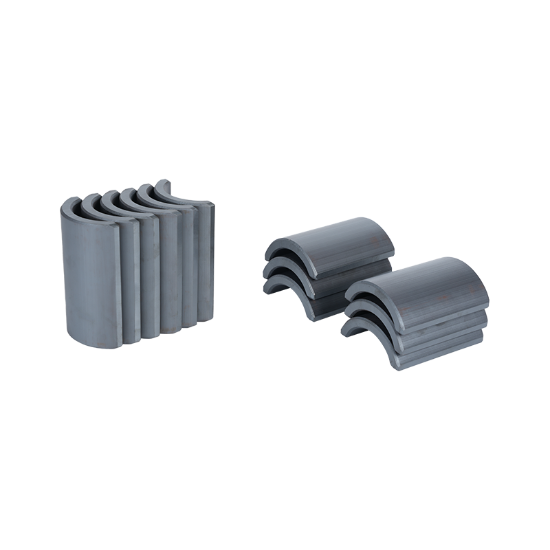
Shape plays an important role when a magnet needs to follow the form of a product. A flat disc may work well against a flat surface, while a ring can surround an opening or fit around a central component. Block shapes can suit rectangular spaces, and curved magnets can follow rounded structures.
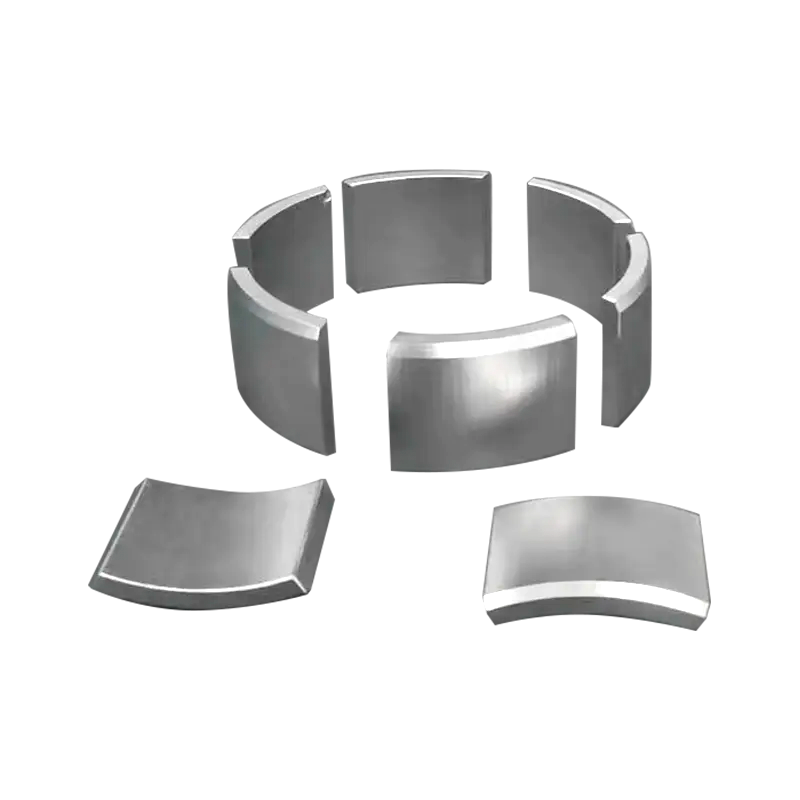
A Curved Neodymium Magnet is useful to consider when a magnetic component needs to match an arc or cylindrical surface. Curved geometry can allow the magnet to sit closer to the surrounding structure instead of leaving unnecessary gaps between flat surfaces.
Shape also affects installation. A magnet designed to fit a specific recess can remain more stable than a component that does not match its mounting area. Proper positioning helps prevent unwanted movement during product operation.
Different shapes can serve different design needs:
- Disc shapes can suit circular mounting areas.
- Block shapes can fit rectangular housings.
- Ring shapes can work around openings or central parts.
- Curved shapes can follow rounded surfaces.
- Custom profiles may be considered when ordinary shapes cannot fit the product structure.
Manufacturing also becomes more closely connected with shape. A simple profile may be easier to handle during production, while a specially shaped magnet can require more attention to orientation, placement, and surface protection.
Curved designs are particularly relevant in products where magnetic components sit around rotating or rounded structures. Rather than forcing a flat magnet into an unsuitable position, a curved form can follow the available space more naturally.
Still, shape should not be considered alone. Material type, size, mounting method, surrounding components, and working environment all influence whether a particular magnet design is practical.
How Does Ferrite Magnet Material Handle Different Environments
Working environment can change how a magnetic material should be selected, stored, and protected. Indoor equipment may face relatively stable conditions, while outdoor products can experience moisture, dust, temperature changes, and repeated handling.
Ferrite Magnet Material has a ceramic structure, giving it environmental characteristics that differ from neodymium material. Its surface does not require the same type of protection approach in every application, although the complete product still needs to account for moisture, dirt, impact, and installation conditions.
Moisture deserves attention when magnets are placed near outdoor equipment or damp areas. A magnet may not be exposed directly to water during normal use, yet condensation or contact with wet surfaces can still affect surrounding components.
Temperature changes also need consideration. A product used near a heat source may experience conditions that differ greatly from a magnet installed inside ordinary indoor equipment. Material selection should therefore reflect the actual environment rather than assuming one magnetic material will suit every location.
Mechanical handling is another concern. Ferrite material can be hard while remaining relatively brittle, meaning an impact during transport or assembly may cause chips or cracks. Protective packaging, careful handling, and suitable mounting can help reduce unnecessary damage.
Before selecting a magnetic material for an environmental application, it is useful to consider:
- Exposure to moisture
- Contact with dust or dirt
- Changes in surrounding temperature
- Possibility of impact
- Storage conditions
- Installation method
- Protection provided by the finished product
Environmental suitability is closely linked with product construction. A magnet enclosed inside a housing may experience very different conditions from one placed directly against an exposed surface.
For that reason, Ferrite Magnet Material should be considered together with the complete product environment. A suitable choice depends not only on the magnetic function required, but also on how the component will be installed, handled, protected, and used.
How Does Temperature Affect Magnet Selection
Temperature can change how a magnet behaves during regular use. A component placed near a heating area may face conditions very different from one installed inside a room at a stable temperature. For that reason, material choice needs to consider where the magnet will work rather than relying only on its basic magnetic properties.
Ferrite Magnet Material is often considered for applications where the surrounding structure can accommodate its physical size and where environmental conditions are relatively steady. Its ceramic structure also gives it a different response to heat compared with neodymium materials.
Neodymium magnets require closer attention when temperature changes are part of normal operation. Heating, cooling, repeated temperature changes, and contact with warm components can all influence the choice of material and surface treatment. A suitable selection should therefore consider both the magnet and the parts around it.
How Do Ferrite and Neodymium Magnets Differ in Manufacturing
Manufacturing methods vary because ferrite and neodymium materials have different physical characteristics. Ferrite is formed from ceramic‑based material and normally requires careful shaping before final use. Once formed, the part may need additional processing to achieve the required dimensions or surface condition.
Neodymium magnets follow another processing route. Their shape, size, and surface condition can require different production steps, especially when the finished component needs a small profile or a curved structure. A Curved Neodymium Magnet, for example, needs its geometry to match the surface where it will be installed.
For a Ferrite Magnet Manufacturer, material selection is closely connected with the intended shape and application. A simple disc may have different production considerations from a ring or block. Similar thinking applies to neodymium products, where dimensions, shape, and protection requirements can affect processing.
Manufacturing is therefore not only about producing a magnetic component. The production route needs to match the physical design of the final part.
Which Magnet Material Fits Different Product Needs
Choosing between ferrite and neodymium depends on the surrounding product structure. A compact component with limited installation space may require a different approach from a larger assembly where available space is less restricted.
| Factor | Ferrite Magnet | Neodymium Magnet |
|---|---|---|
| Material structure | Ceramic based | Rare earth based |
| Physical design | Often suited to simple shapes | Suitable for compact and varied designs |
| Installation space | Requires enough room for its form | Useful where space is limited |
| Surface protection | Generally less demanding | Requires closer environmental consideration |
| Shape options | Discs, blocks, rings and profiles | Discs, blocks, rings and curved forms |
| Main selection concern | Size, handling and environment | Size, surface condition and environment |
A product designer may also need to consider how the magnet will be held in place. A thicker component can affect surrounding parts, while a curved component may fit more naturally against an arc‑shaped surface. Mounting method, movement, contact area, and available space all influence the final choice.
There is no single material that suits every structure. The practical requirements of the assembly should guide the decision.
Why Is Surface Protection Important for Neodymium Magnets
Surface condition becomes an important consideration when neodymium magnets are exposed to moisture or other environmental influences. The magnetic material beneath the surface needs protection when the working environment may affect the exposed area.
Surface treatment can help create a barrier between the material and its surroundings. The required approach depends on where the component will be installed, how it will be handled, and whether moisture may remain around the surface.
Ferrite magnets have a ceramic structure, so their surface behaves differently. Corrosion is not the same concern as it is with exposed neodymium material, although physical damage remains important because ceramic magnets can crack or chip.
Storage also deserves attention. Magnets should be kept in conditions suitable for their material and protected from unnecessary impact. Proper packaging can reduce movement during transport and help prevent surface or edge damage before installation.
How Should Buyers Compare Ferrite and Neodymium Magnets
A useful comparison starts with the product rather than the magnet alone. Available installation space, required shape, surrounding temperature, moisture exposure, mounting method, and handling conditions can narrow the material choice.
For applications with generous space and a straightforward structure, ferrite may fit naturally into the design. When compact dimensions or curved installation surfaces are important, neodymium may provide a different design path.
Material selection should also include production requirements. Working with a Ferrite Magnet Manufacturer may involve discussing the required dimensions, shape, surface condition, and intended environment before production. Similar preparation is useful when specifying a Curved Neodymium Magnet, especially where the curved profile must match another component.
A practical purchasing decision therefore comes from several connected factors rather than magnetic performance alone. Material, shape, size, environment, surface condition, and manufacturing requirements should be considered together so that the selected magnet works naturally within the finished product.
Recommended products
-
Professional Customized Ferrite Motor Magnetic Tiles
-
Hard Segment Arc Ferrite Magnetic Tiles
-
Anti-Corrosion Ferrite Arc Magnetic Tiles
-
Strong Magnetic Permanent Ferrite Magnetic Tiles
-
Heavy Duty Sintered Ferrite Magnetic Tiles
-
Industrial Magnetic Tiles
-
Electric Motor Magnet Tiles
-
Curved Neodymium Magnet
-
Block Neodymium Magnet
Contact Us

Ever since its establishment, TIANQI has never stopped walking in pursuit of quality.
About Us
Products Links
Contact Information
-

NO.55, Jici Road, Hengdian Town, Dongyang City, Zhejiang Province, China
-

Tel: +86 13625895265
-

E-mail:[email protected]
Copyright © Dong Yang TianQi Magnetic Segment Co.,Ltd.
Magnetic Tiles Factory
