


 English
 中文简体
中文简体
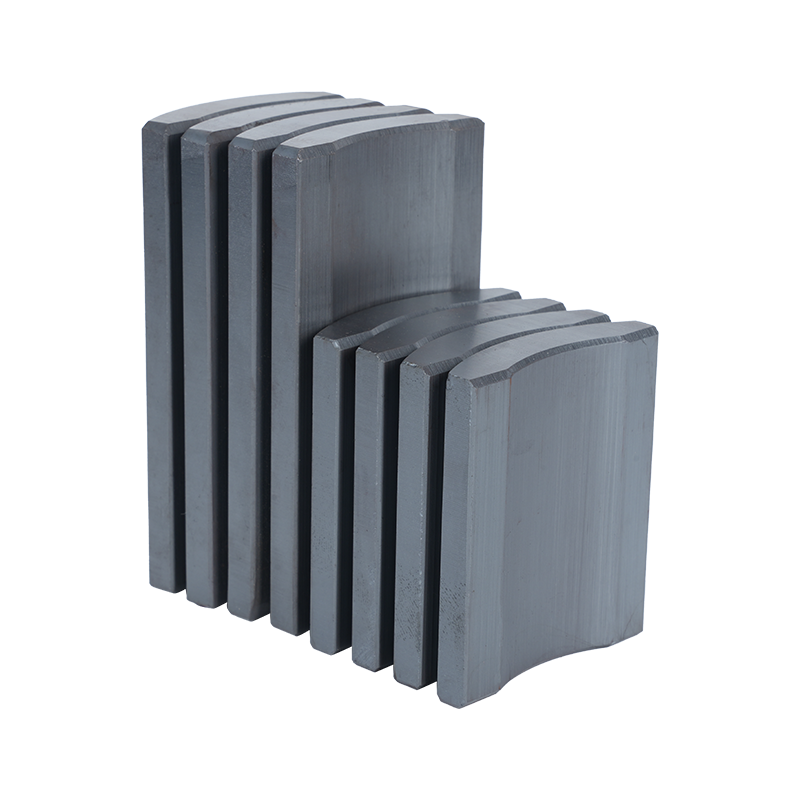
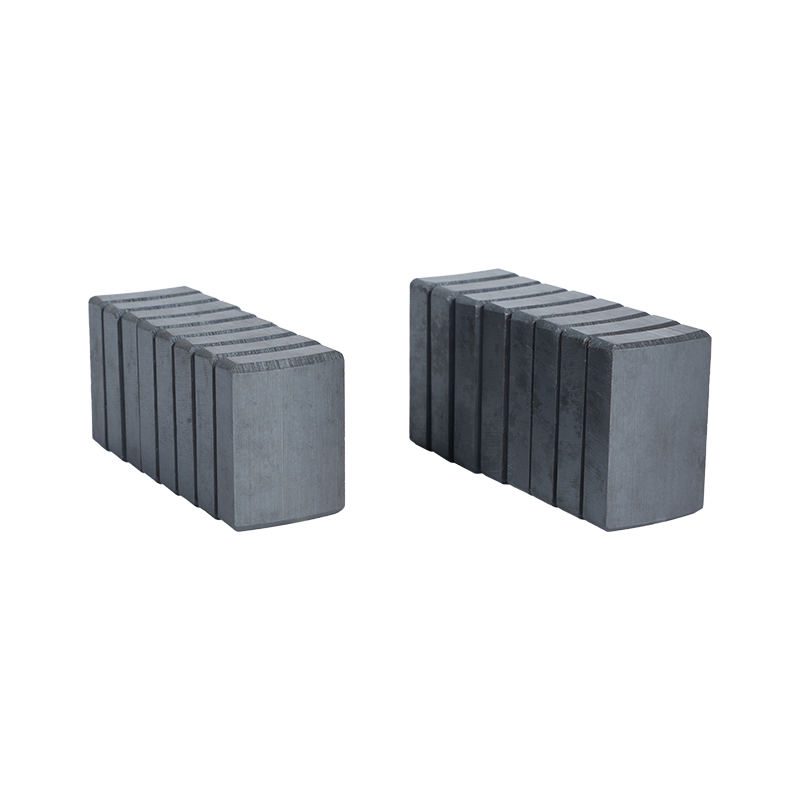
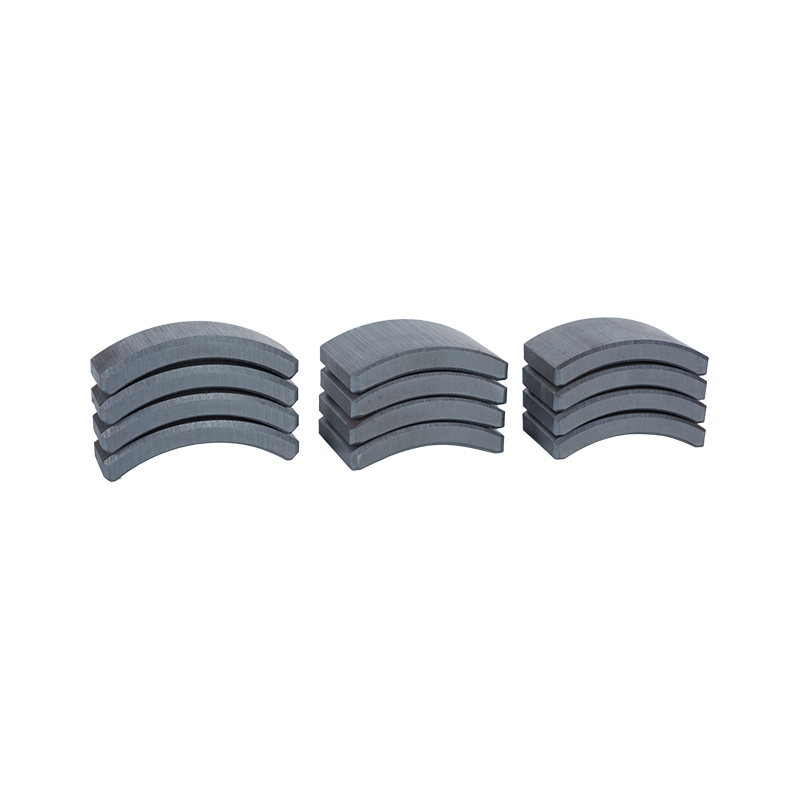
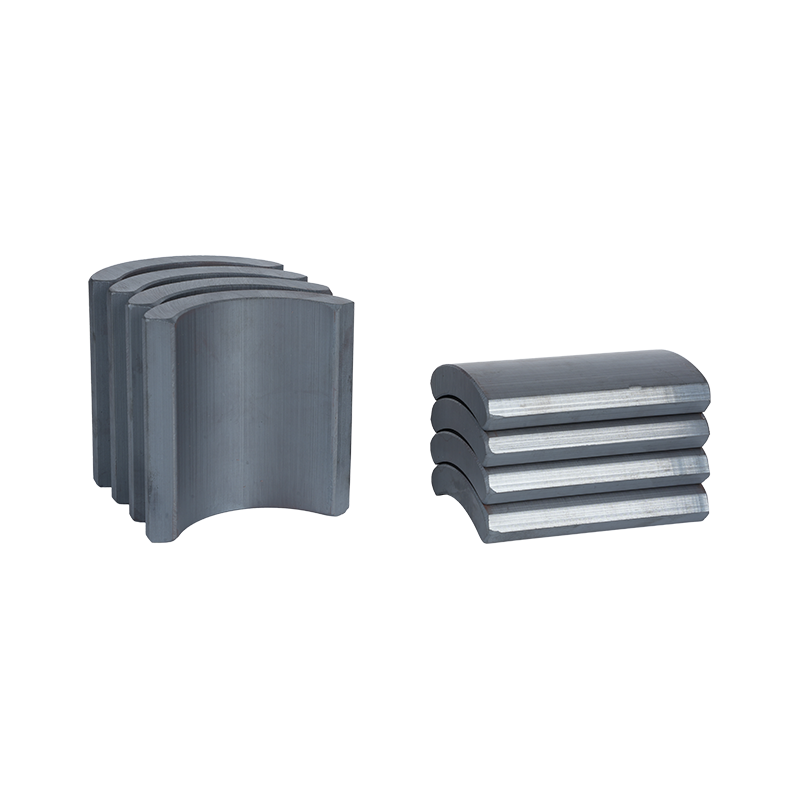
Dong Yang TianQi Magnetic Segment Co.,Ltd.(formerly Shuangyang Magnet Tile) is a professional enterprise specializing in the production of motor magnet tiles
Search by posts
Categories
Popular products
Contact Us
Industry News
 By Admin
Treadmill Magnetic Tiles Support Fitness Equipment Reliability
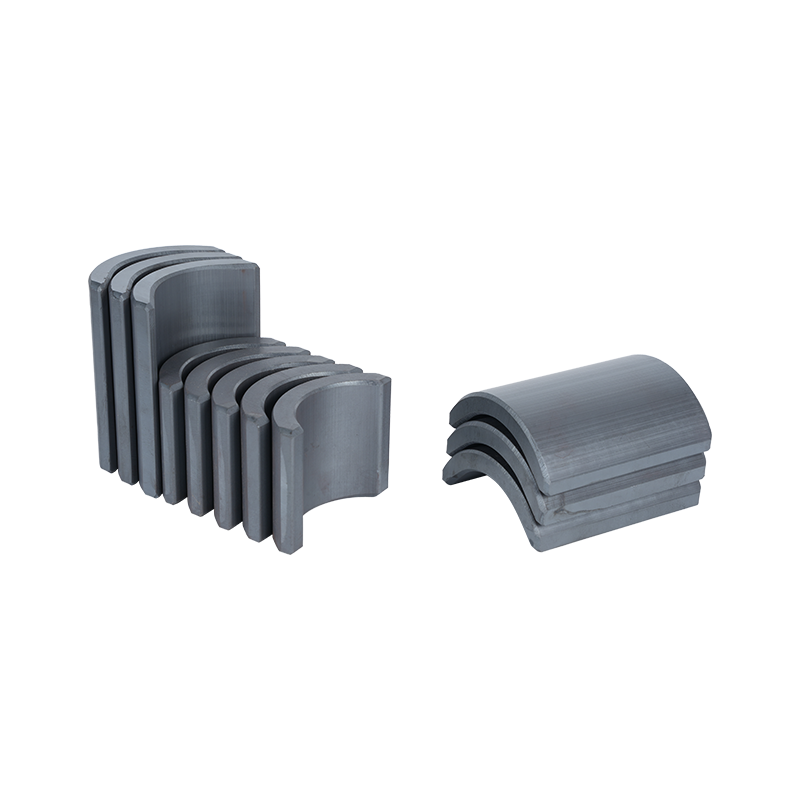
Treadmill magnetic tiles are integrated into motor assemblies to influence torque distribution and belt motion stability. These tiles, typically made from ferrite or neodymium materials, generate magnetic fields that support even torque patterns across varying speeds. Laboratory measurements indicate that treadmill belts with magnetic tiles can exhibit approximately 15–20% lower vibration amplitude, while motors complete roughly 10–15% more operational cycles than similar designs without magnetic tiles. These characteristics are important in both home and commercial gym environments, where consistent performance is critical.
Magnetic tiles in treadmill motors contribute to stable belt movement across different workout intensities. Tests show that belt speed variation can remain around 5% under standard load conditions, which provides predictable pacing for walking, jogging, and running sessions. In addition, the reduced vibration translates into smoother operation, which aligns with user observations of quieter and more consistent motion. Noise measurements suggest a reduction of 3–5 dB in treadmill motor assemblies containing magnetic tiles, supporting a more comfortable exercise experience in shared living spaces or fitness centers.
Ferrite-based magnetic tiles are valued for their thermal stability, maintaining magnetic behavior at temperatures up to 80°C. This property ensures predictable performance even under continuous use, such as during prolonged training sessions or high-frequency commercial operations. Motor assemblies with magnetic tiles also demonstrate lower mechanical stress over repeated cycles, which can contribute to longer operational life for treadmill belts and drive systems.
In addition to motor stability, magnetic tiles are applied in certain resistance systems for fitness equipment. By varying the magnetic field strength, these systems allow changes in resistance without mechanical wear, illustrating broader applications of magnetic technology in exercise design. Prototypes tested under repeated cycles show consistent torque behavior and belt tension, suggesting that magnetic tiles help maintain predictable operation over thousands of workout sessions. Observations in multiple treadmill models indicate that tiles retain magnetic properties even after extended daily use, which supports predictable motor behavior over time.
When considering treadmill magnetic tiles, practical factors include proper alignment during assembly, material selection, and the interaction of magnets with other treadmill components. Correct placement ensures balanced torque distribution and reliable belt motion. Manufacturers often adjust tile spacing and magnetic strength to match motor specifications and target operational conditions, supporting consistent performance across varying user weights and speeds. Users also report that treadmill belts maintain uniform contact with rollers and frames, which contributes to overall mechanical stability.
FAQs
What do treadmill magnetic tiles do?
They influence torque patterns and support steady belt motion in treadmills.
Are magnetic tiles durable?
Ferrite and neodymium tiles maintain consistent behavior under elevated temperatures and repeated cycles.
Do magnetic tiles affect treadmill noise?
Measurements indicate lower operational noise and smoother motion in motors equipped with magnetic tiles.
Do magnetic tiles influence exercise performance?
Consistent belt motion supports predictable pacing and user experience.
Are magnetic tiles expensive?
Costs vary depending on material quality and treadmill design specifications.
Treadmill magnetic tiles are increasingly incorporated into fitness equipment, providing stability, predictable torque distribution, and consistent belt operation. By understanding their role in treadmill motors, designers and users can ensure reliable performance across a variety of workout conditions, contributing to smoother and more durable exercise equipment. Observations also show that motor assemblies maintain these characteristics even under varied usage patterns, reflecting the tiles’ contribution to mechanical reliability over time.
Recommended products
-
Professional Customized Ferrite Motor Magnetic Tiles
-
Hard Segment Arc Ferrite Magnetic Tiles
-
Anti-Corrosion Ferrite Arc Magnetic Tiles
-
Strong Magnetic Permanent Ferrite Magnetic Tiles
-
Heavy Duty Sintered Ferrite Magnetic Tiles
-
Industrial Magnetic Tiles
-
Electric Motor Magnet Tiles
-
Curved Neodymium Magnet
-
Block Neodymium Magnet
Contact Us

Ever since its establishment, TIANQI has never stopped walking in pursuit of quality.
About Us
Products Links
Contact Information
-

NO.55, Jici Road, Hengdian Town, Dongyang City, Zhejiang Province, China
-

Tel: +86 579-6311101
+86 579-6311106 -

E-mail:[email protected]
Copyright © Dong Yang TianQi Magnetic Segment Co.,Ltd.
Magnetic Tiles Factory
