


 English
 中文简体
中文简体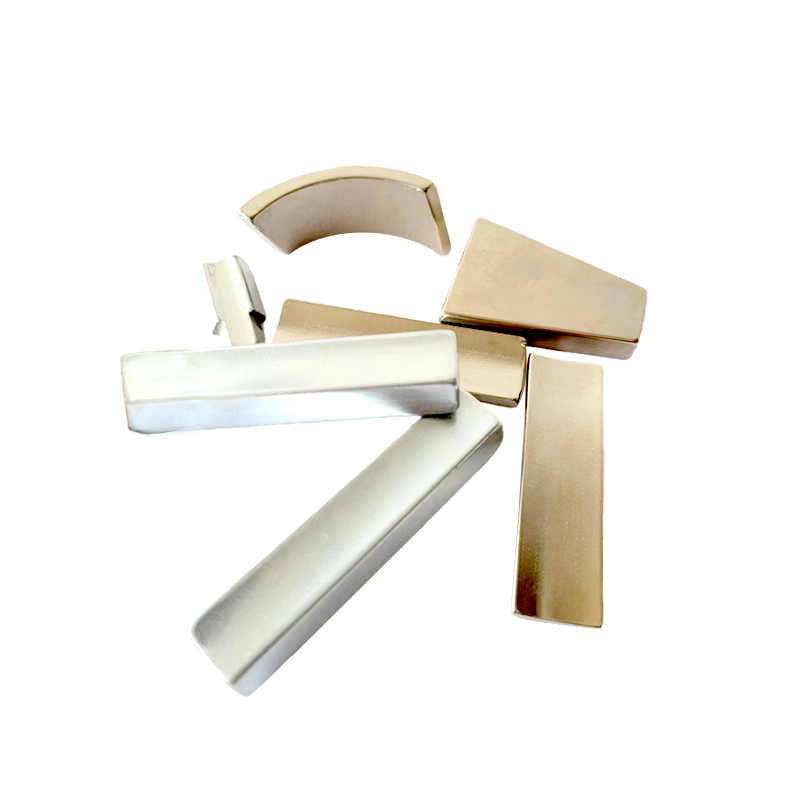
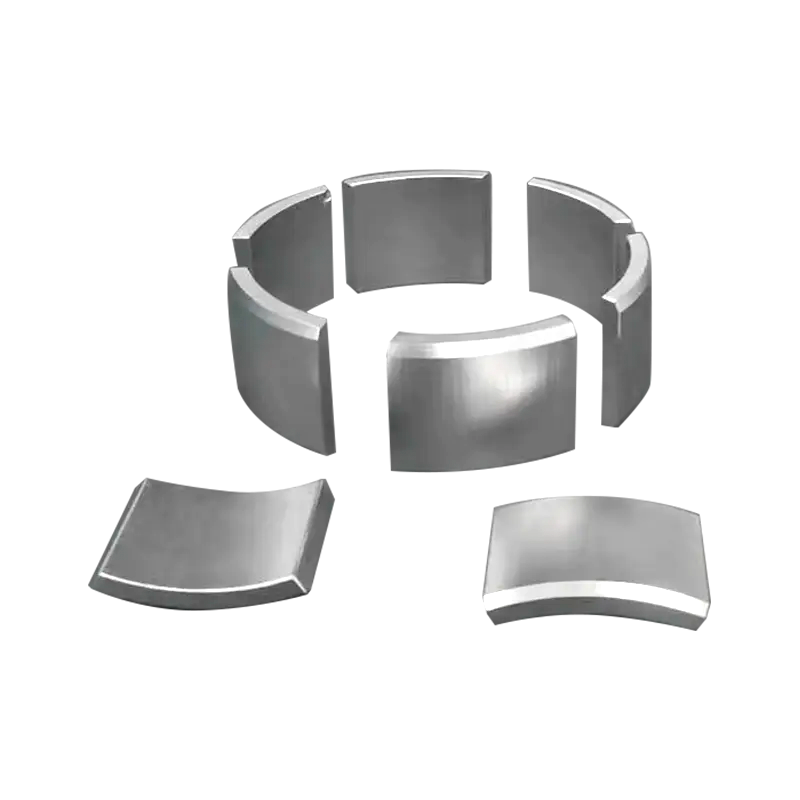
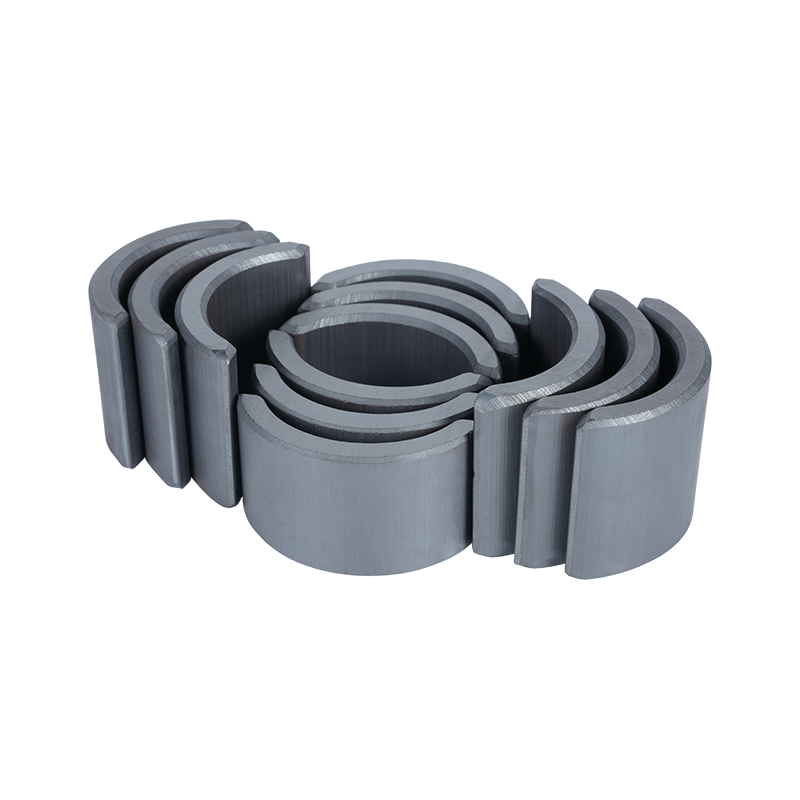
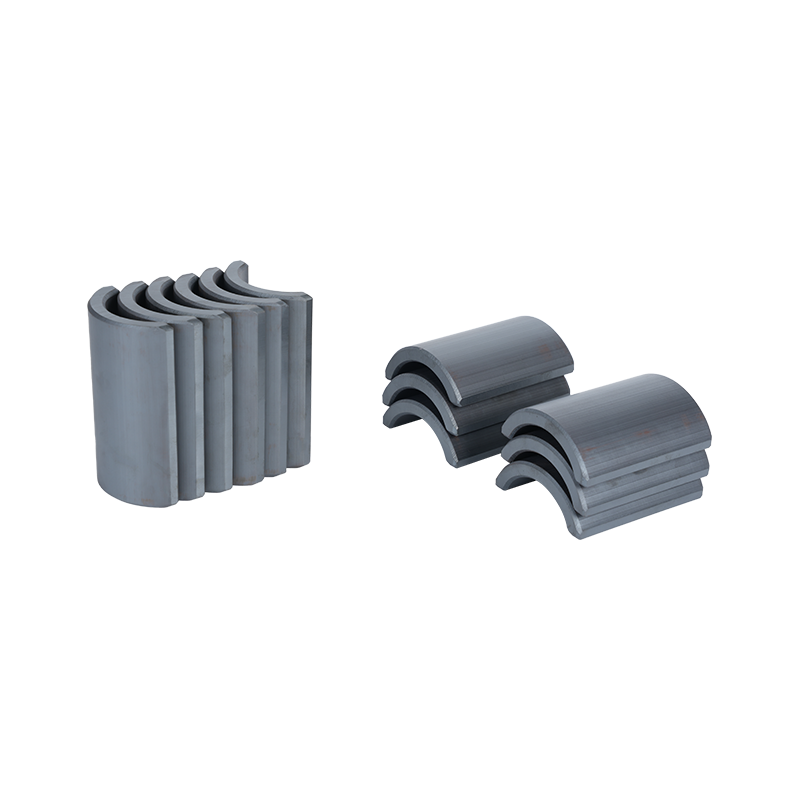
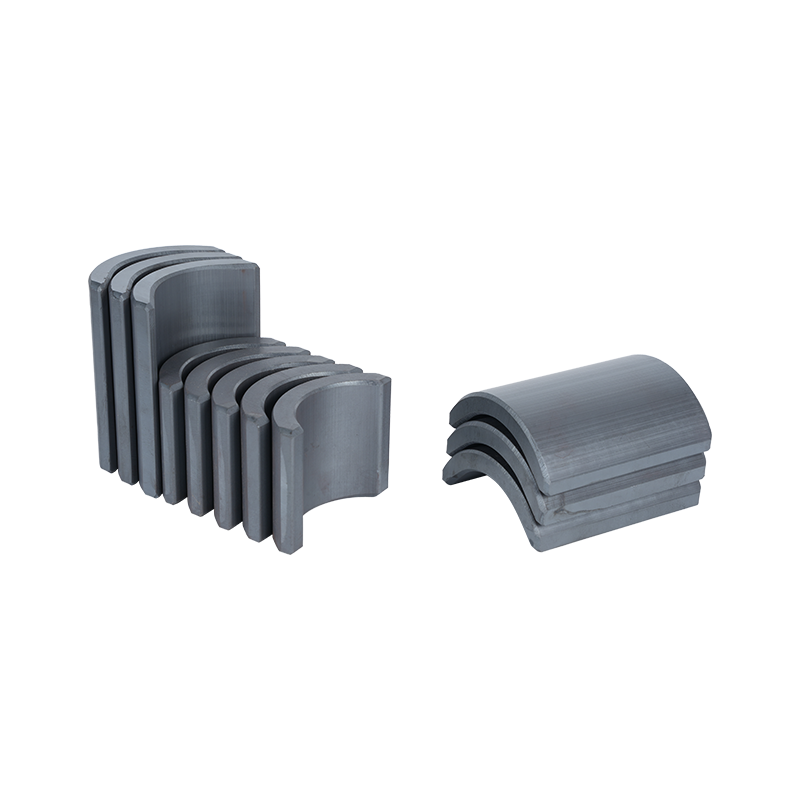
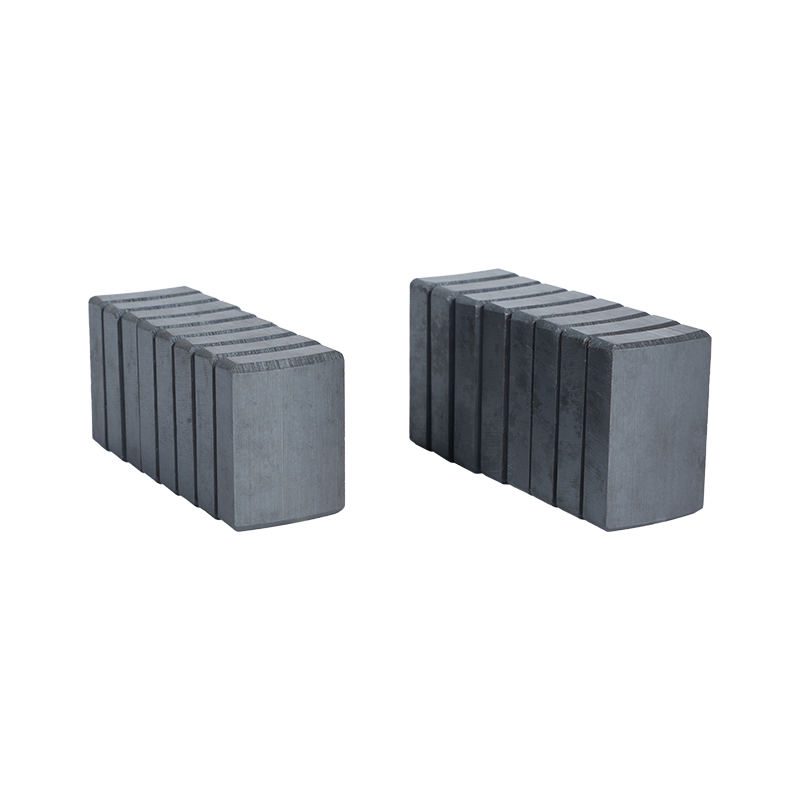
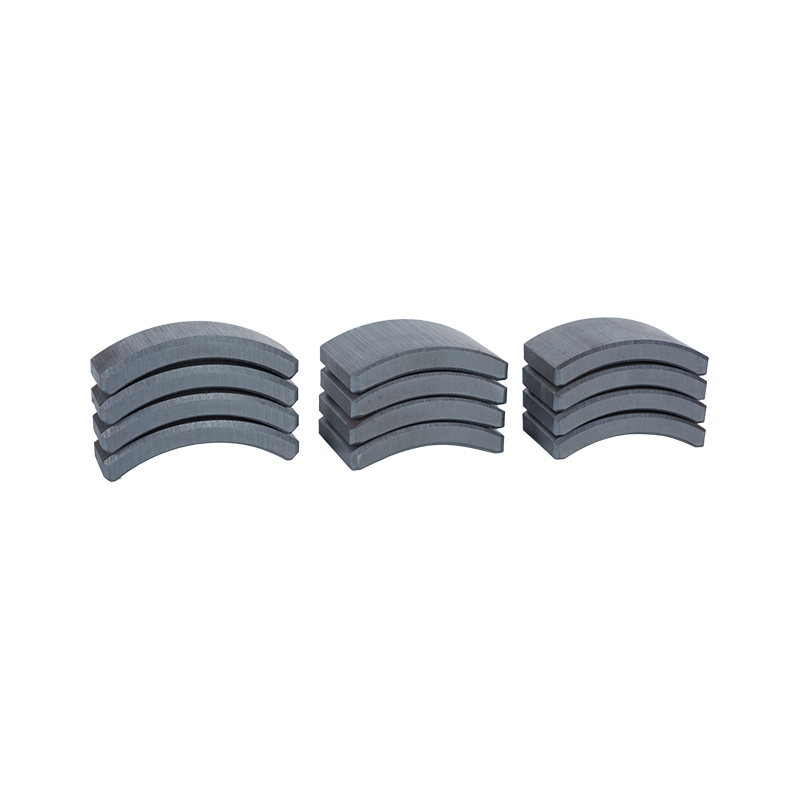
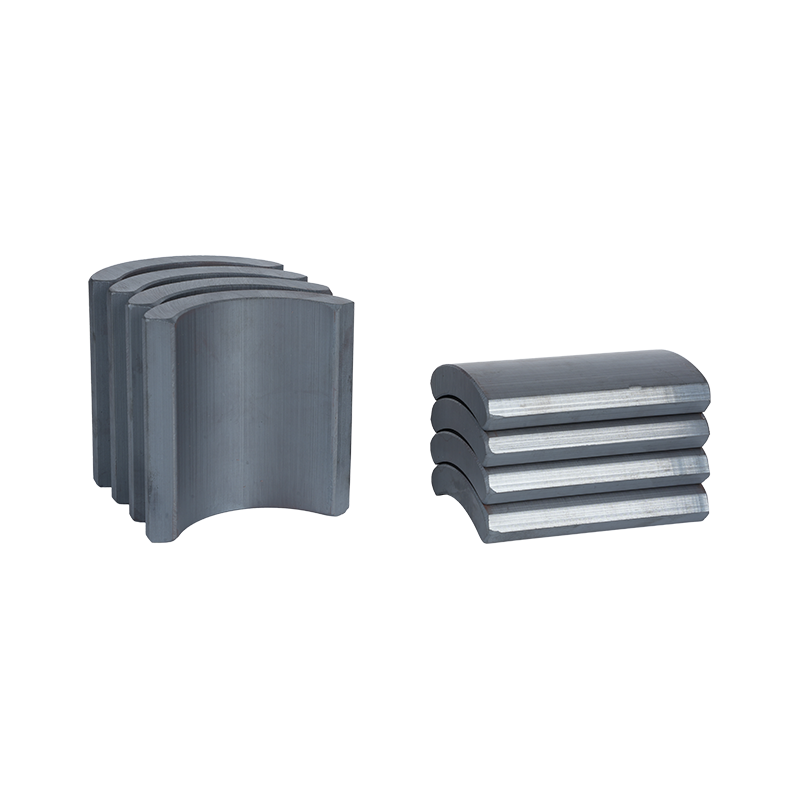
Dong Yang TianQi Magnetic Segment Co.,Ltd.(formerly Shuangyang Magnet Tile) is a professional enterprise specializing in the production of motor magnet tiles
Search by posts
Categories
Popular products
Contact Us
Industry News
 By Admin
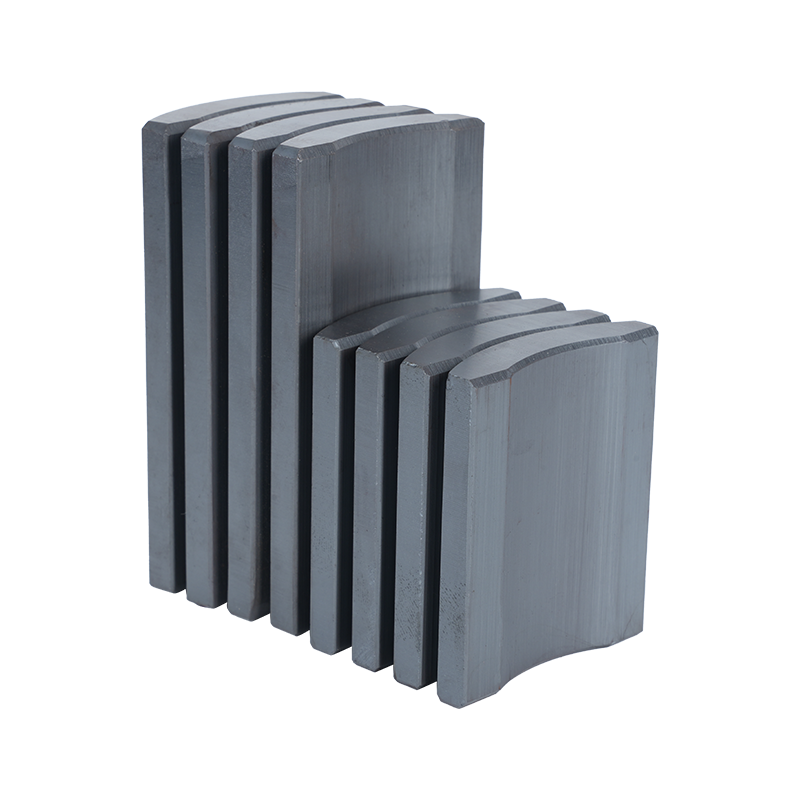
Household Appliances Magnetic Tiles in Everyday Devices
Household appliances magnetic tiles are integrated into motors in devices such as washing machines, vacuum cleaners, and refrigerators. These magnetic components are arranged to generate magnetic fields that influence torque distribution and motor behavior, supporting stable rotational speed and predictable performance. Appliances equipped with motors containing magnetic tiles can operate with roughly 15–25% lower variation in energy draw under typical household conditions, which is relevant for monitoring electricity use over time.
The widespread adoption of neodymium magnets has contributed to more compact motor designs. NdFeB materials allow motor assemblies to occupy nearly 50% less volume while maintaining comparable magnetic behavior. In variable-speed washing machines and air conditioners, magnetic tiles support consistent motor performance across different operational settings. Measurements of vibration amplitude indicate that motors with magnetic tiles can produce approximately 20–30% lower oscillations compared with conventional assemblies, contributing to quieter operation and reduced mechanical wear.
Refrigerator compressors, vacuum motors, and small kitchen appliances also benefit from magnetic tiles. Laboratory tests show that motors with magnetic tiles maintain operational stability over 15–20% more cycles than comparable devices without these components. This stability ensures predictable rotational behavior, which aligns with consumer expectations for reliable appliance performance. In vacuum cleaners, for example, magnetic tile-equipped motors exhibit consistent suction levels across multiple cleaning cycles.
Magnetic tiles also support energy efficiency objectives. Appliances with these motors demonstrate more uniform electrical draw during operation, which can correlate with modest reductions in energy consumption in homes with multiple high-use appliances. Noise measurements indicate up to 3–5 dB lower sound levels in smaller devices, providing quieter operation and improved user experience in shared living spaces.
Magnetic tiles are manufactured in a variety of shapes, sizes, and magnetic strengths, giving designers flexibility when assembling motors. Proper placement and orientation influence torque behavior under varying loads, which is relevant for both consumer-grade and commercial devices. For high-use appliances, this design flexibility allows manufacturers to meet operational consistency and regulatory standards, particularly in regions with specific energy efficiency requirements. Observations indicate that homes using appliances with magnetic tiles can experience slightly lower cumulative energy usage, reflecting more stable performance patterns.
Additional practical considerations include temperature stability and material durability. Magnetic tiles maintain consistent magnetic behavior within typical operating ranges, which is important for appliances exposed to varying temperatures during cycles such as washing, refrigeration, or drying. The integration of these components is compatible with standard assembly processes and does not introduce safety risks, as the magnets are enclosed within motor housings.
FAQs
Are magnets common in household appliances?
Yes, magnets are integrated into many motor assemblies across a wide range of devices.
Do magnetic tiles influence operational behavior?
Evidence shows that magnetic tiles affect torque distribution and rotational characteristics under standard use.
Do magnetic tiles affect appliance durability?
Motors with magnetic tiles maintain consistent operation over more cycles, supporting reliable performance.
Are magnetic tiles costly?
Costs vary depending on material quality and motor design specifications.
Do magnets present safety concerns?
Enclosed magnets pose no risk during normal appliance operation.
Household appliances magnetic tiles contribute to consistent motor behavior, supporting stable operation, predictable performance, and quieter use across everyday devices. By integrating magnetic tiles, manufacturers can deliver reliable and long-lasting appliances that meet consumer expectations for performance and efficiency.
Recommended products
-
Professional Customized Ferrite Motor Magnetic Tiles
-
Hard Segment Arc Ferrite Magnetic Tiles
-
Anti-Corrosion Ferrite Arc Magnetic Tiles
-
Strong Magnetic Permanent Ferrite Magnetic Tiles
-
Heavy Duty Sintered Ferrite Magnetic Tiles
-
Industrial Magnetic Tiles
-
Electric Motor Magnet Tiles
-
Curved Neodymium Magnet
-
Block Neodymium Magnet
Contact Us

Ever since its establishment, TIANQI has never stopped walking in pursuit of quality.
About Us
Products Links
Contact Information
-

NO.55, Jici Road, Hengdian Town, Dongyang City, Zhejiang Province, China
-

Tel: +86 579-6311101
+86 579-6311106 -

E-mail:[email protected]
Copyright © Dong Yang TianQi Magnetic Segment Co.,Ltd.
Magnetic Tiles Factory
