


 English
 中文简体
中文简体
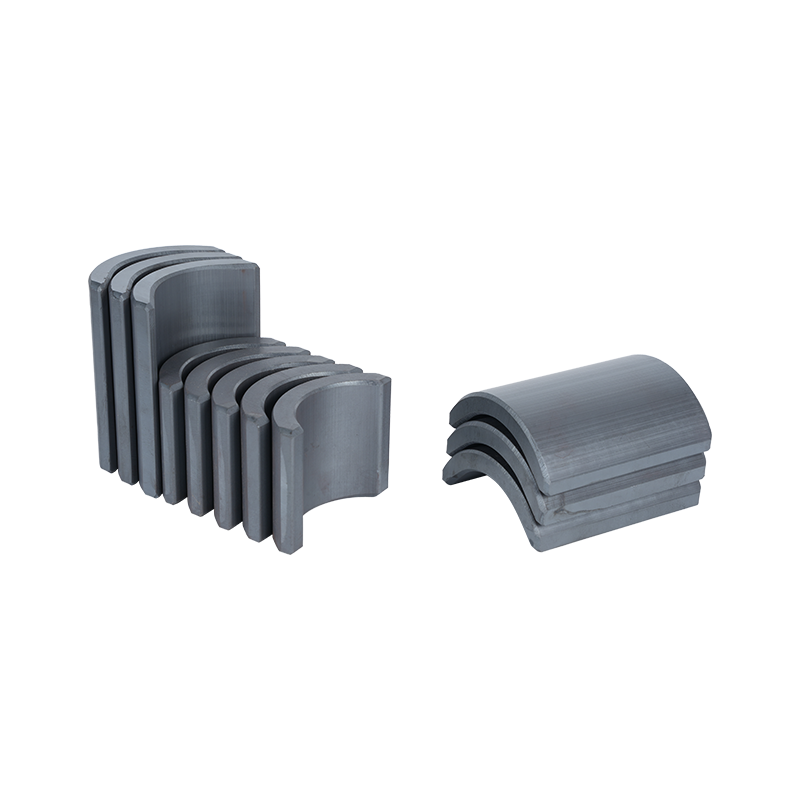
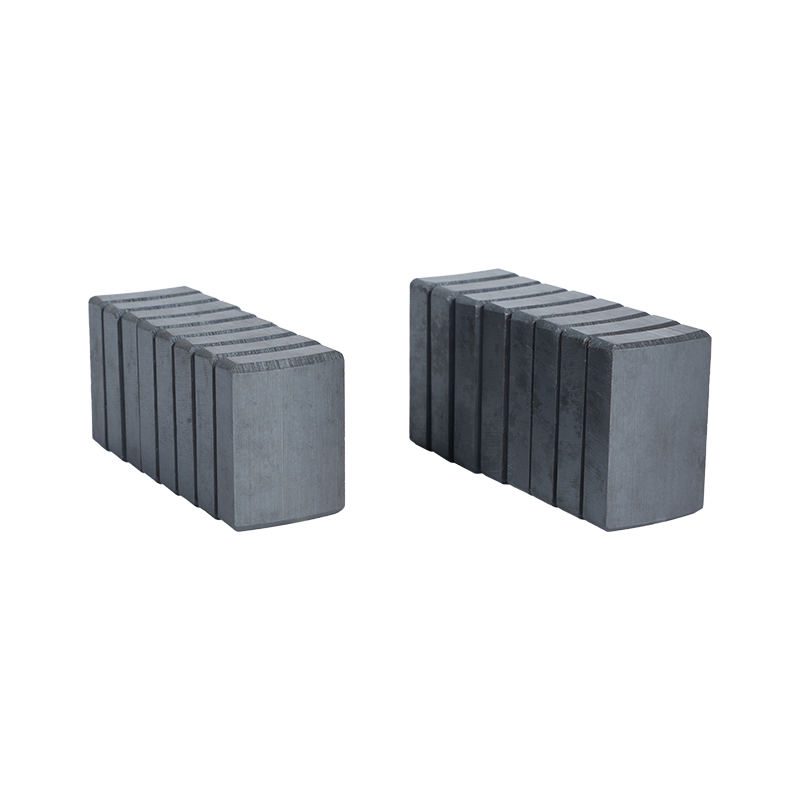
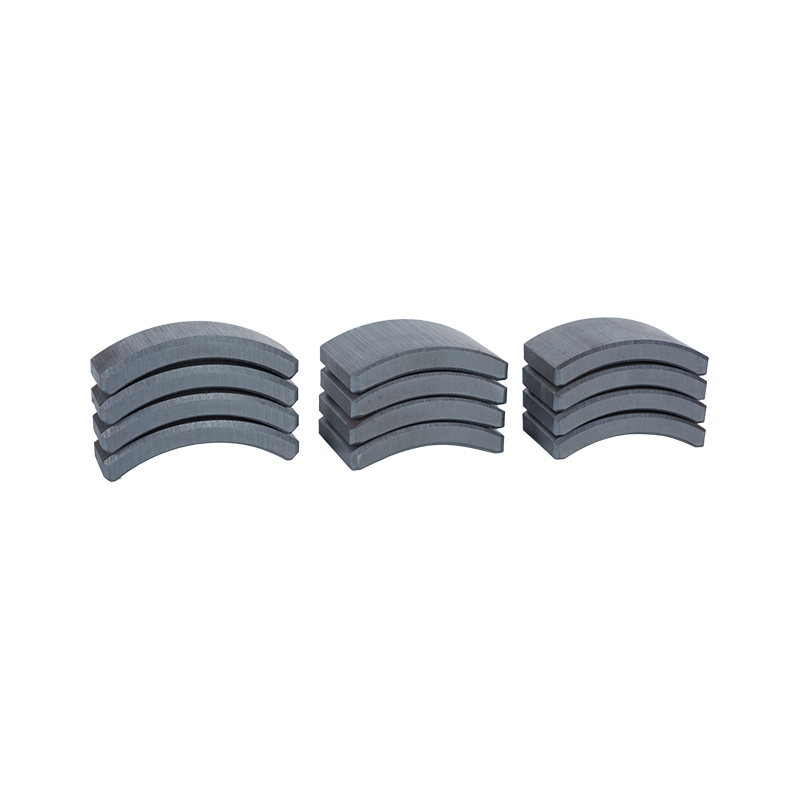
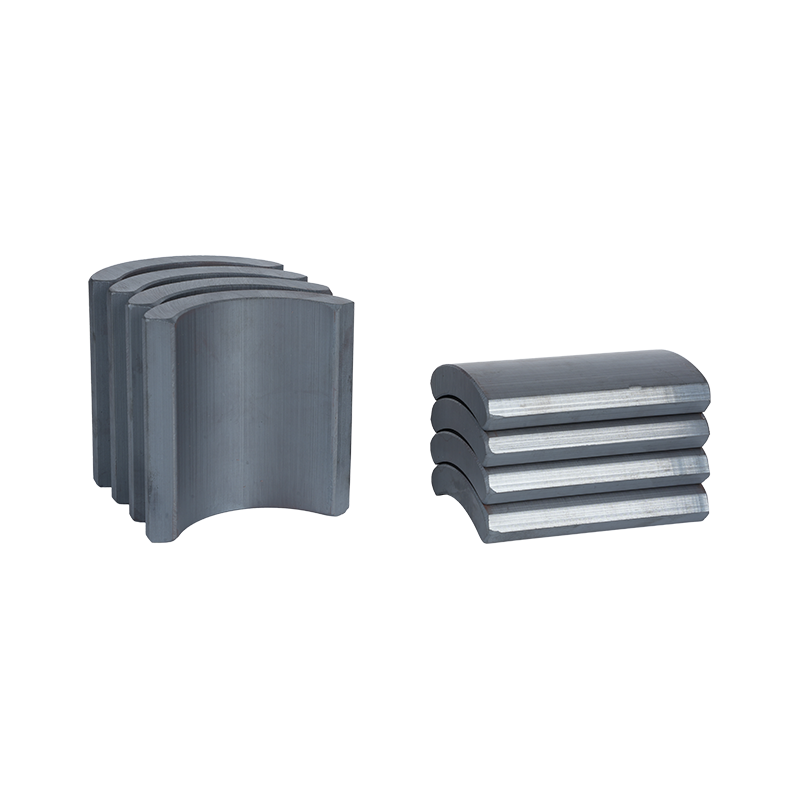
Dong Yang TianQi Magnetic Segment Co.,Ltd.(formerly Shuangyang Magnet Tile) is a professional enterprise specializing in the production of motor magnet tiles
Search by posts
Categories
Popular products
Contact Us
Industry News
 By Admin
A Practical Guide to Customized Magnetism Shoes
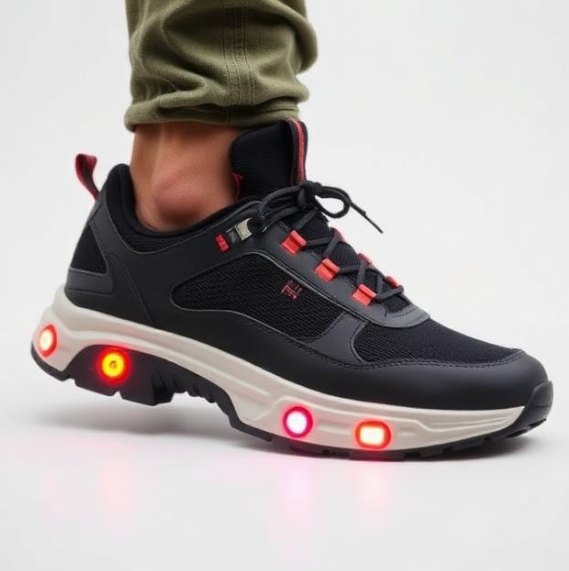
Customized magnetism shoes offer innovative options for both occupational and casual footwear. By integrating magnetic components, these shoes provide new approaches to fastening, traction, and user interaction. This guide will help readers understand how magnetism is applied in footwear, key considerations when using these shoes, and practical examples from industry and consumer use.
Understanding Magnetic Fastening Systems
One of the main applications of customized magnetism shoes is magnetic fastening. Some shoes replace traditional laces with magnetic closures that generate attachment forces of approximately 15–20 pounds. These systems allow wearers to secure footwear without tying knots, maintaining consistent positioning during everyday activity. For casual or athletic use, magnetic closures can handle repeated attachment and release across thousands of cycles, supporting long-term functionality. When selecting footwear with magnetic fastening, consider the alignment of the magnets and the ease of engagement and release, as these factors influence comfort and usability.
Industrial Applications and Traction Features
Magnetic footwear is increasingly adopted in industrial settings where metal surfaces are common. Magnets embedded in shoe soles interact with steel platforms, scaffolding, or inclined surfaces, providing additional stability. In some designs, pulling forces can reach around 150 pounds per shoe, helping workers maintain secure footing on sloped or elevated metal surfaces. Field observations indicate that the use of magnetic shoes in construction and manufacturing has grown by approximately 10% per year, highlighting their integration into occupational safety programs. When evaluating industrial magnetic shoes, check the distribution and strength of magnetic elements to ensure reliable performance under work conditions.
Experimental and Consumer-Oriented Designs
Beyond industrial applications, magnetic elements in footwear are explored in experimental and consumer-focused designs. Some prototypes use magnetic repulsion to create unique walking or movement experiences. While these designs are often showcased in exhibitions or design competitions, they illustrate how magnetic technology can be creatively applied in footwear engineering. For consumers, magnetic shoes with novel features may provide convenience in daily wear, such as faster fastening or adjustable fit, without requiring significant changes to standard shoe design.
Practical Considerations for Use
When using customized magnetism shoes, several factors influence performance and user satisfaction:
- Weight and balance: Magnetic components add some mass to footwear. Proper weight distribution supports stability and comfort during walking or standing.
- Environmental interaction: Exposure to metal surfaces, moisture, or bad temperatures can influence magnetic behavior. Users should consider the work or activity environment when selecting shoes.
- Magnet durability: Magnetic elements maintain attachment forces across repeated cycles of fastening. Testing under varying temperatures or humidity shows that functional performance remains consistent over hundreds of cycles.
By paying attention to these aspects, users can select magnetic shoes that provide practical benefits for occupational or everyday use.
FAQs
What are customized magnetism shoes?
Footwear or accessories that integrate magnets for fastening or traction purposes.
Are magnetic closures durable?
Closures retain functional attachment across repeated cycles of use.
Can magnets influence traction?
Certain designs provide stability on metal surfaces, such as steel platforms or scaffolding.
How should magnetic shoes be maintained?
Keep shoes clean and dry, avoid strong interference from electronic devices, and inspect magnetic components periodically for alignment or wear.
Who can benefit from customized magnetism shoes?
They can be used in construction, manufacturing, occupational safety, or casual settings where convenience and stability are priorities.
Customized magnetism shoes provide practical options for occupational and daily footwear, combining functionality with innovative design. By understanding how magnetic components work, considering environmental factors, and choosing appropriate models, users can integrate magnetic footwear into various settings with consistent performance and convenience.
Recommended products
-
Professional Customized Ferrite Motor Magnetic Tiles
-
Hard Segment Arc Ferrite Magnetic Tiles
-
Anti-Corrosion Ferrite Arc Magnetic Tiles
-
Strong Magnetic Permanent Ferrite Magnetic Tiles
-
Heavy Duty Sintered Ferrite Magnetic Tiles
-
Industrial Magnetic Tiles
-
Electric Motor Magnet Tiles
-
Curved Neodymium Magnet
-
Block Neodymium Magnet
Contact Us

Ever since its establishment, TIANQI has never stopped walking in pursuit of quality.
About Us
Products Links
Contact Information
-

NO.55, Jici Road, Hengdian Town, Dongyang City, Zhejiang Province, China
-

Tel: +86 579-6311101
+86 579-6311106 -

E-mail:[email protected]
Copyright © Dong Yang TianQi Magnetic Segment Co.,Ltd.
Magnetic Tiles Factory
