


 English
 中文简体
中文简体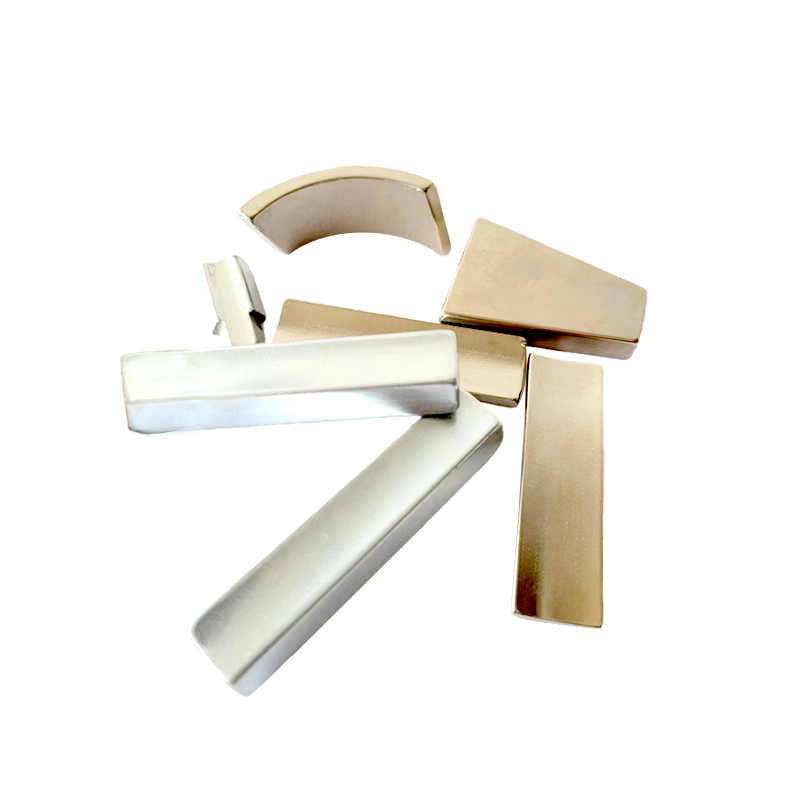
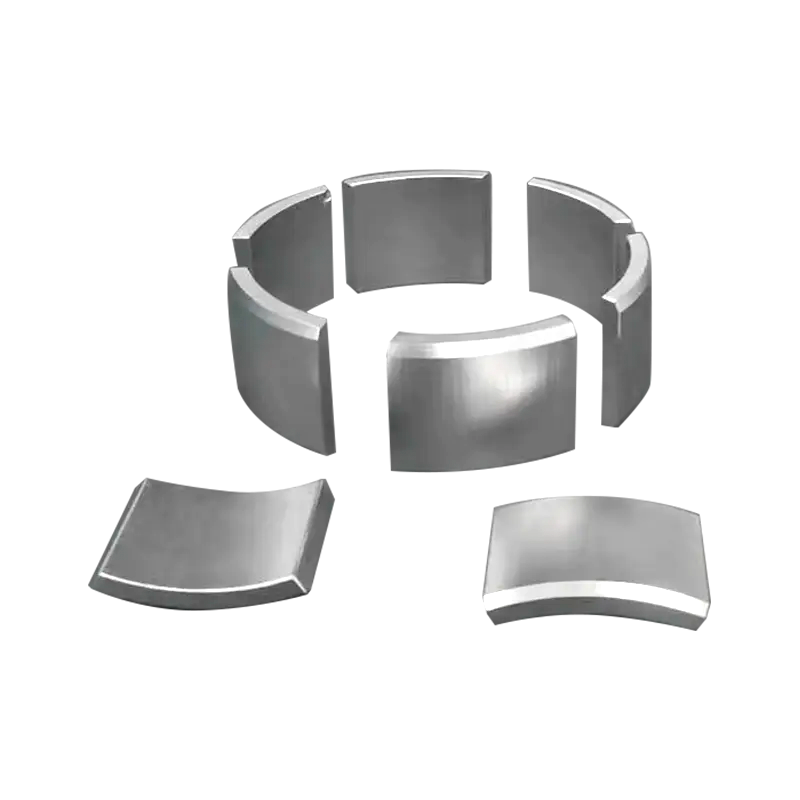
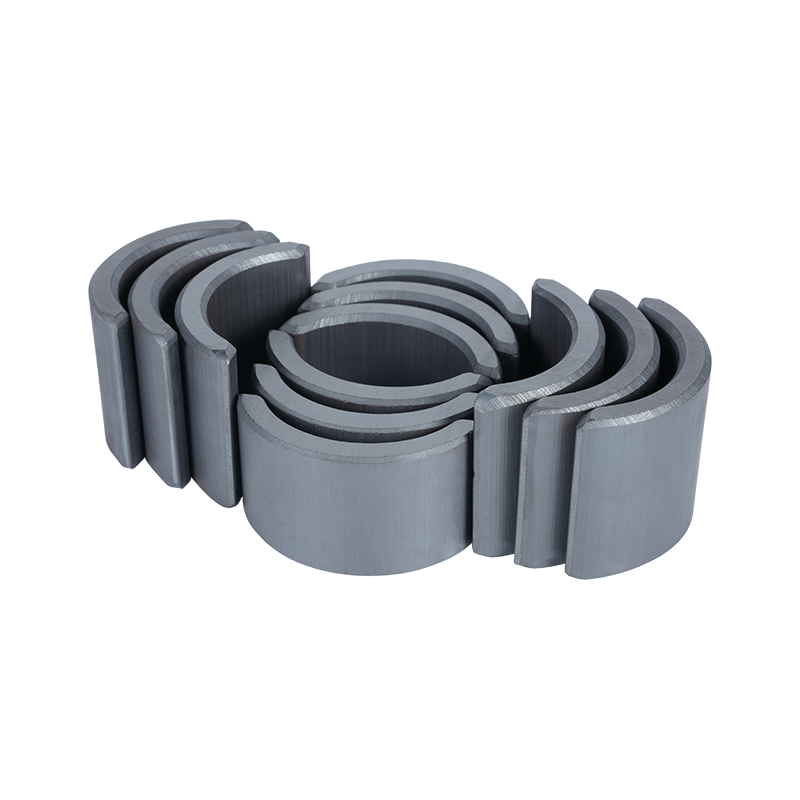
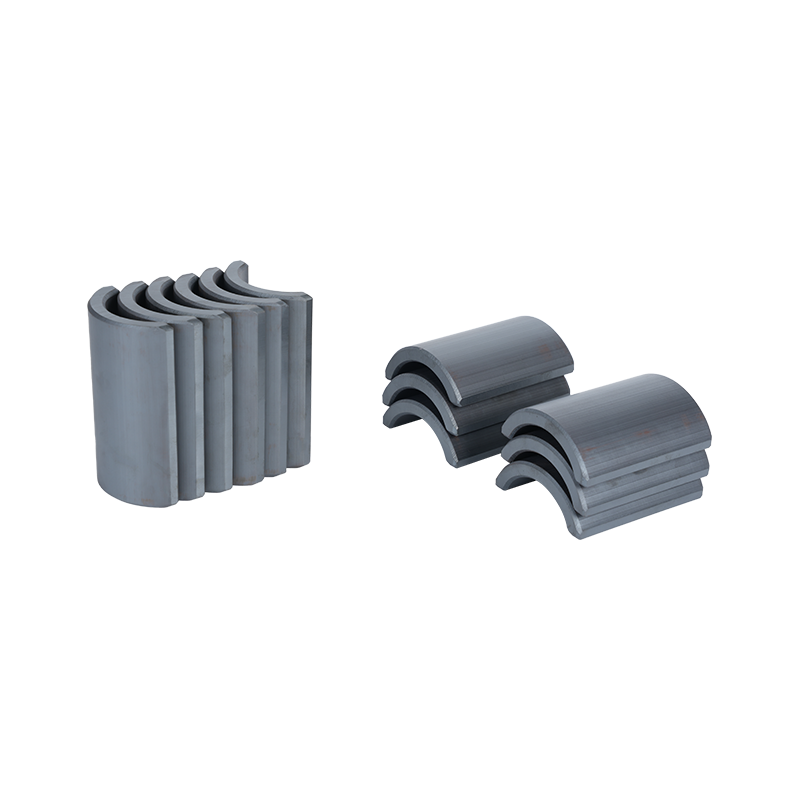
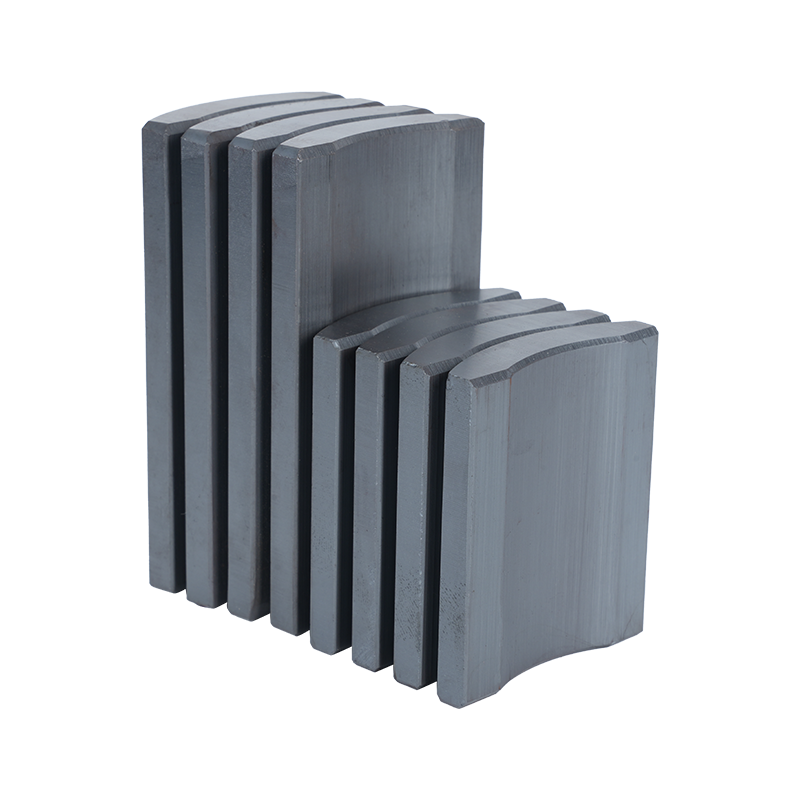
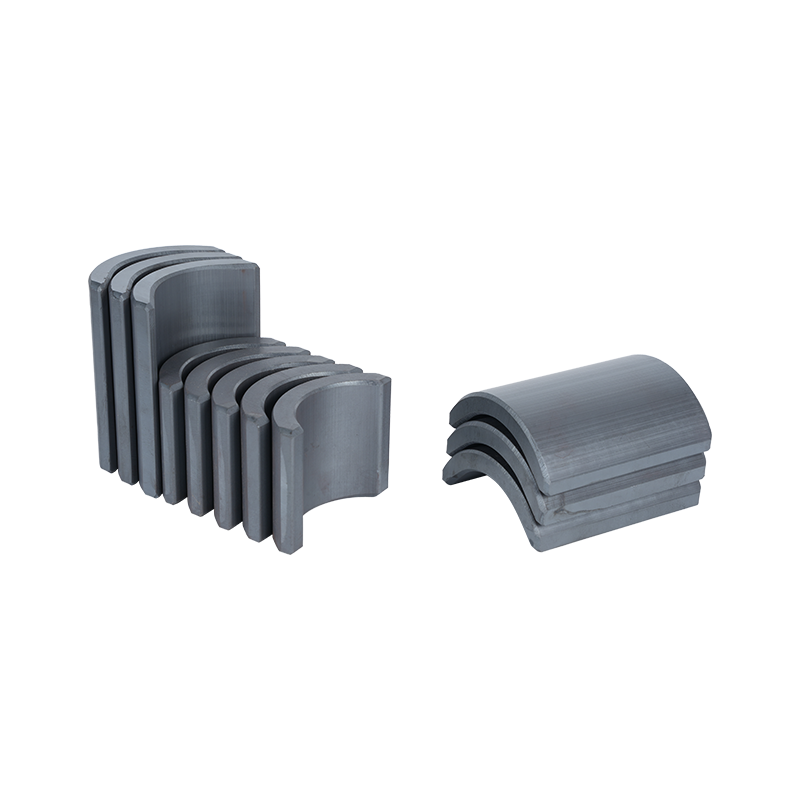
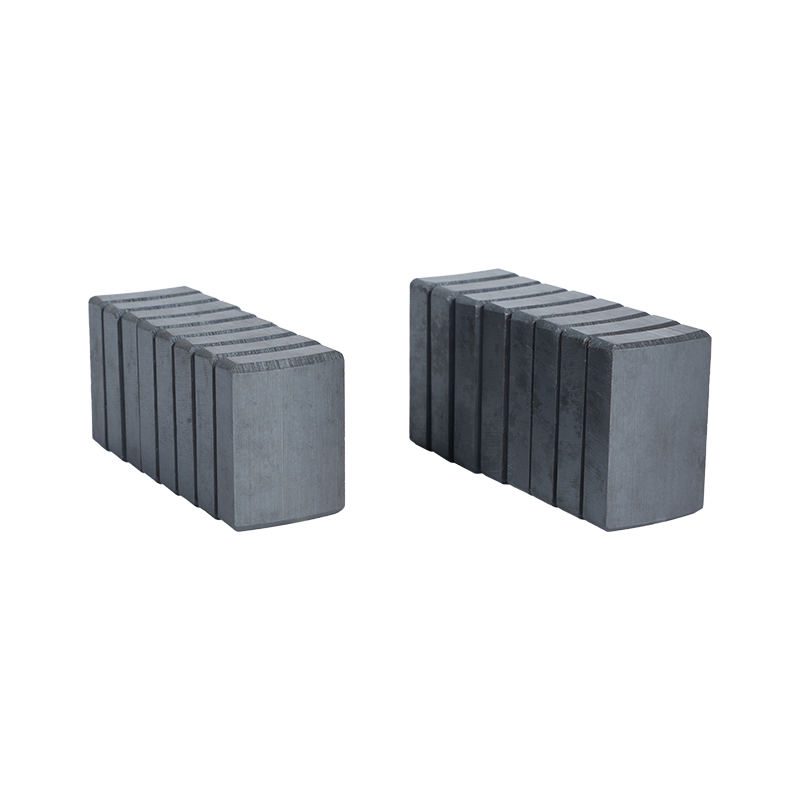
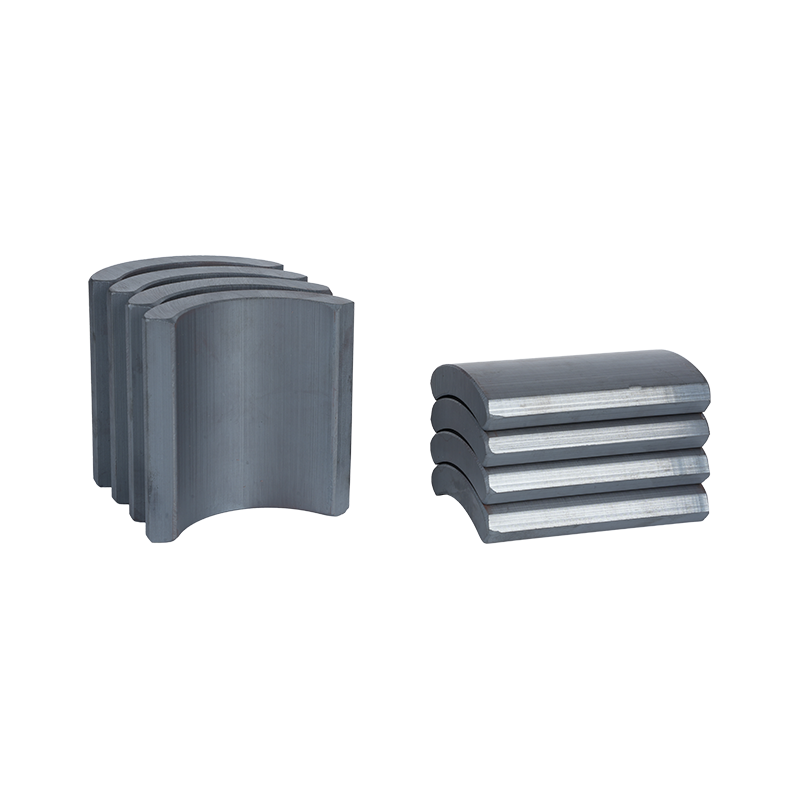
Dong Yang TianQi Magnetic Segment Co.,Ltd.(formerly Shuangyang Magnet Tile) is a professional enterprise specializing in the production of motor magnet tiles
Search by posts
Categories
Popular products
Contact Us
Industry News
 By Admin
Motor Magnetic Tiles Expand Applications in Industry
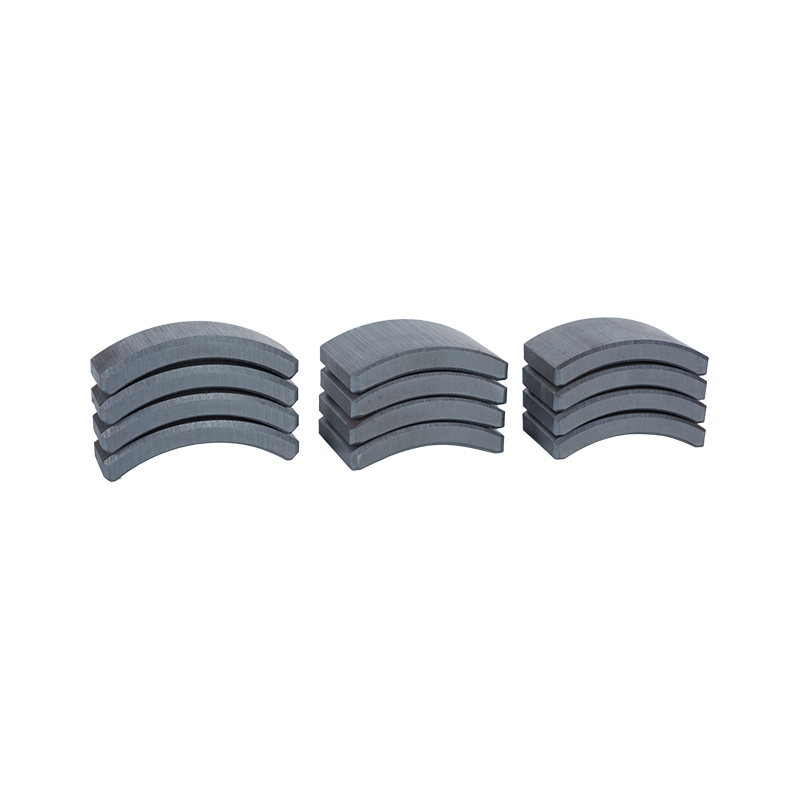
Motor magnetic tiles are increasingly integrated into electric motors used in industrial equipment, household appliances, and automotive systems. These tile-shaped magnetic elements, usually made from ferrite or neodymium, create magnetic fields that influence torque distribution and motor behavior. In automotive electric motors, the inclusion of magnetic tiles has been associated with about 12% lower energy loss during standard driving cycles.
Electric vehicle (EV) traction motors are among the common applications. Magnetic tiles are arranged around rotors or stators to direct magnetic flux in controlled paths. Observations suggest that motors with well-placed magnetic tiles can maintain approximately 8% higher efficiency under similar conditions. Torque output remains relatively uniform across speed ranges, and vibration measurements show lower amplitude in motor assemblies equipped with magnetic tiles.
Household appliances such as washing machines, refrigerators, and air conditioners also incorporate magnetic tiles in their motors. These magnets are linked to more consistent rotational speed and reduced mechanical oscillations. Data from operational tests indicate motors with magnetic tiles can function reliably for 20–30% more operating hours under normal household usage. NdFeB materials allow for compact motor construction while maintaining magnetic performance in small-scale devices.
Industrial automation and cleaning machinery frequently include magnetic tiles to maintain predictable motor behavior in continuous operation or under variable loads. For example, floor cleaning robots with motors containing magnetic tiles demonstrated stable movement patterns across repeated cycles in laboratory tests. Motors in medical devices use magnetic tiles to maintain controlled torque across repeated operating cycles, supporting predictable mechanical behavior for sensitive applications.
Magnetic tiles are available in various sizes, thicknesses, and magnetic strengths, providing designers with flexibility in motor construction. The ability to customize tile placement allows for optimization of field distribution, contributing to predictable rotational behavior. Observations show that assemblies with magnetic tiles also tend to have lower acoustic emission, which can be beneficial in residential or laboratory settings.
The use of magnetic tiles is also reflected in industry reports on motor reliability. Manufacturers note that integrating these components can cause more stable operation under fluctuating voltage conditions and reduced mechanical wear over extended operational periods. In EV traction motors, repeated acceleration and deceleration cycles indicate that magnetic tiles maintain consistent torque behavior compared with motors without these components. Industrial equipment with magnetic tile motors also operates with more predictable current draw, which can support energy management strategies in larger facilities.
Motor magnetic tiles continue to be an important element across applications, supporting design flexibility, predictable torque behavior, and consistent operation in motors used in vehicles, appliances, and industrial equipment.
FAQs
What are motor magnetic tiles used for?
They create magnetic fields in motors, influencing torque and rotational characteristics.
Do magnetic tiles affect motor reliability?
Their inclusion is associated with longer operational hours and more stable torque patterns.
Can magnetic tiles be customized?
They can be produced in different sizes, thicknesses, and magnetic properties to match motor requirements.
Do magnetic tiles affect energy patterns?
Data indicate they influence energy behavior in motors under typical operating conditions.
Is special handling required during installation?
Proper alignment and positioning are important for expected motor behavior.
Motor magnetic tiles remain a functional component in modern motor design, contributing to predictable behavior and reliable operation in a range of applications.
Recommended products
-
Professional Customized Ferrite Motor Magnetic Tiles
-
Hard Segment Arc Ferrite Magnetic Tiles
-
Anti-Corrosion Ferrite Arc Magnetic Tiles
-
Strong Magnetic Permanent Ferrite Magnetic Tiles
-
Heavy Duty Sintered Ferrite Magnetic Tiles
-
Industrial Magnetic Tiles
-
Electric Motor Magnet Tiles
-
Curved Neodymium Magnet
-
Block Neodymium Magnet
Contact Us

Ever since its establishment, TIANQI has never stopped walking in pursuit of quality.
About Us
Products Links
Contact Information
-

NO.55, Jici Road, Hengdian Town, Dongyang City, Zhejiang Province, China
-

Tel: +86 579-6311101
+86 579-6311106 -

E-mail:[email protected]
Copyright © Dong Yang TianQi Magnetic Segment Co.,Ltd.
Magnetic Tiles Factory
