


 English
 中文简体
中文简体
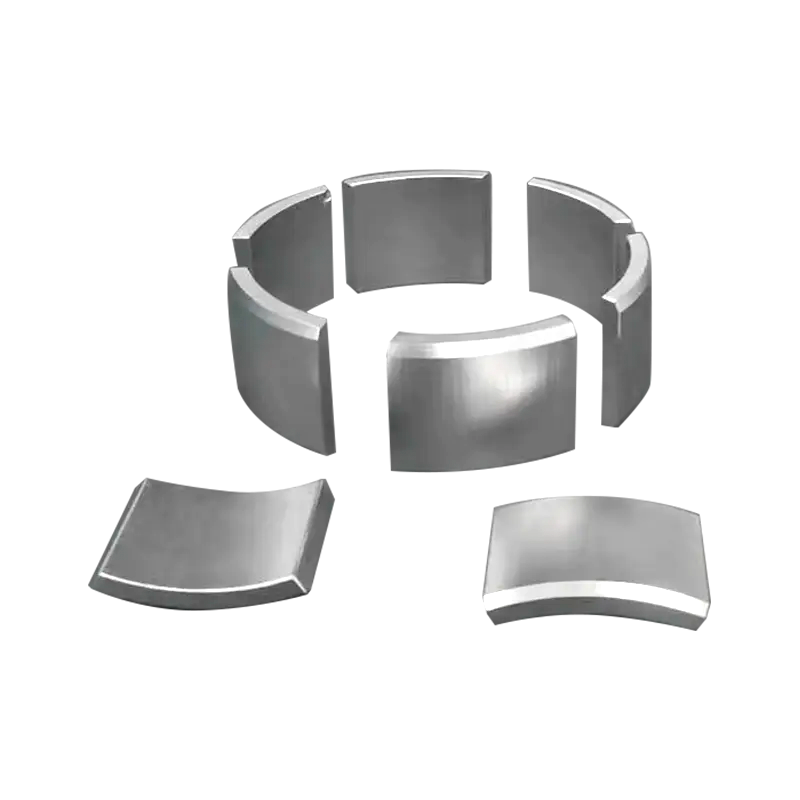
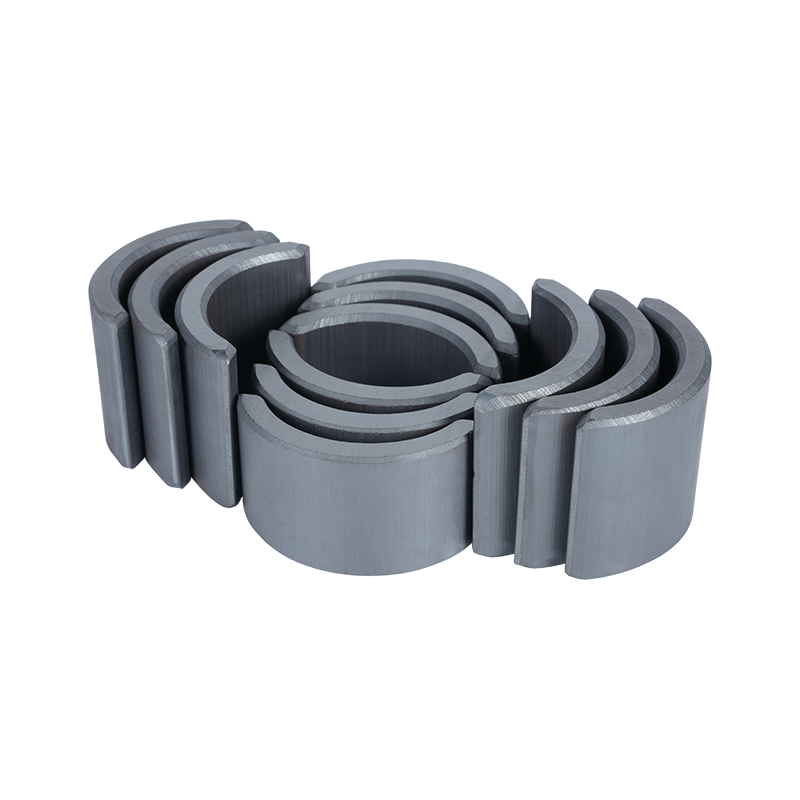
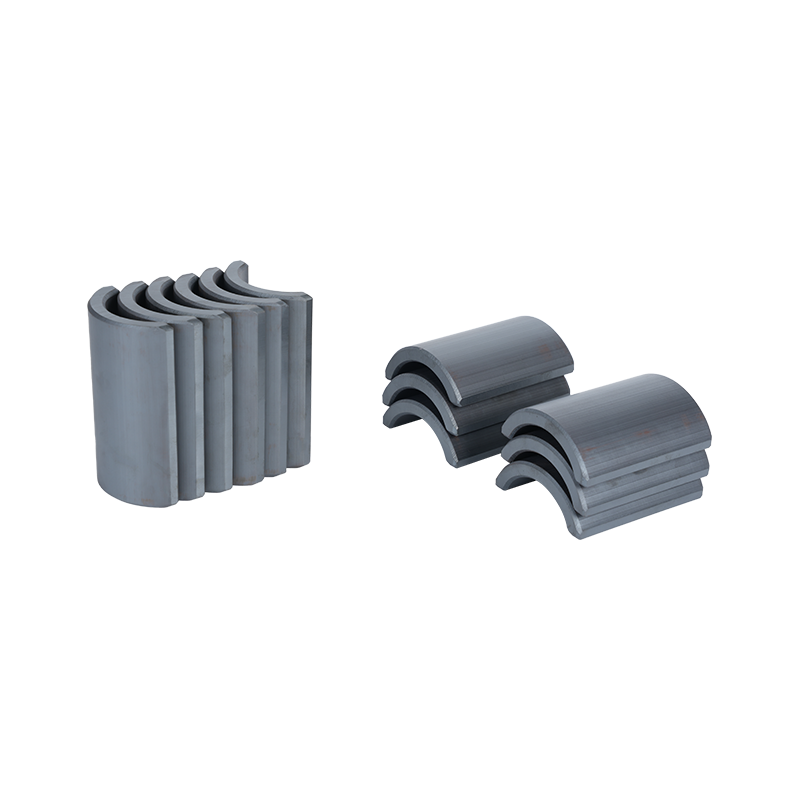
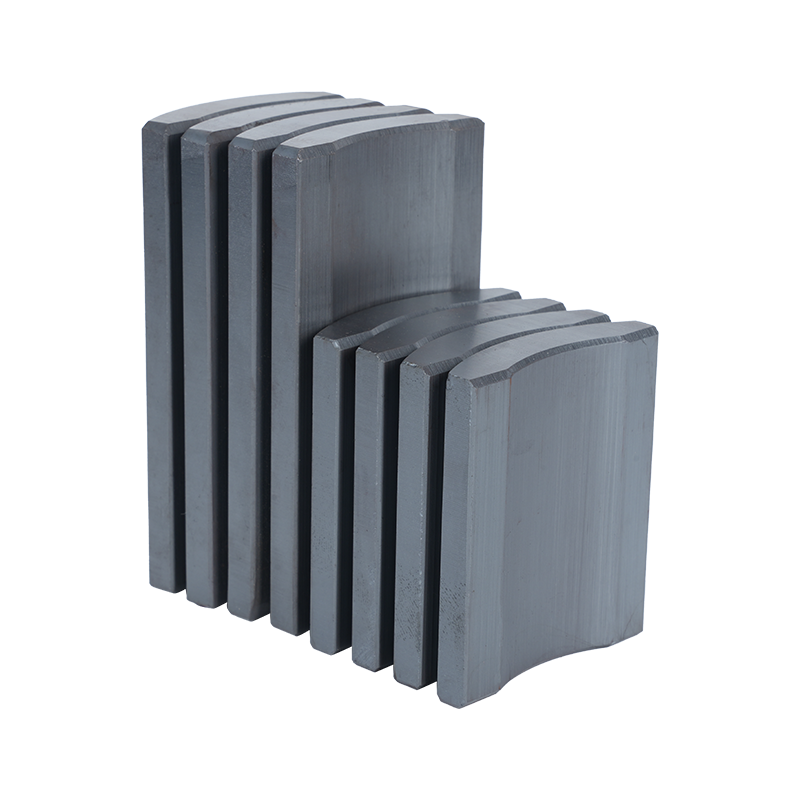
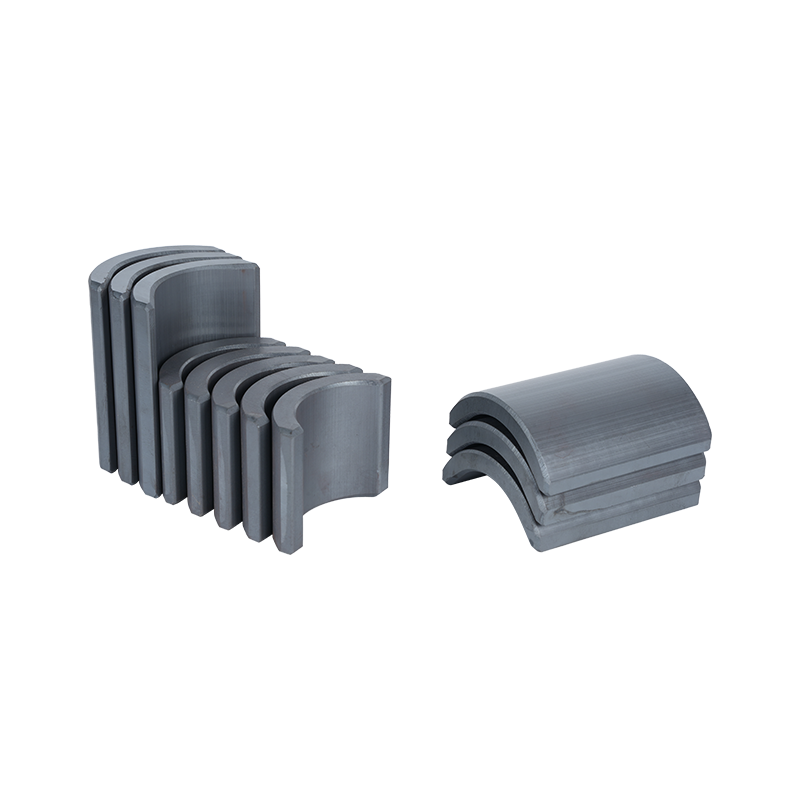
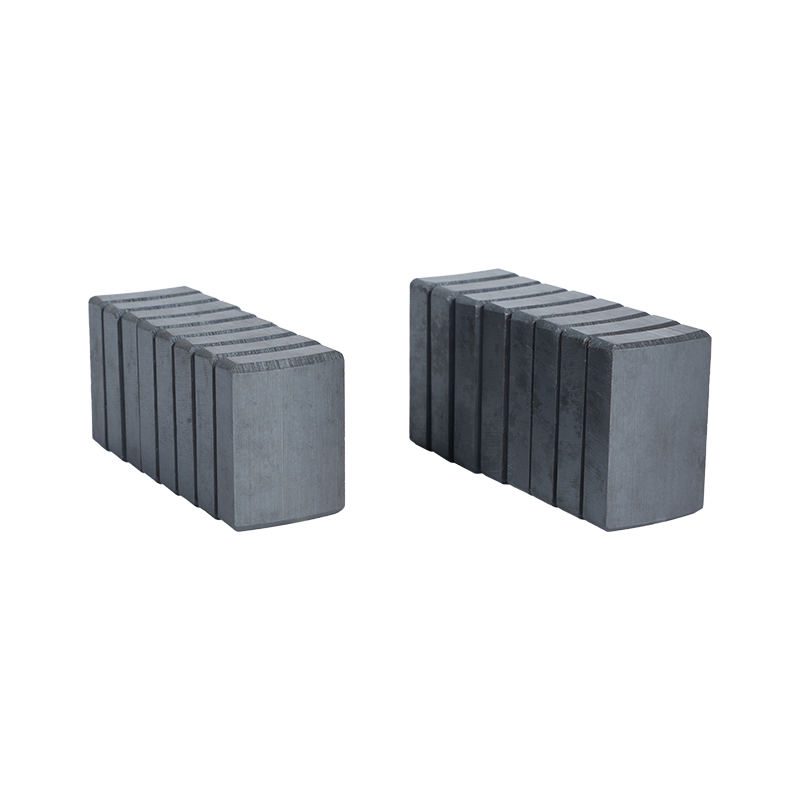
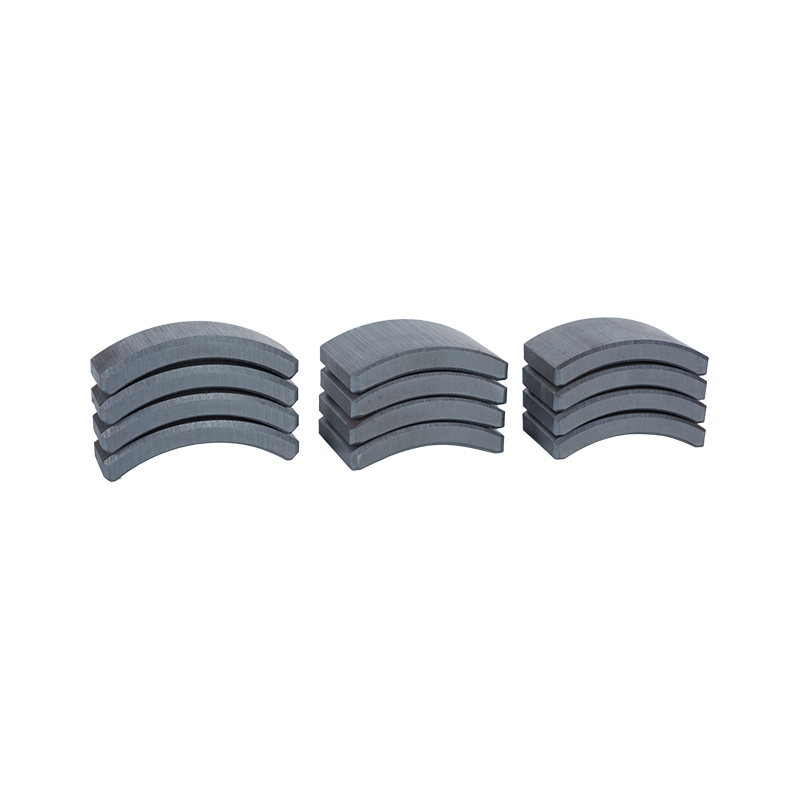
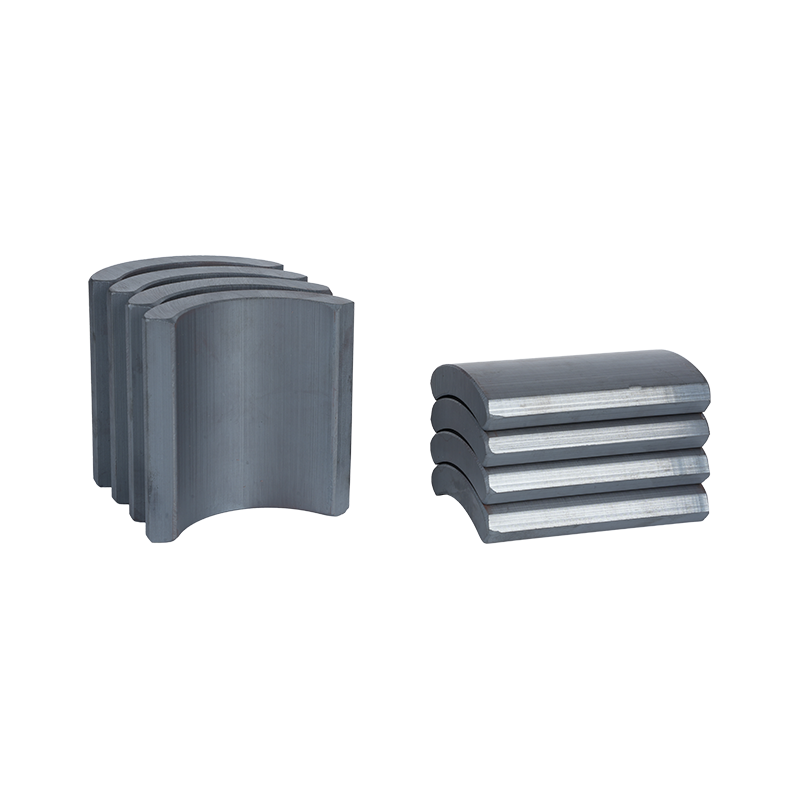
Dong Yang TianQi Magnetic Segment Co.,Ltd.(formerly Shuangyang Magnet Tile) is a professional enterprise specializing in the production of motor magnet tiles
Search by posts
Categories
Popular products
Contact Us
Industry News
 By Admin
How Are High Quality Neodymium Magnets Used In Home And Industry
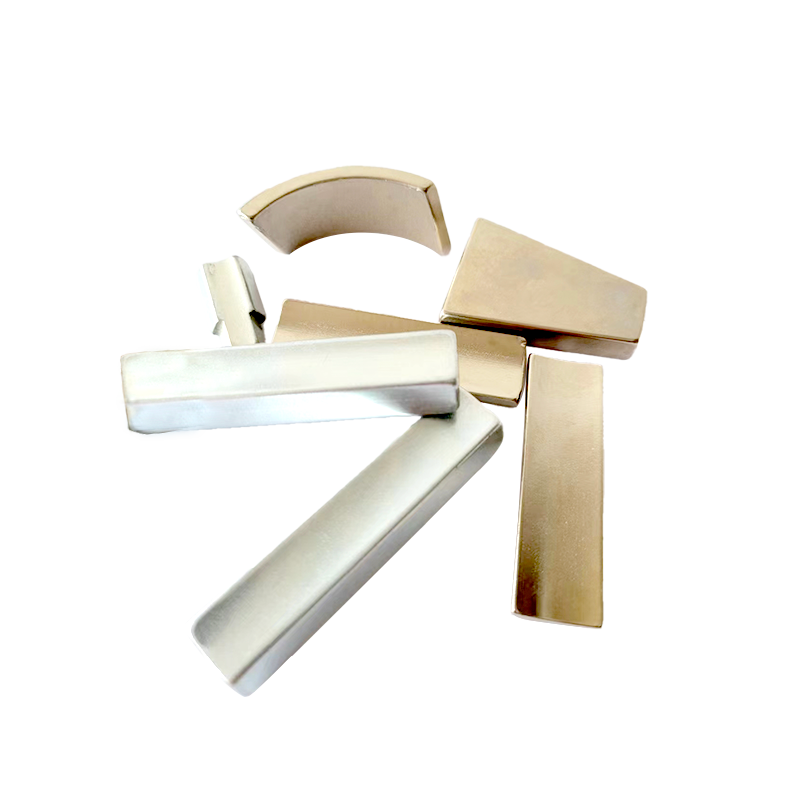
Magnetic force is not something that stands out in daily life, yet it sits inside many small functions that people rely on without paying attention. High Quality Neodymium Magnets appear in both home tools and industrial systems because a small piece of material can hold, attract, or position parts without adding complicated mechanical structures.
In home use, the focus is usually on making things easier to open, close, or adjust. In industrial environments, attention shifts toward keeping parts stable while machines run for long periods. Different goals, same basic idea: using magnetic force instead of extra hardware.
Space is often the quiet reason behind the choice. When internal structure becomes crowded, adding screws, clips, or hinges can make design messy or harder to maintain. A magnet can replace part of that structure without changing how the system feels during use.
Flexibility matters as well. Magnetic parts can be placed into different shapes and structures without redesigning everything around them. That makes them useful in products that need small adjustments over time.
What Makes High Quality Neodymium Magnets Practical In Real Use
High Quality Neodymium Magnets are not only chosen for strength, but also for how they behave after repeated use. A small size that still holds firm pressure is often useful when space is limited.
Another factor is stability. Magnetic force needs to stay fairly steady during normal use cycles. If the force changes too quickly, the part becomes unreliable in real applications.
Surface treatment also plays a quiet role. Exposure to air, humidity, or light contact with other materials can slowly affect performance. A coated surface helps reduce that kind of change, keeping the magnet usable for longer periods.
In practical terms, the material is often valued for:
- strong attraction within a small body
- stable behavior after repeated contact cycles
- protection against surface wear or corrosion influence
- ability to fit into different mechanical designs
| Feature | What It Does | Why It Matters |
|---|---|---|
| Strong magnetic force | Holds or pulls parts together | Saves space in design |
| Compact size | Takes little room | Easier system layout |
| Surface coating | Protects outer layer | Slower performance change |
| Structural consistency | Keeps shape steady | Reliable long use |
How High Quality Neodymium Magnets Appear In Home Settings
In household use, magnets usually work in small, repeated actions rather than complex mechanical systems. Their role is often to reduce effort in daily movement.
Kitchen storage is one common example. Small tools or lightweight objects can stay in place through magnetic contact instead of fixed hooks. Cabinet doors may close with magnetic alignment so the edges meet naturally without extra locking parts.
In small home devices, magnetic parts sometimes help components attach and detach without wear from repeated mechanical connection. That makes maintenance or adjustment more convenient over time.
Typical home situations include:
- kitchen tool placement and storage support
- cabinet door alignment during closing
- removable parts in small appliances
- simple household organization systems
The idea stays simple: reduce mechanical complexity while keeping daily use smooth.
What Role Do High Quality Neodymium Magnets Play In Office And Electronics
In office tools and electronic devices, magnets often work behind the surface. They are not always visible, but they support structure and movement inside the system.
Audio equipment is a clear example. Inside speakers, magnetic force helps create vibration movement that produces sound. In electronic devices, magnets can help keep internal parts aligned so movement stays controlled during operation.
Office equipment may also use magnetic closure points. Instead of mechanical locks, magnetic contact allows repeated opening and closing without noticeable wear.
A simple breakdown looks like this:
| Area | Function | Result |
|---|---|---|
| Audio systems | Supports vibration movement | Sound output |
| Electronics | Keeps parts aligned | Stable structure |
| Office tools | Allows easy closure | Repeated use convenience |
| Portable devices | Helps attachment | Flexible handling |
In these cases, High Quality Neodymium Magnets support compact design ideas where fewer mechanical parts are needed, and internal stability matters more than visible structure.
How High Quality Neodymium Magnets Behave Inside Industrial Machines
Industrial equipment runs under conditions that rarely stay stable. Load changes, vibration, and long operating hours all exist at the same time. High Quality Neodymium Magnets are often placed inside such systems where parts need to stay aligned or move in a controlled way without adding extra physical contact.
Inside motors and generators, magnetic force is already part of how movement is created. In some designs, magnets help keep rotation behavior steady while reducing direct friction between components. In coupling structures, magnetic interaction transfers motion across a gap, so two parts can work together without touching each other continuously.
Position-related systems use magnetic response in a quieter way. Movement along a fixed path can be tracked or guided through magnetic influence, which helps machines stay consistent even when operation cycles repeat for long periods.
Typical industrial usage includes:
- internal motor and generator magnetic structure
- non-contact motion transfer in coupling systems
- position alignment in automated machinery
- continuous running production equipment support
In these environments, magnets are not decorative parts. They sit inside the working logic of the machine.
How Production Control In A Neodymium Magnet Factory Affects Real Use
Every magnet used in real applications starts from a controlled production process. A Neodymium Magnet Factory deals with more than shaping material, since magnetic behavior depends on how internal structure is aligned and how surface protection is applied.
Surface treatment also matters in a practical sense. Coating is not only about appearance. It slows down environmental influence from air and moisture, helping the magnet keep its behavior closer to original conditions during long use.
Key production aspects often include:
- controlled alignment during forming stage
- stable coating application across surfaces
- uniform internal structure behavior
- consistency across repeated production batches
These factors decide how predictable High Quality Neodymium Magnets will be once installed in real systems, whether in household items or industrial equipment.
How Real Environment Conditions Slowly Change Magnet Performance
Once installed, magnets stop working in isolation. They sit inside environments that change over time. Heat, moisture, and vibration become part of daily operating conditions.
Temperature shifts are common in machines that run continuously. Even small changes over time can slightly influence magnetic behavior. Moist air can affect surface condition, especially when protective layers face long exposure. Vibration does not reduce magnetic force directly, yet it can influence how firmly parts remain positioned inside assemblies.
Over time, these influences build up slowly rather than appearing suddenly.
Main environmental factors include:
- repeated temperature variation during operation
- moisture exposure in surrounding atmosphere
- continuous mechanical vibration
- long-term load cycles inside systems
Because of this, many designs place magnetic parts inside protective housings or controlled spaces where external influence stays limited.
How Engineers Decide Where To Use High Quality Neodymium Magnets
Choosing where to use magnets is not only about strength. It is more about how the magnet behaves inside the full structure of a system.
Space often decides early direction. When internal layout is tight, compact magnetic parts become easier to place than mechanical connectors that need more room. After that, stability becomes important, especially in systems that move or vibrate frequently.
Another factor is interaction with nearby materials. Magnetic placement must avoid unwanted influence on sensitive parts while still providing enough functional force.
Common considerations include:
- available space inside the structure
- required holding or guiding force
- compatibility with surrounding materials
- frequency of movement during operation
In many cases, High Quality Neodymium Magnets are chosen because they reduce mechanical complexity while still supporting stable function.
How Home And Industrial Use Differ In Practice
Even though the same type of magnet can be used in both home and industrial environments, the way they are used feels different.
In home situations, magnets usually support light and repeated actions. Doors close easily, small tools stay in place, and parts can be removed without effort. The focus is convenience and daily handling.
Industrial use is more demanding. Systems run for long periods, loads are heavier, and conditions change more often. Magnetic components must remain stable even when vibration and temperature shifts are constant.
Simple contrast:
- home use focuses on ease and daily convenience
- industrial use focuses on long operation stability
- home load is generally lighter
- industrial load is more continuous and stronger
Even with different conditions, both rely on the same idea: replacing complex mechanical connections with controlled magnetic force where it makes sense.
How Magnetic Design Continues To Spread Into Modern Systems
Product design is moving toward simpler structures with fewer mechanical parts. High Quality Neodymium Magnets fit into this direction naturally, since they can handle holding, positioning, and alignment without adding extra hardware.
As internal layouts become tighter, magnetic solutions are often placed in areas where screws or hinges would take too much space. Over time, more systems start to rely on magnetic behavior not as an extra feature, but as part of their basic structure.
Recommended products
-
Professional Customized Ferrite Motor Magnetic Tiles
-
Hard Segment Arc Ferrite Magnetic Tiles
-
Anti-Corrosion Ferrite Arc Magnetic Tiles
-
Strong Magnetic Permanent Ferrite Magnetic Tiles
-
Heavy Duty Sintered Ferrite Magnetic Tiles
-
Industrial Magnetic Tiles
-
Electric Motor Magnet Tiles
-
Curved Neodymium Magnet
-
Block Neodymium Magnet
Contact Us

Ever since its establishment, TIANQI has never stopped walking in pursuit of quality.
About Us
Products Links
Contact Information
-

NO.55, Jici Road, Hengdian Town, Dongyang City, Zhejiang Province, China
-

Tel: +86 579-6311101
+86 579-6311106 -

E-mail:[email protected]
Copyright © Dong Yang TianQi Magnetic Segment Co.,Ltd.
Magnetic Tiles Factory
