


 English
 中文简体
中文简体
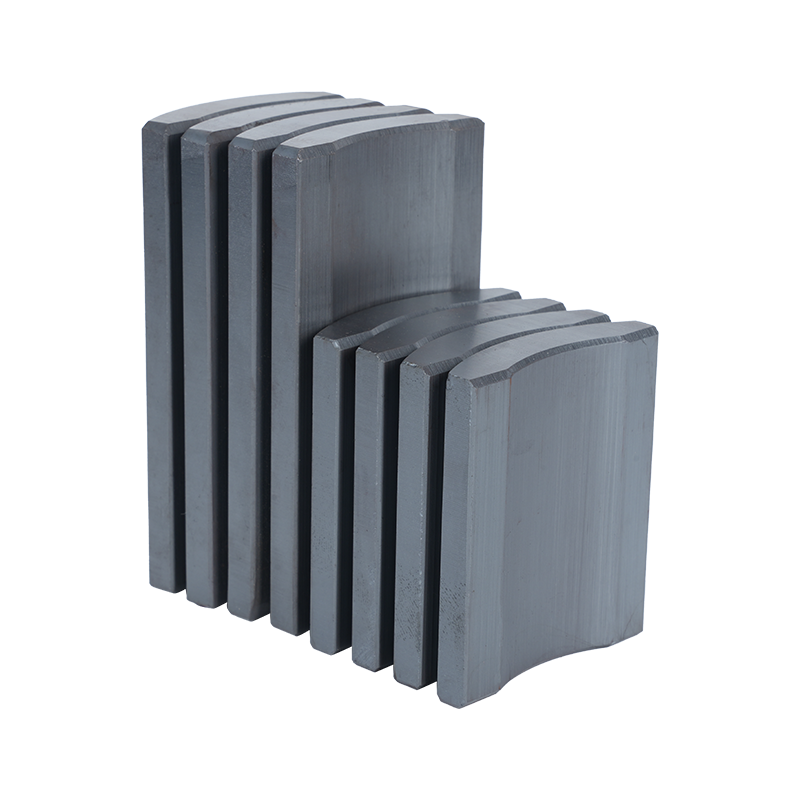
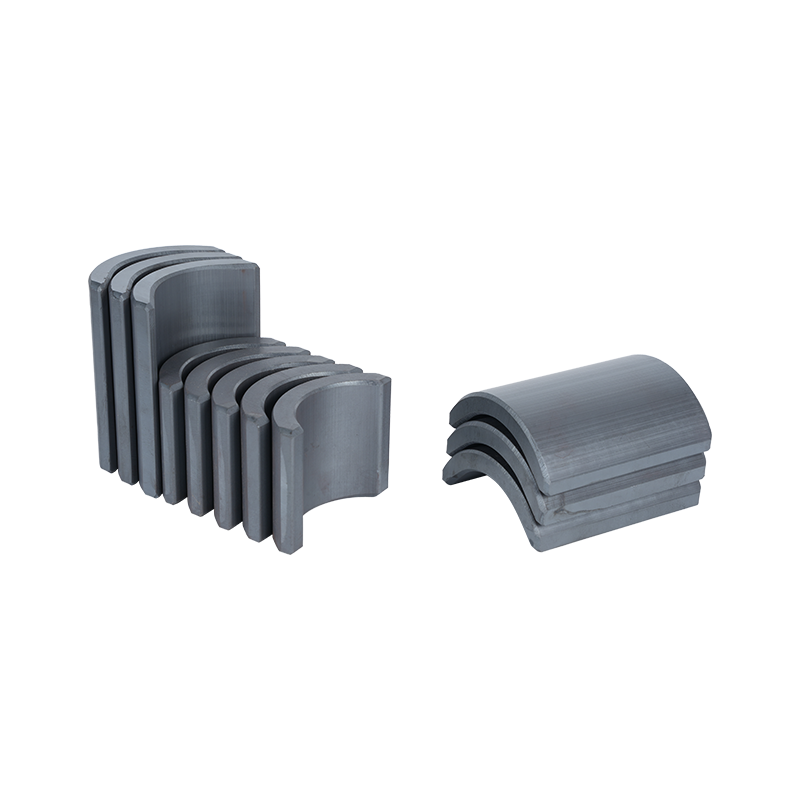
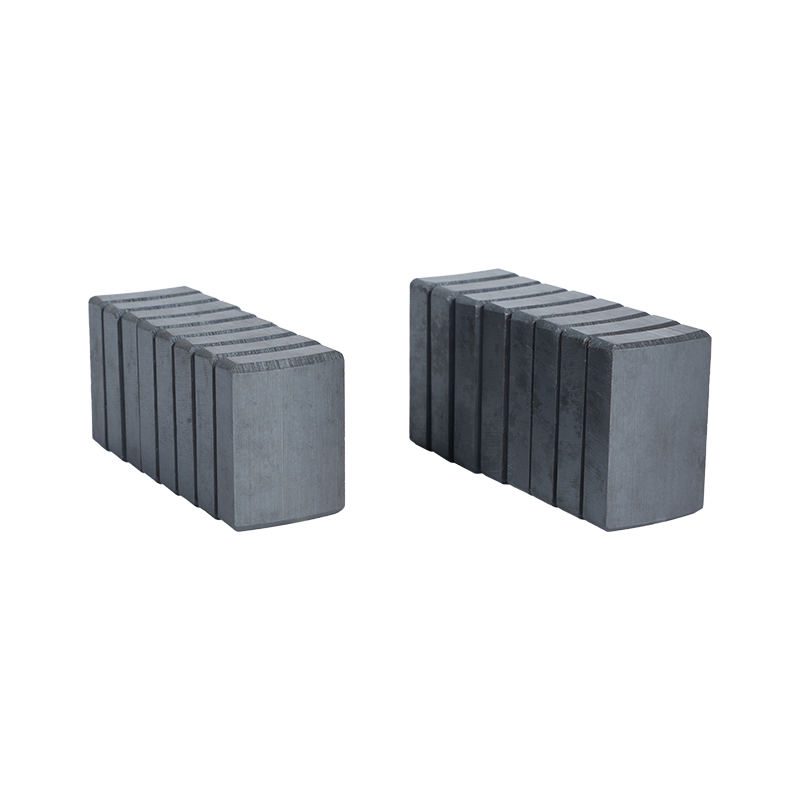
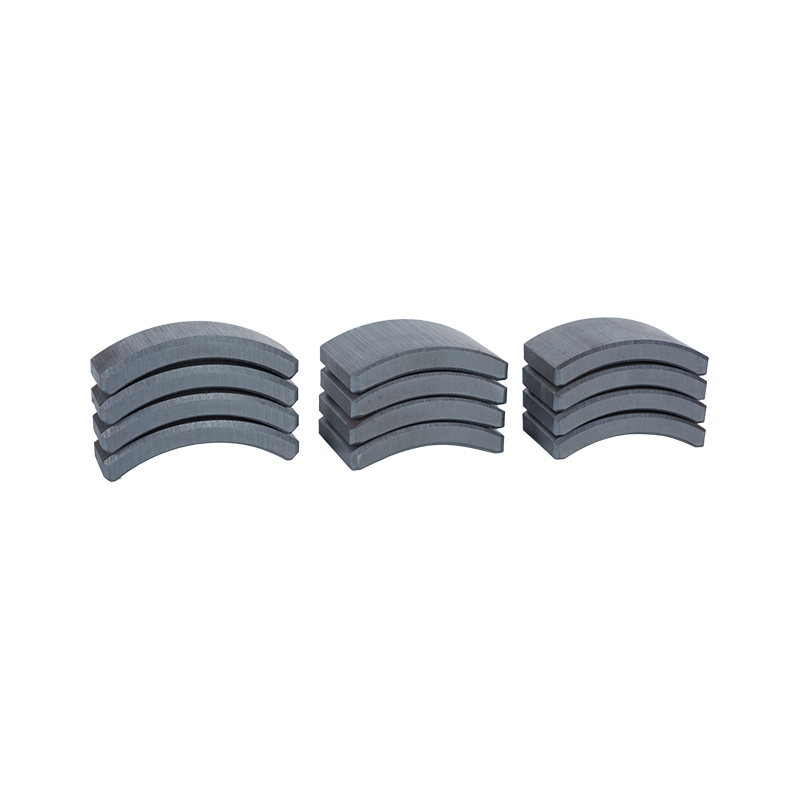
Dong Yang TianQi Magnetic Segment Co.,Ltd.(formerly Shuangyang Magnet Tile) is a professional enterprise specializing in the production of motor magnet tiles
Search by posts
Categories
Popular products
Contact Us
Industry News
 By Admin
How Do Temperature And Environment Affect High Quality Neodymium Magnets Performance
High Quality Neodymium Magnets are used in many small and compact assemblies where space is tight and magnetic force is expected to stay stable during work. In real use, performance does not stay completely unchanged. It shifts in a slow way depending on where the magnet is placed and what kind of surroundings it stays in.
Most of the time, the magnet itself does not "fail" suddenly. What happens is more like a gradual change in behavior caused by heat, cold, moisture in the air, dust, and storage conditions. These factors do not act alone, they build up together through daily use.
So instead of looking at magnets as fixed pieces, it makes more sense to view them as parts that quietly respond to their environment.
Why Do High Quality Neodymium Magnets React to Temperature Changes
Temperature is usually the factor people notice. In real applications, magnets are often placed close to motors, electronic parts, or metal structures where heat is not evenly distributed.
When things get warmer, the magnetic field does not disappear, but the holding force may feel slightly softer. This is linked to how internal alignment reacts when energy around it increases. Once the temperature drops back, the performance usually returns to a more familiar level.
Cold conditions work in the opposite direction. Lower temperature tends to slow internal movement, so the magnetic alignment feels more steady during short operation. In simple terms, the magnet behaves in a more "calm" way when the environment is cooler.
In daily or industrial use, temperature changes often come from:
- Machines running for long periods in closed spaces
- Parts placed near heat-producing components
- Equipment exposed to sunlight or outdoor heat
- Systems that start and stop frequently during operation
A simple way to read the pattern:
| Temperature Condition | What Happens Inside | What Is Usually Noticed |
|---|---|---|
| Normal environment | Balanced internal alignment | Stable holding feel |
| Heat builds up | Alignment becomes less steady | Slight drop in force |
| Cooler surroundings | Movement slows down | More steady behavior |
| Repeated change | Small shifts accumulate | Uneven performance over time |
Nothing changes in a sudden or visible way. The effect builds slowly through repeated heating and cooling cycles.
How Does Cold Environment Influence Magnetic Strength and Behavior
Cold surroundings do not weaken magnets in a direct sense. In many short-term situations, the behavior may even feel more stable because internal movement becomes slower.
For example, in equipment placed outdoors or in cooler storage rooms, parts that rely on magnetic holding often stay in position without drifting. That stability is more about reduced internal activity than an increase in strength.
Still, cold conditions rarely stay constant. The real issue appears when temperature changes quickly. Moving from cold to warm air can bring moisture into the picture. Water vapor in the air may condense on nearby surfaces, especially metal parts connected to the magnet system.
This does not directly reduce magnetic force, but it can influence how surrounding components behave, especially where tight fitting or precise alignment is needed.
Cold exposure is commonly found in situations like:
- Outdoor installations that follow weather changes
- Equipment stored in non-heated rooms
- Devices carried between indoor and outdoor spaces
- Mechanical systems exposed to open air
Once conditions return to a moderate level, the magnet itself does not need recovery. The behavior simply follows the environment again.
What Happens to High Quality Neodymium Magnets in Humid or Wet Conditions
Humidity works more slowly compared to temperature, but its effect can last longer when exposure continues.
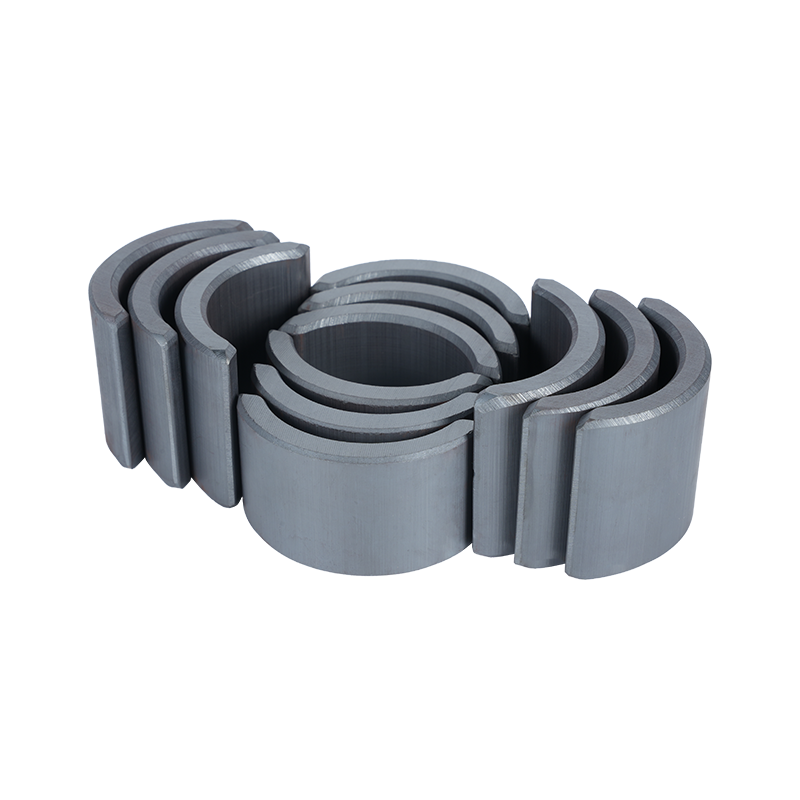
High Quality Neodymium Magnets usually have a coating layer that separates the core material from the outside environment. When air stays moist for long periods, this outer layer becomes the main protection line.
This process is not sudden. It often develops quietly through daily exposure.
Typical places where humidity shows up:
- Storage rooms with limited airflow
- Work areas where temperature changes during the day
- Outdoor equipment exposed to weather cycles
- Transport situations with shifting air conditions
A simple breakdown:
| Air Condition | What Happens on Surface | Long-Term Pattern |
|---|---|---|
| Dry air | Very little change | Stable surface state |
| Mild humidity | Slow surface reaction | Light wear over time |
| High humidity | Constant moisture contact | Noticeable coating aging |
| Wet exposure | Direct water contact | Faster surface change |
How Does Air Quality and Dust Affect Long-Term Magnet Performance
The magnet field itself is not blocked by dust. The issue appears when particles settle on surrounding parts. In moving systems, even a thin layer of dust can change how smoothly parts interact with each other.
In closed machines, dust still enters over time through small gaps or during maintenance. In open environments, accumulation happens faster and becomes more visible on edges and corners.
Common exposure situations include:
- Machines with continuous mechanical movement
- Industrial environments with airborne particles
- Outdoor equipment exposed to wind and dirt
- Storage areas without sealing or protection
Dust buildup usually follows a slow pattern:
- scattered particles with no clear impact
- accumulation in corners and joints
- reduced smoothness in movement areas
Cleaning surrounding structures helps more than focusing only on the magnet itself. In many cases, the magnet is not the problem, the environment around it is.
What Role Does Storage Environment Play in Magnet Stability
Storage is often overlooked, yet it quietly shapes how magnets behave later during use.
Indoor storage tends to keep conditions more stable. Temperature changes are smaller, and exposure to moisture or dust is reduced. This helps the magnet stay closer to its original condition before installation.
In less controlled spaces, small changes in air and temperature happen more often. Even if each change is minor, repeated cycles slowly influence surface behavior.
Another detail is spacing. When magnets are stored too close, airflow is reduced and surface contact increases.
Key storage habits usually include:
- Leaving space between individual magnets
- Keeping away from moisture sources
- Avoiding open dusty areas
- Reducing repeated temperature swings
Storage does not change magnetic strength directly in a short time. It simply sets the background condition for how High Quality Neodymium Magnets will behave when they are used later.
How Can Temperature Fluctuation Affect Magnetic Lifespan Over Time
Temperature change does not act like a single event. It behaves more like a repeated pressure that builds slowly across daily operation. High Quality Neodymium Magnets may look unchanged after heating or cooling once, yet repeated cycles tend to leave a subtle trace in performance behavior.
When heat rises and falls again and again, internal alignment does not fully settle in the same way each time. The change is small, often hard to notice in short use, yet over longer periods it can be felt as less consistent holding behavior in certain positions or loads.
Cold and warm switching creates a similar pattern. A magnet placed in an environment that keeps shifting between two conditions rarely stays in a steady state. The structure responds each time, even if the reaction is slight.
Common situations where fluctuation appears:
- Equipment turning on and off during frequent cycles
- Systems placed near heat sources with unstable output
- Outdoor devices exposed to daily weather changes
- Mechanical assemblies with irregular working intervals
A simple view of repeated temperature influence:
| Condition Pattern | Internal Response | Long-Term Observation |
|---|---|---|
| Stable temperature | Steady alignment | Predictable behavior |
| Occasional change | Small adjustment only | Minor variation |
| Frequent fluctuation | Repeated internal shift | Less consistent performance |
| Long-term cycles | Gradual accumulation effect | Noticeable variation in stability |
The magnet does not "wear out" in a visible way from temperature alone. What changes is the consistency of response over time.
What Maintenance Practices Help Stabilize Magnet Performance
Maintenance for High Quality Neodymium Magnets is not complicated, yet it focuses more on environment control than direct treatment of the magnet itself.
Surface condition matters. Dust, oil mist, and fine particles may settle on surrounding parts, especially in working systems. Keeping contact areas clean helps reduce unwanted friction or uneven movement in assemblies.
Moisture control also plays a quiet role. In places where humidity changes often, keeping surrounding components dry helps reduce slow surface changes over time. Even when magnets are coated, nearby parts can still influence overall system behavior.
Handling is another factor. During installation or replacement, magnets may experience mechanical stress if placed roughly or aligned incorrectly. Small chips or surface marks can develop, and those areas tend to react more easily to environment exposure later.
Practical maintenance habits often include:
- Wiping surrounding surfaces to remove dust buildup
- Keeping installation areas dry and clean
- Avoiding sudden mechanical impact during setup
- Checking alignment in moving assemblies
- Reducing exposure to moisture during storage periods
Maintenance is less about the magnet alone and more about the environment it works inside.
How Does Environmental Exposure Influence Different Magnet Shapes and Sizes
Magnet shape and size change how environment effects appear in real use. Small magnets often react more to surrounding conditions in mechanical systems because they are used in tighter spaces where airflow and cleaning are limited.
Larger magnets behave differently. Their mass and surface area make them more stable in position, yet they can collect environmental effects over wider surfaces, especially in open installations.
In compact devices, even small dust buildup can affect movement because space is limited. In larger industrial systems, the effect is spread out, yet still present in joints, edges, or contact zones.
General behavior patterns:
- Small components respond quickly to local changes in temperature and dust
- Medium components show balanced response with moderate environmental influence
- Larger components react more slowly, yet surface exposure builds over time
A simple comparison:
| Size Type | Environmental Sensitivity | Typical Observation |
|---|---|---|
| Small magnets | Higher response to change | Fast effect in tight spaces |
| Medium magnets | Balanced reaction | Moderate influence from environment |
| Large magnets | Slower response | Gradual surface changes over time |
Shape also matters. Flat surfaces may collect dust more evenly, while cylindrical or curved designs may show uneven moisture or particle buildup depending on position.
What Should Be Considered When Using High Quality Neodymium Magnets in Complex Environments
Real working environments rarely involve only one factor. Temperature, humidity, dust, and mechanical stress often appear together. When combined, their influence becomes more noticeable over time.
In systems with continuous motion, small environmental changes repeat during every cycle. Heat from operation, cooling during rest, and surrounding air movement all interact with the magnet's position and contact points.
In mixed environments, stability depends more on system design than on the magnet alone. Placement, ventilation, and protection layers all affect long-term behavior.
Important points often include:
- Whether the magnet is placed near heat sources
- How often the system changes temperature during operation
- Level of air exposure and dust presence
- Whether moisture can gather in surrounding structure
- Mechanical load applied during movement
When these factors overlap, even small environmental changes can gradually influence overall performance behavior. The magnet continues working, yet the conditions around it shape how stable that work appears.
Temperature and environment do not change High Quality Neodymium Magnets in a sudden or dramatic way. The influence is slower, built through repeated exposure to heat, cold, moisture, dust, and storage conditions.
In practical use, performance is often a reflection of surroundings rather than a single material change. A stable environment keeps behavior predictable, while fluctuating conditions gradually introduce variation in how magnetic force feels during operation.
Neodymium Magnet Factory level control during material preparation and surface treatment plays a role in initial stability, yet long-term behavior still depends heavily on where and how the magnet is used.
Real performance comes from both sides working together, material structure and environmental conditions moving in balance over time.
Recommended products
-
Professional Customized Ferrite Motor Magnetic Tiles
-
Hard Segment Arc Ferrite Magnetic Tiles
-
Anti-Corrosion Ferrite Arc Magnetic Tiles
-
Strong Magnetic Permanent Ferrite Magnetic Tiles
-
Heavy Duty Sintered Ferrite Magnetic Tiles
-
Industrial Magnetic Tiles
-
Electric Motor Magnet Tiles
-
Curved Neodymium Magnet
-
Block Neodymium Magnet
Contact Us

Ever since its establishment, TIANQI has never stopped walking in pursuit of quality.
About Us
Products Links
Contact Information
-

NO.55, Jici Road, Hengdian Town, Dongyang City, Zhejiang Province, China
-

Tel: +86 579-6311101
+86 579-6311106 -

E-mail:[email protected]
Copyright © Dong Yang TianQi Magnetic Segment Co.,Ltd.
Magnetic Tiles Factory
