


 English
 中文简体
中文简体
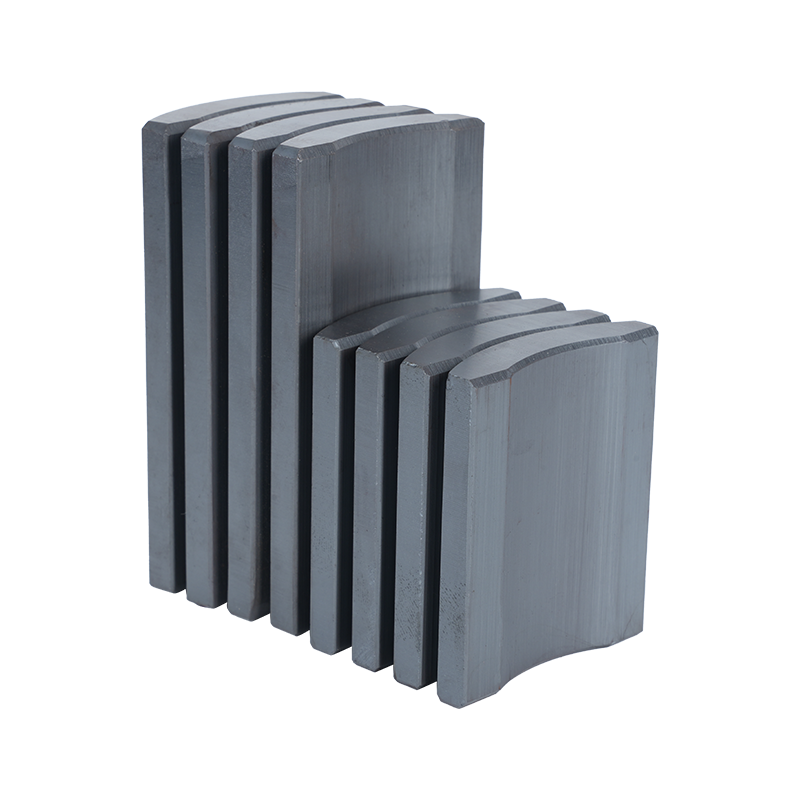
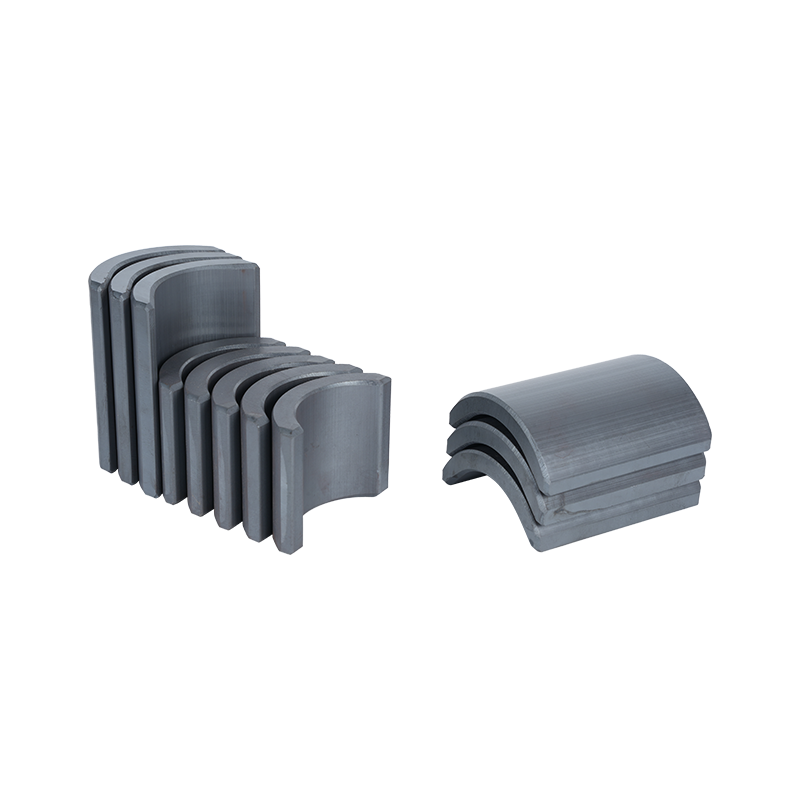
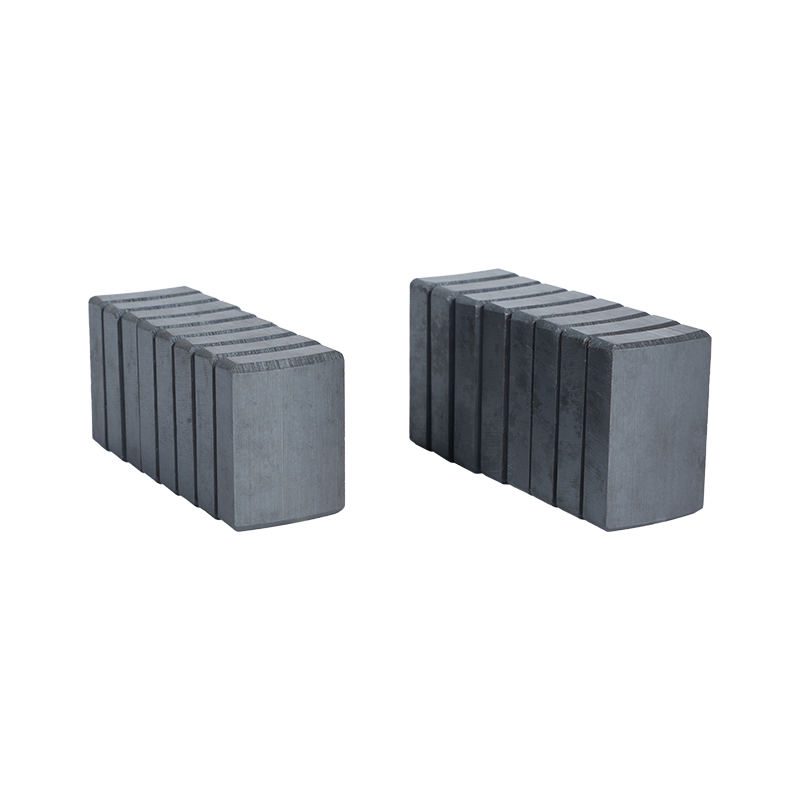
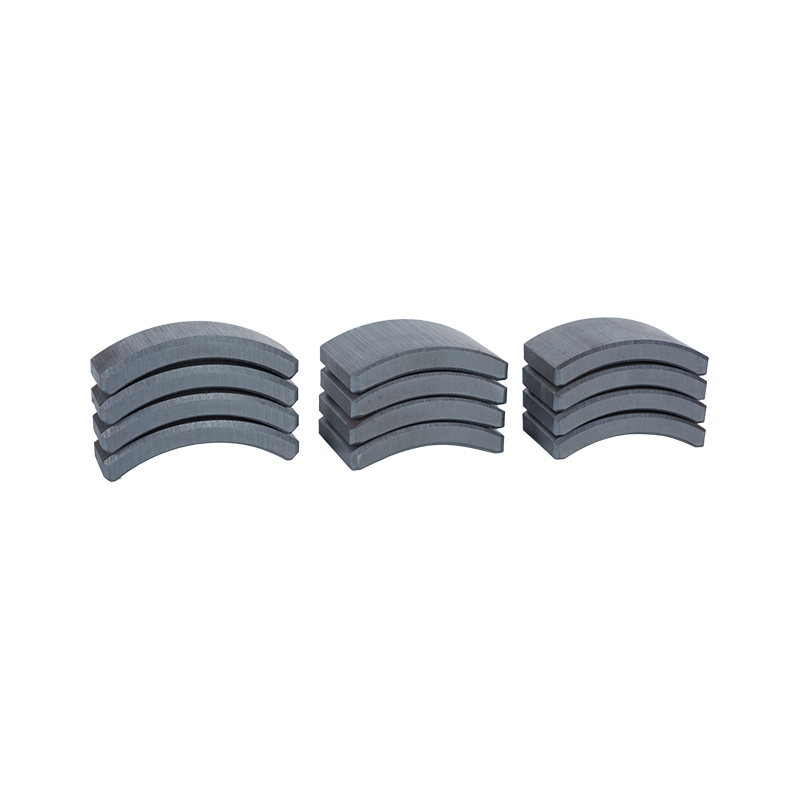
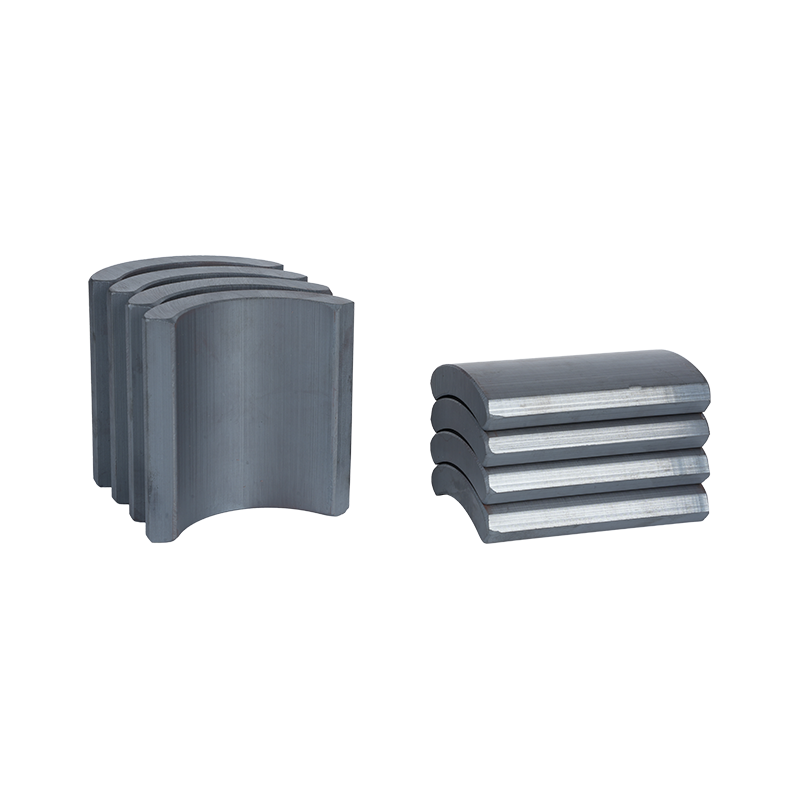
Dong Yang TianQi Magnetic Segment Co.,Ltd.(formerly Shuangyang Magnet Tile) is a professional enterprise specializing in the production of motor magnet tiles
Search by posts
Categories
Popular products
Contact Us
Industry News
 By Admin
How Do High Quality Neodymium Magnets Work In Small Spaces
Why Do High Quality Neodymium Magnets Appear So Often In Small Products?
Small products carry more parts than they look from outside. Inside a thin shell, there may be boards, moving joints, connectors, and tiny supports packed together. Space runs out quickly. Mechanical locks and screws take up even more room, so designers start replacing them with simpler holding methods.
High Quality Neodymium Magnets show up in that situation. Not because they look special, more because they solve a basic problem: holding things together without needing extra movement space.
In daily use, many people already interact with magnets without noticing. A small cover closes softly. A panel stays in place without visible clips. A compact device snaps back into position after opening. No extra force needed beyond a light pull.
A few practical reasons behind this choice:
- Internal space cannot handle bulky locking parts
- Repeated movement wears out mechanical clips
- Thin product shells need flat internal layout
- Assembly steps need to stay simple
Magnets fit into narrow gaps, often hidden inside plastic or metal frames, leaving the outside design clean while doing the actual holding work inside.
| Aspect | Mechanical Fastener | High Quality Neodymium Magnets |
|---|---|---|
| Space usage | Requires clearance for movement | Works in direct contact |
| Repeated use | Wear from friction | Minimal surface wear |
| Structure complexity | Multiple parts needed | Single embedded component |
| Opening behavior | Manual force required | Separation through pull motion |
How Can A Small Magnet Create Noticeable Holding Force?
The size of a magnet does not directly describe how it performs in tight spaces. High Quality Neodymium Magnets store strong magnetic energy in a dense structure. That energy works across very short distances, which matches compact product design.
Inside a small device, the magnet is usually placed behind a surface wall. The opposite side is another magnet or a metal plate. When both sides come close, the field pulls them into alignment.
What matters in real use is not only strength, also distance and contact shape. Even a small shift in placement can change how strong the connection feels.
In simple terms:
- Close contact brings stronger hold
- Slight gap weakens connection quickly
- Flat alignment improves stability
- Uneven surface reduces grip area
This is why compact design work focuses heavily on positioning rather than adding more material.
Why Are High Strength Neodymium Magnet Parts Used Instead Of Mechanical Locks?
Mechanical locks feel familiar, yet they take space. A hinge needs clearance. A clip needs a frame. A latch needs moving room. Inside small products, that space becomes expensive.
High Strength Neodymium Magnet parts avoid that issue. They hold by attraction instead of motion. No sliding track. No locking hook. Just alignment.
In everyday products, that shows up in simple ways:
- A small lid closes without snapping sound
- A detachable piece aligns automatically
- A cover stays shut even when shaken lightly
- A modular part attaches without visible hardware
Inside compact design, reducing part count often matters more than increasing complexity. Magnets help simplify structure while keeping function stable.
What Happens When Magnetic Systems Fit Into Tight Spaces?
Small space changes how everything behaves. There is less room for error. Components sit closer together, so even slight misalignment becomes noticeable.
High Quality Neodymium Magnets in compact environments rely heavily on positioning accuracy. If the magnet sits a bit off center, contact area shrinks. That can change holding feel during everyday use.
Common real conditions include:
- Repeated opening during daily handling
- Slight vibration when carried in bags
- Pressure from surrounding internal parts
- Heat trapped inside closed housing
Inside tight enclosures, airflow is limited. Temperature builds up slowly. That can affect surrounding plastic or metal parts, which in turn changes alignment over time.
A simple pattern often appears in use:
- Well-aligned parts close smoothly
- Slight mismatch creates uneven pull
- Long use shows contact marks on edges
Small space does not reduce function. It makes precision more noticeable.
Where Are High Quality Neodymium Magnets Used In Real Compact Products?
Magnetic parts are rarely visible from outside. They are usually hidden inside walls, frames, or thin compartments. Still, their function shows up in daily use.
Common small space applications include:
- Compact electronic covers that open and close repeatedly
- Portable tools with folding or attachable sections
- Small storage boxes that need soft closing
- Modular parts that connect and detach frequently
- Internal alignment points in mini devices
In many cases, users do not interact directly with the magnet itself. The experience comes through movement feel, closure stability, and ease of alignment.
How Does Production At A Neodymium Magnet Factory Affect Small Space Use?
Small devices depend on consistency. If magnet size varies slightly, installation becomes difficult. If surface shape is uneven, contact becomes unstable.
Work inside a Neodymium Magnet Factory often focuses on keeping shape and magnetic behavior stable across compact pieces. Even small differences matter more in tight designs than in large structures.
Key points that affect real use:
- Edge smoothness for better fit inside narrow slots
- Surface coating that handles repeated contact
- Size control for tight housing installation
- Magnetic uniformity across small units
Why Does Precision Matter So Much In Small Space Magnetic Design?
Large structures can absorb small errors. Compact structures cannot. Everything sits too close together.
High Quality Neodymium Magnets depend on exact placement inside tight layouts. When alignment is correct, connection feels smooth and stable. When slightly off, force spreads unevenly.
In real use, precision affects:
- How smoothly parts close
- How stable connection feels during movement
- How often misalignment happens during repeated use
- How consistent performance stays over time
Once installed inside small housing, adjustment is often not possible. That makes initial placement part of the design itself.
What Happens To Magnetic Performance Inside Tight Enclosures?
Small housings change how every component behaves. Air circulation slows down. Heat stays longer inside the shell. Parts sit very close to each other, sometimes only separated by thin walls or coatings. High Quality Neodymium Magnets placed in such environments do not lose function easily, yet the way force feels can shift slightly during long use.
Inside compact products, heat usually comes from nearby components rather than the environment outside. A small rise in temperature may not affect magnet strength directly, though surrounding plastic or resin can expand slightly. That small change affects how two surfaces meet.
In daily handling, a few patterns tend to appear:
- Closing action feels slightly different after long operation
- Alignment becomes more sensitive to angle
- Contact sound becomes softer or uneven
- Vibration creates different feedback through the housing
Nothing dramatic. More like gradual adjustment from repeated use inside a confined space.
Why Does Contact Surface Matter More Than Magnetic Strength?
In small space design, magnets rarely work alone. They rely on how well two surfaces meet. High Quality Neodymium Magnets can generate strong force, though that force only works fully when contact is close and even.
Flat contact gives steady behavior. Uneven surfaces reduce usable area, so part of the magnetic field pulls stronger than another part. That creates slight twisting or uneven holding feel.
In real use conditions:
- Dust between surfaces reduces effective grip
- Small tilt changes direction of pull
- Molding tolerance affects final alignment
- Repeated opening creates light wear marks
Over time, contact zones often show faint polishing where pressure stays strongest. That is normal in compact systems and often used during design tuning.
How Are High Quality Neodymium Magnets Used In Portable Structures?
Portable devices depend on quick connection. No tools, no complicated locking steps. Just alignment and release. High Strength Neodymium Magnet parts fit into that need because attraction happens automatically when surfaces approach each other.
In everyday use, this appears in simple actions:
- A foldable part clicks into position when closed
- A small panel stays aligned during movement
- A detachable section reconnects without effort
- A modular piece returns to the same position repeatedly
From outside, the movement feels smooth. Inside, placement accuracy and spacing control matter more than anything else.
Even a small shift in magnet position changes how stable the connection feels. That is why compact systems often rely on guiding shapes around magnets, not magnets alone.
What Problems Appear When Space Becomes Too Tight?
Small space design removes freedom. Every millimeter matters. Components sit close enough that small changes influence multiple parts at once.
High Quality Neodymium Magnets inside tight layouts face several practical constraints:
- Heat buildup with limited airflow
- Nearby metal parts affecting field direction
- Reduced tolerance for misalignment
- Surface wear from repeated contact
- Slight vibration transferring through housing
None of these issues act alone. They overlap during real use.
For example, heat may slightly soften surrounding material. That changes alignment. Misalignment reduces contact area. Reduced contact changes how force feels. The chain is small, yet noticeable over time.
How Does Design Work Adjust Around Magnetic Systems?
Design around compact magnets often starts with structure instead of force. Instead of increasing magnet strength, engineers focus on how surfaces meet.
Typical adjustments include:
- Positioning magnets deeper inside housing walls
- Adding flat guide surfaces near contact points
- Controlling gap distance between matching parts
- Using surrounding structure to support alignment
- Reducing unnecessary movement inside enclosure
In small devices, magnets rarely act as the only holding element. They work together with shape design. The housing itself helps guide parts into correct position so magnetic force can do the final holding step.
That combination makes the system feel simple from outside while remaining structured inside.
What Role Does Neodymium Magnet Factory Production Play In Small Applications?
Compact applications depend heavily on consistency. A slight size difference can change how a part fits into a narrow slot. A small variation in coating can affect smoothness during repeated contact.
A Neodymium Magnet Factory producing compact-grade magnets usually pays attention to:
- Shape accuracy for tight installation spaces
- Edge smoothness for clean assembly contact
- Coating stability for repeated use conditions
- Magnetic uniformity across small components
In small systems, tolerance is narrow. Parts do not have extra space to adjust themselves during assembly. That makes consistent production more important than raw strength.
Why Do Long-Term Cycles Reveal More Than Initial Use?
At use, everything feels stable. Surfaces are clean, alignment is new, and contact points are fresh. After repeated cycles, behavior starts to settle into a pattern.
With High Quality Neodymium Magnets, long-term use often shows:
- Slight smoothing of contact surfaces
- More defined alignment points
- Small changes in closing resistance
- Stable but slightly different tactile feedback
These changes come from repeated motion inside a confined environment. Not sudden, more like gradual adjustment between materials.
Compact systems rarely fail suddenly. They change slowly, revealing how structure, surface, and magnet interact over time.
Why Do High Quality Neodymium Magnets Continue To Be Used In Small Space Designs?
Small space design keeps growing across many product types. Devices become thinner. Internal layouts become denser. More functions are packed into smaller shells.
High Quality Neodymium Magnets remain part of this shift because they reduce mechanical complexity without demanding extra space. No sliding tracks. No bulky locks. No additional clearance for movement.
They fit where structure is tight and motion space is limited.
That simple compatibility with compact design explains why magnetic systems continue to appear inside so many hidden parts of everyday devices.
Recommended products
-
Professional Customized Ferrite Motor Magnetic Tiles
-
Hard Segment Arc Ferrite Magnetic Tiles
-
Anti-Corrosion Ferrite Arc Magnetic Tiles
-
Strong Magnetic Permanent Ferrite Magnetic Tiles
-
Heavy Duty Sintered Ferrite Magnetic Tiles
-
Industrial Magnetic Tiles
-
Electric Motor Magnet Tiles
-
Curved Neodymium Magnet
-
Block Neodymium Magnet
Contact Us

Ever since its establishment, TIANQI has never stopped walking in pursuit of quality.
About Us
Products Links
Contact Information
-

NO.55, Jici Road, Hengdian Town, Dongyang City, Zhejiang Province, China
-

Tel: +86 579-6311101
+86 579-6311106 -

E-mail:[email protected]
Copyright © Dong Yang TianQi Magnetic Segment Co.,Ltd.
Magnetic Tiles Factory
