


 English
 中文简体
中文简体
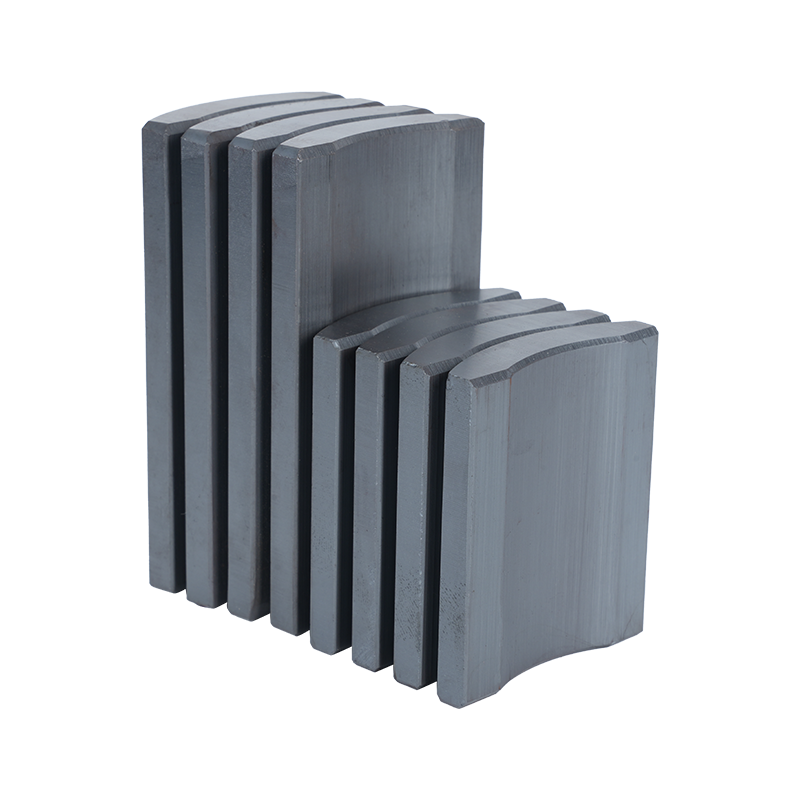
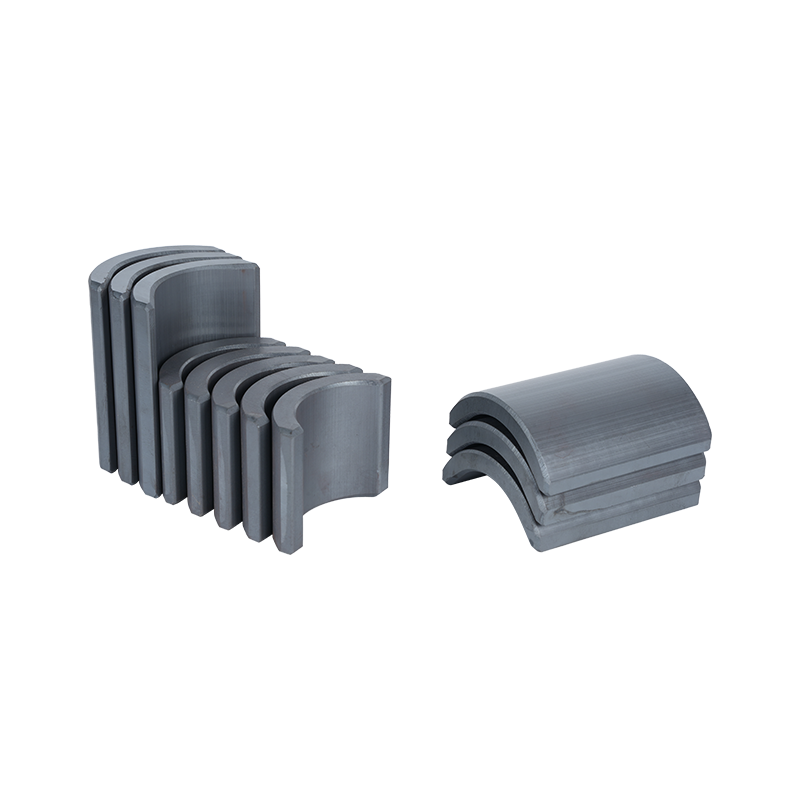
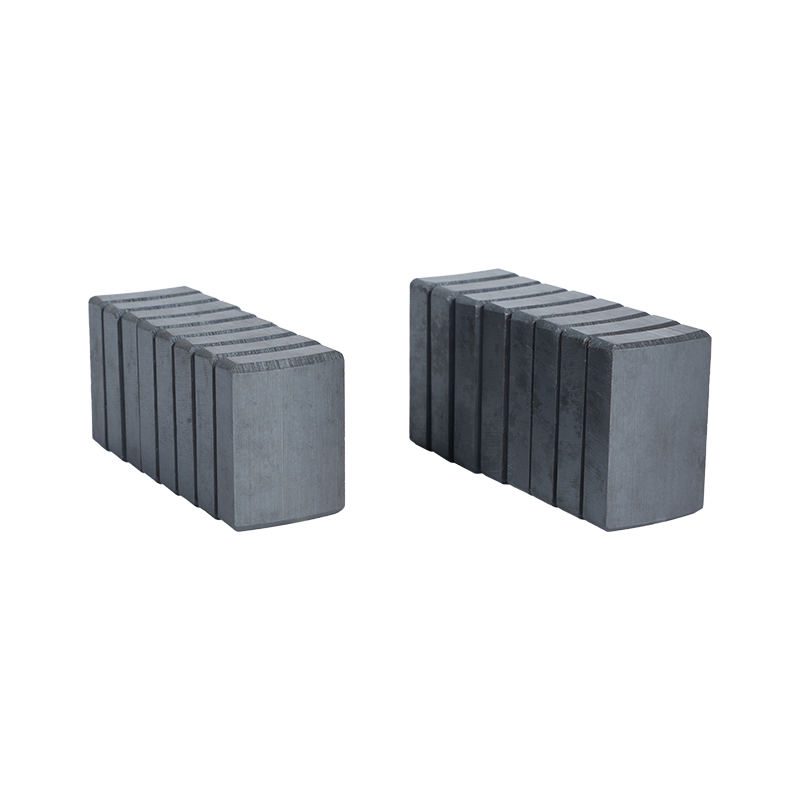
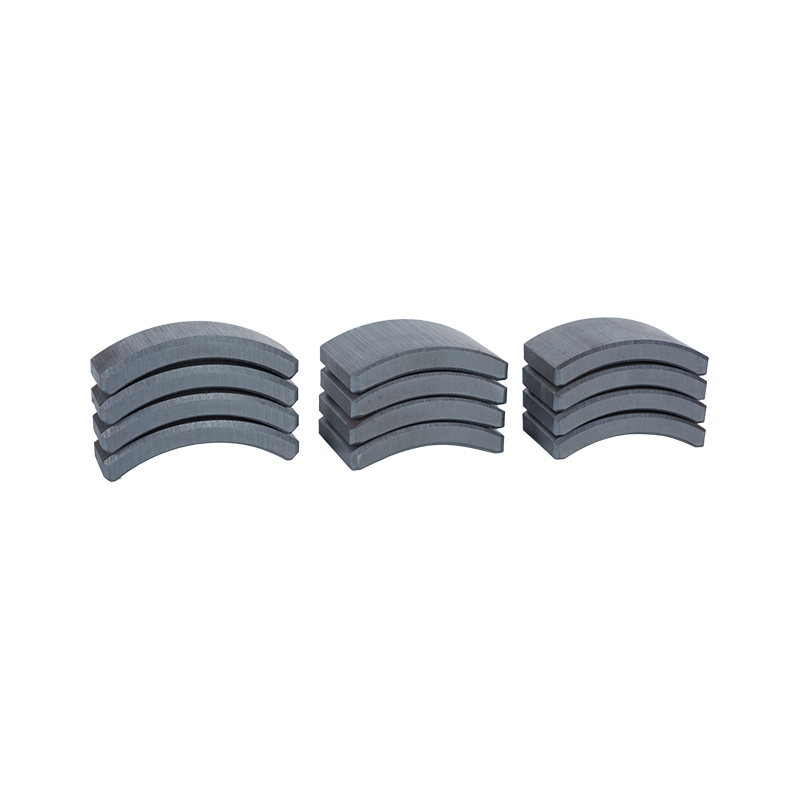
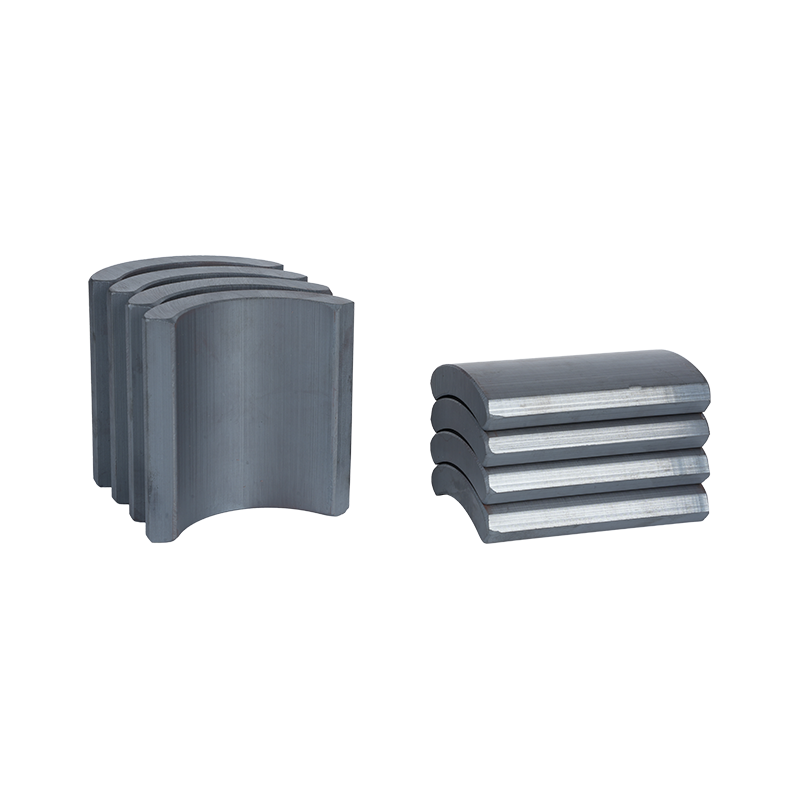
Dong Yang TianQi Magnetic Segment Co.,Ltd.(formerly Shuangyang Magnet Tile) is a professional enterprise specializing in the production of motor magnet tiles
Search by posts
Categories
Popular products
Contact Us
Industry News
 By Admin
What Makes High Quality Neodymium Magnets Different In Everyday Use
In daily life, magnets are often already there without people really noticing them. They sit inside small objects like cabinet catches, tool holders, drawer closures, or simple fixing parts. You only become aware of them when something suddenly "clicks" into place in a way that feels more definite than expected.
High Quality Neodymium Magnets stand out in these everyday situations because a small piece can hold or pull objects with a strength that feels slightly surprising for its size. In real use, it is not about numbers or technical ideas. It is more about how the object behaves in the hand.
In production and application discussions, Dong Yang TianQi Magnetic Segment Co.,Ltd. is sometimes mentioned in relation to stable performance in small functional magnetic parts used in daily environments, especially where repeated sticking and releasing is needed.
Why Do High Quality Neodymium Magnets Show Up In So Many Daily Things?
If you take a slow look around a home or workshop, magnetic parts are already everywhere. Most of them are hidden inside products, so people don't notice them until they pay attention.
A few common examples:
- Cabinet doors that close smoothly without a visible lock
- Small tool holders that keep metal objects in place on a wall
- Office boards where notes stay fixed without slipping
- Storage boxes that stay shut with a simple touch
What makes them practical is not complexity. It is the simplicity of use. You bring two parts close, and they connect. No turning, no pressing, no extra steps.
In everyday situations, this kind of function matters more than people think. When hands are busy or movement space is small, a quick attachment feels more natural than mechanical fastening.
How Does Magnetic Strength Feel In Real Use?
Most people don't experience magnetic strength as a number or specification. They feel it during contact.
When a magnet gets close to a metal surface, the pull often feels sudden. It does not slowly build like friction. Instead, once the distance becomes small enough, the object is drawn in quickly and firmly.
In daily handling, this leads to a few simple experiences:
- A quick "pull-in" when alignment is close
- A steady hold once contact is made
- A clear resistance when trying to separate
- A feeling that positioning matters more than force
Because of this, people usually slow down slightly when placing objects. A small change in angle can affect how smooth the connection feels.
Unlike clips or screws, there is no twisting or locking. The interaction is direct, based on distance and contact only.
What Is Special About Handling High Quality Neodymium Magnets?
Many people notice the same thing: the attraction is stronger than expected for such a small piece. After that, handling becomes more careful without being complicated.
A simple example is tool storage. When placing a metal tool onto a magnetic strip, if it is dropped too quickly, it may tilt or snap sideways instead of sitting neatly. After a few tries, users naturally start guiding it into position more slowly.
In daily use, people often develop small habits:
- Moving objects slowly when approaching the magnet
- Aligning surfaces before letting them touch
- Keeping fingers away from the contact point
- Sliding items off instead of pulling straight
These habits are not learned from instructions. They come from repeated interaction in real situations.
The behavior stays consistent, so users start trusting it, but the strength is still noticeable enough to require careful handling.
How Do These Magnets React With Common Materials?
In everyday environments, these magnets mostly interact with metal surfaces. But even within "metal," the feel can be different depending on shape and surface condition.
A flat steel surface, like a cabinet panel, usually gives a clean and stable contact. The magnet sits evenly and holds without shifting.
Curved surfaces feel different. Since the contact area is smaller, the hold can feel slightly less steady. It may still work well, but placement becomes more sensitive.
People often notice things like:
- Flat surfaces feel easier to align
- Curved surfaces require more careful positioning
- Painted surfaces may slightly change direct contact feel
- Thin metal sheets can flex slightly during attachment
Here is a simple comparison based on daily experience:
- Surface TypeHow It FeelsWhat Users Notice
- Flat metal panelStable contactEasy and predictable placement
- Curved metal surfaceSlight adjustment neededPosition matters more
- Painted metal surfaceMild reduction in direct feelSlight change in grip feel
- Thin metal sheetLight movement during holdSome flexibility noticed
These are not technical measurements. They are everyday observations from repeated use in real environments like kitchens, garages, and work areas.
Why Does Compact Size Matter So Much?
One of the reasons these magnets are widely used is their size. They are small enough to fit inside objects without changing how the object looks or works.
In real design situations, space is often limited. There may not be room for screws, locks, or larger mechanical parts. A small magnetic component can fit inside the structure and still perform its role.
This brings some practical advantages:
- Hidden function inside simple objects
- Less visible hardware on surfaces
- Flexible placement in tight spaces
- Fewer moving parts needed
In daily life, people usually do not see the magnet itself. They only experience the result, such as a door staying closed or a tool staying in place.
This makes compact magnetic parts useful in situations where simplicity and space saving matter.
How Do Everyday Conditions Affect Their Behavior?
In normal home or work environments, magnets are exposed to air, temperature changes, and repeated handling. While they remain stable in use, surroundings can slightly influence how they feel over time.
For example:
- Humid air may change surface feel slightly during contact
- Warm indoor conditions can make handling feel smoother
- Dust or small particles may affect surface contact over time
- Long-term use depends on how they are stored and handled
| Surface Type | How It Feels | What Users Notice |
|---|---|---|
| Flat metal panel | Stable contact | Easy and predictable placement |
| Curved metal surface | Slight adjustment needed | Position matters more |
| Painted metal surface | Mild reduction in direct feel | Slight change in grip feel |
| Thin metal sheet | Light movement during hold | Some flexibility noticed |
Most people notice these changes indirectly. The magnet still works, but the way it feels during attachment or release may shift slightly depending on the condition of the surfaces.
Because of this, simple habits like keeping surfaces clean and storing magnets properly help maintain consistent daily use.
Where Do High Quality Neodymium Magnets Appear In Real Life Settings?
When people think about magnets, they often imagine something separate from daily life, yet in practice, these small components are already inside many ordinary objects. They are not usually visible, but they support simple functions that people rely on without thinking much about them.
In homes, they quietly appear in places like:
- Cabinet doors that close with a soft alignment instead of a click
- Storage boxes that stay shut through contact instead of locks
- Kitchen holders that keep lightweight metal tools in place
- Small wall setups where items need to stay fixed but removable
In workspaces, the use is just as practical:
- Tool boards where items return to the same position
- Temporary holding points during light assembly tasks
- Simple positioning aids for repeated actions
- Small fixtures that help align parts without extra tools
In daily life, people often do not "use" the magnet directly. They just interact with the result. A door stays closed. A tool stays in place. A small object does not slide away. The magnet sits behind the function, not in front of it.
This is one reason it feels familiar without being noticed.
How Do People Naturally Adapt To Magnetic Behavior Over Time?
At the beginning, many people react to the same thing: the pull feels quicker than expected. Two surfaces get close, and they suddenly connect. There is no slow build-up, just a clear shift when distance becomes small.
After a few uses, handling changes naturally. People begin to slow down slightly when placing objects near magnetic surfaces. Not because of instructions, but because experience teaches them what will happen.
In daily routines, this leads to small adjustments:
- Moving objects in a more controlled way before contact
- Letting alignment guide placement instead of forcing it
- Using a slight sliding motion when separating items
- Avoiding sudden release when parts are still close
These habits are not learned in a formal way. They come from repeated exposure in simple situations like organizing tools, placing items on holders, or closing small storage systems.
Over time, the interaction feels predictable. Not in a technical sense, but in a practical one. People start to "expect" how the magnet will react based on distance and angle.
Why Do High Quality Neodymium Magnets Stay Useful In Simple Applications?
Their usefulness does not come from complexity. It comes from how directly they work. There is no need for turning, tightening, or adjusting once they are placed correctly.
In daily environments, this simplicity matters more than it seems. Many small tasks do not require strong mechanical systems. They only need something that can hold, align, or keep position without extra effort.
Three simple reasons explain their continued use:
- They fit into small or hidden spaces without changing design
- They work immediately when contact happens
- They behave consistently across repeated use
In real situations, this means fewer steps for the user. A cabinet closes with a gentle push. A tool stays where it is placed. A small object does not shift easily once aligned.
People rarely think about the magnet itself. They only notice whether the action feels smooth and stable.
How Do Everyday Conditions Affect Their Behavior In Practice?
Although these magnets are stable in normal environments, everyday conditions still influence how they feel during use over time. The changes are usually subtle, not sudden.
For example:
- In humid environments, surfaces may feel slightly different during contact
- In warmer indoor spaces, movement between surfaces can feel smoother
- Dust or small particles can slightly change how clean the contact feels
- Long-term storage habits affect how consistent the surface interaction remains
These effects are not dramatic. They are more about feel than function. The magnet still works, but the experience of attachment or separation can change slightly depending on conditions.
Because of this, simple habits naturally form in many households and workspaces:
- Keeping contact surfaces clean
- Storing magnets separately when not in use
- Avoiding contact with unnecessary metal clutter
- Checking alignment before repeated use
These are not strict rules. They are practical responses to repeated everyday experience.
Why Do Shape And Structure Matter In Real Use?
Even when the material is the same, shape changes how the magnet behaves in daily use. People notice this quickly during practical handling, not through explanation.
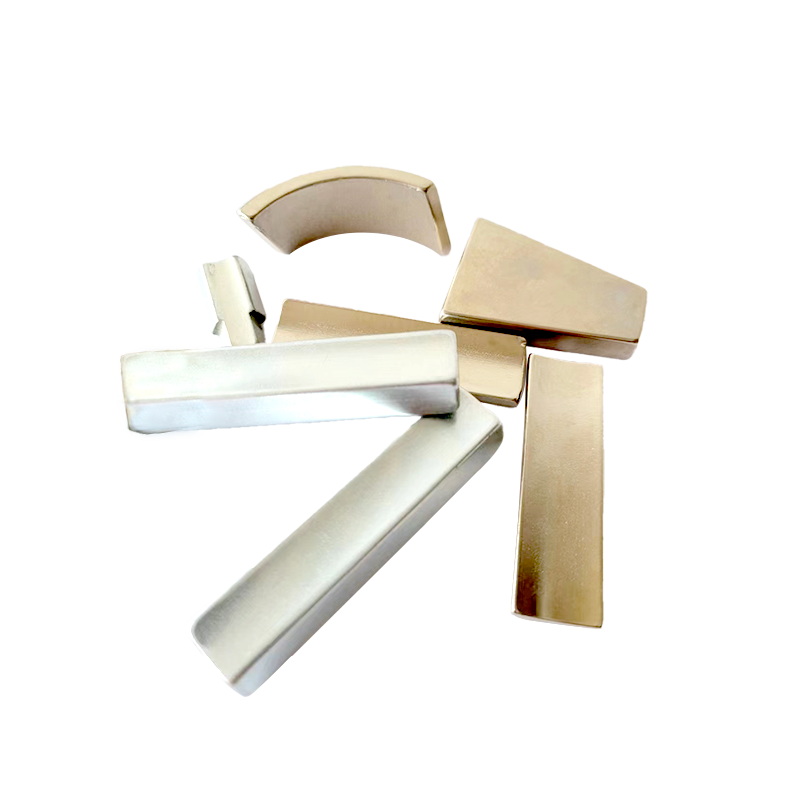
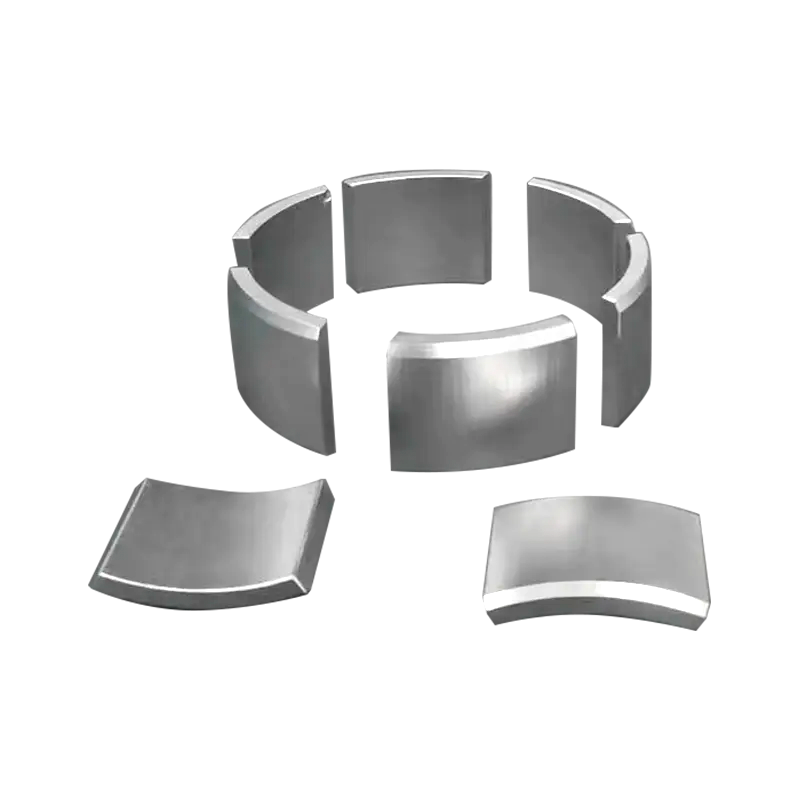
Flat shapes usually feel stable and predictable. They sit evenly and are easier to align on smooth surfaces. Ring shapes often allow placement around a point or fixture, which can be useful in positioning tasks. Block shapes feel more direct and are often used when a simple hold is needed without adjustment.
In everyday experience, this leads to simple observations:
- Flat shapes are easier for straight alignment tasks
- Ring shapes allow flexible placement around structures
- Block shapes feel more direct during contact
- Thin shapes work better in tight or hidden spaces
These differences are not technical choices for many users. They are practical decisions based on how the object feels during use.
High Quality Neodymium Magnets become part of daily life not because they are noticeable, but because they are dependable in small tasks. Their behavior is simple, direct, and consistent enough that people quickly adapt to them without needing instruction. Over time, they blend into everyday routines, quietly supporting small actions that rely on stable contact and easy handling.
Recommended products
-
Professional Customized Ferrite Motor Magnetic Tiles
-
Hard Segment Arc Ferrite Magnetic Tiles
-
Anti-Corrosion Ferrite Arc Magnetic Tiles
-
Strong Magnetic Permanent Ferrite Magnetic Tiles
-
Heavy Duty Sintered Ferrite Magnetic Tiles
-
Industrial Magnetic Tiles
-
Electric Motor Magnet Tiles
-
Curved Neodymium Magnet
-
Block Neodymium Magnet
Contact Us

Ever since its establishment, TIANQI has never stopped walking in pursuit of quality.
About Us
Products Links
Contact Information
-

NO.55, Jici Road, Hengdian Town, Dongyang City, Zhejiang Province, China
-

Tel: +86 579-6311101
+86 579-6311106 -

E-mail:[email protected]
Copyright © Dong Yang TianQi Magnetic Segment Co.,Ltd.
Magnetic Tiles Factory
