


 English
 中文简体
中文简体
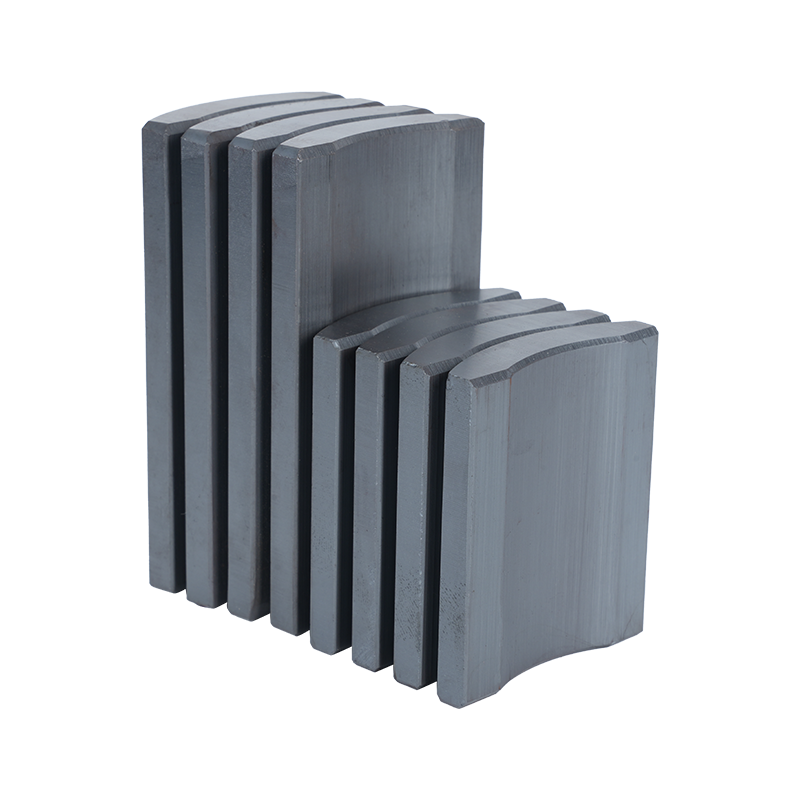
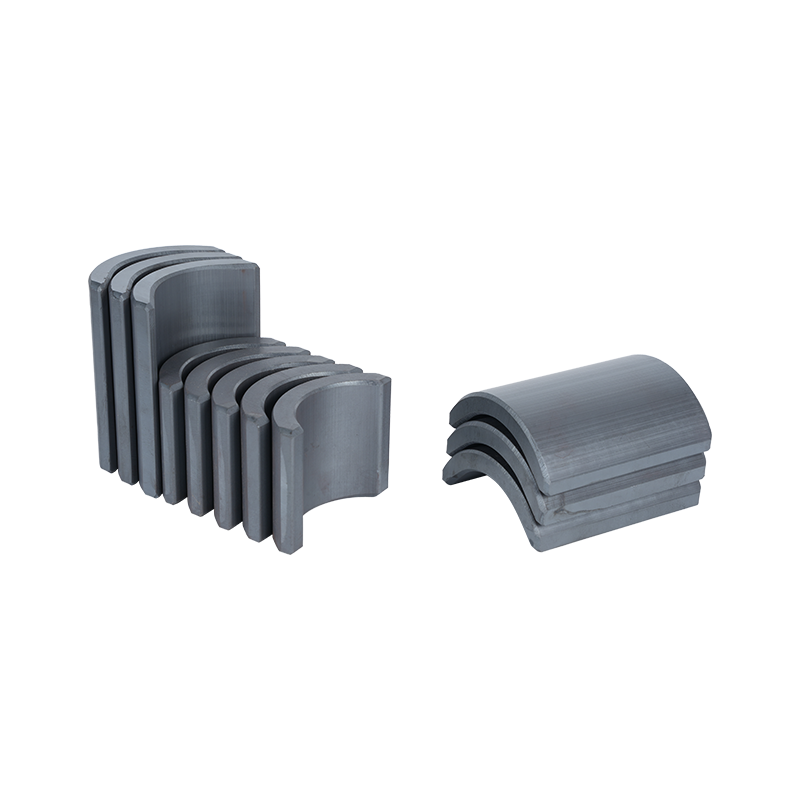
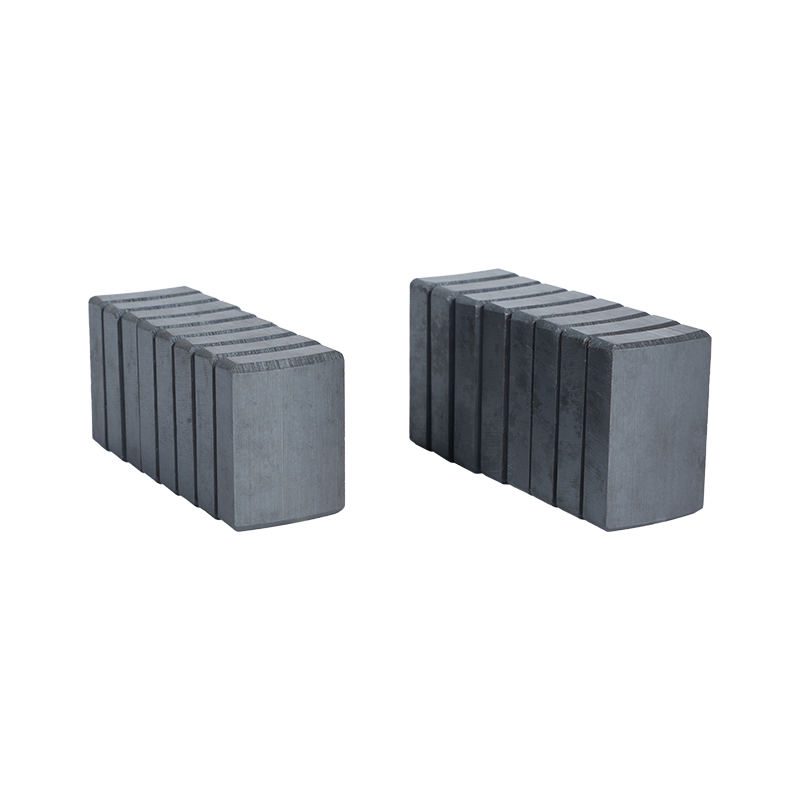
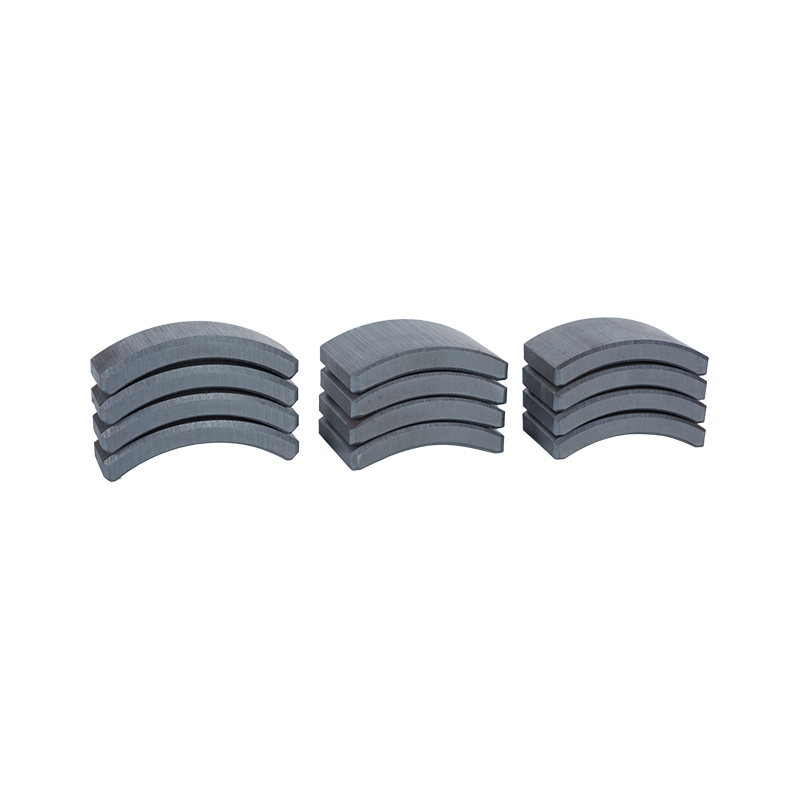
Dong Yang TianQi Magnetic Segment Co.,Ltd.(formerly Shuangyang Magnet Tile) is a professional enterprise specializing in the production of motor magnet tiles
Search by posts
Categories
Popular products
Contact Us
Industry News
 By Admin
Customized Magnetism Shoe In Household Appliance Modular Structures
Structural Background Of Magnetic Connection In Household Appliances
Household appliances used to rely heavily on fixed mechanical fastening. Screws, clips, and brackets formed the basic structure of many internal assemblies. That approach is still common, but it often makes internal adjustment slower and limits how freely parts can be rearranged once the structure is finalized.
In recent design thinking, more attention is given to modular internal layouts. Instead of locking every component in a permanent way, some parts are arranged so they can be positioned, removed, or replaced with less interference to surrounding structures. This does not remove mechanical fastening completely, but it introduces another layer of connection thinking.
Within this background, magnetic-based structures start to appear in selected applications. A customized magnetism shoe is one of the structural forms used in this direction. It works as a designed interface that helps position components through controlled magnetic contact rather than fixed locking.
Alongside it, household appliances magnetic tiles are often used as matching surfaces. Together, they form a simple but functional connection system inside modular appliance layouts.
What customized magnetism shoe Means In Appliance Structure Design
A customized magnetism shoe is not a standard universal part. It is designed according to the internal layout of a specific appliance structure. Its shape, size, and magnetic arrangement are adjusted based on how it will sit inside the equipment.
In practical use, it acts as a positioning interface. When a component needs to be placed inside a housing, the magnetism shoe provides a predictable contact point. This helps guide alignment without relying only on rigid mechanical locks.
Compared with general magnetic blocks, this type of component is more closely tied to structural design. The focus is not only on attraction force but also on how the part fits into limited internal space. Engineers often adjust:
- Contact surface geometry
- Direction of magnetic interaction
- Installation depth within the housing
- Compatibility with surrounding materials
Working Principle Of household appliances magnetic tiles In Modular Systems
Household appliances magnetic tiles are usually used as the receiving or matching side of a magnetic connection structure. They provide the surface that interacts with the customized magnetism shoe.
The working behavior is relatively direct. When the two components come close enough, magnetic force guides the alignment. Once contact is established, the position becomes stable enough to hold the module in place during normal handling.
This type of interaction is often used in modular designs because it allows components to be repositioned without damage to the structure. Unlike fixed fasteners, magnetic contact can be released and reconnected multiple times without changing the base material.
In many cases, the system is designed so that:
- One side provides magnetic force
- The other side provides a receiving surface
- Alignment is guided naturally during installation
- Separation is possible without mechanical tools
This creates a flexible structure where internal modules can be arranged with more freedom while still maintaining predictable positioning behavior.
How customized magnetism shoe Works With Magnetic Tile Systems
When customized magnetism shoe and household appliances magnetic tiles are used together, the structure becomes a paired system rather than separate parts.
The magnetism shoe is usually embedded or fixed inside a structural module. The magnetic tile is placed on the corresponding position within the appliance frame or another module. When they approach each other, magnetic interaction begins to guide the positioning.
In real assembly behavior, the process is not forceful or abrupt. It tends to feel gradual, where alignment happens as the components move closer. Once contact is made, the structure naturally settles into place.
Several factors influence this interaction:
- Distance between magnetic surfaces
- Orientation of magnetic poles
- Weight of the connected module
- Friction from surrounding housing materials
Because of these variables, the design needs to be adjusted according to the specific appliance structure rather than using a fixed pattern.
Application Scenarios In Household Appliance Assembly Systems
In household appliance structures, magnetic-based components are usually applied in areas where flexibility is needed. These are not always visible parts, as many of them are placed inside the housing.
One common use is in internal modules that may need replacement or repositioning during product life. Instead of using permanent fastening, magnetic connection allows the module to be removed and reinstalled with less effort.
Another scenario is removable panels used for internal access. These panels may need to be opened for inspection or maintenance, and magnetic connection provides a simpler way to hold them in place without complex locking systems.
There are also compact designs where space is limited. In these cases, traditional fastening may take too much room or require additional structural support. Magnetic connection can reduce the number of mechanical components needed in those areas.
Design Considerations For customized magnetism shoe
Designing a customized magnetism shoe involves more than selecting a magnetic material. It needs to match the internal environment of the appliance where it will be installed.
Household appliances often have compact internal layouts, so the component must fit without interfering with other parts. Shape design becomes important because even small adjustments can affect how the module sits inside the structure.
Magnetic strength also needs to be balanced. If it is too strong, separation may become difficult during maintenance. If it is too weak, the module may not stay in place under vibration or movement.
Other factors often considered include:
- Heat generated by nearby components
- Long term stability of magnetic performance
- Interaction with surrounding metal or plastic parts
- Repeated assembly and disassembly cycles
These considerations make the design process more about adaptation than standardization.
Material Selection In Magnetic Shoe And Tile Components
Material choice affects both the performance and durability of magnetic connection systems. The magnetic core is usually combined with protective outer layers to manage wear and environmental influence.
In many designs, the structure includes:
- A magnetic core that provides controlled attraction
- A protective housing layer to reduce abrasion
- Surface treatment to improve contact behavior
- Structural support material to maintain shape
The balance between rigidity and flexibility is important. A structure that is too rigid may not adapt well to small alignment differences, while a softer structure may lose positioning stability over time.
In modular appliance systems, materials are often selected based on how frequently the component will be handled rather than only on static strength.
Assembly Process Behavior In Modular Appliance Design
Assembly using magnetic components tends to follow a more intuitive pattern compared with mechanical fastening. Instead of tightening or locking, the process relies on alignment and contact.
During installation, the component is brought close to its target position. The magnetic force begins to guide the alignment, and small adjustments are made until the part settles into place.
This approach can support repeated handling without changing the structure. It is especially useful in systems where internal modules may need to be accessed more than once during the product lifecycle.
The process generally includes:
- Positioning near the target area
- Allowing magnetic alignment to guide placement
- Adjusting for final fit
- Confirming stable contact through handling check
Functional Behavior In Modular Systems
Inside modular household appliance layouts, magnetic connection does not behave like a rigid fastening method. It works more like a guided positioning effect. The customized magnetism shoe usually provides the active magnetic side, while household appliances magnetic tiles act as the receiving surface that completes the contact.
In practical handling, the noticeable behavior appears during repeated installation and removal. Components tend to settle into place with less manual correction, especially in confined spaces where direct visibility is limited. This reduces small alignment issues that often happen with purely mechanical fitting.
Once the parts are in contact, the holding state is not only from magnetic attraction. The surrounding structure of the appliance also contributes by limiting movement. In this way, the connection becomes a combined effect of magnetic force and physical enclosure rather than a single holding mechanism.
| Usage Condition | Magnetic Behavior | Assembly Effect | Practical Result |
|---|---|---|---|
| Initial placement | Attraction guides position | Component moves toward alignment point | Faster positioning in limited space |
| Final contact | Stable magnetic hold | Parts settle into fixed contact state | Reduced adjustment effort |
| Repeated removal | Controlled separation | Magnetic release with manual pull | Supports maintenance access |
| Reassembly cycle | Consistent realignment | Same positioning path repeated | Predictable modular fitting |
Structural Limitations And Engineering Challenges
Although magnetic connection brings flexibility, it still depends on several physical conditions that need to be controlled during design.
Spacing is one of the more sensitive factors. The gap between the customized magnetism shoe and the magnetic tile cannot vary too much. A slightly larger distance may weaken positioning behavior, while a tighter fit can make separation less smooth during maintenance.
Another point is uneven load distribution. In many household appliance structures, internal space is not always symmetrical. This means that some connection points may experience more pressure than others. Designers often need to adjust placement so that force is not concentrated in one area.
Wear over time is also something to consider. After repeated assembly cycles, contact surfaces may show small changes. This does not immediately affect basic function, but it can influence how smooth the alignment feels during later use.
Environmental conditions inside appliances, such as heat from nearby components or small vibration during operation, also play a role. These factors are usually mild, but they still need to be considered in long-term structural stability.
System Interaction With Appliance Framework
A magnetic connection system is always part of a larger internal structure. It works together with the appliance frame, internal supports, and functional modules rather than acting independently.
The customized magnetism shoe is typically embedded into a specific module or structural section. The matching household appliances magnetic tiles are placed on the corresponding position within the frame or another connected part.
When the two components come close, alignment is naturally guided into place. In many designs, multiple magnetic points are used instead of a single connection. This helps distribute positioning force and avoids placing too much stress on one area.
The surrounding structure also plays a quiet but important role. Internal edges, guide grooves. This combination makes the assembly process more predictable without relying heavily on external tools.
Maintenance And Handling Patterns
From a maintenance point of view, magnetic connection changes how internal parts are accessed. Modules connected through customized magnetism shoe and household appliances magnetic tiles can usually be separated without specialized tools, which makes internal inspection more direct in some cases.
At the same time, handling still needs attention to detail. Dust or small particles on magnetic surfaces can affect how smoothly components reconnect. Over time, this may slightly change the feeling of alignment even if the magnetic function remains active.
In routine use, a few simple practices are often followed:
- Keeping contact surfaces clean and free from residue
- Avoiding sudden force when separating connected parts
- Checking alignment before placing modules back
- Making sure no small debris is trapped between surfaces
These habits help maintain stable behavior during repeated assembly cycles and reduce variation in positioning performance.
Development Direction Of Magnetic Structural Components
Magnetic connection in household appliances is gradually becoming more specific in design. The customized magnetism shoe is no longer treated as a general-purpose part but is increasingly shaped according to the internal structure it serves.
Household appliances magnetic tiles are also being adjusted to better match different materials and installation environments. As modular design becomes more common, stable alignment and repeatable assembly behavior become more important in internal layouts.
In many current design approaches, magnetic connection is not used alone. It is often combined with mechanical guiding structures so that each system supports a different part of the assembly process. Mechanical elements guide positioning, while magnetic elements stabilize the final contact.
In some industrial supply discussions, manufacturers such as Dong Yang TianQi Magnetic Segment Co.,Ltd. are associated with magnetic component solutions used in structured assembly environments, especially where modular internal configuration is part of the design direction.
Structural Integration And Practical Outlook
Magnetic connection systems are increasingly seen as part of a broader shift toward flexible internal design in household appliances. The customized magnetism shoe, together with household appliances magnetic tiles, offers a way to support repeatable assembly and controlled positioning without relying entirely on permanent fastening.
This does not replace traditional methods but adds another option for internal structures that require adjustment or periodic access. In compact appliance designs, even small improvements in assembly behavior can influence how easily internal modules are handled.
As internal layouts continue to evolve, magnetic-based connection methods are likely to remain part of design considerations, especially in areas where space is limited and modular flexibility is needed at the same time.
Recommended products
-
Professional Customized Ferrite Motor Magnetic Tiles
-
Hard Segment Arc Ferrite Magnetic Tiles
-
Anti-Corrosion Ferrite Arc Magnetic Tiles
-
Strong Magnetic Permanent Ferrite Magnetic Tiles
-
Heavy Duty Sintered Ferrite Magnetic Tiles
-
Industrial Magnetic Tiles
-
Electric Motor Magnet Tiles
-
Curved Neodymium Magnet
-
Block Neodymium Magnet
Contact Us

Ever since its establishment, TIANQI has never stopped walking in pursuit of quality.
About Us
Products Links
Contact Information
-

NO.55, Jici Road, Hengdian Town, Dongyang City, Zhejiang Province, China
-

Tel: +86 579-6311101
+86 579-6311106 -

E-mail:[email protected]
Copyright © Dong Yang TianQi Magnetic Segment Co.,Ltd.
Magnetic Tiles Factory
