


 English
 中文简体
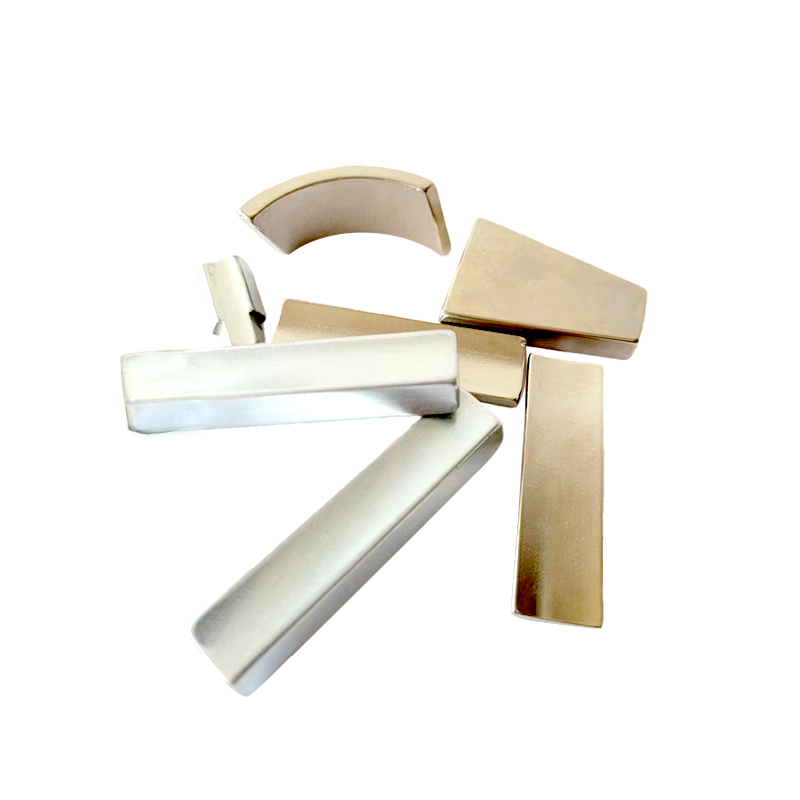
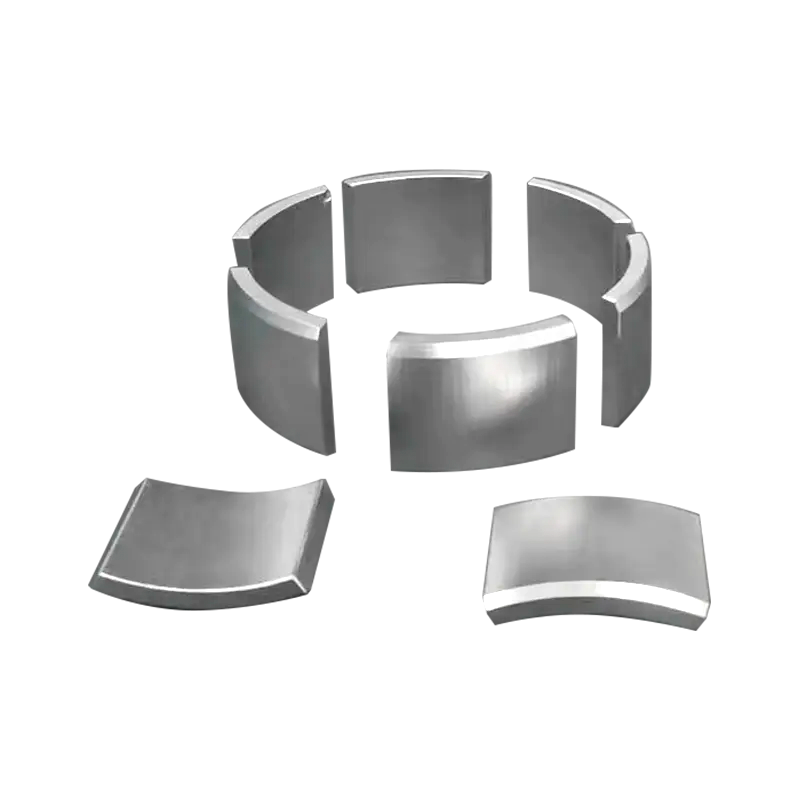
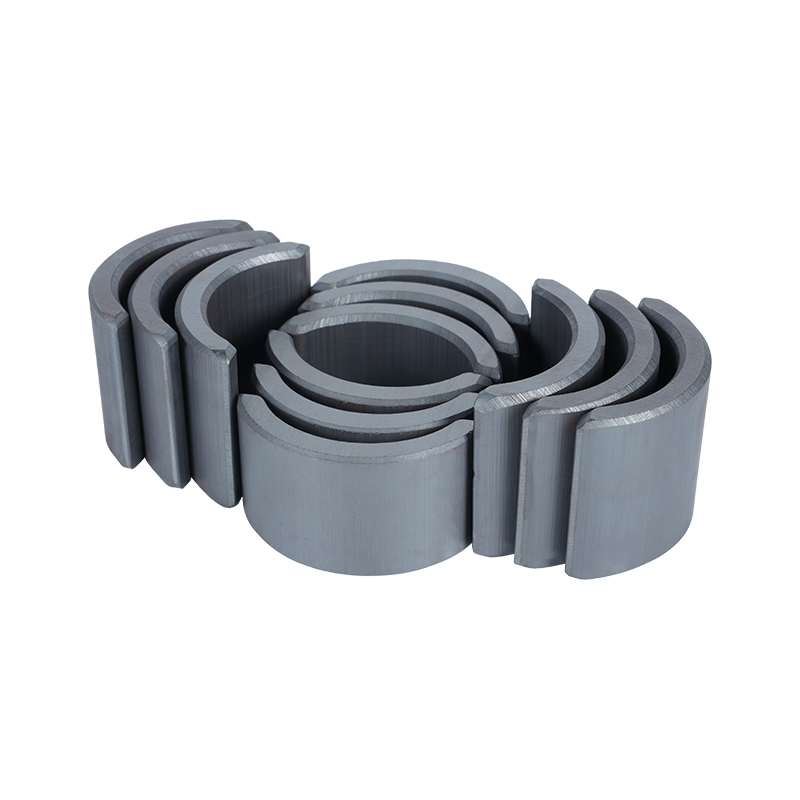
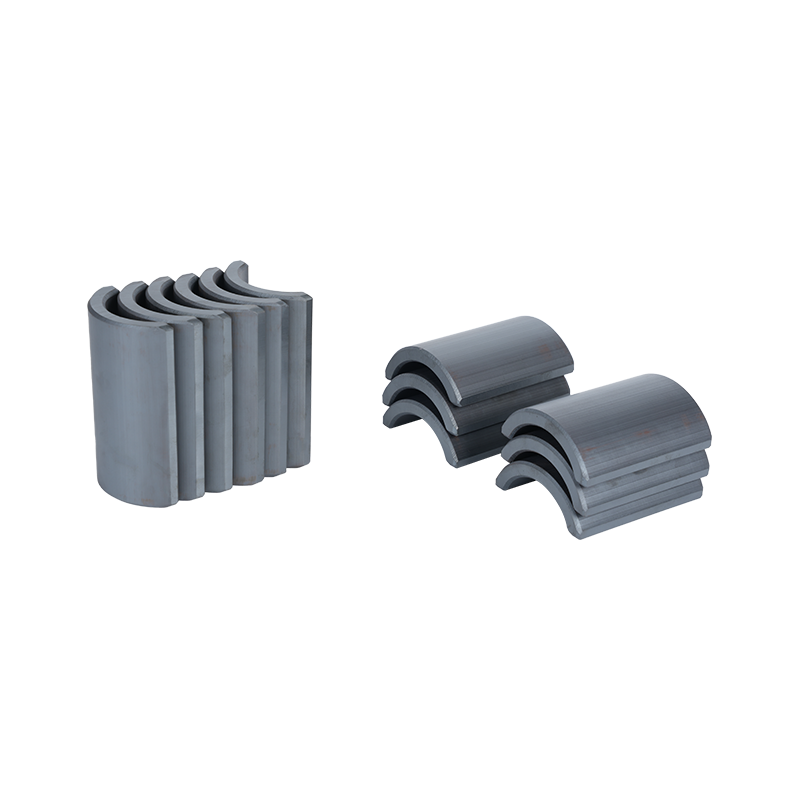
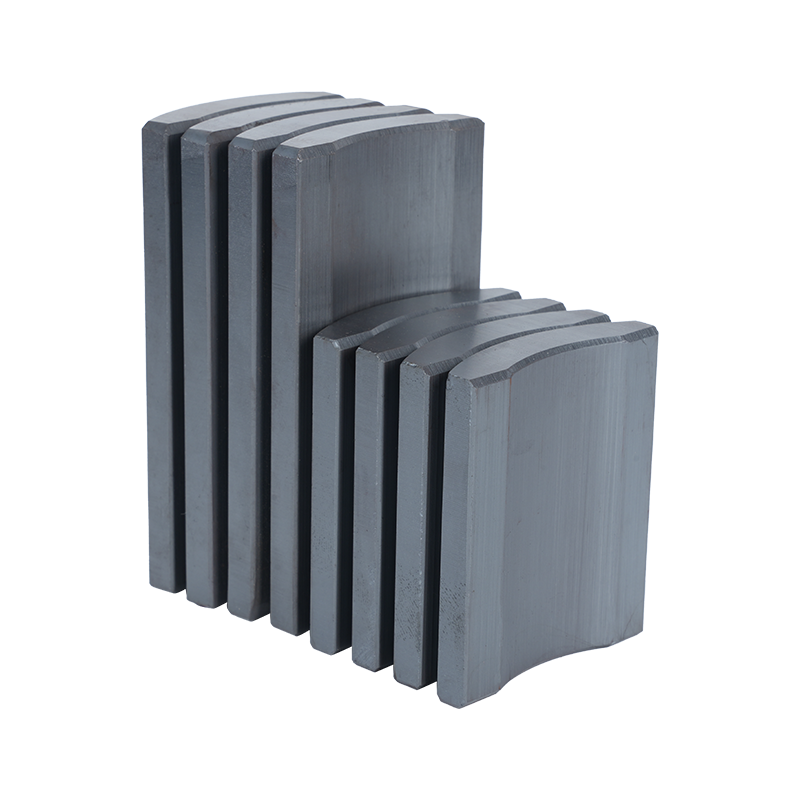
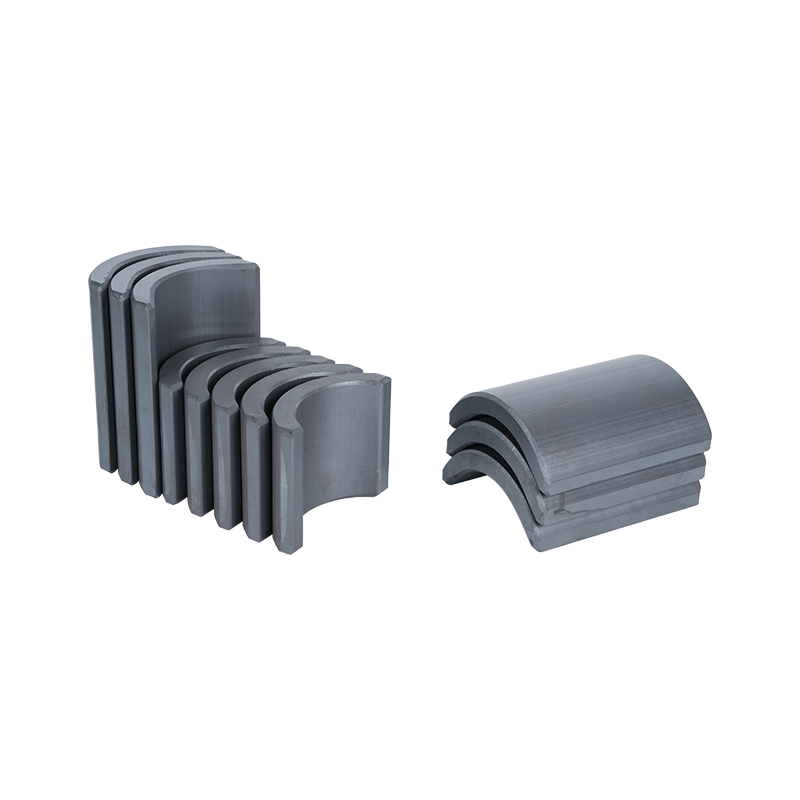
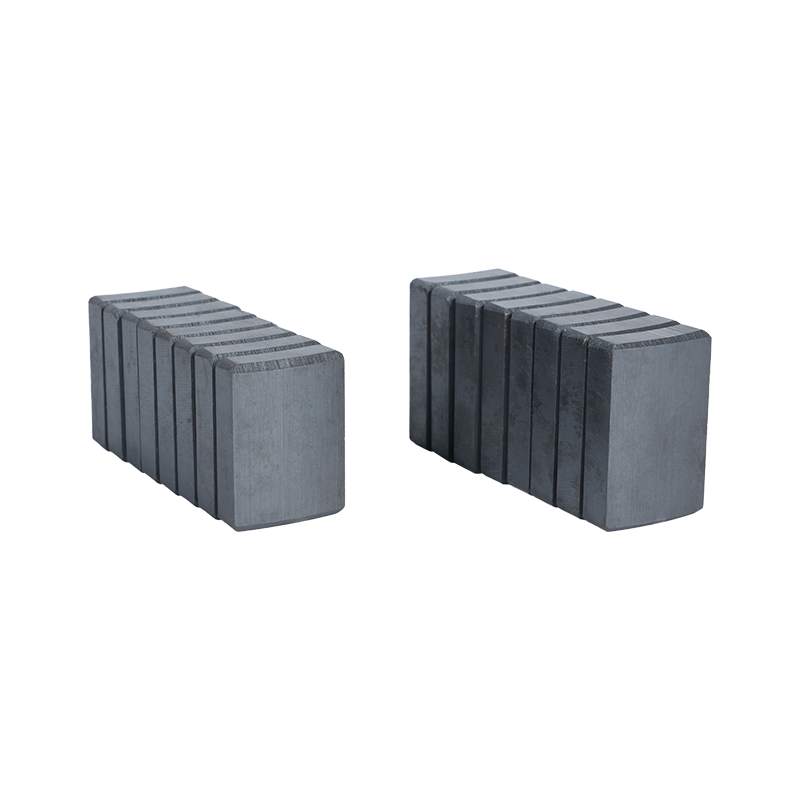
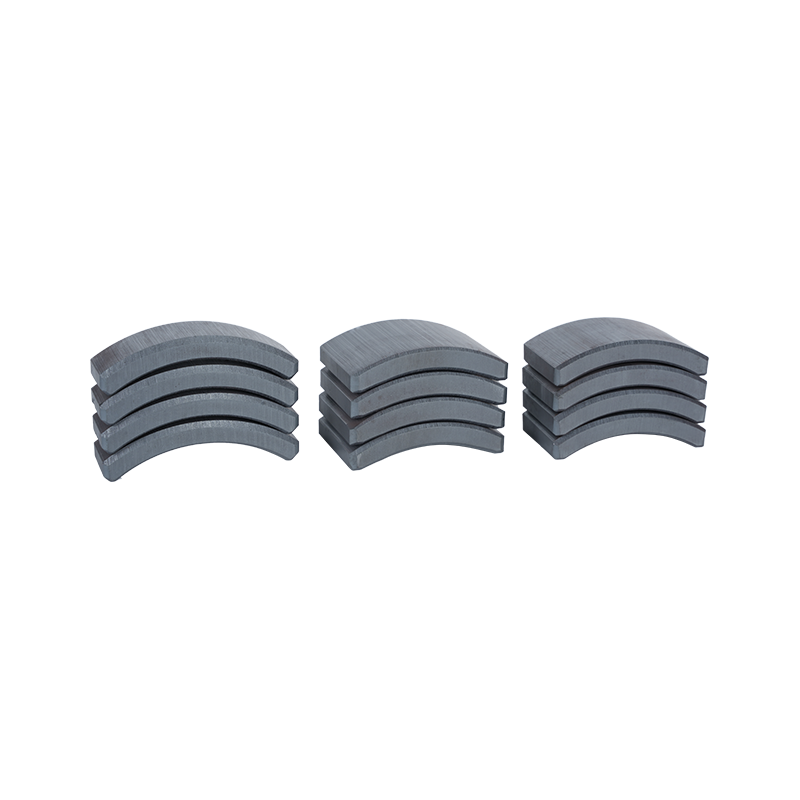
Dong Yang TianQi Magnetic Segment Co.,Ltd.(formerly Shuangyang Magnet Tile) is a professional enterprise specializing in the production of motor magnet tiles
Search by posts
Categories
Popular products
Contact Us
Industry News
 By Admin
Why Is Magnetic Consistency Important for Ferrite Motor Magnets
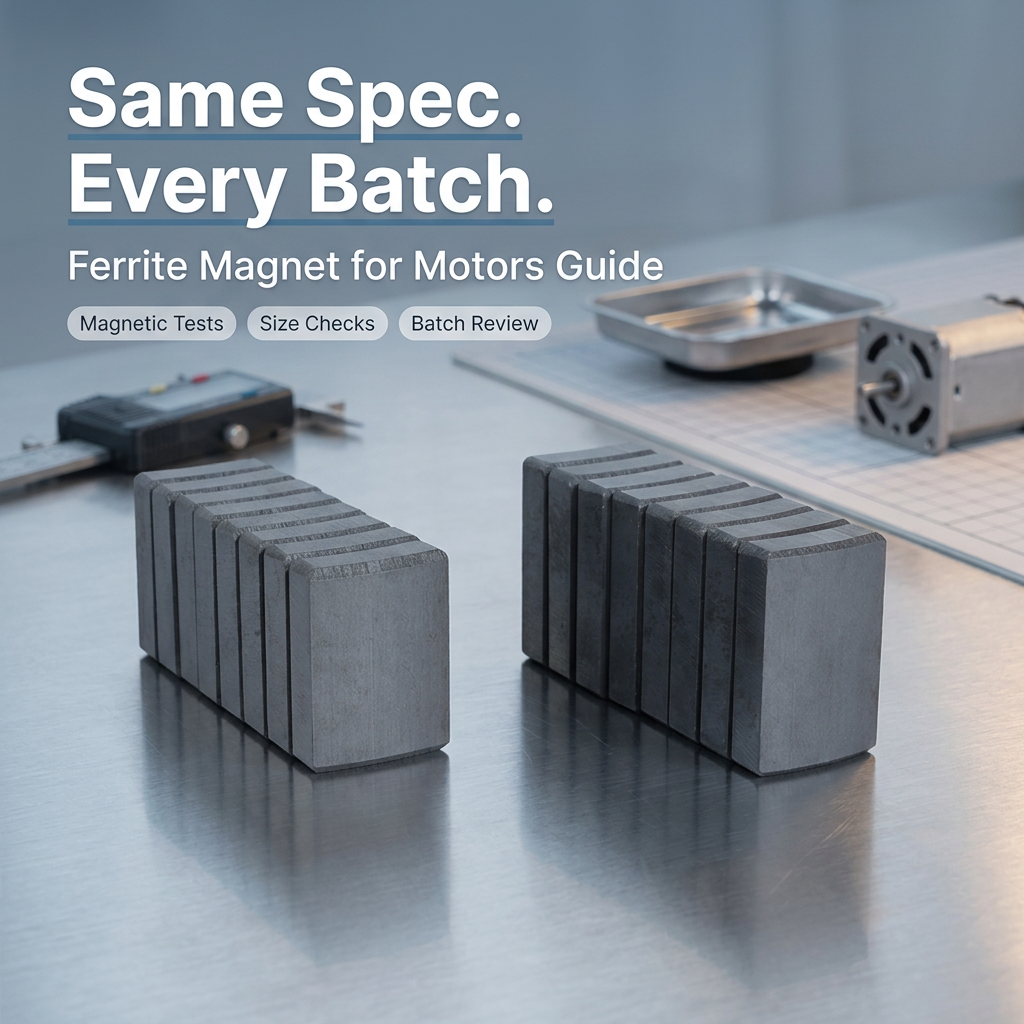
Open a hair dryer, a kitchen fan, or a small water pump and you will find a motor with magnets inside. Nobody sees them, yet their behavior shapes how smoothly each unit runs. A Ferrite Magnet for Motors may look like a plain ceramic block or arc. Its magnetic response still has to match the design, and it has to match from one part to the next.
Ferrite magnets are used widely because the material is practical to produce and suits many product designs. Not every piece in a batch behaves the same way, though. Raw materials, forming, sintering, machining, and inspection all leave marks on the finished result. Consistency means those pieces stay inside the requirements agreed for the application.
What Consistency Means in Practice
Magnetic consistency does not require every magnet to be identical in every detail. It means the properties that matter to the product stay within an agreed range across pieces and across batches.
A magnet is rarely used alone. It becomes part of a motor, speaker, sensor, or appliance. If magnets inside one assembly differ, the finished unit may show uneven behavior, and testing teams then spend time chasing the cause.
Picture a factory building small fan motors all day. The winding, housing, and assembly steps stay the same. If one magnet batch behaves differently from the last, motors from the two batches may respond differently on the test bench. Extra checks or adjustments follow.
Consistency also makes supplier evaluation clearer. Buyers can compare results against written requirements instead of judging by appearance or general claims.
How Magnetic Differences Affect Motors
A motor works through the interaction between a magnetic field and electric current. The magnets provide that field. When their properties vary, the field inside the motor may not be distributed as designed.
Depending on the design, this can show up as uneven torque, changes in response, or differences between finished units. The magnet is not the only cause. Winding design, air gap, assembly position, and the control system all contribute. Still, magnets with repeatable properties remove one source of variation.
The same applies to everyday products. Ventilation fans, pumps, and household appliances use small motors built in large numbers. Buyers of these products expect the tenth unit and the thousandth unit to feel alike.
Selecting a magnet only by material category is not enough. Shape, magnetization direction, dimensions, and measured performance all need to suit the motor structure.
Manufacturing Factors That Influence Consistency
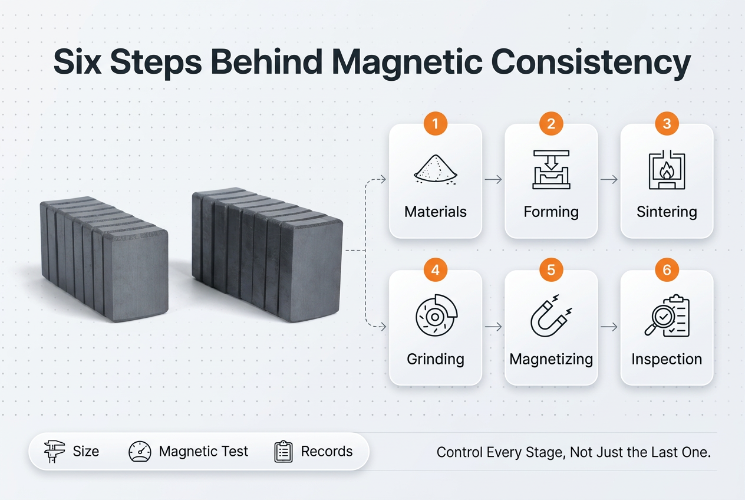
Consistency comes from controlling every stage, not from a single check at the end.
- Raw material preparation: Composition and condition of the materials influence later stages. Incoming material needs control and steady preparation procedures.
- Mixing and forming: Uneven mixing or changing forming conditions create differences inside the part.
- Sintering: Heating turns the formed material into a solid ceramic structure. Variation in heating conditions can carry through to magnetic results.
- Machining and finishing: Grinding shapes the part to size. Dimensional accuracy and magnetic performance are separate qualities, and both matter for fit.
- Magnetization: The method must suit the design, because it sets the magnetic condition and direction of the finished part.
- Inspection and handling: Chips and cracks from careless handling can make an otherwise good magnet unusable.
These stages connect. A problem in material preparation is hard to correct later, so monitoring the full chain helps locate where variation begins.
Why Assembly Depends on Consistency
In motor production, magnets are placed at set positions, with set orientation and spacing. The magnetic arrangement depends on each piece doing its part.
Physical fit matters as well. Ferrite magnets come as blocks, rings, arcs, and custom shapes. An arc segment that is slightly oversized may refuse to seat in a housing, while an undersized one may shift during bonding.
Automated lines are built around expected component behavior. When incoming magnets vary widely, operators add checks, sorting, and adjustments. Manual assembly faces the same issue, since workers need parts that fit and behave predictably.
Traceability helps too. When a supplier keeps production and inspection records, a buyer can identify the batch behind a problem, compare results, and discuss corrective action with facts in hand.
Consistency Across Different Applications
Each application uses the magnet differently, so the effect of variation differs as well.
| Application | Role of the Magnet | Why Consistency Matters |
|---|---|---|
| Motors | Provides the working magnetic field | Supports predictable motor behavior |
| Loudspeakers | Works with the voice coil | Keeps sound response similar between units |
| Magnetic separators | Attracts magnetic material from a flow | Maintains expected separation behavior |
| Sensors | Supplies a magnetic reference | Supports repeatable sensing conditions |
| Household appliances | Part of motors and assemblies | Reduces variation between products |
| Holding devices | Provides attraction for positioning | Keeps holding behavior steady |
In speakers, differences between magnets alter how the coil moves. In sensors, a magnet outside the design allowance may force recalibration. Consistency therefore concerns product designers and assembly factories as much as magnet makers.
Checking Magnetic Consistency
Appearance says little about magnetic behavior. A magnet can look normal and still fall outside the expected range, so measurement is needed.
Test methods should match the shape, magnetization direction, and application. A method suited to a ring may not give the needed information for an arc segment. Dimensional inspection runs alongside, because a magnet that meets magnetic needs but misses size limits still causes assembly trouble.
A practical inspection plan can include:
- Incoming material inspection: review condition and consistency before production.
- Process monitoring: confirm forming and heating follow set procedures.
- Dimensional inspection: check shape and size against drawings.
- Magnetic testing: measure the properties relevant to the application.
- Appearance inspection: look for cracks, chips, and surface defects.
- Batch review: compare results between production groups to spot drift.
Acceptance requirements should be defined before production starts. Phrases like strong magnetism or stable performance are too vague for quality control. Name the properties, the test method, and how results will be judged. Records then give both sides a shared basis if a question arises during assembly.
Choosing a Supplier
Product descriptions alone do not show whether a supplier can hold quality steady. Start with the application. A Ferrite Magnet for Motors needs different shape, direction, and performance than a magnet for a speaker or a holding device, so the supplier needs details about the finished product.
Define dimensions clearly with drawings or samples, including surface finish and edge treatment. State the magnetic requirements and confirm how the supplier measures them.
Useful questions include:
| Area | Question for the Supplier |
|---|---|
| Application | Does the supplier understand the intended use? |
| Materials | How are raw materials checked and prepared? |
| Process | How are production stages monitored? |
| Magnetic inspection | Which properties are measured and recorded? |
| Dimensions | How are shape and size verified? |
| Batches | How is variation between batches tracked? |
| Customization | Can magnets be made to drawings or samples? |
| Support | Can the supplier help investigate problems? |
Custom orders need extra conversation. A drawing shows shape but may not state magnetization direction, assembly conditions, or the working environment. Clear documentation, including drawings, inspection records, and packaging details, reduces misunderstandings on repeat orders.
Supporting Long-Term Product Reliability
A finished device combines many parts, and variation in any of them affects the whole. Consistent magnets remove one area of uncertainty, so engineers can focus on other factors in motor performance.
They also cut unnecessary production work. If incoming magnets differ widely, factories sort and re-inspect before assembly, which adds handling and complicates planning.
Reliability still depends on motor design, electrical parts, mechanical structure, operating conditions, and assembly quality. A consistent magnet cannot fix problems elsewhere, but it gives the design a dependable component.
For magnet makers, consistency means control of materials, production, magnetization, inspection, and batch management. For buyers, it means clear specifications and open discussion of the application. When both sides share that understanding, a Ferrite Magnet for Motors can be built into products with clear expectations about quality and behavior.
Recommended products
-
Professional Customized Ferrite Motor Magnetic Tiles
-
Hard Segment Arc Ferrite Magnetic Tiles
-
Anti-Corrosion Ferrite Arc Magnetic Tiles
-
Strong Magnetic Permanent Ferrite Magnetic Tiles
-
Heavy Duty Sintered Ferrite Magnetic Tiles
-
Industrial Magnetic Tiles
-
Electric Motor Magnet Tiles
-
Curved Neodymium Magnet
-
Block Neodymium Magnet
Contact Us

Ever since its establishment, TIANQI has never stopped walking in pursuit of quality.
About Us
Products Links
Contact Information
-

NO.55, Jici Road, Hengdian Town, Dongyang City, Zhejiang Province, China
-

Tel: +86 13625895265
-

E-mail:[email protected]
Copyright © Dong Yang TianQi Magnetic Segment Co.,Ltd.
Magnetic Tiles Factory
