


 English
 中文简体
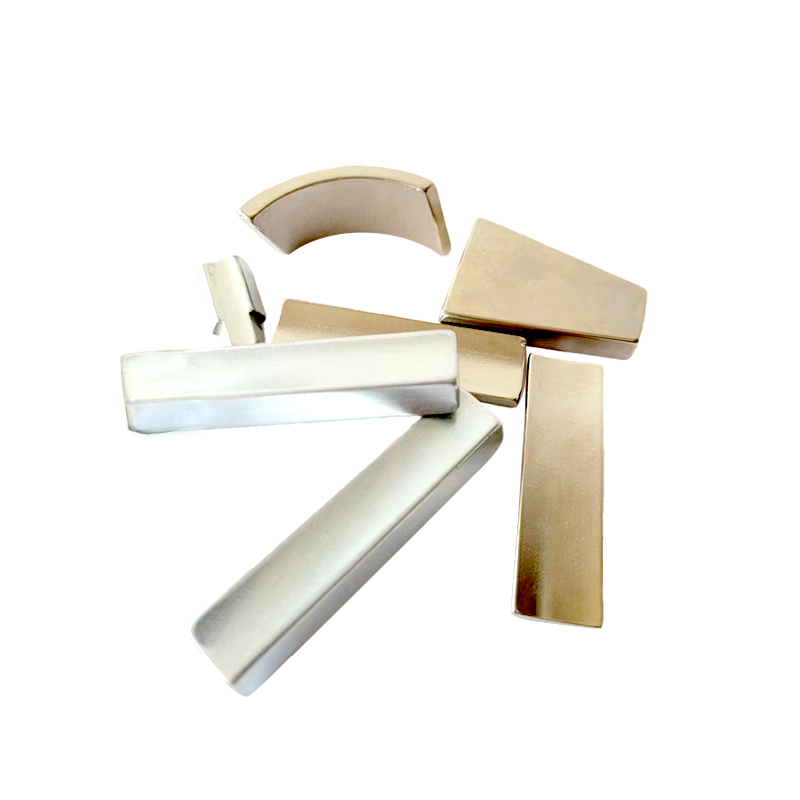
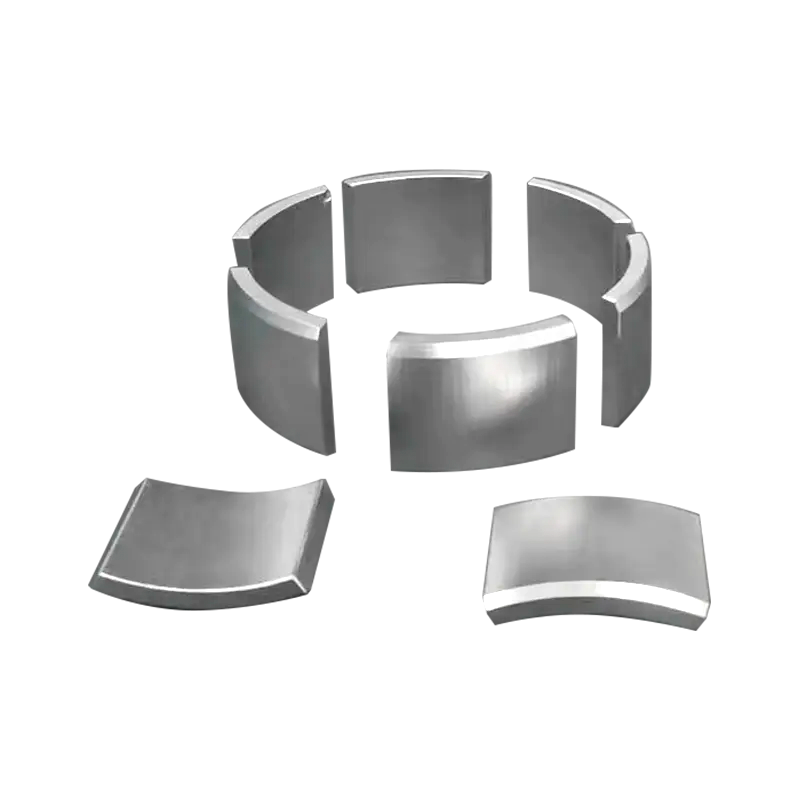
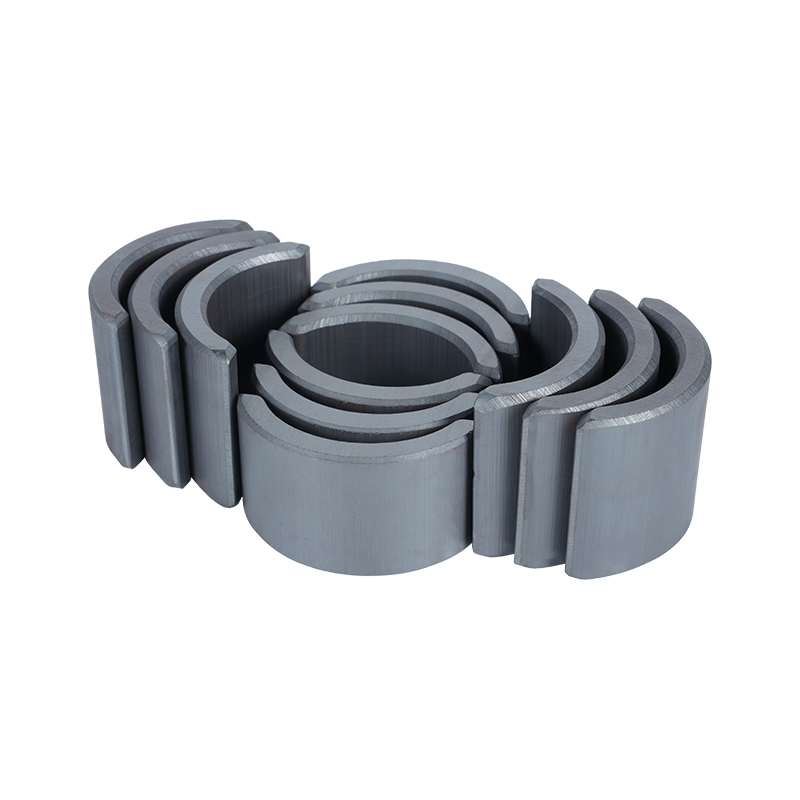
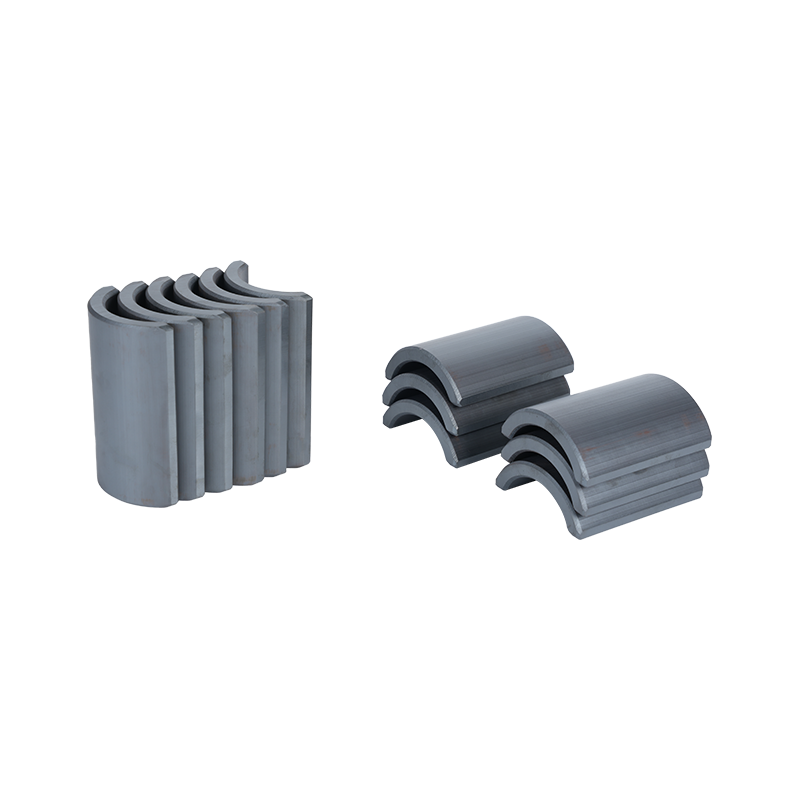
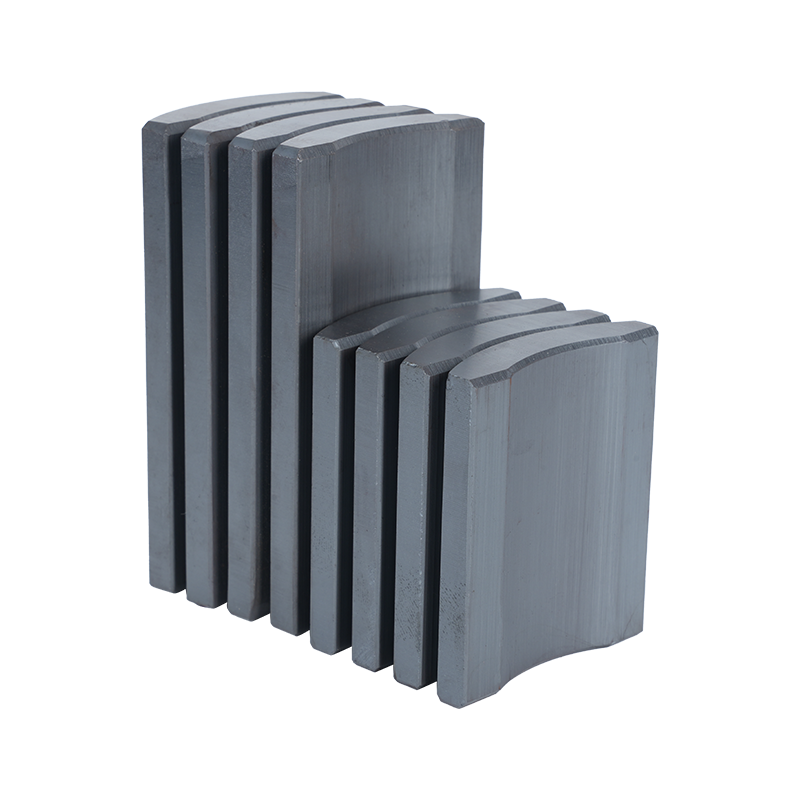
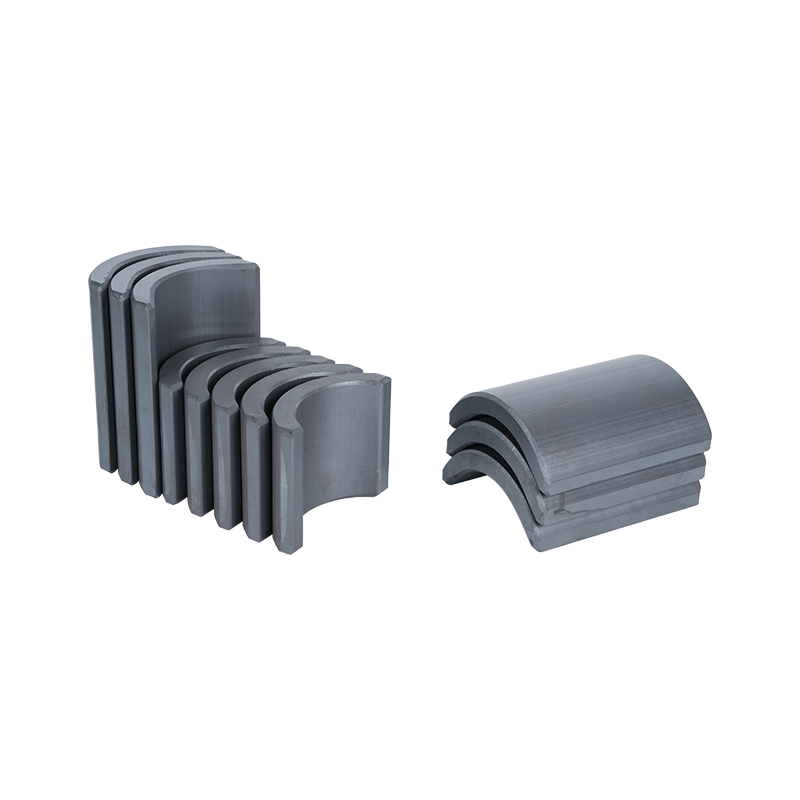
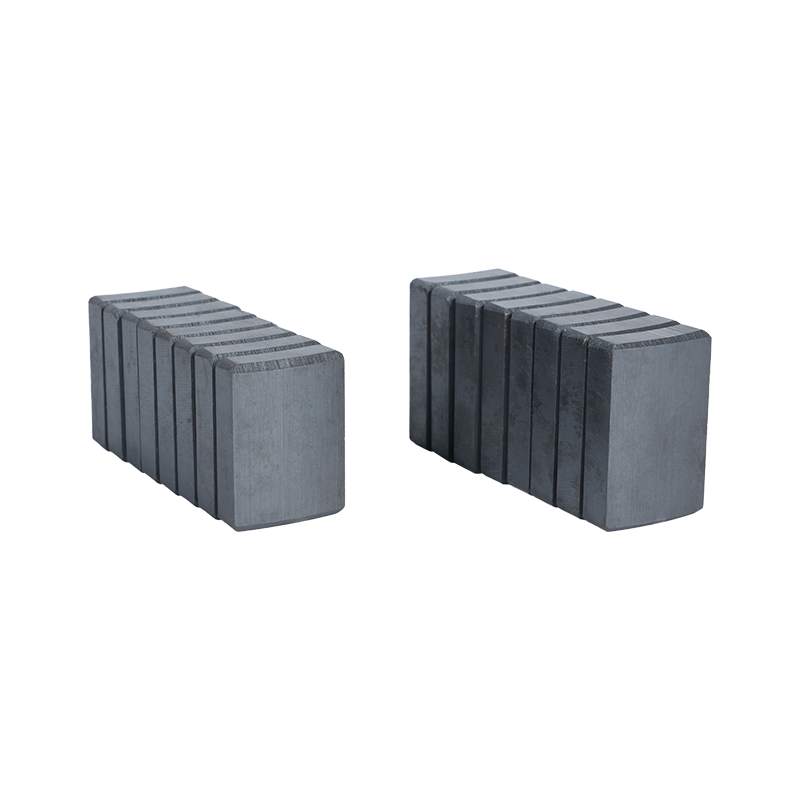
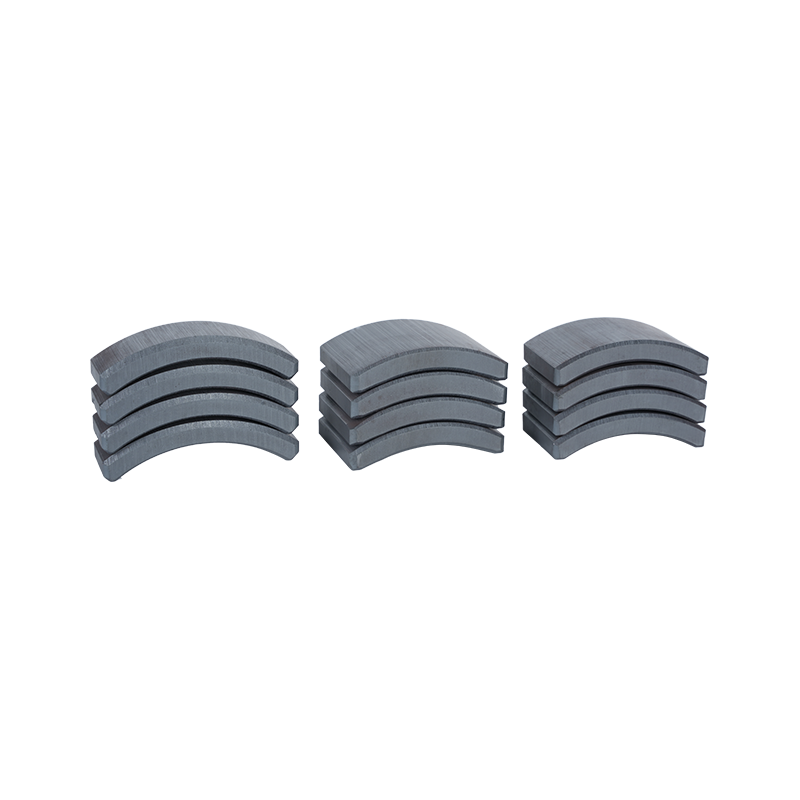
Dong Yang TianQi Magnetic Segment Co.,Ltd.(formerly Shuangyang Magnet Tile) is a professional enterprise specializing in the production of motor magnet tiles
Search by posts
Categories
Popular products
Contact Us

Industry News
 By Admin
Can Tolerance Affect Ferrite Magnet for Motors Quality
Arc magnets arrive at the rotor assembly line. The few gauss readings look fine, but several pieces will not seat evenly against the rotor, and the finished motor hums louder than the approved sample. A Ferrite Magnet for Motors cannot be judged by magnetic strength alone. Magnetic properties, magnetization, dimensional tolerance, and manufacturing stability each shape how the part behaves once installed.
A magnet that meets the material grade but ignores the motor's structure can cause assembly trouble or disturb electromagnetic behavior. Checking each factor before sample approval turns into mass production saves rework later.
What Does Quality Mean for a Motor Magnet?
Quality means meeting magnetic, mechanical, dimensional, and application requirements with repeatable results. Four aspects need review together:
- Magnetic performance: the properties the motor design calls for.
- Magnetization: correct distribution and orientation.
- Dimensional accuracy: fit in the intended installation position.
- Manufacturing consistency: stable characteristics from one batch to the next.
An arc magnet with suitable properties still causes problems if its curvature or thickness does not suit the rotor. Precise dimensions cannot rescue weak magnetic output either.
Which Magnetic Properties Matter?
Engineers usually compare remanence, coercivity, and energy product when confirming a grade.
Remanence (Br)
Remanence (Br) is the flux density that remains after the magnetizing field is removed. It affects the flux available to interact with the windings. Confirm that measured values match the grade and the design requirement under agreed test conditions. A higher Br is not automatically better, because the right value depends on the magnetic circuit and operating conditions.
Coercivity (Hcb and Hcj)
Coercivity (Hcb and Hcj) describes resistance to demagnetization by an opposing field. Hcb relates to the reverse field that brings flux density to zero, while Hcj relates to the reverse field that brings intrinsic polarization to zero. Temperature shifts these properties, so motors with frequent starts, changing loads, or wide temperature swings should have the grade checked against real operating conditions.
Maximum Energy Product (BHmax)
BHmax expresses energy capability along the demagnetization curve and helps compare materials. It should not be read in isolation, since the magnetic circuit, installation space, and air gap also influence the choice.
Does the Finished Magnet Match the Design?
Properties measured on a material sample do not prove that a finished part was magnetized correctly. Check pole orientation, magnetization direction, surface field distribution, and consistency between magnets meant for the same motor. For arc-shaped parts, the pattern must match the rotor or stator design, because a wrong orientation disturbs the magnetic circuit even when the grade is right.
Why Does Batch Consistency Matter?
A motor uses several magnets, so their relative consistency shapes the field of the whole assembly. One good sample says little about a batch. Compare surface field distribution, flux output, pole orientation, differences between samples, and variation between batches.
A gauss meter reads field strength at a set position, and a flux meter evaluates total flux through a suitable fixture. Keep measurement position, probe angle, fixture, and magnetization condition constant. Otherwise the differences may come from the setup rather than the magnets.
Consider a rotor fitted with magnets of noticeably different output. The field turns uneven, which may affect torque consistency, electromagnetic balance, vibration, noise, and running stability.
| Inspection Item | What to Examine | Purpose |
|---|---|---|
| Magnetic flux | Output under controlled conditions | Confirm requirements |
| Surface field | Distribution at set positions | Reveal variation |
| Pole orientation | Magnetization direction | Confirm installation orientation |
| Batch consistency | Differences between samples | Maintain uniformity |
Which Dimensions Should Be Checked?
Ferrite magnets must fit the mechanical structure, and arc magnets follow curved rotor or stator surfaces, which makes tolerance especially important.
| Dimension | Inspection Focus | Possible Impact |
|---|---|---|
| Length | Overall length | Assembly compatibility |
| Width | Consistency | Positioning |
| Thickness | Deviation | Air gap and magnetic circuit |
| Arc radius | Curved surface accuracy | Rotor or stator fit |
| Flatness | Surface condition | Contact and bonding |
| Parallelism | Opposing surfaces | Alignment |
These should be defined in the drawing before production starts.
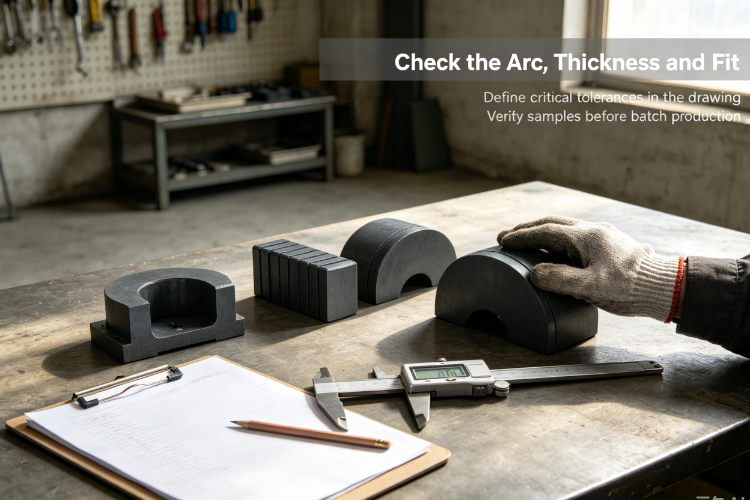
Deviations show up quickly on the line. An arc that does not match rotor curvature leaves an uneven gap, and thickness variation changes the designed distance to neighboring parts. The results include awkward positioning, uneven adhesive spread, a changed air gap, a shifted magnetic circuit, and extra adjustment during assembly. Judge each deviation by its functional impact rather than treating every measurement equally.
How Are Tolerances Set?
No single tolerance suits every motor. A small appliance motor, an industrial drive, and an automotive motor have different structural needs. A workable process looks like this:
- Prepare a drawing with all required dimensions.
- Identify dimensions critical to installation and magnetic performance.
- Define acceptable deviation for each item.
- Confirm the inspection method and measuring equipment.
- Verify samples before approving batch production.
Clear communication between the motor designer and the magnet maker prevents misunderstandings during tooling, machining, and final inspection.
How Does Manufacturing Affect Quality?
Raw Materials
Ferrite is a ceramic magnet made from iron oxide and other metal oxides. Composition and processing shape the magnetic characteristics. Buyers should confirm that the grade is clearly stated and incoming material is controlled, especially for repeat orders.
Sintering and Machining
Sintering influences structure and magnetic behavior. Grinding then brings parts to drawing dimensions through surface, thickness, arc, and edge operations. Ceramic is brittle, so cracks, chipped edges, and surface damage deserve a check.
Surface Condition
Look for cracks, broken edges, chipped corners, uneven grinding, and contamination. Visual checks do not replace magnetic and dimensional testing, but they add another layer of verification.
Which Tools Verify the Specification?
| Equipment | Purpose | Use |
|---|---|---|
| Hysteresis graph tester | Magnetic characteristics | Material verification |
| Gauss meter | Field strength | Surface field inspection |
| Flux meter | Magnetic flux | Output verification |
| Polarity tester | Pole orientation | Magnetization check |
A hysteresis graph tester reports Br, Hcb, Hcj, and BHmax. Gauss and flux meters check finished parts when fixtures and conditions are controlled.
For dimensions, calipers suit general external sizes, micrometers handle precise thickness, coordinate measuring machines inspect complex geometry, and dedicated fixtures verify arc dimensions and fit. A plain caliper may not confirm every functional surface on a curved magnet.
Before accepting samples or batches, request material grade specifications, magnetic and dimensional reports, magnetization records, batch inspection documents, and drawings with tolerances. Reports should name the product and the test conditions, since generic certificates without traceability offer little technical assurance.
How Should a Supplier Be Evaluated?
Quotes and delivery terms are only part of the picture. Motor makers may need arc, segment, block, or ring shapes, or custom geometries from drawings, so confirm that the supplier can review drawings, discuss grades, and support magnetization requirements.
| Capability | Points to Verify |
|---|---|
| Material control | Grade and incoming inspection |
| Magnetic testing | Suitable equipment available |
| Dimensional inspection | Methods and drawing compliance |
| Production control | Process consistency and batch records |
| Technical support | Drawing review and sample evaluation |
| Customization | Shape, dimensions, magnetization |
Sample approval should come before mass production. Submit drawings and requirements, confirm grade and magnetization, review tolerances, test samples with agreed methods, confirm assembly fit, and then approve the specification. This reduces misunderstandings and later adjustments.
What Should Buyers Prepare?
Selecting a Ferrite Magnet for Motors means coordinating material properties, geometry, magnetization, and assembly conditions. Motor manufacturers and industrial buyers are welcome to contact our team with magnet drawings or reference samples, the required ferrite grade, magnetic property targets, tolerance requirements, magnetization direction, and the intended motor application to discuss a customized solution.
Recommended products
-
Professional Customized Ferrite Motor Magnetic Tiles
-
Hard Segment Arc Ferrite Magnetic Tiles
-
Anti-Corrosion Ferrite Arc Magnetic Tiles
-
Strong Magnetic Permanent Ferrite Magnetic Tiles
-
Heavy Duty Sintered Ferrite Magnetic Tiles
-
Industrial Magnetic Tiles
-
Electric Motor Magnet Tiles
-
Curved Neodymium Magnet
-
Block Neodymium Magnet
Contact Us

Ever since its establishment, TIANQI has never stopped walking in pursuit of quality.
About Us
Products Links
Contact Information
-

NO.55, Jici Road, Hengdian Town, Dongyang City, Zhejiang Province, China
-

Tel: +86 13625895265
-

E-mail:[email protected]
Copyright © Dong Yang TianQi Magnetic Segment Co.,Ltd.
Magnetic Tiles Factory
