


 English
 中文简体
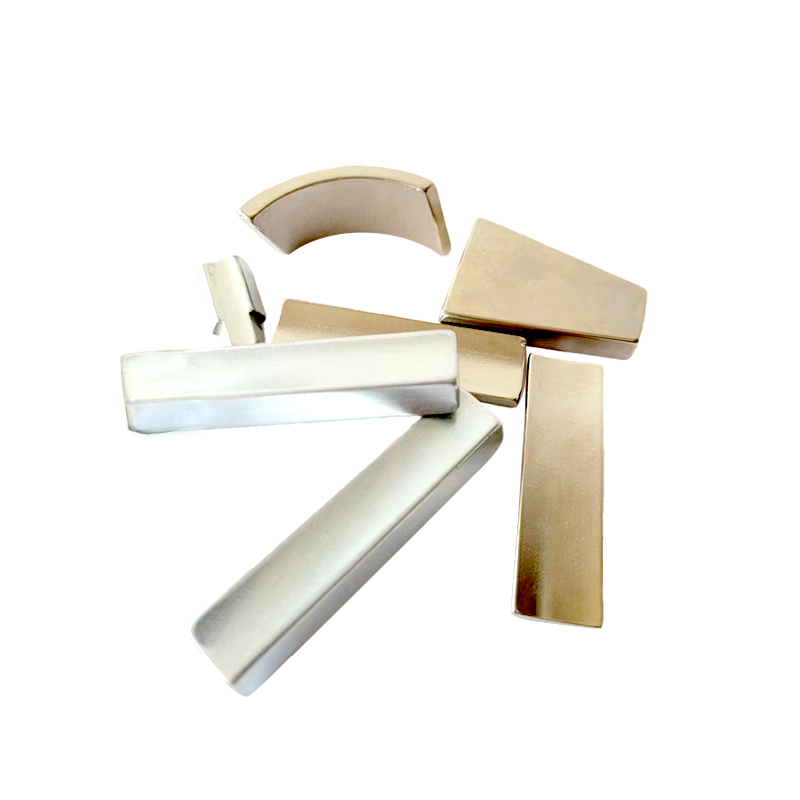
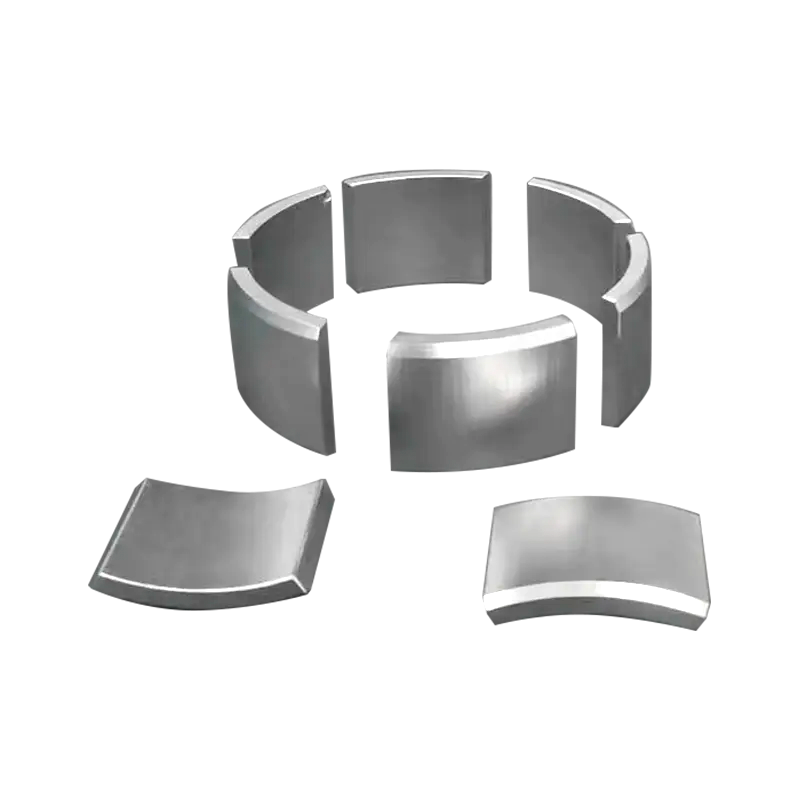
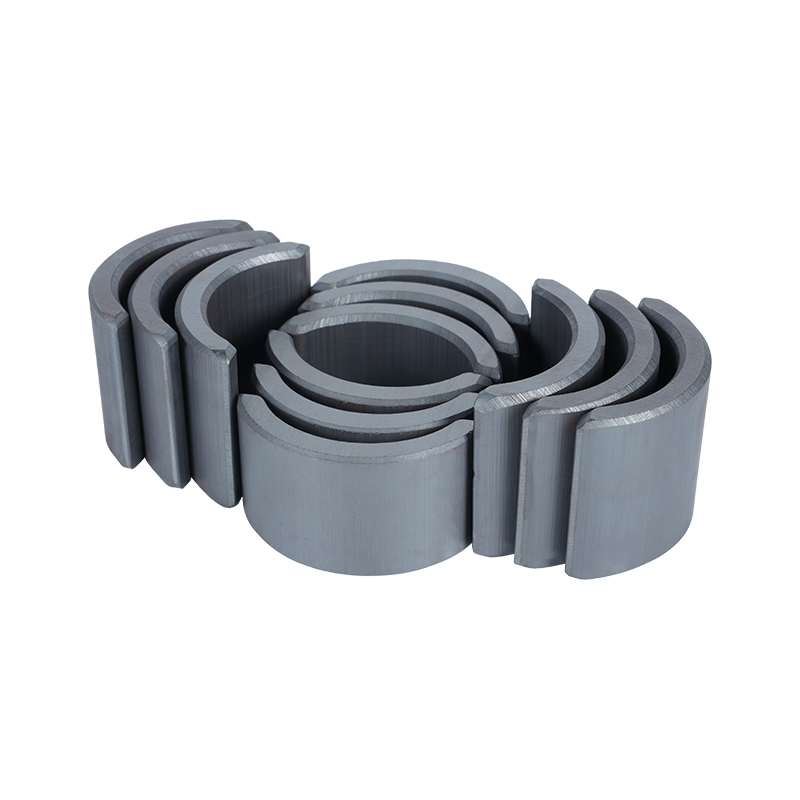
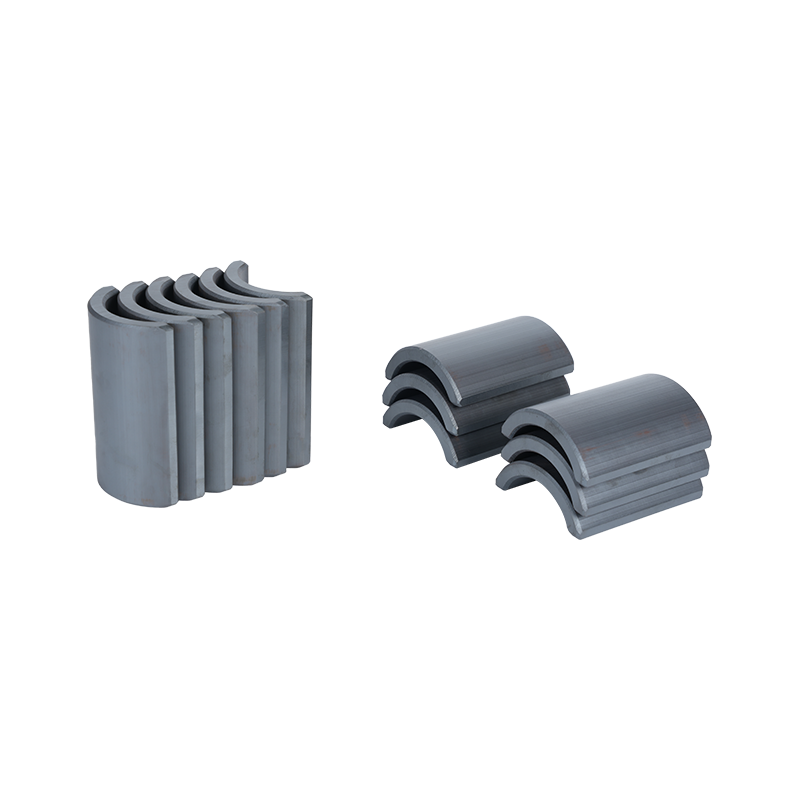
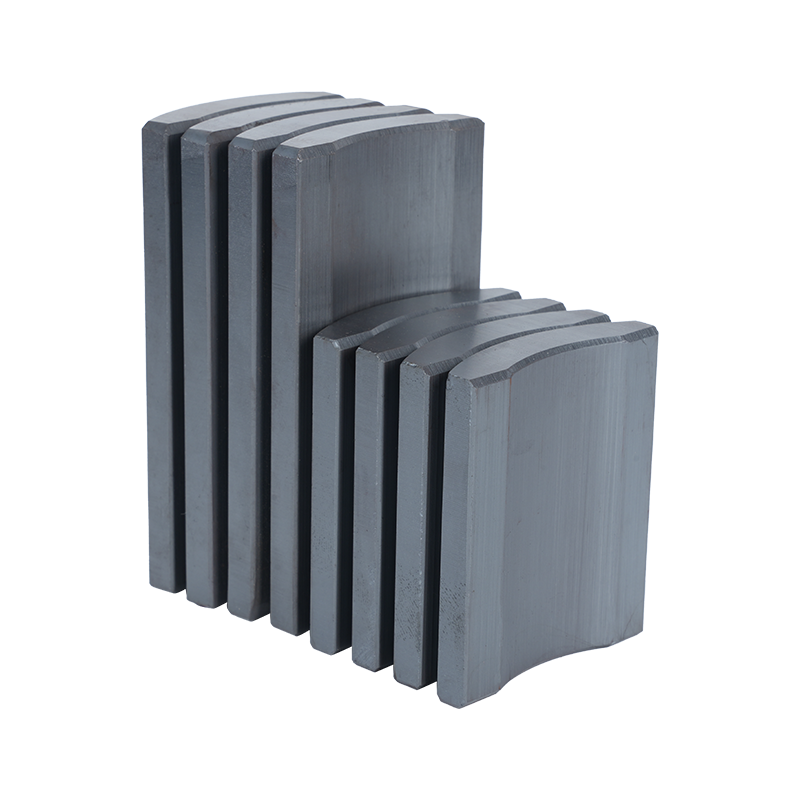
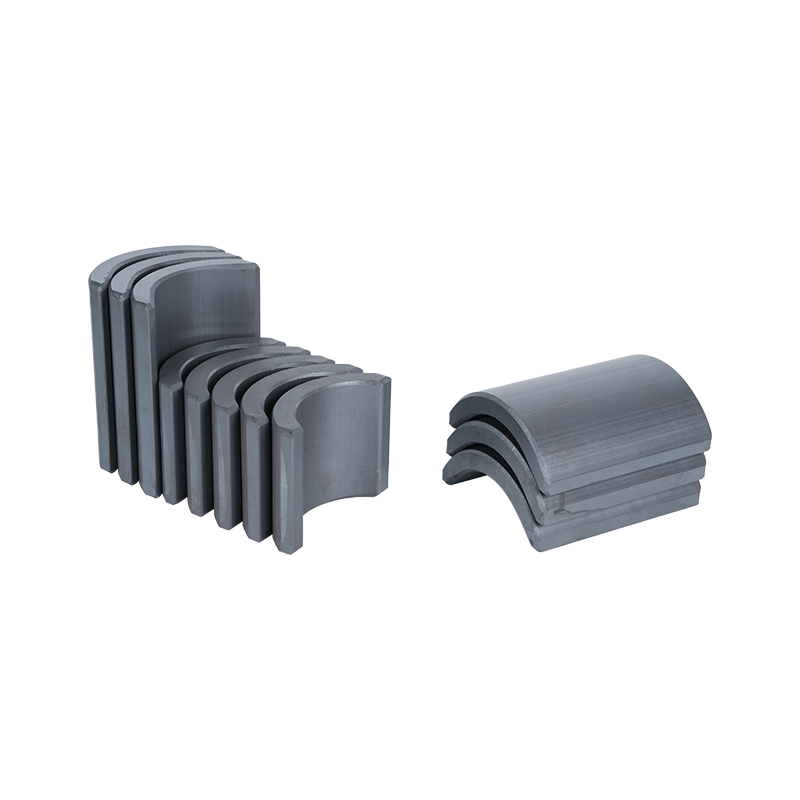
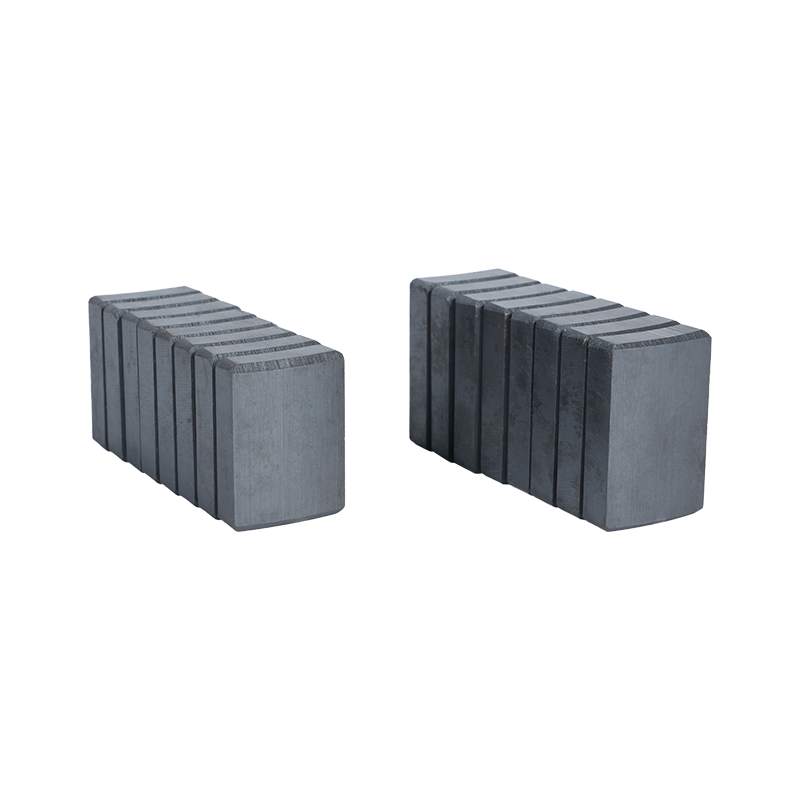
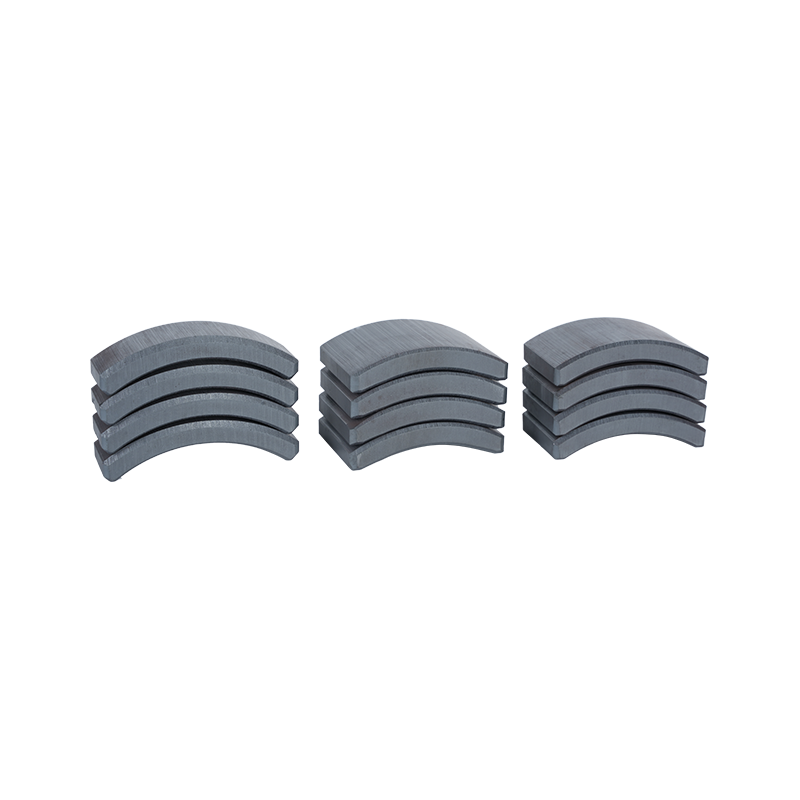
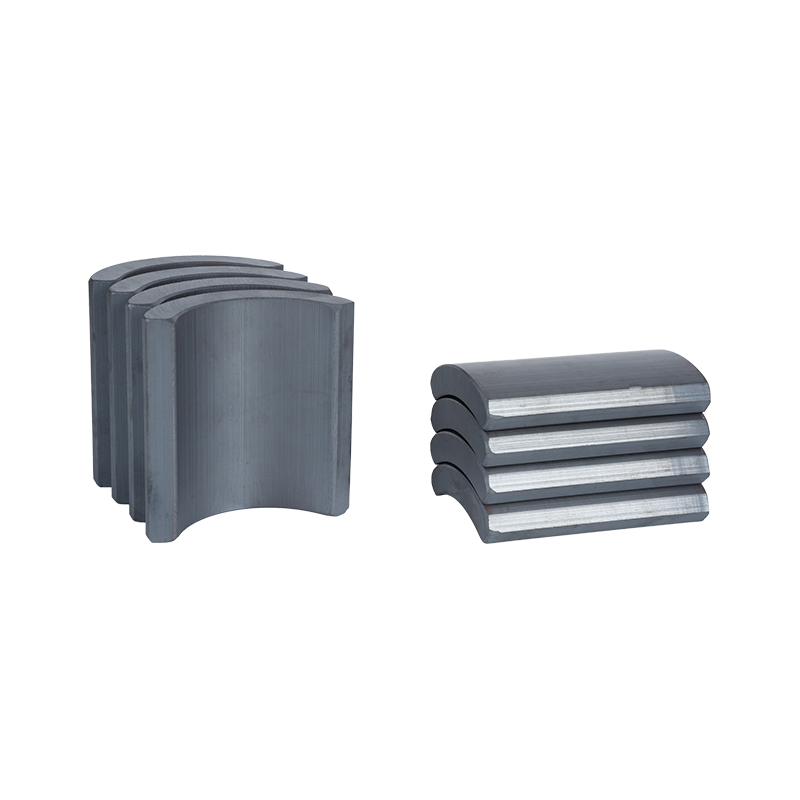
Dong Yang TianQi Magnetic Segment Co.,Ltd.(formerly Shuangyang Magnet Tile) is a professional enterprise specializing in the production of motor magnet tiles
Search by posts
Categories
Popular products
Contact Us
Industry News
 By Admin
How Does a Ferrite Magnet for Motors Improve Motor Performance
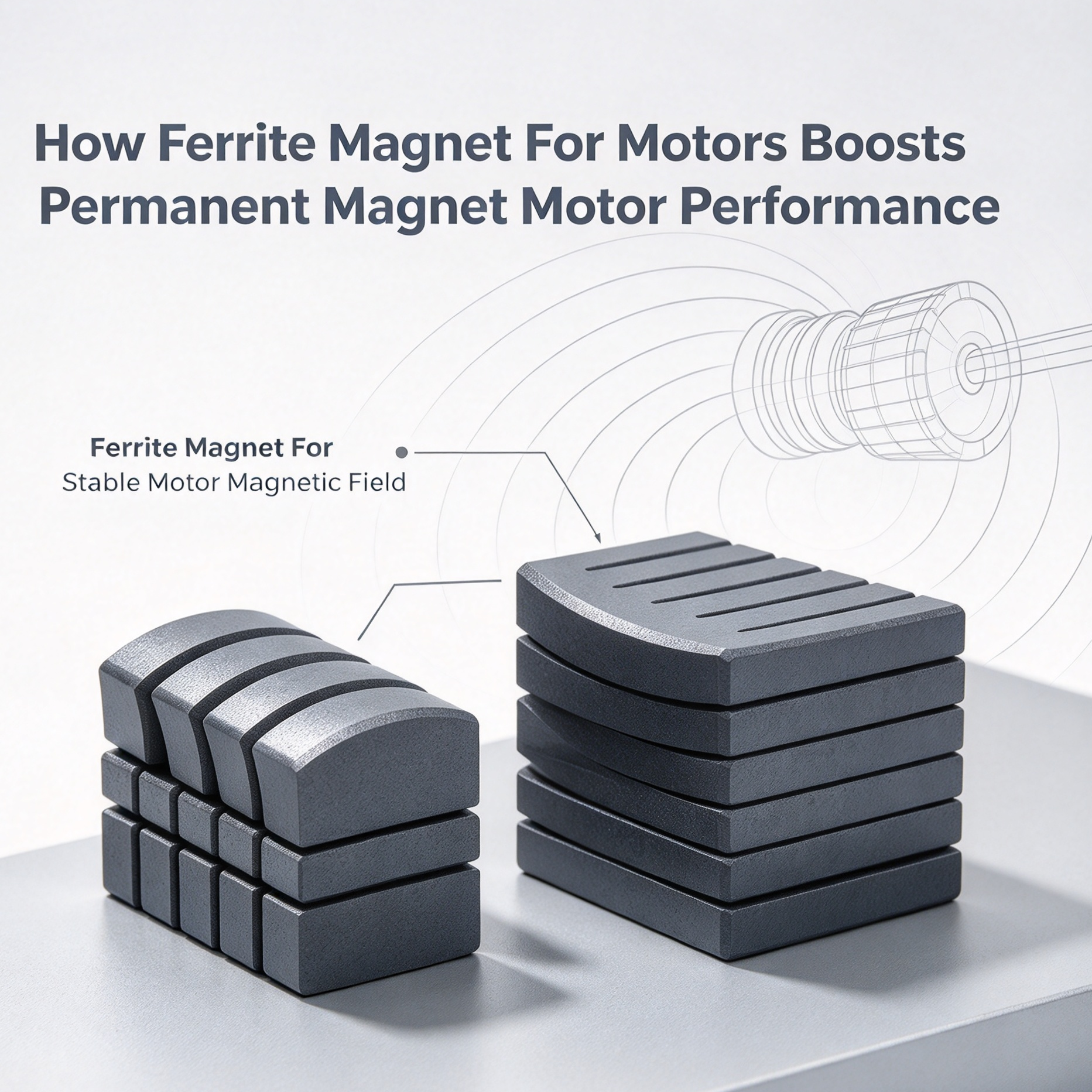
A permanent magnet DC motor needs a steady magnetic field around its rotor, and the curved shape of a ferrite arc segment suits that job. A Ferrite Magnet for Motors turns up in window lifts, wiper drives, cooling fans, and small pumps, where unit cost, durability, and a stable field matter more than squeezing the motor into the smallest space. Shape, material behavior, and design limits explain why motor makers keep returning to it.
How Do Ferrite Arc Magnets Work Inside a DC Motor?
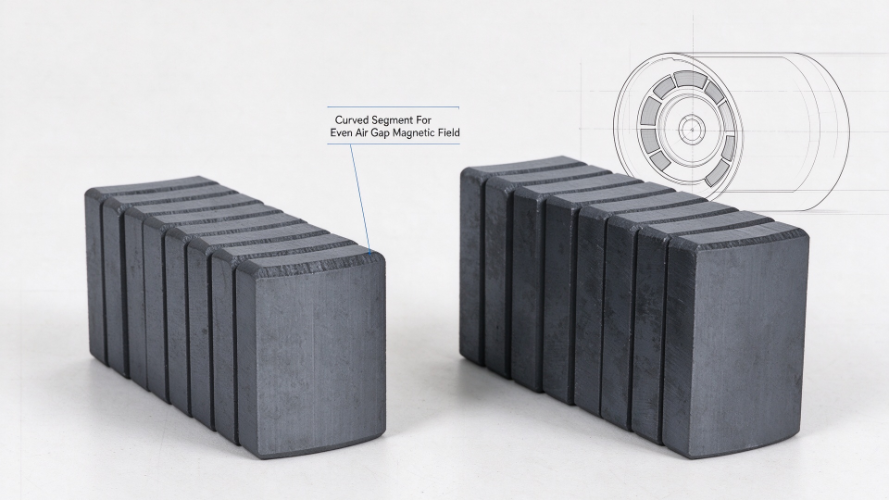
Ferrite arc magnets are made from hard ferrite ceramic. The curved profile lets each segment sit against the inner wall of a cylindrical housing, with its concave face toward the rotor. A flat block in that position would leave uneven gaps. An arc follows the housing and keeps the distance to the rotor consistent along its length.
Once the motor runs, the magnets set up a constant field across the air gap. Current flowing through the armature windings meets that field and produces a force on the conductors, which turns the rotor. The commutator reverses the current at the right moment so the turning continues.
How evenly the field spreads depends on the magnet layout. Curvature, thickness, arc angle, and magnetization direction all have to agree with the motor design. A small mismatch can change the air gap, add noise, or reduce torque, so drawings and tolerances get close attention before anything goes into production.
What Practical Advantages Does Ferrite Offer?
Does Cost Matter in Everyday Motor Production?
Ferrite is produced by combining iron oxide with strontium or barium compounds. These raw materials are readily available, and the manufacturing process does not require rare-earth elements. Motor manufacturers producing in large volumes can plan material purchases with less exposure to price changes in rare-earth markets.
For motors that do not need high magnetic output, ferrite does the work without adding material cost that the application would never use.
Does Ferrite Resist Corrosion?
Ferrite is already an oxide, so it does not rust the way metallic magnet alloys can. Many designs skip the plating or coating step that other magnet types need. A fan motor in a humid bathroom or a pump motor near splashing water carries less risk of surface decay on the magnet itself.
The rest of the assembly still needs checking. Housings, shafts, and fasteners can corrode, and debris from them may reach the magnet surface, so the complete motor should be reviewed for its working environment.
How Steady Is the Field in Use?
Ferrite resists demagnetization well under suitable conditions, so the field holds through long service. Temperature, outside magnetic fields, and heavy loads can still change performance. Ferrite loses some resistance to demagnetization as it gets cold, so a motor that starts in freezing weather, such as a car wiper drive in winter, calls for a careful grade choice and design check.
How Do Ferrite and NdFeB Magnets Compare?
Both materials appear in permanent magnet motors. Their strengths fit different goals, and magnetic strength is only one part of the decision.
| Item | Ferrite arc magnets | NdFeB magnets |
|---|---|---|
| Magnetic output | Moderate | Higher |
| Material cost | Economical | Higher |
| Raw materials | Free from rare-earth elements | Contains alternative magnet materials |
| Corrosion behavior | Naturally resistant | Depends on grade and coating |
| Motor size | Needs more room | Allows compact designs |
| Typical use | Cost-sensitive motors | High-output, space-limited motors |
Ferrite works when the housing has enough room. A thicker segment can make up for lower strength. NdFeB fits designs where space is tight, such as handheld power tools or compact drive units.
Neither option covers every case. Application, environment, installation space, and production plan should drive the choice.
Where Are Ferrite Arc Magnets Used?
Automotive auxiliary motors rely on them for window regulators, seat adjusters, wiper drives, and blower fans. Vibration, temperature changes, and long service life are normal in a vehicle, and ferrite handles many of these demands at a sensible cost.
Household appliances and small equipment use permanent magnet motors in large volumes. Fans, pumps, and kitchen devices need quiet running and durability at a modest price, which suits ferrite well.
Some industrial auxiliary drives, conveyors, and small actuators use ferrite too. The decision depends on torque demand, working conditions, motor size, and the magnetic circuit.
| Application | Motor role | Why ferrite fits |
|---|---|---|
| Car window lift | Raises and lowers glass | Cost control, steady torque |
| Wiper drive | Continuous sweeping | Stable field, durability |
| Cooling fan | Moves air | Suited to high-volume production |
| Small water pump | Moves liquid | Resists moisture |
What Should Engineers Check When Selecting Ferrite Magnets?
Picking the material is only the start. Several details decide how the finished part behaves in the motor.
Magnetic grade comes first. Ferrite grades differ in remanence and coercivity, so the grade should match the field strength needed and the demagnetization risk across the real operating range.
Dimensions and arc geometry come next. Inner radius, outer radius, thickness, length, and arc angle all affect assembly. Poor matching changes the air gap and the field distribution. Edge condition matters as well, since chipped corners can cause fitting trouble on the line.
Magnetization direction and poles need agreement with the motor design. Radial magnetization is common for arc segments, though some designs call for other patterns, and the number and spacing of poles must follow the electromagnetic layout.
Operating temperature deserves a full look. Cold raises the demagnetization risk, and heat lowers output. Include start-up and peak load in the assessment, not only the steady running condition.
How Can You Choose a Dependable Supplier for Custom Magnets?
Finished motor quality depends on the raw material and on manufacturing consistency. Segments from one batch should match in size, density, and magnetic output. Variation between pieces can make a motor run unevenly and produce vibration.
For custom ferrite arc magnets, share complete information before production starts: drawings, magnetization direction, application details, and expected operating conditions. Ask about material consistency, shaping accuracy, surface condition, and magnetization inspection. Testing samples in a real motor often shows problems that drawings cannot.
Motor makers looking for a Ferrite Magnet for Motors benefit from a factory that understands magnetic segment production, because grinding accuracy, tolerances, and magnetizing all affect assembly.
Who Can Support Custom Ferrite Solutions?
Dong Yang TianQi Magnetic Segment Co.,Ltd. focuses on magnetic segment manufacturing and serves customers who need magnet products for different applications. For custom motor components, a useful starting point is an exchange of drawings, dimensions, material requirements, and magnetization specifications.
Careful selection and attention to manufacturing detail allow ferrite arc magnets to support dependable motor designs while balancing magnetic performance, structure, and cost. Motor developers who prepare their requirements early can shorten sampling and reach stable production with less back-and-forth.
Recommended products
-
Professional Customized Ferrite Motor Magnetic Tiles
-
Hard Segment Arc Ferrite Magnetic Tiles
-
Anti-Corrosion Ferrite Arc Magnetic Tiles
-
Strong Magnetic Permanent Ferrite Magnetic Tiles
-
Heavy Duty Sintered Ferrite Magnetic Tiles
-
Industrial Magnetic Tiles
-
Electric Motor Magnet Tiles
-
Curved Neodymium Magnet
-
Block Neodymium Magnet
Contact Us

Ever since its establishment, TIANQI has never stopped walking in pursuit of quality.
About Us
Products Links
Contact Information
-

NO.55, Jici Road, Hengdian Town, Dongyang City, Zhejiang Province, China
-

Tel: +86 13625895265
-

E-mail:[email protected]
Copyright © Dong Yang TianQi Magnetic Segment Co.,Ltd.
Magnetic Tiles Factory
