


 English
 中文简体
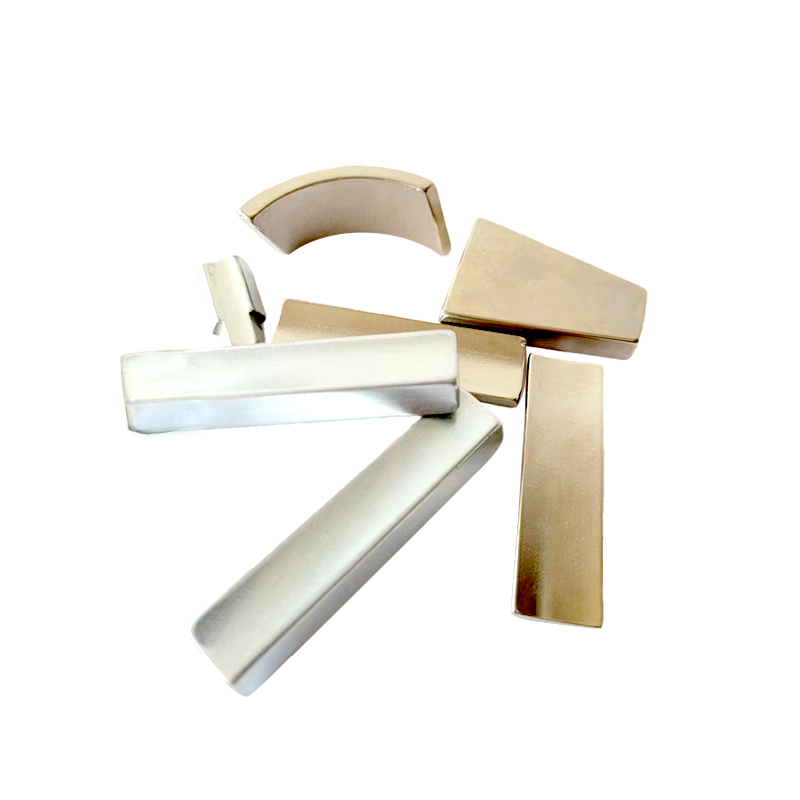
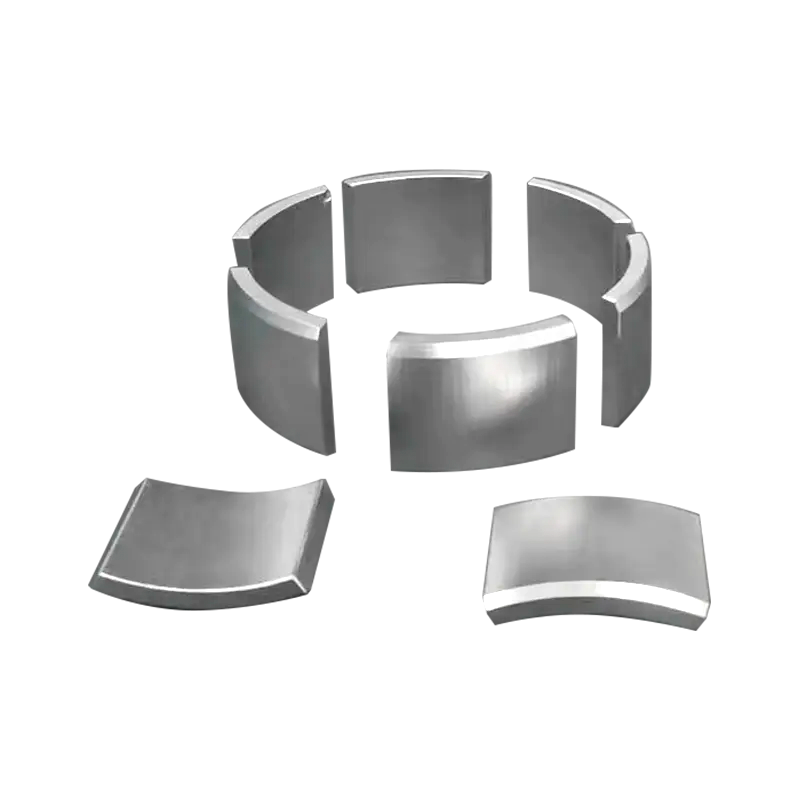
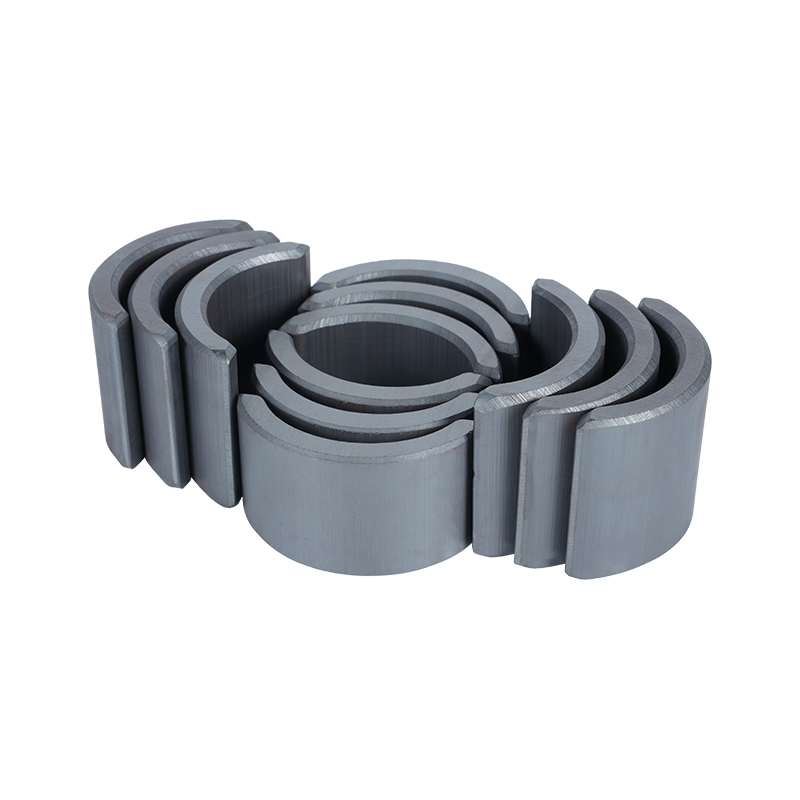
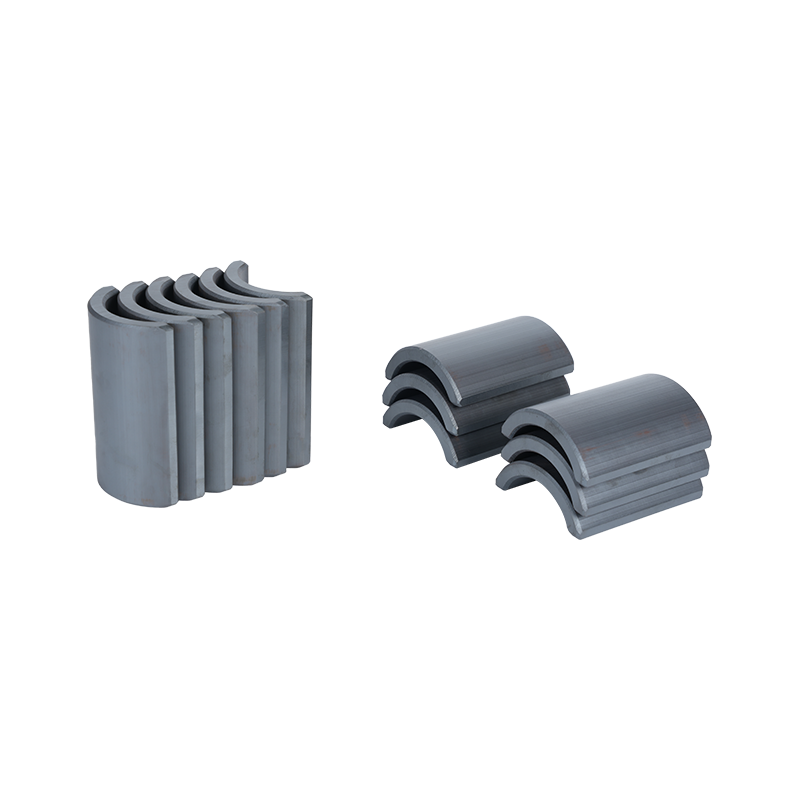
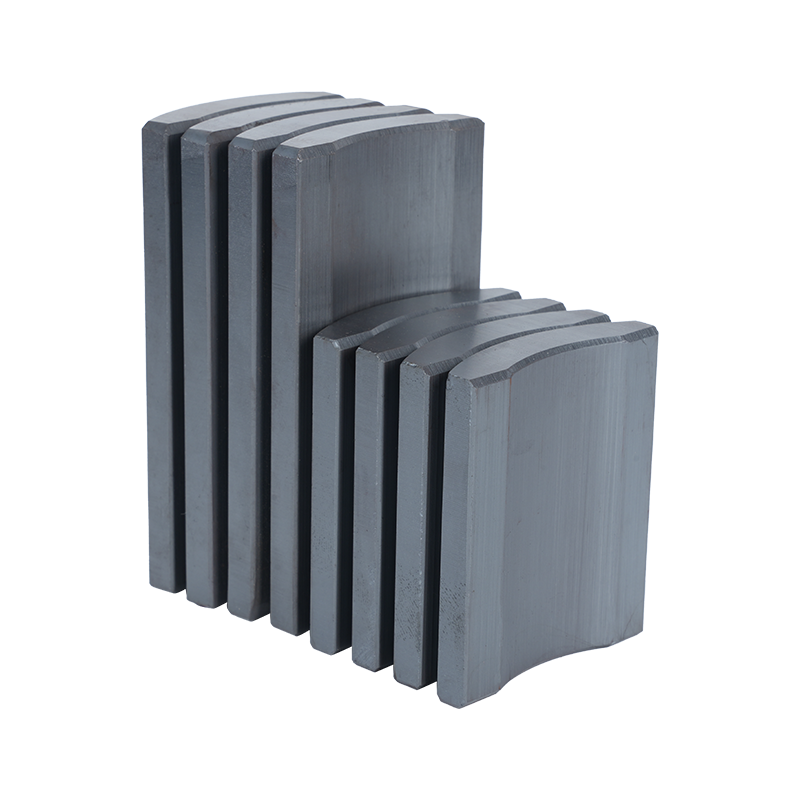
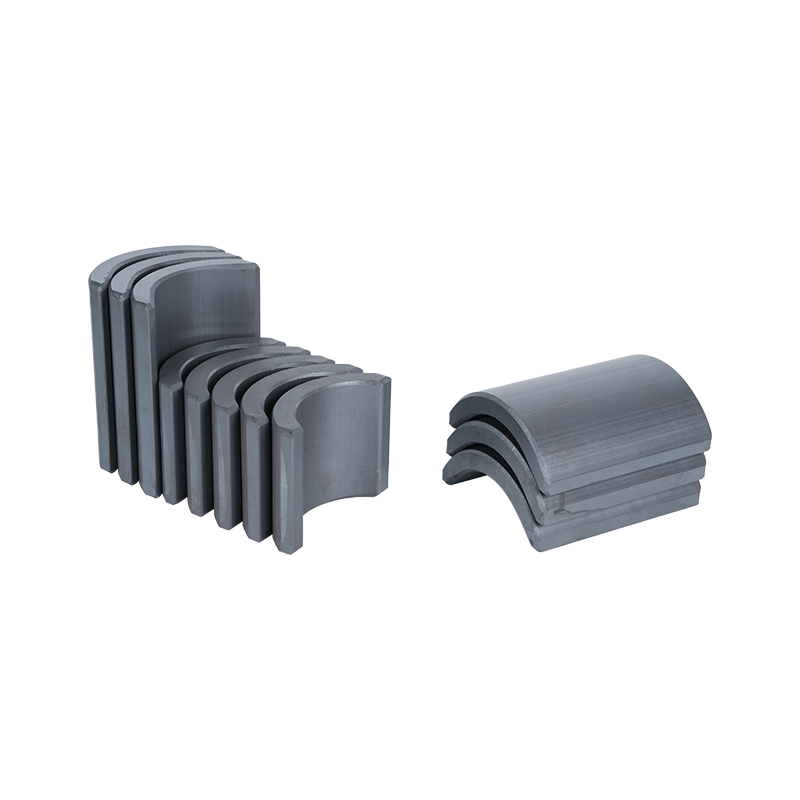
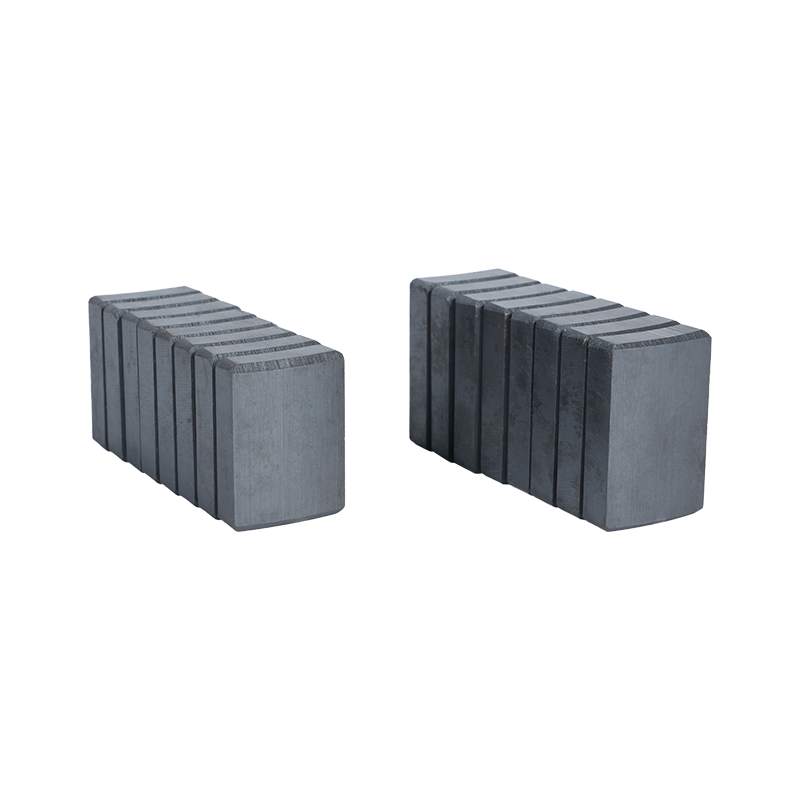
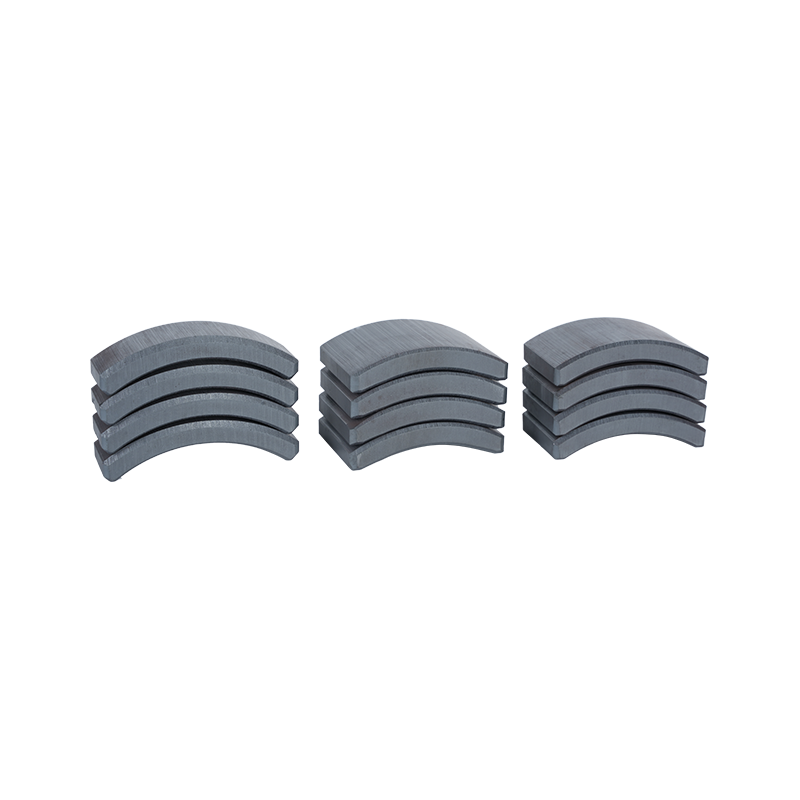
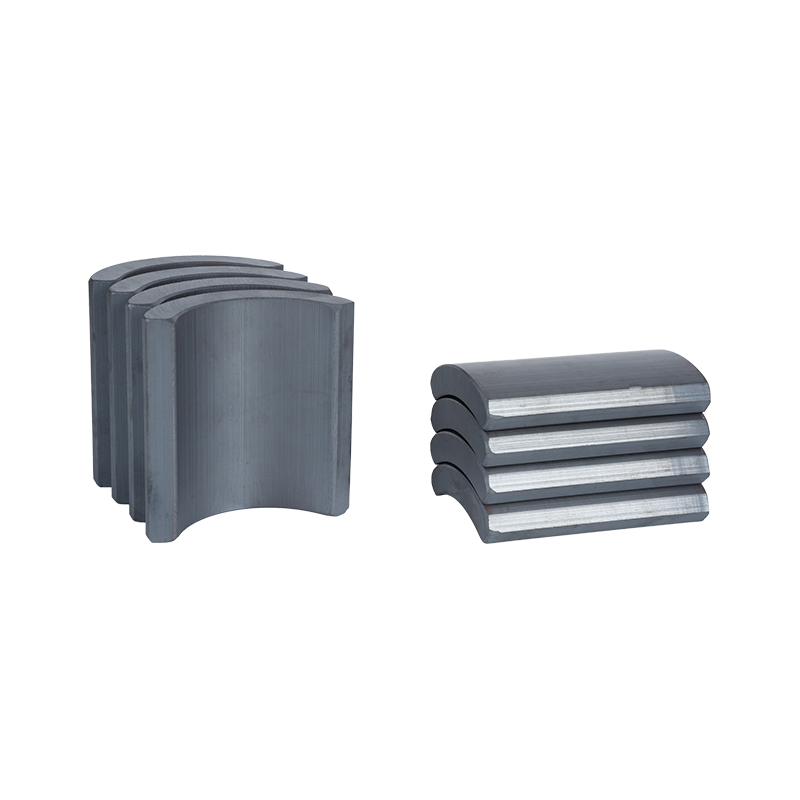
Dong Yang TianQi Magnetic Segment Co.,Ltd.(formerly Shuangyang Magnet Tile) is a professional enterprise specializing in the production of motor magnet tiles
Search by posts
Categories
Popular products
Contact Us
Industry News
 By Admin
Is a Ferrite Magnet for Motor Right for Your Design
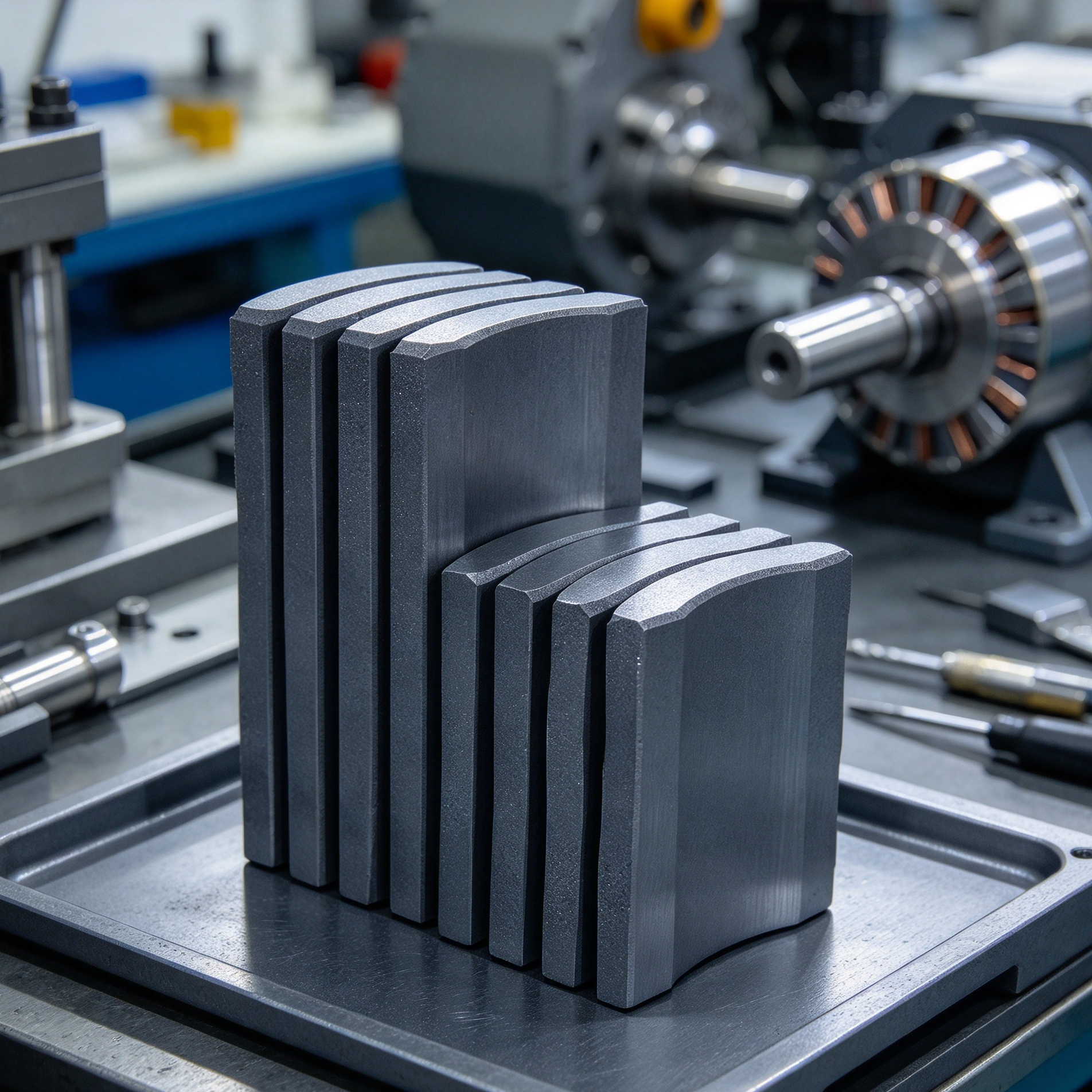
Press a car window switch, and a small permanent magnet motor moves the glass up or down. Many motors of this type use ferrite magnets because the material is cost-effective, stable under everyday conditions, and less affected by supply concerns linked to other magnetic materials. A Ferrite Magnet for Motor can suit an application when the design allows enough space and the required load matches its magnetic strength.
Ferrite has lower magnetic strength than other magnetic materials, so the motor design needs to account for this difference. Rotor shape, magnet volume, and control settings may all need adjustment. The following sections examine motor types that use ferrite magnets and the limitations to consider.
Why Does Magnet Choice Shape Motor Design?
Ferrite is made mainly from iron oxide, and it resists corrosion in many ordinary environments. Its lower flux density means a motor often needs more magnet volume, or a smarter rotor layout, to reach a given output.
Comparing magnet prices alone can mislead. A cheaper magnet may call for a larger rotor, a bigger housing, or a different assembly process, and those changes feed back into total cost. A seat adjuster that moves a few times a day faces very different demands from a ventilation fan that runs for hours, even when both use the same magnet grade.
Three questions help frame the choice early:
- How hard is the motor's starting load, and how often does it repeat?
- How much heat will the windings produce during normal work?
- How much space can the rotor and housing take?
Answers to these questions often settle the matter before any detailed simulation begins.
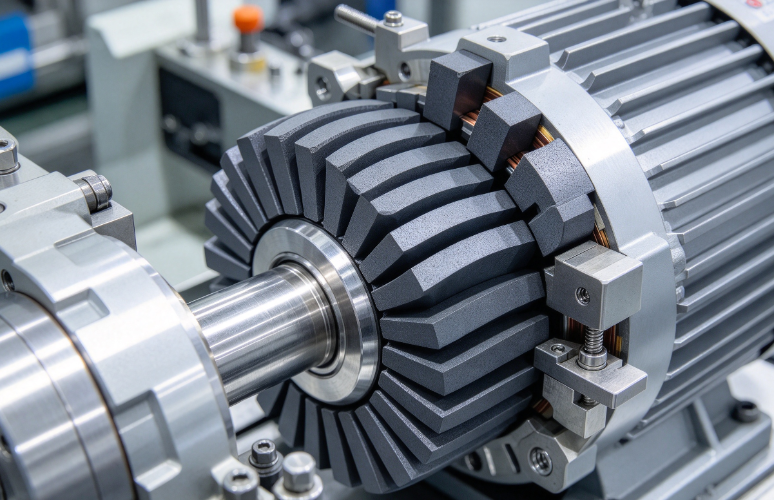
Which Motor Types Suit Ferrite Magnets?
Several motor families can use ferrite, each with its own design concerns.
| Motor Type | Typical Use | Main Design Concern |
|---|---|---|
| Brushed DC motor | Window lifts, seat adjusters, small actuators | Starting torque and duty cycle |
| Brushless DC motor | Fans, pumps, household appliances | Rotor size and electronic control |
| Permanent magnet synchronous motor | Industrial drives, selected vehicle systems | Torque density and speed |
| Ferrite-assisted synchronous reluctance motor | Industrial drives, propulsion research | Rotor geometry and flux path |
| Permanent magnet stepper motor | Positioning and adjustment devices | Holding torque and accuracy |
These are general tendencies, not guarantees. Load, size limits, and environment decide each case.
Are Brushed DC Motors a Natural Fit?
Yes. The magnets set the field while current flows through the armature, and the construction stays simple. Ferrite suits car seat mechanisms, window regulators, wiper drives, and small household devices, where cost and predictable behavior matter.
Trouble appears when a compact motor must start under heavy load again and again. High winding current raises the risk of demagnetization, especially when the motor is already warm. Designers should test the full operating range rather than only the rated point. A window motor in a car parked under summer sun and then asked to work against a stiff seal is a realistic test case.
Can Brushless and Synchronous Motors Use Ferrite?
They can. The rotor carries the magnets, and electronics drive the stator windings. Because ferrite is weaker, engineers often enlarge the rotor, concentrate flux through special magnet arrangements, or adjust the magnetic circuit. Fans and pumps in appliances are common candidates, since their housings usually have more room than a handheld tool does.
Every adjustment has a price. More magnet volume adds weight and assembly effort, and altered rotor geometry may raise torque ripple or reduce mechanical strength. Controller current limits and starting behavior should be checked together with the motor instead of separately. A drive tuned for a stronger magnet can push too much current through a ferrite design.
What Do Ferrite-Assisted Reluctance Motors Offer?
A synchronous reluctance motor produces torque through variations in magnetic reluctance within the rotor. Ferrite magnets placed in selected rotor areas provide additional flux, while the rotor geometry continues to generate reluctance torque. This arrangement reduces dependence on other magnet materials while keeping the rotor structure relatively simple.
Industrial drives and some vehicle propulsion studies explore the idea. A vehicle faces hard acceleration, high temperature, and tight packaging, so simulation and prototype testing should come before any commitment. Poorly placed magnets can cause torque variation or weaken the rotor structure.
Do Stepper Motors Work With Ferrite?
Permanent magnet steppers can use ferrite, particularly in low-cost positioning devices such as small valve actuators or adjustable vents. Holding torque is the key check, because the shaft may need to resist an outside force while the windings stay energized.
A compact stepper with demanding holding requirements may need another magnet material. Winding heat and repeated movement also change the picture compared with a static bench test, so realistic loads are worth using.
Where Does Ferrite Not Apply?
A conventional induction motor builds rotor current by induction and uses no permanent magnets. Conveyors, industrial fans, and pumps often run on this type without any magnet at all. Adding magnets turns the machine into a different architecture with different control and design rules.
For that reason, the real motor type should be identified before materials are compared. A label such as "efficient motor" says little about how torque is produced, and choosing a magnet from a broad label can waste development time.
What Else Affects Performance?
Magnet material is only one input. Several other factors shape how a ferrite design behaves:
- Torque and speed: Heavy starts and rapid acceleration call for different rotor structures than steady loads. Higher speed raises mechanical and thermal demands.
- Temperature: Ferrite resists corrosion, yet its magnetic behavior shifts with heat. Winding heat, cooling, and rotor temperature should be tested under realistic duty.
- Space: Ferrite usually needs more volume for comparable flux, which can enlarge the housing.
- Control: The drive should be evaluated with the motor across its real speed and load range, including starts and stops.
Ferrite and other magnet materials also differ in ways that influence design planning.
| Factor | Ferrite Magnets | High-Strength Magnet Materials |
|---|---|---|
| Material cost | Generally economical | Generally higher |
| Magnetic strength | Lower | Higher |
| Magnet volume | May be larger | May be smaller |
| Supply exposure | Not dependent on other magnet materials | Depends on grade |
| Fit | Cost-sensitive designs with room | Compact, high-torque designs |
Actual performance depends on material grade, manufacturing methods, and supply conditions. Some projects use ferrite to diversify material choices, while others retain alternative magnets when installation space is limited.
How Should Manufacturers Verify Compatibility?
Start by defining load, speed range, operating temperature, and available space. These details guide the choice of grade and motor layout, and they give the supplier something concrete to work from.
Prototypes then reveal practical limits. Test starting behavior, torque, temperature rise, vibration, and stability under real load patterns, including frequent starts. Findings may call for changes in magnet placement, rotor shape, windings, or controller settings. Repeating tests after each change shows whether the adjustment actually helped.
Supplier discussions should cover motor type, mounting method, working environment, magnetic requirements, dimensional tolerances, surface condition, and inspection routines. Clear information lets the supplier provide samples that fit the design. Engineers then have a sound basis for comparing options and moving toward production.
Recommended products
-
Professional Customized Ferrite Motor Magnetic Tiles
-
Hard Segment Arc Ferrite Magnetic Tiles
-
Anti-Corrosion Ferrite Arc Magnetic Tiles
-
Strong Magnetic Permanent Ferrite Magnetic Tiles
-
Heavy Duty Sintered Ferrite Magnetic Tiles
-
Industrial Magnetic Tiles
-
Electric Motor Magnet Tiles
-
Curved Neodymium Magnet
-
Block Neodymium Magnet
Contact Us

Ever since its establishment, TIANQI has never stopped walking in pursuit of quality.
About Us
Products Links
Contact Information
-

NO.55, Jici Road, Hengdian Town, Dongyang City, Zhejiang Province, China
-

Tel: +86 13625895265
-

E-mail:[email protected]
Copyright © Dong Yang TianQi Magnetic Segment Co.,Ltd.
Magnetic Tiles Factory
