


 English
 中文简体
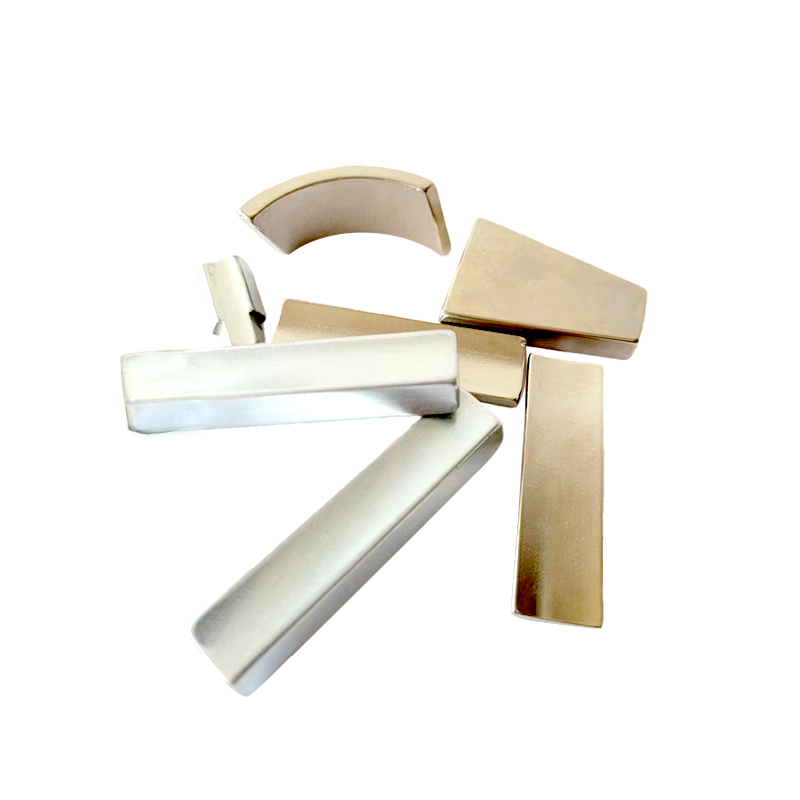
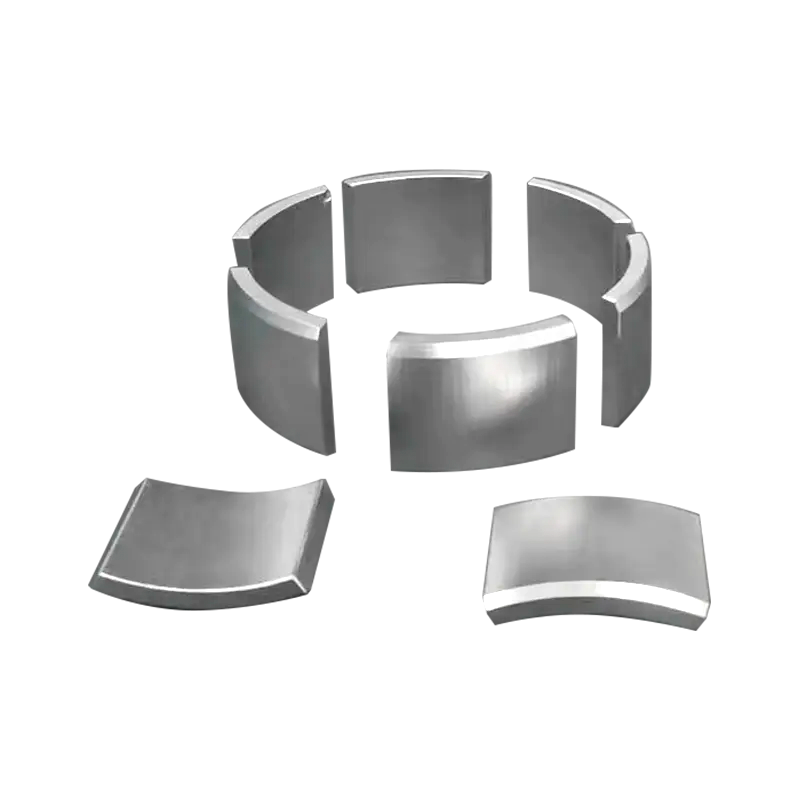
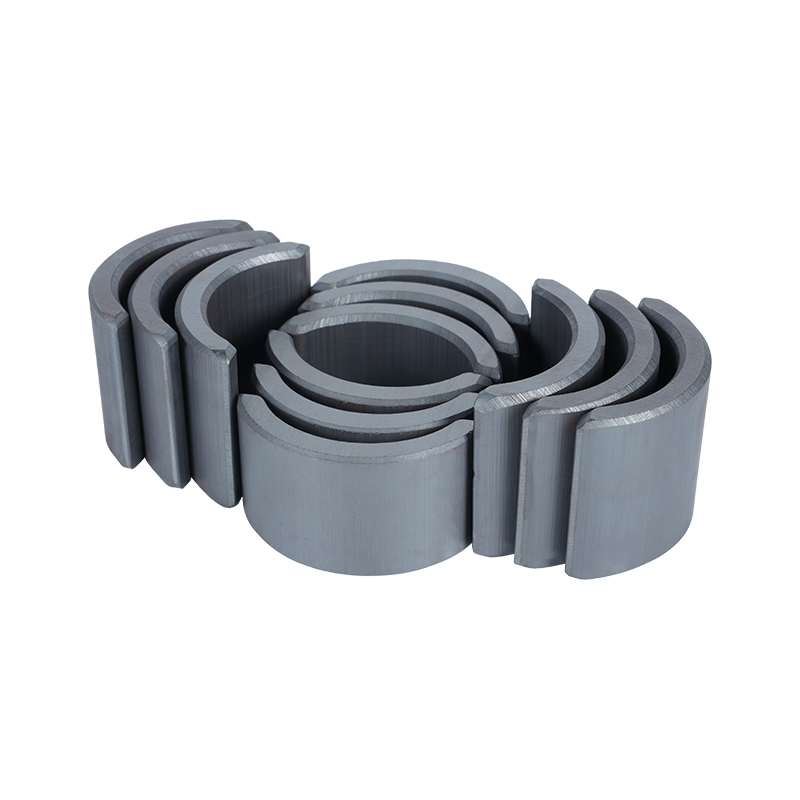
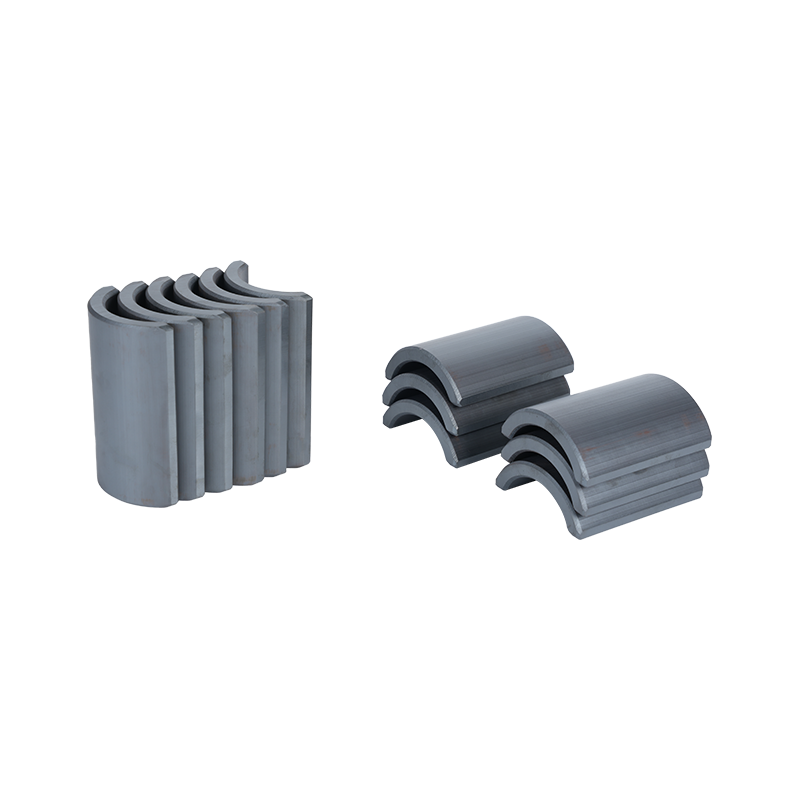
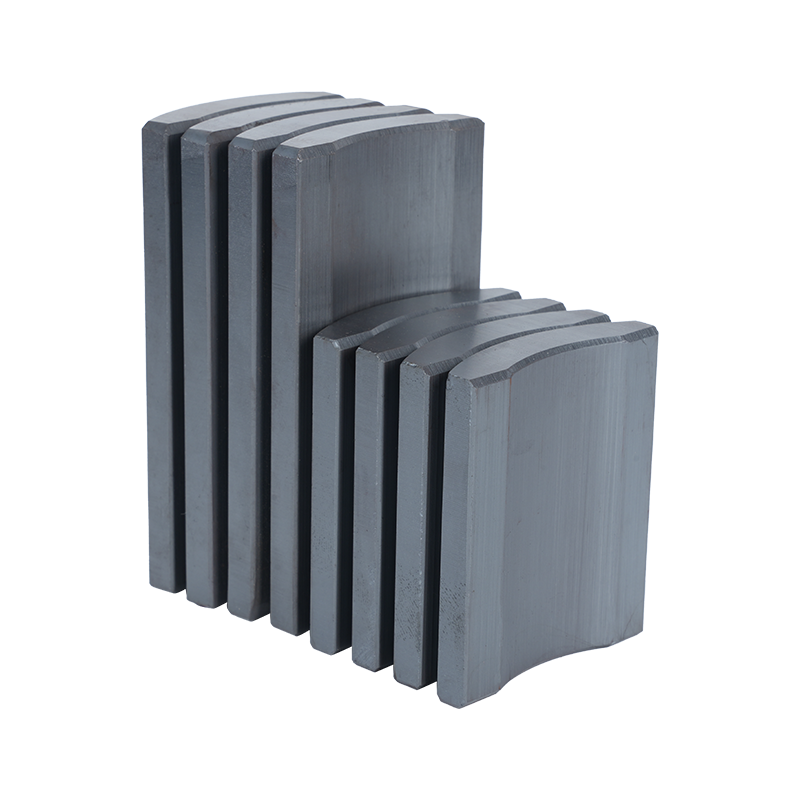
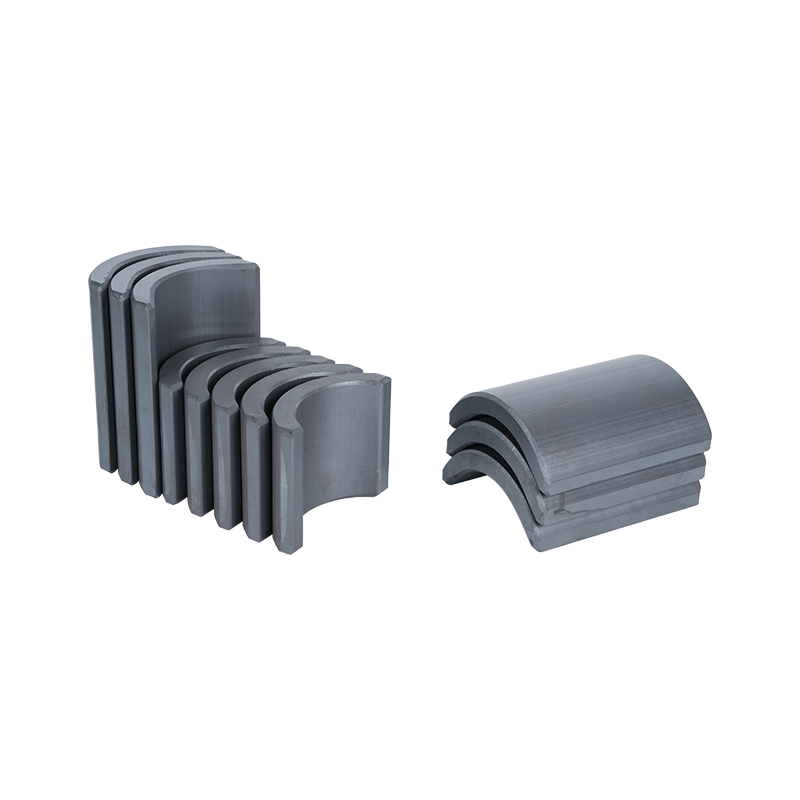
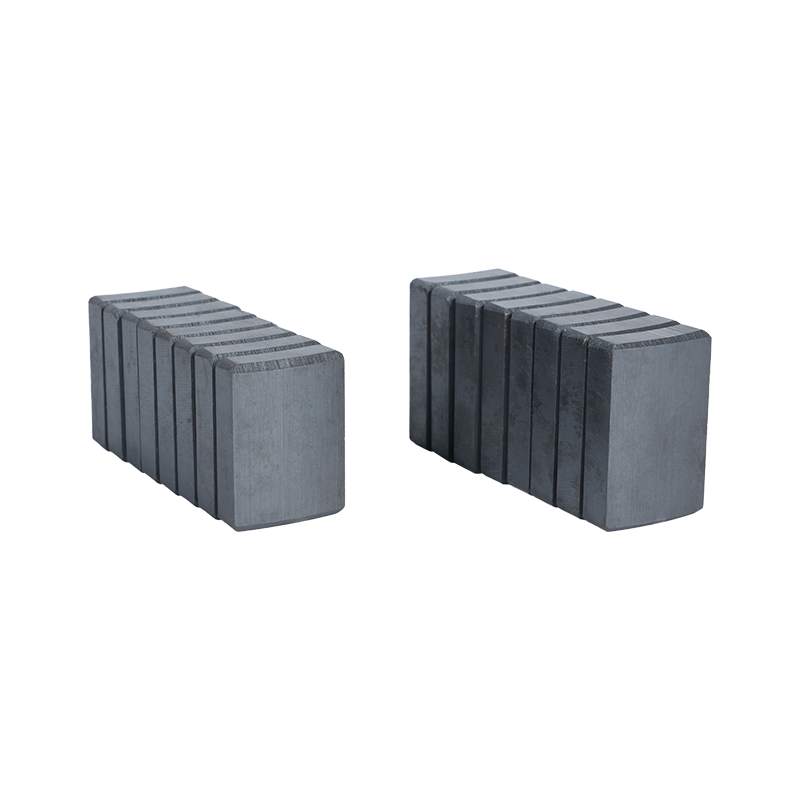
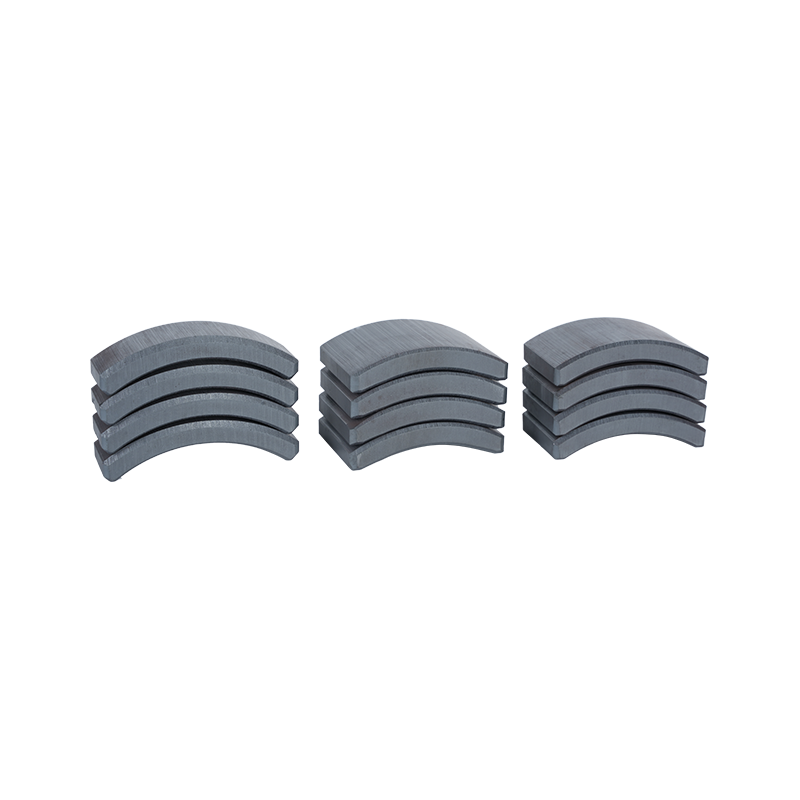
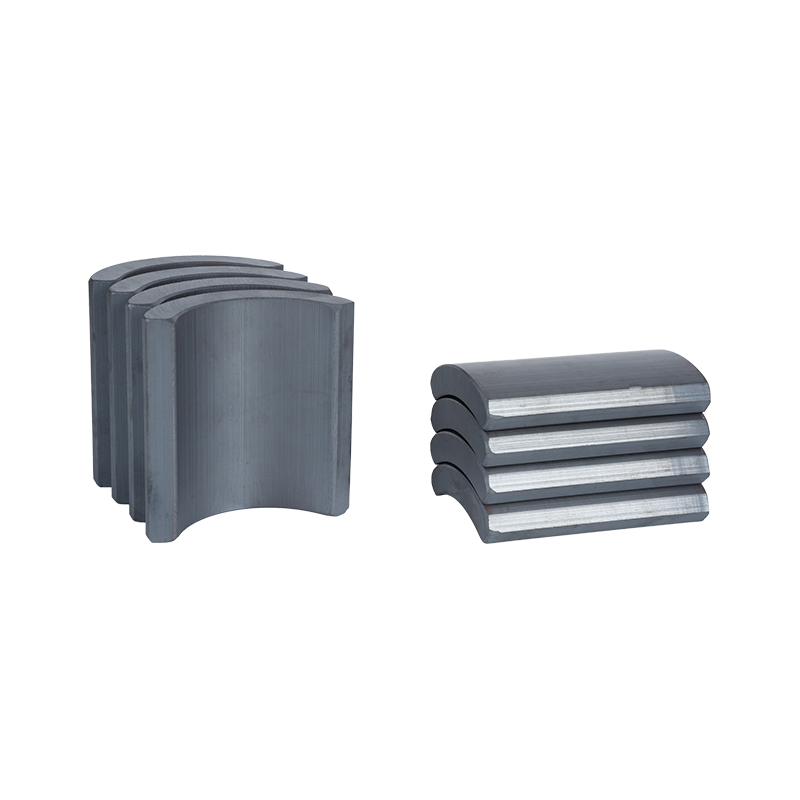
Dong Yang TianQi Magnetic Segment Co.,Ltd.(formerly Shuangyang Magnet Tile) is a professional enterprise specializing in the production of motor magnet tiles
Search by posts
Categories
Popular products
Contact Us
Industry News
 By Admin
How Does a Ferrite Magnet for Motor Reduce Costs
Take apart a kitchen extractor fan, a hair dryer, or a car seat adjuster, and the small motor inside often holds a ferrite magnet. These products are built in large runs, so a small saving on one part or one assembly step repeats across thousands of units. Cost control in motor production is more than comparing prices. A material choice also changes how the motor is assembled, how it is inspected, and how purchasing is planned.
A Ferrite Magnet for Motor suits designs where cost, magnetic performance, and production needs have to be balanced. It does not suit every motor. Its magnetic characteristics differ from those of other magnet materials, so engineers should start from the operating conditions and look at the whole manufacturing process, not just the purchase price.
Where Does the Real Cost Sit Beyond the Magnet Price?
Why Is a Low Unit Price Only Part of the Story?
A motor combines magnets, coils, a shaft, a housing, and structural parts. Each one adds to the budget and affects its neighbors. A cheaper magnet may need a different shape or more room, and that can force changes to the rotor or housing. A factory should check the complete design before deciding that a material swap saves money.
Think about a ventilation fan sold under many model names. The motor structure is shared, the magnet size is settled, and the purchasing team can order on a regular rhythm. In that setting, ferrite makes sense because the design does not change from month to month. A product with frequent redesigns gains less from the same material.
The amount of material, the shape of the part, the number of steps needed to install it, and the effort needed to check finished motors all add to the real cost. A magnet that fits the design well can simplify several of these at once.
Which Factors Deserve a Review Before a Decision?
Cost sits in many places. The list below shows where a magnet choice tends to show up in a factory.
| Cost Factor | Effect on Manufacturing | Planning Point |
|---|---|---|
| Magnet material | Component purchasing cost | Match the material to motor needs |
| Magnet shape | Material use and installation | Design around the available space |
| Production consistency | Inspection and rework | Define clear component requirements |
| Tooling | Setup and repeat production | Consider expected volume |
| Assembly process | Labor and production flow | Make magnet placement practical |
| Supply planning | Purchasing continuity | Check production capacity and delivery schedules |
Looking across these rows keeps a team from fixating on one number. The useful question is whether the magnet supports an economical motor from material use through production and service.
Can Stable Properties Reduce Waste?
When magnet properties drift between batches, motor performance drifts as well. The team then loses time asking whether the magnet or some other part is responsible. An operator may see a motor that runs slightly slower than its neighbors on the line, and without clear records nobody can tell where the difference began.
Agreeing on magnetic properties, dimensions, and appearance with the supplier gives both sides the same picture of an acceptable part. Stable components also make assembly more predictable, so production staff can follow established methods and compare finished motors against defined requirements. This does not remove every problem, but it removes some uncertainty from incoming material.
Traceable batch records help too. If a problem shows up, the factory can find the affected products without treating every run as a mystery. Inspection costs money, so the plan should name the characteristics that matter to motor function and say how each one is checked, instead of adding checks without a reason.
How Do Shape and Magnetic Circuit Affect the Result?
Why Do Arc-Shaped Magnets Suit So Many Motors?
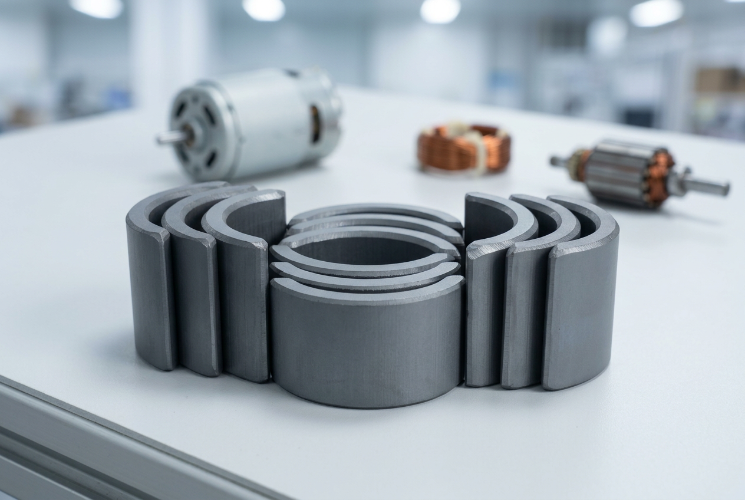
Many compact motors place magnets around a rotating or fixed part. An arc shape follows the curve of that structure, so it sits neatly in the space available and is easier to position and secure. Fan motors, appliance motors, and small DC motors often reuse the same component design, which rewards a stable shape.
A well-matched shape can also spare neighboring parts from unnecessary changes, although the real benefit depends on the motor layout. Engineers still need to weigh the required magnetic properties, the installation space, and the mechanical support the motor structure provides.
Custom shapes may need dedicated tooling. With steady demand, that cost spreads across many parts. With uncertain orders, it lands heavily on each piece. A special shape should answer a defined need such as fit or magnetic arrangement. Without a clear functional gain, the extra tooling and coordination are hard to justify.
What Does Magnetic Circuit Design Change?
The magnetic circuit describes how magnets and other parts work together to produce the required effect. Position, arrangement, and surrounding structure all influence motor behavior. A good design uses the chosen material well and does not rely on a material change to fix every performance problem.
Ferrite may need a different arrangement from other magnet types to reach a similar result, which can change component size and leave less room for other parts. A larger magnet may affect the rotor or housing, and moving a magnet may change assembly steps. A low component price does not guarantee a low total cost if the change creates new demands elsewhere.
Design reviews conducted before tooling decisions are finalized can help identify these connections. They are particularly relevant for high-volume products, where a single decision affects every unit.
Operating temperature, load, duty pattern, and surroundings matter as well. A motor in a bathroom fan faces different conditions from one in a car, and a design that meets its cost target but ignores working conditions can bring service or replacement costs later.
How Can Manufacturers Manage Risk and Supply?
What About Demagnetization?
Ferrite can lose some magnetic strength outside its intended operating limits, and that changes how the motor performs. Review operating temperature against the motor's workload, ventilation, and environment. Judge the magnet as part of the assembly, since its response depends on how it interacts with the rest of the motor.
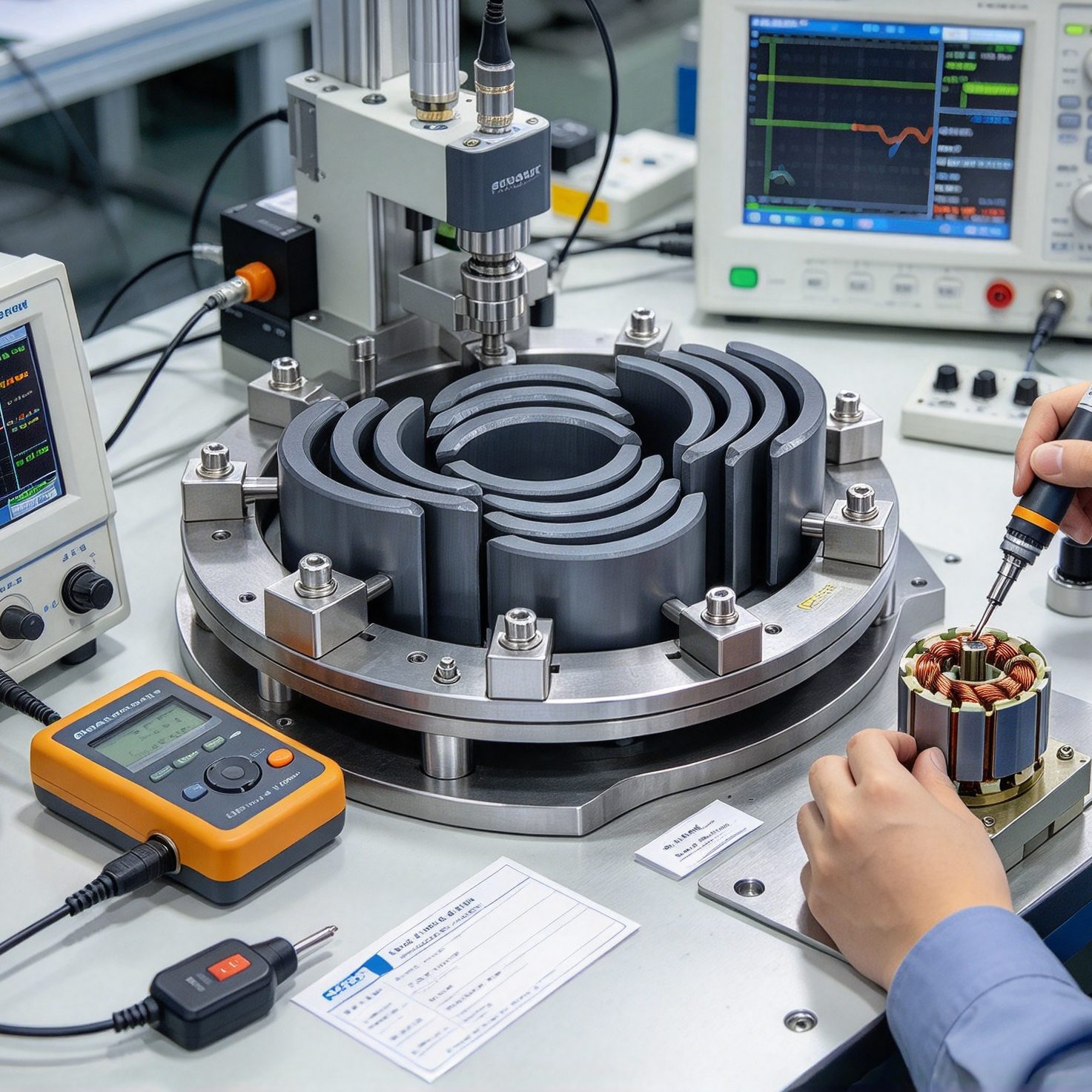
Handling counts too. Store, transport, and install magnets as the supplier advises, because rough treatment can cause damage that is hard to spot in a finished motor. Testing during development, matched to real conditions, reduces rework, returns, and service cost. The exact test depends on the motor and where it will run.
How Do Tooling and Production Volume Shape the Budget?
A standard form may be available from an existing process, while a special shape may need its own tooling. The choice depends on how closely the standard option fits the motor and whether a custom form offers enough practical value.
Stable, repeated demand spreads tooling cost across more parts. Small or uncertain orders feel it more. Reviewing drawings, samples, and expected order patterns with the supplier during development helps both sides see the practical needs, and it reduces the chance of finding a conflict after production starts.
Changes to an established design deserve care. A small alteration to shape or dimension may affect fit, assembly, or motor behavior, so put it through a formal approval step before it enters regular production.
Why Does Supply Reliability Belong in Magnet Selection?
An economical magnet only helps if it arrives consistently. Late deliveries, uneven components, or unannounced specification changes stop assembly lines and add cost. Check whether a supplier can hold steady production, report changes, and support expected order patterns.
Raw materials, processes, and tooling can shift over time. Agree on a notification process, and review whether any change affects fit or motor performance. Traceability links incoming batches to production records, which supports a focused investigation if an issue appears and improves communication between supplier and motor maker.
A good supply relationship rests on clear expectations rather than price alone. When both sides understand quality requirements, production needs, and change control, purchasing becomes steadier and costs are easier to manage across the product's life.
For home appliance, fan, small DC, and automotive auxiliary motors, ferrite is a practical choice when its properties match the design. The saving comes from material selection, magnetic performance, manufacturing consistency, tooling decisions, and dependable supply working together.
Recommended products
-
Professional Customized Ferrite Motor Magnetic Tiles
-
Hard Segment Arc Ferrite Magnetic Tiles
-
Anti-Corrosion Ferrite Arc Magnetic Tiles
-
Strong Magnetic Permanent Ferrite Magnetic Tiles
-
Heavy Duty Sintered Ferrite Magnetic Tiles
-
Industrial Magnetic Tiles
-
Electric Motor Magnet Tiles
-
Curved Neodymium Magnet
-
Block Neodymium Magnet
Contact Us

Ever since its establishment, TIANQI has never stopped walking in pursuit of quality.
About Us
Products Links
Contact Information
-

NO.55, Jici Road, Hengdian Town, Dongyang City, Zhejiang Province, China
-

Tel: +86 13625895265
-

E-mail:[email protected]
Copyright © Dong Yang TianQi Magnetic Segment Co.,Ltd.
Magnetic Tiles Factory
