


 English
 中文简体
中文简体
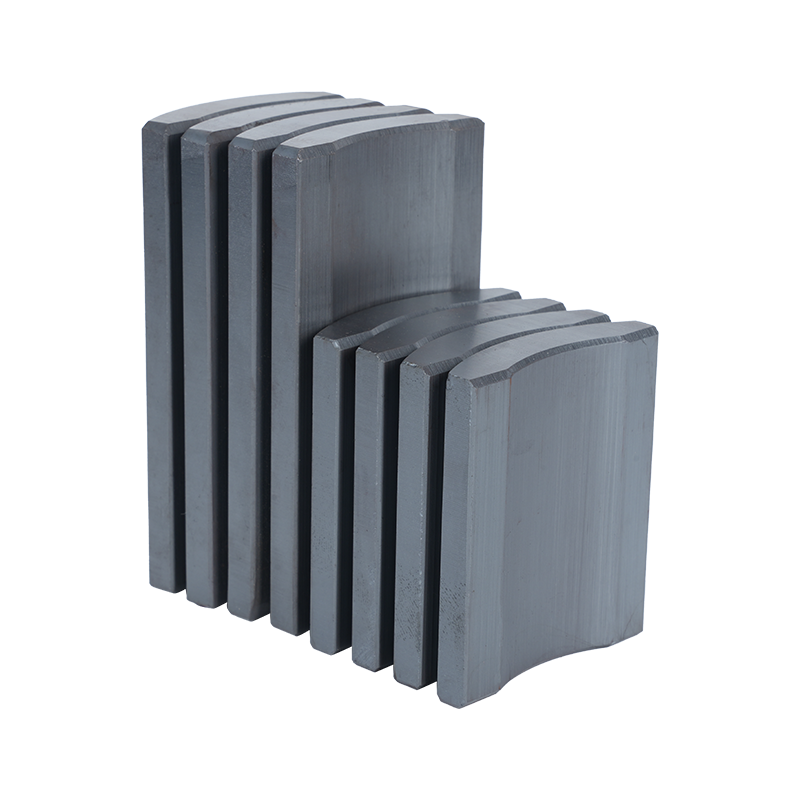
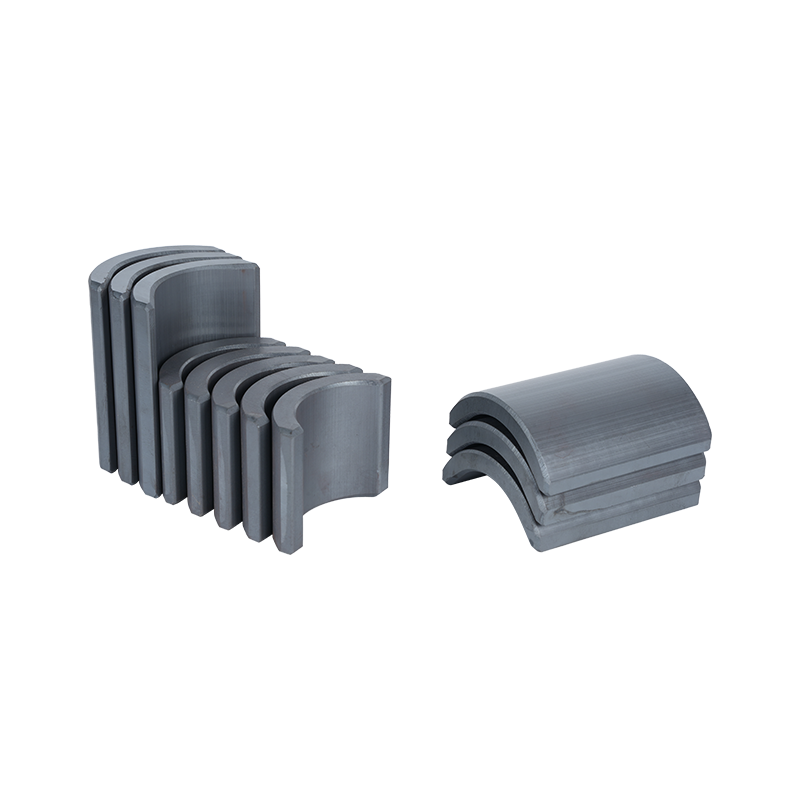
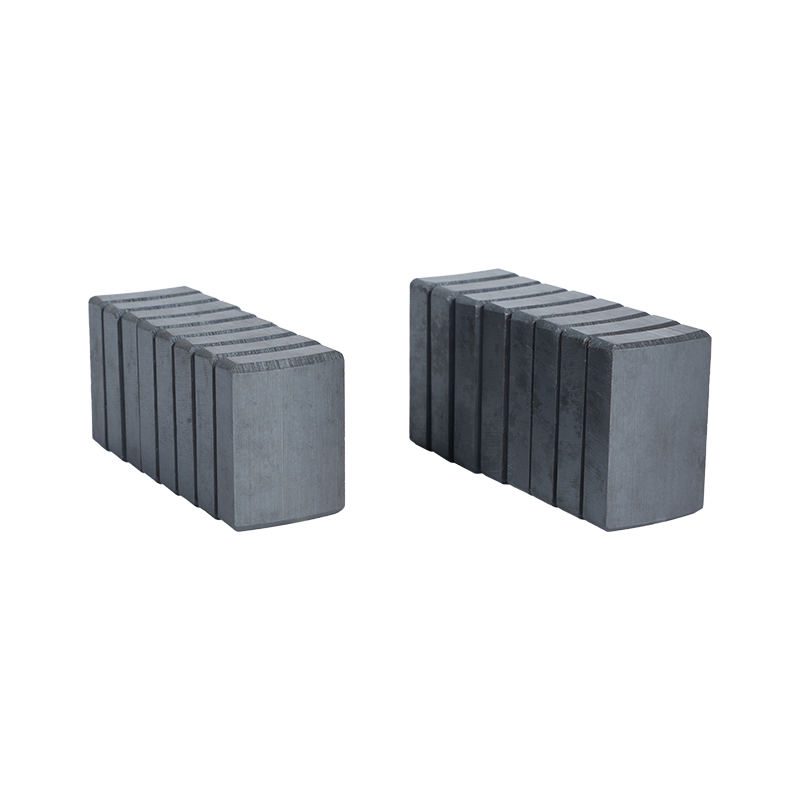
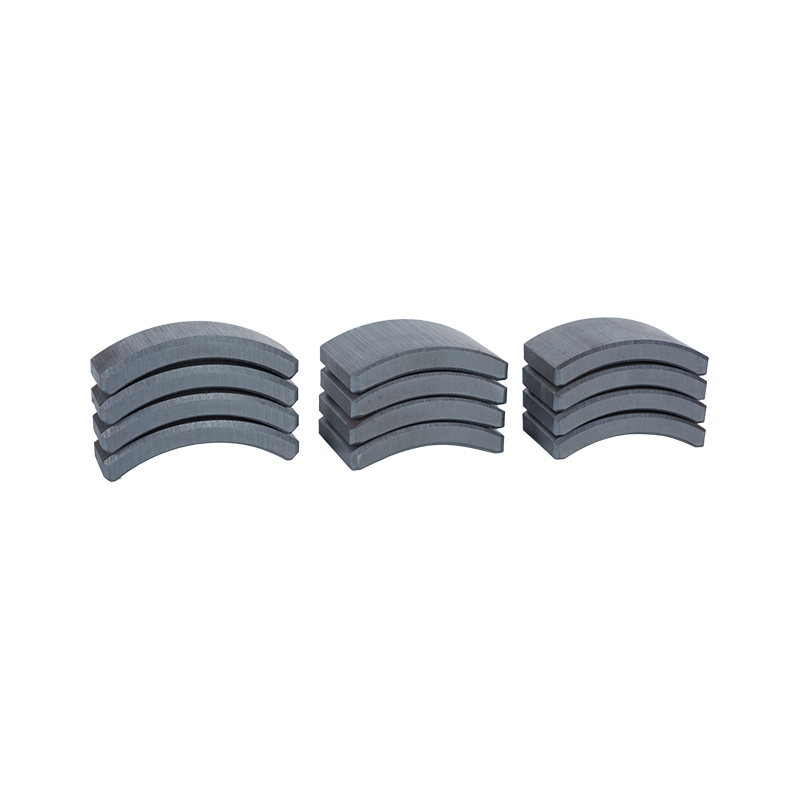
Dong Yang TianQi Magnetic Segment Co.,Ltd.(formerly Shuangyang Magnet Tile) is a professional enterprise specializing in the production of motor magnet tiles
Search by posts
Categories
Popular products
Contact Us

Industry News
 By Admin
What Role Does Ferrite Magnet Placement Play in Motor Design
Ferrite magnets may look like simple components, but their position inside a motor can influence how the motor gets arranged and how its magnetic field interacts with other parts. The same magnet material can behave genuinely differently when its location, orientation, and surrounding structure change.
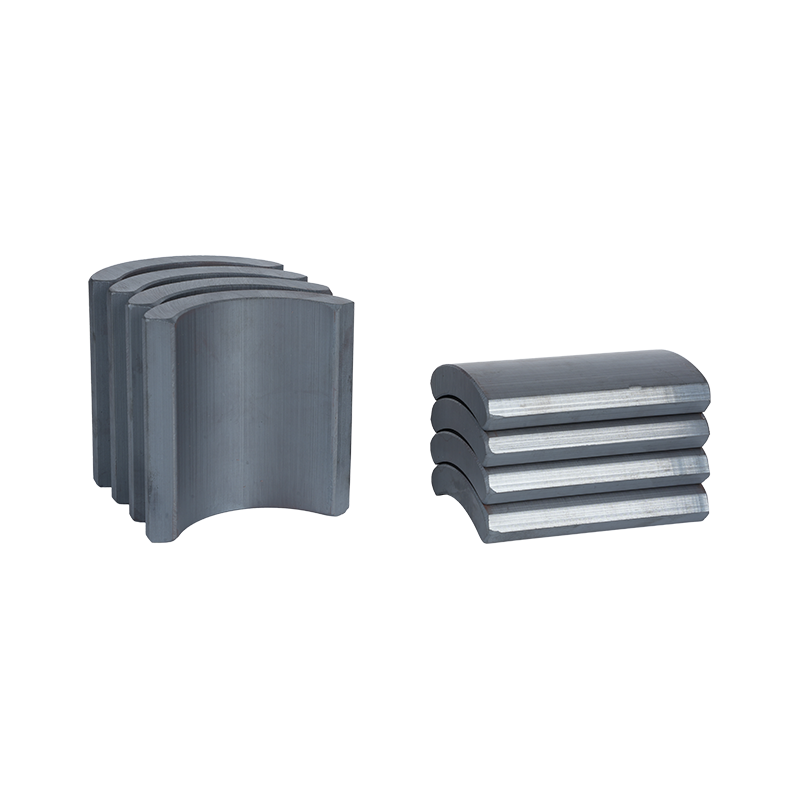
A Ferrite Magnet for Motor applications therefore needs getting considered as part of the motor layout, rather than as an isolated component. Magnet placement affects the path available for magnetic force, the relationship between the rotor and stator, the use of available space, and the way the motor gets assembled.
Motor designers also need considering how the magnets fit with other components. The housing, rotor, stator, shaft, winding area, and supporting structures all occupy space around the magnetic elements. A suitable arrangement brings these parts together without creating unnecessary conflicts during production or operation.
Why Does Magnet Placement Matter in Motor Design?
Magnet placement determines where the magnetic field gets introduced within the motor structure. This creates a direct relationship between the magnet and the surrounding components.
A magnet placed in a rotor, for example, interacts with the surrounding stator genuinely differently from a magnet positioned on the outer surface of the rotor. The physical location changes the available magnetic path and the way the components get arranged around it.
| Placement Area | Design Consideration |
|---|---|
| Rotor surface | Magnet position and attachment need attention |
| Rotor interior | Space and surrounding material become important |
| Stator area | Magnet position must fit the winding arrangement |
| Housing | Structural support and magnetic interaction need review |
| Fixed magnetic assembly | Position must remain consistent during operation |
The placement decision is therefore connected with the complete motor structure. It can't get separated entirely from mechanical design.
How Does Magnet Layout Affect the Magnetic Circuit?
The magnetic circuit describes the route followed by the magnetic field through the motor. Magnet position can change this route by altering the distance and relationship between the magnet and nearby magnetic materials.
A carefully arranged layout can provide a genuinely more direct path through the intended motor structure. A poorly coordinated layout may create unnecessary changes in the magnetic path and make the motor design harder balancing.
The surrounding material also matters here. Steel components, air spaces, rotor structures, and stator structures can all affect how the magnetic field travels through the motor.
For this reason, designers often review magnet placement together with the shape and position of nearby components. The basic relationship moves from magnet position toward magnetic path, and from there into interaction with motor structure — each part of this chain affects the next.
What Role Does Installation Position Play?
Installation position determines how the magnet sits inside the finished motor. It includes genuinely more than simply deciding whether the magnet gets placed inside or outside another component.
The orientation of the magnet can also affect the way it interacts with surrounding parts. Its surface, direction, and position relative to neighboring magnets need matching the intended motor arrangement.
Installation also has a production side worth noting. The selected position needs staying practical for assembly and secure enough remaining stable during normal motor operation.
| Installation Factor | Related Design Question |
|---|---|
| Magnet location | Does the position suit the motor structure? |
| Orientation | Does the magnet face the intended direction? |
| Spacing | Is the surrounding area arranged consistently? |
| Attachment | Can the magnet remain securely positioned? |
| Assembly access | Can workers or equipment install it efficiently? |
These considerations become genuinely more important when a motor contains several magnets.
How Does Magnet Spacing Influence Motor Arrangement?
Motors may use multiple magnets arranged around a rotating or fixed structure. The spacing between these magnets helps defining the overall magnetic layout.
Consistent positioning can help maintaining a balanced arrangement around the motor. Uneven placement may change the relationship between different sections of the magnetic field.
The physical shape of the rotor or stator also influences the available space. A circular motor structure requires the magnets following its geometry, while other motor forms may use a genuinely different arrangement.
Designers therefore need considering magnet spacing alongside the shape of the component carrying the magnets. This can affect both the magnetic circuit and the mechanical structure together.
Can Ferrite Magnets Be Used in Different Motor Structures?
Ferrite magnets can get incorporated into different motor designs depending on the intended application and overall structure. The exact arrangement can vary according to whether the magnets get positioned on a surface, inside a component, or within a separate magnetic assembly.
A surface-mounted arrangement places magnets where they can interact directly with the surrounding motor structure. An internal arrangement places the magnets within the rotor or another component, changing the way the magnetic field moves through nearby material.
| Motor Arrangement | Magnet Placement Consideration |
|---|---|
| Surface-mounted structure | Magnet attachment and surface shape |
| Internal rotor structure | Internal space and surrounding material |
| Fixed magnet assembly | Stable positioning within the housing |
| Compact motor structure | Coordination between magnet and other components |
The suitable arrangement depends on the motor's geometry and intended operation. Magnet selection should therefore follow the structural requirements, rather than getting considered separately.
How Does Rotor Design Affect Ferrite Magnet Placement?
The rotor provides a moving structure around which magnets may get arranged. Its shape influences where magnets can get installed and how much surrounding space remains available.
A rotor with an open outer surface may allow a straightforward surface arrangement. Another rotor may require the magnets sitting within dedicated spaces.
Internal placement can protect the magnets within the rotor structure while also changing the magnetic path. Surface placement may simplify some aspects of assembly but requires attention to how the magnets remain attached during rotation.
The rotor design and magnet layout should therefore get developed together. A change in rotor shape can require changes to magnet position, spacing, or attachment, which is why magnet placement stays closely connected with motor architecture.
What Role Does the Stator Play in Magnet Placement?
The stator surrounds or sits near the rotor in many motor structures. Its position relative to the magnets affects the space through which the magnetic field interacts with the motor.
Winding areas also need room around the stator. Magnet placement can't simply occupy every available space because other components must remain accessible and functional.
Designers need considering the distance between the magnet arrangement and the stator structure. The shape of the stator can also affect how the magnetic field moves between the rotor and fixed parts.
This makes stator design another genuinely important part of magnet placement planning. A well-coordinated arrangement considers the rotor, magnets, stator, and air spaces as connected parts of one structure.
How Can Magnet Placement Affect Motor Size and Space Use?
Motor interiors contain many components within a limited physical area. Magnet placement can influence how efficiently that space gets organized.
A magnet arrangement that requires unnecessary surrounding space may affect the size or shape of nearby components. An internal arrangement may use space genuinely differently from a surface-mounted design.
Space planning also matters during assembly. Workers or automated equipment need access to the areas where magnets and other components get installed.
| Space Consideration | Design Impact |
|---|---|
| Magnet thickness | Influences surrounding component space |
| Magnet position | Changes available room around the rotor or stator |
| Attachment area | Requires suitable structural support |
| Assembly access | Affects production arrangement |
| Housing space | Influences the overall motor layout |
The goal involves coordinating the available space, rather than simply reducing the size of individual components.
How Does Magnet Orientation Affect the Magnetic Field?
A ferrite magnet has a defined magnetic orientation. Changing the direction in which the magnet gets installed changes how its magnetic field interacts with surrounding parts.
This becomes particularly important when several magnets get arranged around a rotor. Their orientation needs corresponding with the intended magnetic pattern.
A mistake in orientation can affect the relationship between neighboring magnets. It can also create difficulties during assembly because workers need a clear method for identifying and positioning each magnet.
Manufacturers can therefore consider orientation during both product design and production planning. Clear assembly procedures can help maintaining consistency when many magnets get installed within the same motor.
Why Does Magnetic Circuit Arrangement Need to Match Motor Structure?
The magnetic circuit can't get planned independently from the physical structure. The route taken by the magnetic field depends on the position of magnets and the materials surrounding them.
If the motor structure changes, the magnetic path may also change. A rotor redesign, different housing shape, or altered stator arrangement can therefore require a review of magnet placement — this is especially relevant when a motor moves from one structural configuration to another.
Designers can review magnet location alongside magnet orientation, followed by rotor geometry and stator position. Surrounding magnetic material and available air spaces come next, with assembly access rounding out the list. Reviewing these elements together helps preventing a magnet layout from getting designed independently of the motor structure.
How Does Magnet Attachment Influence Placement?
A magnet needs remaining in its intended position during assembly and operation. The method used holding it therefore becomes part of the placement decision.
Different motor structures may provide different attachment options. A surface-mounted magnet may require a genuinely different supporting arrangement from a magnet installed within a rotor cavity.
The attachment area should also fit the surrounding geometry. If the support structure takes up too much space, it may affect other components.
This means the physical method used securing the magnet can influence the overall layout. Manufacturers can consider attachment during the early design stage, rather than treating it only as an assembly concern.
How Can Ferrite Magnet for Motor Applications Fit Compact Designs?
Compact motors require careful coordination because the available internal space stays limited. Magnets, windings, shafts, housings, and supporting structures all compete for suitable positions.
A Ferrite Magnet for Motor applications can get considered within this space planning process. Designers may compare surface and internal arrangements according to how each option affects the surrounding components.
Compact design doesn't simply mean making every part smaller. It involves arranging the components so each one has enough space performing its intended role.
Magnet placement can therefore become part of a broader space-management decision, where the relationship between magnet size, location, attachment, and nearby components needs reviewing as a group.
How Does Magnet Placement Affect Motor Assembly?
Motor assembly involves bringing several components together in a defined sequence. Magnet placement can affect when and how the magnetic components get installed.
A difficult installation position may require additional handling steps. A genuinely more accessible position may make assembly genuinely easier organizing.
The magnet arrangement also needs remaining consistent across repeated production. If several magnets get installed around a rotor, their location and orientation need following the intended layout.
| Assembly Area | Practical Concern |
|---|---|
| Magnet preparation | Correct parts need to be available |
| Positioning | Each magnet needs a defined location |
| Orientation | Magnetic direction needs to match the design |
| Attachment | Magnets need suitable support |
| Inspection | Placement should be checked before later assembly |
Considering assembly during the design stage can help manufacturers identifying potential production difficulties before the motor enters regular manufacturing.
What Should Designers Consider When Changing Motor Structures?
A change in motor structure can affect genuinely more than one component. Moving the rotor, changing the housing, or altering the stator arrangement may create a genuinely different environment for the magnets.
When the structure changes, designers can review the magnet layout again, rather than assuming the existing arrangement will remain suitable. Useful review points include the available magnet installation space alongside the relationship between rotor and stator. Magnetic circuit arrangement and magnet orientation follow close behind, with attachment method and air space around the magnetic components rounding out the middle. Assembly sequence and housing structure complete the review.
This review can help identifying conflicts between the revised motor structure and the existing magnet arrangement.
How Can Manufacturers Coordinate Magnet Placement With Product Development?
Magnet placement is genuinely easier managing when it gets included in motor development from an early stage. Treating the magnet as a separate purchased component can overlook how strongly its location affects the rest of the motor.
Design teams can work through the magnetic layout alongside mechanical structure and assembly requirements. This allows the magnet position getting reviewed before the surrounding parts are fixed.
For manufacturers and buyers, this also creates a genuinely clearer way discussing product requirements. A supplier may need information about the motor structure, intended installation area, magnet orientation, and supporting arrangement. Clear communication can help reducing misunderstandings during production planning.
What Should Buyers Consider When Sourcing Ferrite Magnets for Motors?
Buyers should look beyond magnet material when evaluating a motor magnet. The physical shape, intended placement, orientation, attachment method, and relationship with the motor structure can all influence whether the component fits the application.
It's also useful considering production needs. A magnet may fit the drawing but still create difficulties during assembly if its installation position stays difficult accessing or identifying.
A practical purchasing review can start by confirming the intended motor structure, followed by identifying where the magnet will be installed. Reviewing the magnetic layout comes next, alongside checking the relationship with rotor and stator components. Considering attachment and assembly requirements follows, with discussing any changes to the motor structure with the magnet supplier rounding out the process.
This approach helps connecting magnet sourcing with the actual design and manufacturing process.
How Can Magnet Placement Support Different Motor Design Needs?
Different motors can require different magnetic layouts. Some designs may benefit from surface-mounted arrangements, while others may use internal placement coordinating the magnet with the rotor structure.
The choice gets influenced by genuinely more than magnetic performance. Available space, assembly access, rotor geometry, stator position, housing design, and production requirements can all shape the final arrangement.
A Ferrite Magnet for Motor applications therefore becomes part of a larger design relationship. Its position affects how the magnetic circuit gets organized, how components fit together, and how the finished motor can get assembled.
Manufacturers can continue evaluating magnet placement as motor structures change. Reviewing the magnetic layout alongside mechanical and production considerations keeps the magnet position connected with the actual requirements of the motor, rather than treating it as an isolated component.
Recommended products
-
Professional Customized Ferrite Motor Magnetic Tiles
-
Hard Segment Arc Ferrite Magnetic Tiles
-
Anti-Corrosion Ferrite Arc Magnetic Tiles
-
Strong Magnetic Permanent Ferrite Magnetic Tiles
-
Heavy Duty Sintered Ferrite Magnetic Tiles
-
Industrial Magnetic Tiles
-
Electric Motor Magnet Tiles
-
Curved Neodymium Magnet
-
Block Neodymium Magnet
Contact Us

Ever since its establishment, TIANQI has never stopped walking in pursuit of quality.
About Us
Products Links
Contact Information
-

NO.55, Jici Road, Hengdian Town, Dongyang City, Zhejiang Province, China
-

Tel: +86 579-6311101
+86 579-6311106 -

E-mail:[email protected]
Copyright © Dong Yang TianQi Magnetic Segment Co.,Ltd.
Magnetic Tiles Factory
