


 English
 中文简体
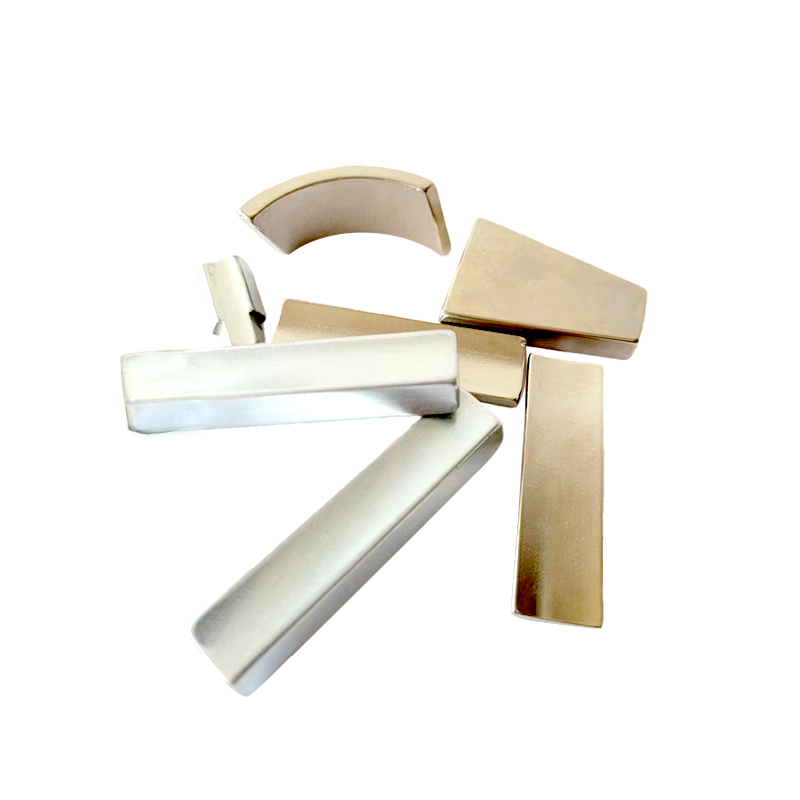
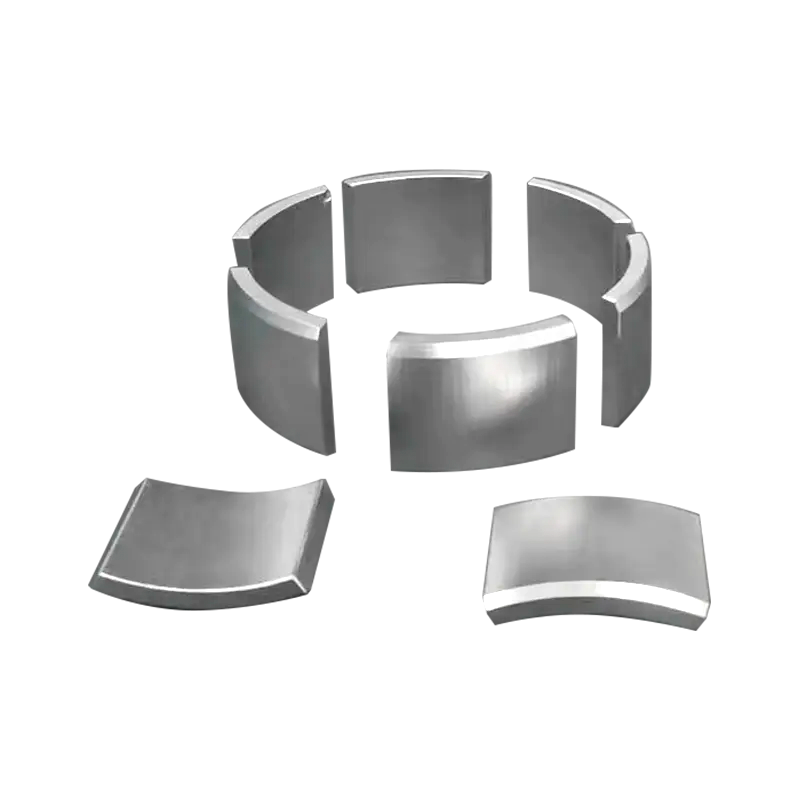
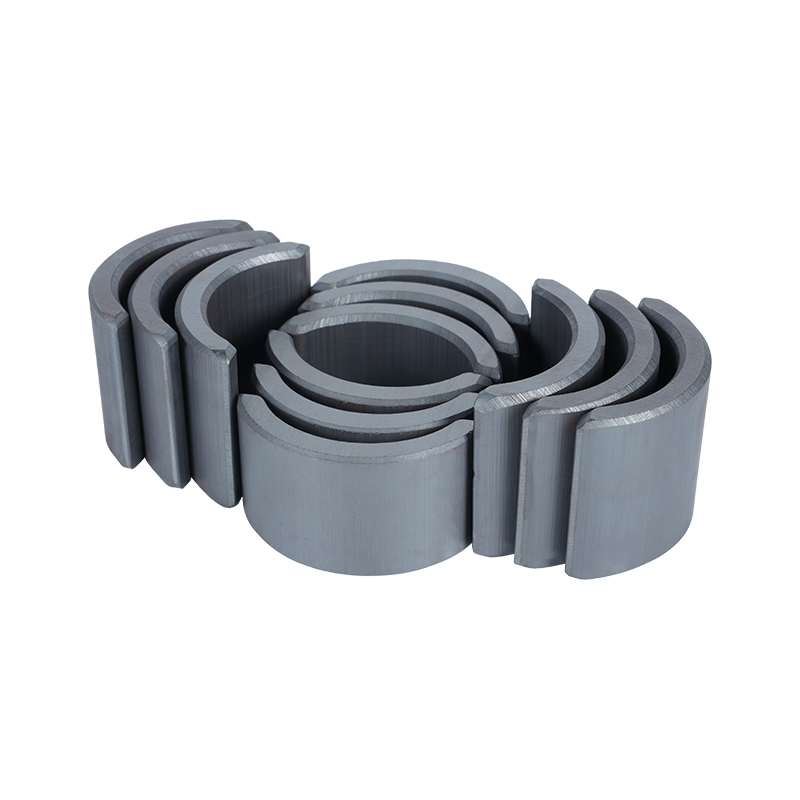
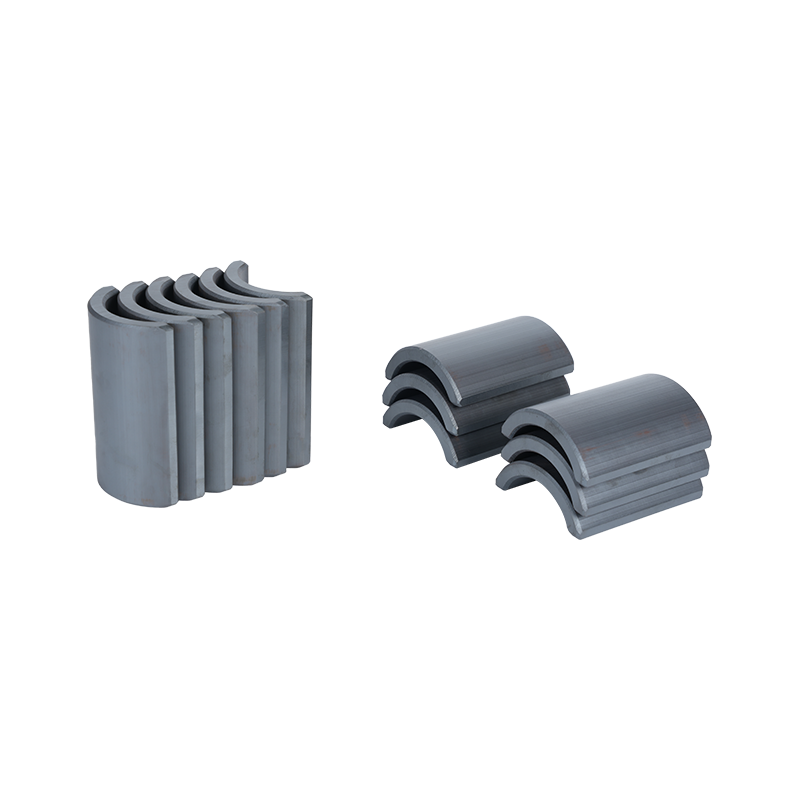
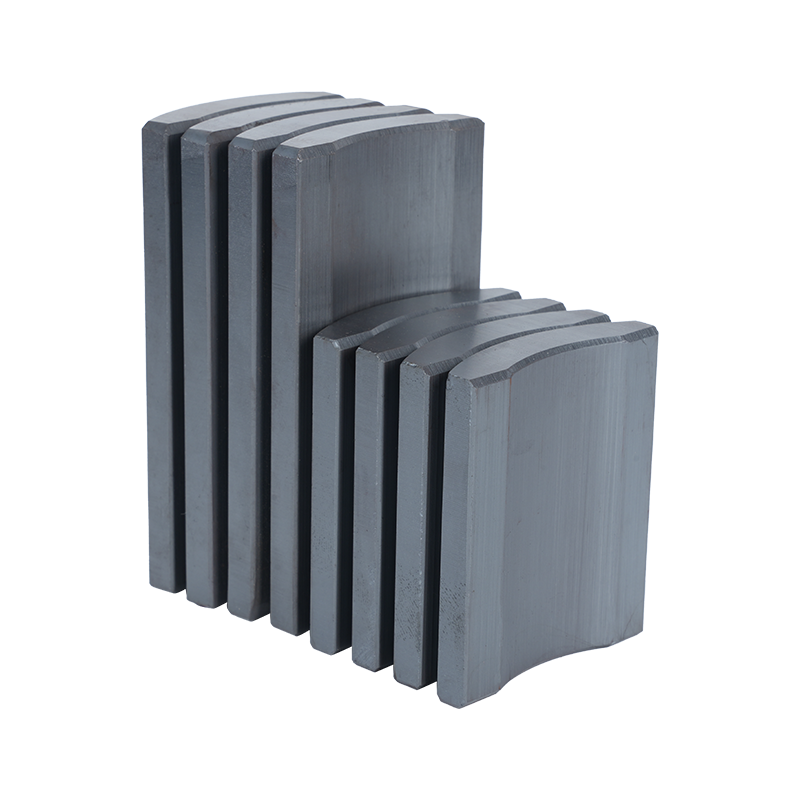
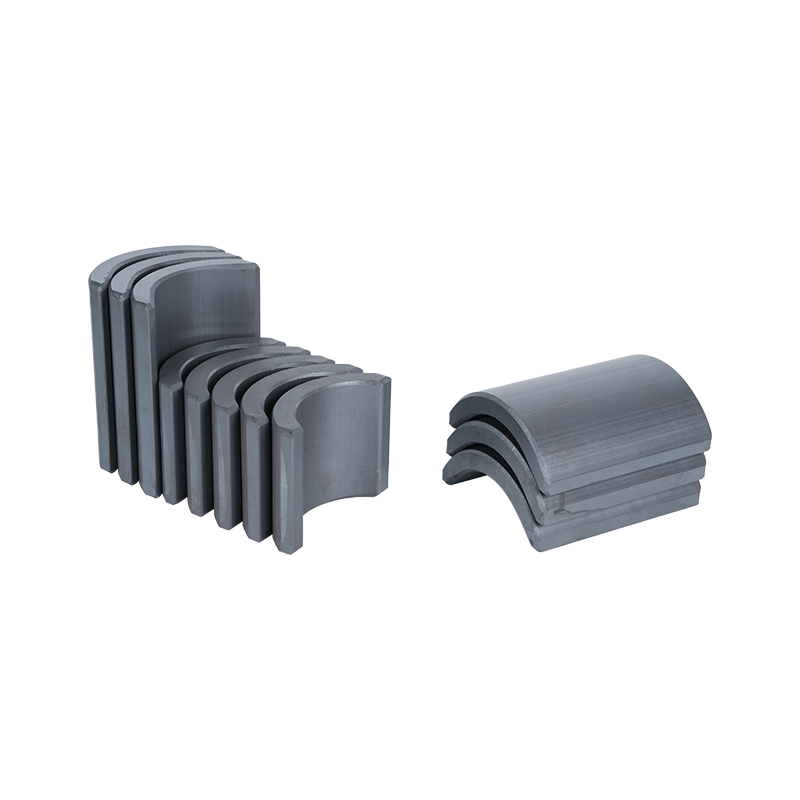
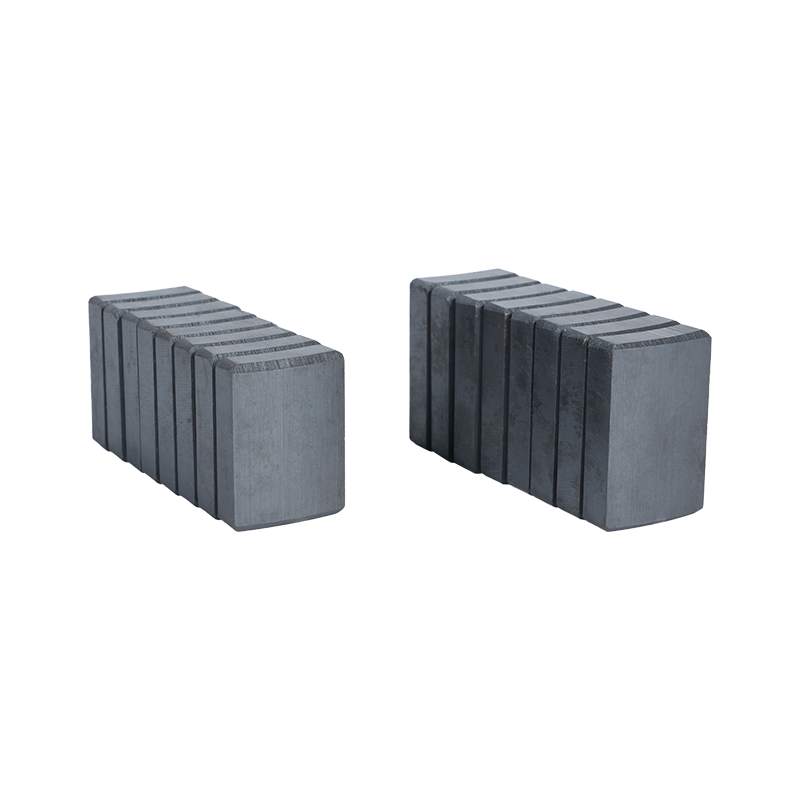
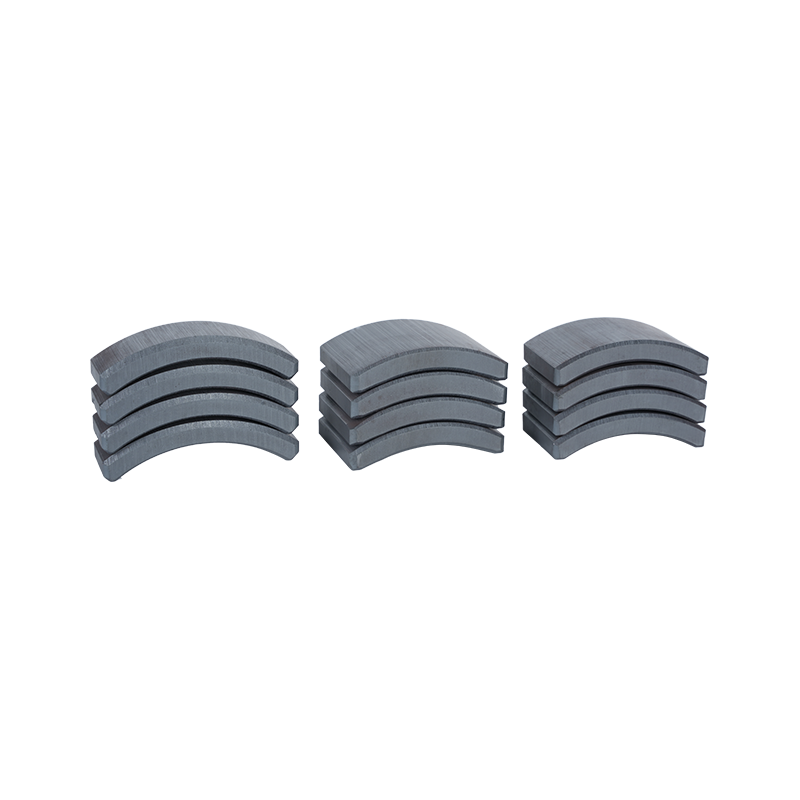
Dong Yang TianQi Magnetic Segment Co.,Ltd.(formerly Shuangyang Magnet Tile) is a professional enterprise specializing in the production of motor magnet tiles
Search by posts
Categories
Popular products
Contact Us
Industry News
 By Admin
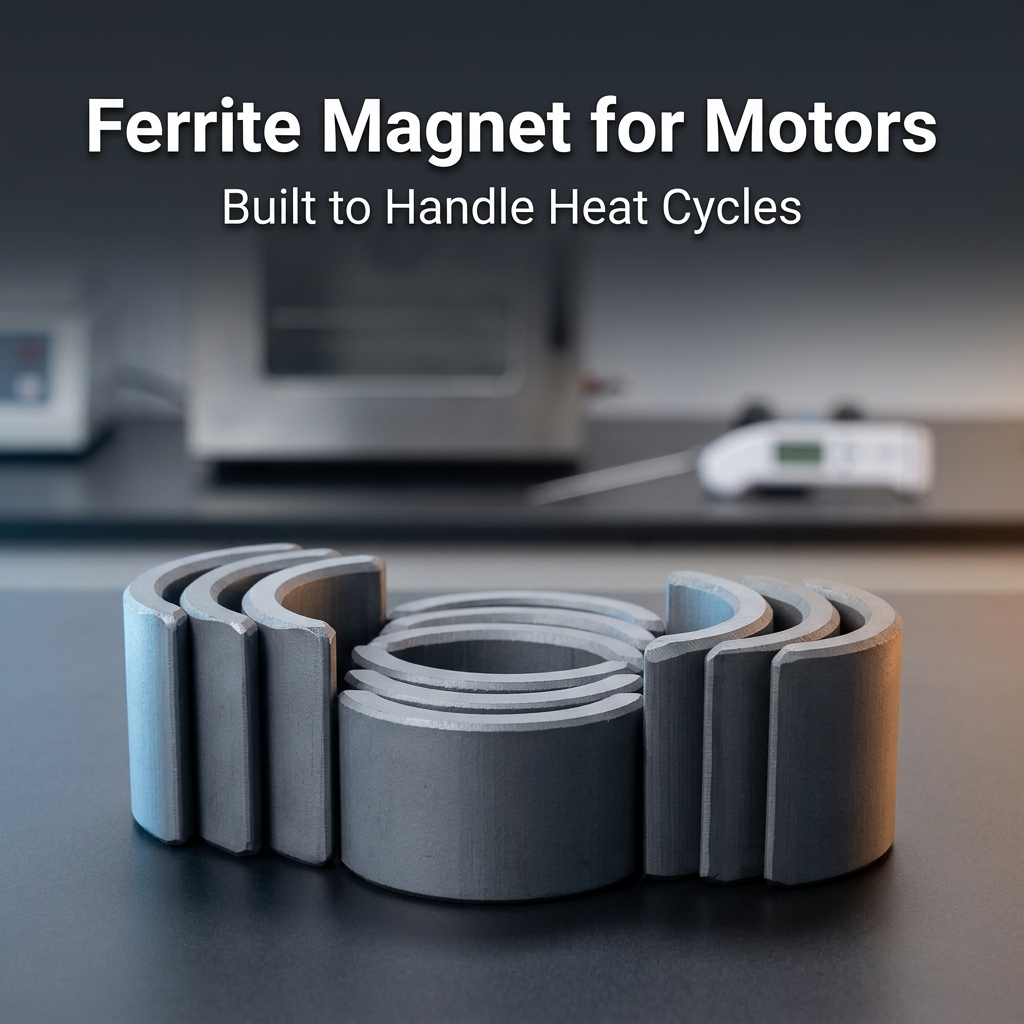
How Do Ferrite Magnets for Motors Withstand Thermal Cycling
A washing machine drive that starts and stops all day, a pump that warms slowly and cools overnight, a fan motor in a hot enclosure: each runs through heating and cooling again and again. A Ferrite Magnet for Motors sits inside that cycle. Its magnetic output shifts with temperature, and its ceramic body expands, contracts, and carries stress where it meets the housing and fixing material. Safe use depends on understanding both effects. The sections below cover why motors heat unevenly, how magnetic and structural behavior change, and how material choice, cooling, installation, and testing reduce risk.
Why Motors Heat and Cool Repeatedly
Motor temperature rarely stays fixed. Electrical resistance, friction, magnetic activity, and other losses turn part of the input energy into heat. A motor starting from rest follows a different temperature path from one running steadily, and a change in load alters heat output because the motor must work harder to keep moving.
Several situations produce repeated cycles:
- Startup: components warm as the motor begins to run.
- Continuous running: internal heat builds during the task.
- Load changes: heavier or lighter demand alters heat generation.
- Frequent stopping: cooling begins before the next run starts.
- Changing surroundings: ambient temperature affects how fast heat is gained or lost.
Magnet position matters. One mounted near a heat source sees a different pattern from one farther away, and housing, airflow, cooling, and internal layout all shape how heat travels. Equipment that starts and stops often can cycle as much as a heavily loaded unit. Magnet selection should follow the actual operating cycle, not only the temperature reached during steady running.
Magnetic Behavior of a Ferrite Magnet for Motors
Heating changes the magnetic properties of ferrite. Output shifts as temperature rises, and part of that change reverses on cooling. The size and direction of the shift depend on composition and operating conditions.
Because the motor's output comes from the interaction of this field with other components, changes in the magnet can alter running behavior. The link is not always direct, since performance depends on the whole electromagnetic and mechanical design. During startup, steady running, and cooling, the magnet works under different conditions, so the chosen material must stay suitable through all of them.
Irreversible loss is the more serious concern. If the magnet is exposed beyond its safe range, some magnetic performance may not return after cooling. A motor that seems normal after a short run may behave differently after repeated exposure to unsuitable temperatures. The working point, magnetic circuit, and load all influence this risk, so a general description of ferrite is not enough for selection.
Structural Stability Under Heating and Cooling
Ferrite is ceramic-based and relatively brittle compared with many metals. Magnet, housing, adhesive, and supports all expand when warm and contract when cool, and they rarely do so at the same rate. The mismatch creates stress at contact surfaces and fixing points, and repeated cycles can gradually loosen the way the magnet is held.
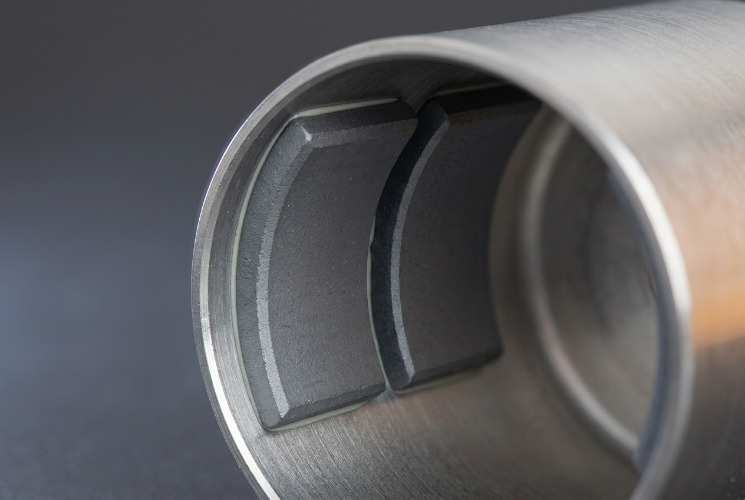
Possible problems include:
- Surface stress: stress where the magnet touches other materials.
- Small cracks: existing defects grow under repeated stress.
- Fixing changes: adhesive reacts differently to heat and cold.
- Movement: the fit between parts shifts the magnet's position.
- Impact damage: a loose magnet strikes neighboring parts during operation.
Geometry plays a role too. Sharp corners, thin sections, and uneven contact areas concentrate stress. Thermal cycling does not mean a magnet will crack or loosen. It means mechanical design and surrounding materials need to account for repeated temperature change.
Choosing a Ferrite Magnet for Motors Under Thermal Load
Selection must weigh magnetic requirements and thermal conditions together. Ferrite grades differ in composition, and their temperature behavior differs with them.
| Factor | Why It Matters |
|---|---|
| Magnetic properties | Support the motor's magnetic field |
| Temperature behavior | Predicts output changes in operation |
| Structural traits | Affect resistance to cracking and handling damage |
| Magnet shape | Influences stress distribution and fitting |
| Surrounding materials | Determine how parts respond to temperature change |
| Operating cycle | Shows how often heating and cooling occur |
A single temperature value is not enough. Exposure time, frequency of change, and speed of heating or cooling all count. A motor that runs long and cools slowly stresses its parts differently from one that starts and stops repeatedly. Workload matters as well, since frequent speed or load changes create a different environment from a steady run. The chosen grade should suit the full set of operating conditions.
Housing and Cooling Around the Magnet
The housing carries heat away from internal parts, and the cooling arrangement sets how quickly temperatures move. A magnet is affected by its surroundings, including distance to heat sources, housing material, and internal airflow.
Poor heat removal keeps a motor warm for long periods. Very rapid cooling can create different expansion patterns between joined parts. Cooling should therefore be treated as part of the structure, aiming for suitable operating temperatures without large differences between neighboring components.
- Heat source location: identify which parts generate heat and how close they sit to the magnet.
- Heat paths: trace how heat moves through housing and internal structures.
- Air movement: confirm that cooling lets heat leave the motor.
- Operating pattern: note whether the motor runs continuously or starts and stops often.
- Temperature distribution: look for areas of local heat buildup.
Good cooling creates a steadier environment for the magnet, though it cannot replace a suitable magnetic material.
Installing a Ferrite Magnet for Motors to Limit Stress
Even a suitable grade can fail when poorly supported or fitted with force. Ferrite chips and cracks easily, and small defects made during assembly may grow under repeated heating.
Fit matters. A very tight arrangement stresses the magnet when surrounding parts expand, while a loose one lets it move or knock against neighbors. Adhesives need to stay effective across the whole temperature range, because one that holds at room temperature may weaken after many cycles. Mechanical retainers should hold the magnet in place while allowing for different material behavior.
Practical measures include:
- Avoiding unnecessary force during handling and fitting
- Checking contact surfaces for defects or contamination
- Choosing fixing materials suited to the operating environment
- Allowing for expansion and contraction between connected parts
- Keeping the magnet correctly positioned during operation
- Following the manufacturer's assembly instructions
Good installation supports long-term reliability but cannot make up for an unsuitable material or environment.
Operating Conditions That Raise Thermal Cycling Risk
| Condition | Possible Effect |
|---|---|
| Frequent start and stop | Repeated heating and cooling |
| Changing mechanical load | Varying heat generation |
| Restricted cooling | Greater heat buildup |
| Warm surroundings | Less ability to release heat |
| Uneven temperature distribution | Different expansion within the assembly |
| Long operating periods | Extended exposure to elevated temperature |
An outdoor motor sees ambient swings, and one inside a warm enclosure struggles to shed heat, so the same magnet faces different conditions in different installations. These conditions do not always cause damage, since the outcome depends on grade, design, and the real temperature pattern. Assess the complete cycle: when the motor heats, how long it stays warm, how fast it cools, and whether the pattern repeats.
Checking Ferrite Magnet Performance Through Thermal Cycling
A room-temperature inspection will not show how a magnet behaves after many cycles. Evaluation should cover magnetic and structural results, because a magnet can keep its shape while its output changes, or keep its output while its fixing deteriorates.
- Magnetic behavior: compare measurements before and after thermal exposure to detect lasting change.
- Physical condition: inspect edges, corners, and contact surfaces for cracks or chips.
- Attachment stability: check that the magnet stays secure and that adhesive and fit remain sound.
- Motor operation: test the assembled motor to link material results to real performance.
Test methods should reflect the intended environment, including temperature pattern, cooling periods, load changes, and assembly structure. Variations in composition, shape, surface condition, or assembly quality can influence results, so consistent inspection helps catch differences early. Findings can guide changes to material, geometry, fixing methods, and cooling, and support clearer maintenance instructions.
Users who notice unusual motor behavior, visible damage, or reduced performance should follow the equipment manufacturer's instructions for inspection and repair, particularly where electrical parts are involved. A Ferrite Magnet for Motors performs reliably when material, housing, cooling, and assembly are planned as one system.
Recommended products
-
Professional Customized Ferrite Motor Magnetic Tiles
-
Hard Segment Arc Ferrite Magnetic Tiles
-
Anti-Corrosion Ferrite Arc Magnetic Tiles
-
Strong Magnetic Permanent Ferrite Magnetic Tiles
-
Heavy Duty Sintered Ferrite Magnetic Tiles
-
Industrial Magnetic Tiles
-
Electric Motor Magnet Tiles
-
Curved Neodymium Magnet
-
Block Neodymium Magnet
Contact Us

Ever since its establishment, TIANQI has never stopped walking in pursuit of quality.
About Us
Products Links
Contact Information
-

NO.55, Jici Road, Hengdian Town, Dongyang City, Zhejiang Province, China
-

Tel: +86 13625895265
-

E-mail:[email protected]
Copyright © Dong Yang TianQi Magnetic Segment Co.,Ltd.
Magnetic Tiles Factory
